What Is the Traditional Italian Christmas Pasta Dish? A Complete Guide
What to Expect
- The Heart of the Feast: More Than Just Food
- The Heavyweight Champion: Lasagna (and its Cousins)
- The Christmas Eve Tradition: The Feast of the Seven Fishes
- A Tour of Italy: Regional Christmas Pasta Dishes
- Making It Yourself: A Roadmap, Not a Rigid Recipe
- Answers to Your Burning Questions (FAQ)
- Wrapping It Up: The True Spirit of the Dish
If you've ever found yourself wondering, "What is the traditional Italian Christmas pasta dish?" you're not alone. It's one of those questions that seems simple but opens a door to a whole world of regional rivalry, family secrets, and culinary passion. The short answer? There isn't just one. Asking an Italian about the Christmas pasta is like asking about the best football team—you're going to start a friendly but firm debate.
But that's what makes it so fascinating. The traditional Italian Christmas pasta dish isn't a single recipe approved by some central pasta authority in Rome. It's a tapestry of dishes woven from local ingredients, historical influences, and, most importantly, nonna's unwavering opinions. For many families, Christmas isn't Christmas without that specific shape of pasta, that particular sauce simmering for hours, filling the house with an aroma that spells celebration.
So, what is the traditional Italian Christmas pasta dish? It's a constellation of dishes. In the north, you might find rich, baked pastas layered with meat and bechamel. In the south and for Christmas Eve (La Vigilia), the tradition leans heavily towards seafood. The common thread is abundance, celebration, and bringing the family together around a table groaning with food.
The Heart of the Feast: More Than Just Food
Before we dive into the specific dishes, it's worth pausing to understand why pasta holds such a central place. In Italy, Christmas meals are marathon events, not sprints. They are structured, almost ritualistic. Pasta, as the primo piatto (first course), sets the tone. It's the opening act that must be impressive but not so heavy that it ruins the secondo (main course) of roast meats or fish that follows.
The choice of dish is deeply personal and regional. It speaks to your roots. A family from Bologna would be horrified at the idea of a seafood pasta on Christmas Day, just as a Neapolitan family might find a meat-heavy lasagna on Christmas Eve to be completely missing the point. This isn't just about taste; it's about identity.
I remember one Christmas with friends in Liguria. The first course was a stunning trenette al pesto with potatoes and green beans. Simple, right? But the basil was from their summer garden, frozen at its peak. The pine nuts were carefully toasted. It was a taste of summer in the middle of winter, and it felt more celebratory than any fancy dish could. That's the magic.
The Heavyweight Champion: Lasagna (and its Cousins)
In central and northern regions, especially Emilia-Romagna (the foodie heartland), the answer to "What is the traditional Italian Christmas pasta dish?" is often a resounding "Lasagna!" But not just any lasagna.
We're talking about Lasagna alla Bolognese, the gold standard. This isn't the dry, layered casserole you might have had elsewhere. A proper Christmas lasagna is a delicate, wobbly masterpiece. It features thin, often green (lasagne verdi with spinach) sheets of fresh egg pasta, layered with a slow-cooked ragù alla bolognese (a meat sauce with a little tomato, not a tomato sauce with meat), plenty of béchamel sauce, and a generous amount of Parmigiano-Reggiano. It's rich, comforting, and designed to feed a crowd.
A quick rant: The worst lasagna I ever had was in a tourist trap in Rome. The pasta sheets were thick and doughy, the "ragù" was basically ketchup with some gristly meat, and they used cheap, rubbery mozzarella instead of béchamel. It was a crime against pasta. A good lasagna should be creamy, not chewy, and each layer should meld into the next.
But lasagna has competition even within the baked pasta category. In many households, you might find:
- Baked Cannelloni or Manicotti: Tubular pasta stuffed with a mix of ricotta, spinach, and sometimes ground meat, covered in béchamel and tomato sauce.
- Timballo or Pasta al Forno: A more free-form baked pasta "pie" or casserole, often with short pasta like rigatoni or ziti, mixed with sauces, cheeses, meats, and sometimes even hard-boiled eggs, then baked until glorious.
These dishes are perfect for Christmas because they can be prepared ahead of time—a huge bonus when you're cooking a dozen other things—and they feed an army of relatives.
The Christmas Eve Tradition: The Feast of the Seven Fishes
Now, here's where the plot thickens. For many Italian-American families and in southern Italian regions like Campania, Sicily, and Puglia, the big pasta event happens on Christmas Eve, not Christmas Day. This is La Vigilia, the Feast of the Seven Fishes (Festa dei Sette Pesci).
The tradition is Catholic in origin, marking the wait for the midnight birth of Jesus with a meat-free meal. So, what is the traditional Italian Christmas pasta dish on Christmas Eve? It's almost always a seafood pasta.
The specific pasta varies by region and family:
- Spaghetti con le Vongole: Spaghetti with clams. Simple, elegant, and all about the briny, garlicky, white wine sauce. Purists insist on no cheese, ever.
- Linguine allo Scoglio: "Linguine of the reef"—a mixed seafood pasta with mussels, clams, shrimp, squid, and whatever else is fresh, in a light tomato or white wine sauce.
- Pasta con il Tonno: In some areas, a hearty pasta with tuna, tomatoes, and olives is common.
- Bucatini con le Sarde: A Sicilian masterpiece featuring bucatini pasta with fresh sardines, wild fennel, pine nuts, raisins, and saffron. It's a complex, sweet-and-savory flavor bomb that is the definition of festive.
This tradition is so ingrained that for these families, a meat-based pasta on the 24th would feel completely wrong. The rhythm of the holidays is defined by this shift from the fruits of the sea to the riches of the land.
A Tour of Italy: Regional Christmas Pasta Dishes
To really answer "What is the traditional Italian Christmas pasta dish?" you have to take a trip around the country. The diversity is stunning. Here’s a quick guide to some of the most iconic regional specialties you might find on a holiday table.
| Region | Dish Name | Key Ingredients | Why It's Special for Christmas |
|---|---|---|---|
| Emilia-Romagna | Lasagna alla Bolognese | Fresh egg pasta, ragù, béchamel, Parmigiano | The ultimate rich, celebratory centerpiece. Feeds a crowd. |
| Campania (Naples) | Lagane e Ceci (Christmas Eve) | Lagane (ancient pasta ribbons), chickpeas | A humble, hearty, and traditional meat-free dish for La Vigilia. |
| Sicily | Pasta con le Sarde or Anelletti al Forno | Sardines/fennel or anelletti pasta/baked meat sauce | Reflects the island's Arab influences (raisins, saffron). Anelletti al forno is a festive baked ring-shaped pasta. |
| Piedmont | Agnolotti del Plin | Small, pinched ravioli stuffed with roast meat | Uses the prized meats of the region. Labor of love, perfect for special occasions. |
| Lombardy | Tortelli di Zucca | Ravioli with pumpkin, amaretti cookies, mustard | Sweet-savory flavor celebrates winter squash. Often served on Christmas Eve. |
| Lazio (Rome) | Tonnarelli Cacio e Pepe or Pasta in Brodo | Cheese/pepper or pasta in capon broth | Simple, classic Roman pasta or a comforting broth-based dish to start the heavy meal. |
See what I mean? You could travel for weeks and still not taste every variation. A friend from Abruzzo once described their Christmas pasta alla chitarra with a lamb ragù, and it sounded so uniquely perfect for their mountainous area. The dish is a direct reflection of the local landscape.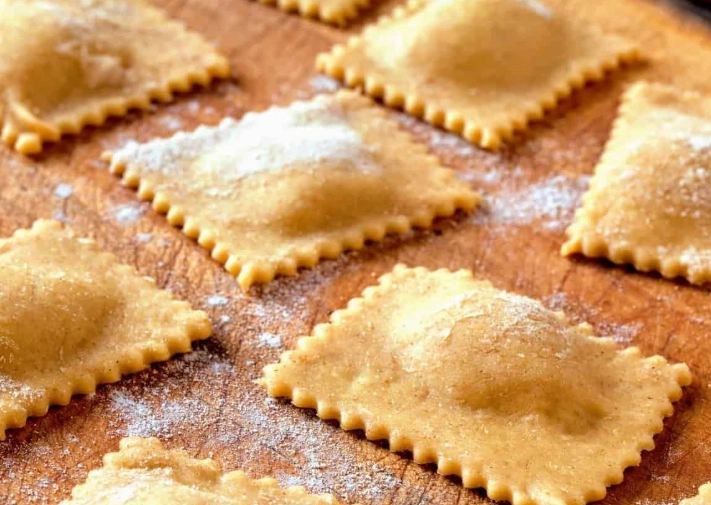
Making It Yourself: A Roadmap, Not a Rigid Recipe
Feeling inspired to bring a taste of an Italian Christmas to your table? Let's get practical. Trying to replicate a nonna's 50-year-old recipe exactly is a fool's errand. Instead, embrace the spirit. Choose a direction—rich and meaty, or light and seafood-based—and build from there.
If You Go the Baked Lasagna Route:
Don't cut corners on the ragù. It needs time. A good resource for understanding the authentic method is the official Italian Tourism Board's website, which often features articles on regional cuisines. For the ragù, the Accademia Italiana della Cucina (Italian Academy of Cuisine) has documented the traditional, protected recipe. The basics are:
- Start with a soffritto of onion, carrot, and celery fried gently in butter or oil.
- Add a mix of ground meats (often beef, pork, and sometimes pancetta).
- Cook until the meat loses its red color, then add a splash of wine and let it evaporate.
- Add a small amount of tomato paste or puree and a little broth or milk. Then, the key: simmer for at least 2-3 hours, adding liquid as needed. It should be thick and unctuous, not watery.
For the béchamel, use whole milk, fresh butter, and good flour. Grate your own Parmigiano-Reggiano. I know, it's a pain. But the pre-grated stuff has anti-caking agents that mess with the texture. Trust me, it's worth the extra minute.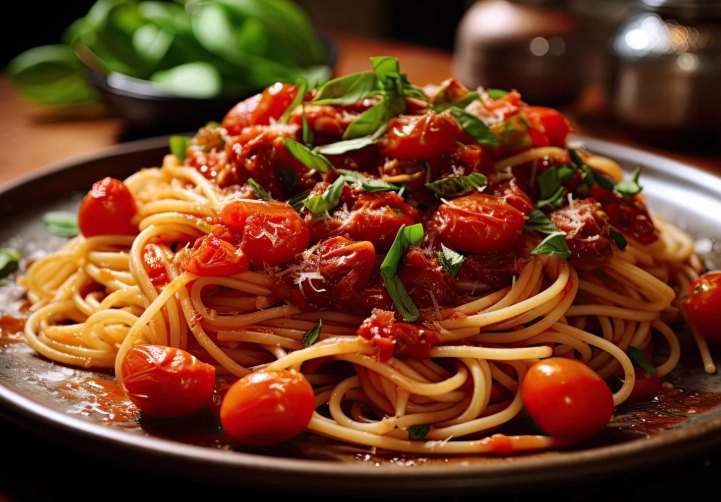
If You Go the Christmas Eve Seafood Route:
Freshness is non-negotiable. Frozen seafood can work in a pinch for a mixed sauce, but for something like vongole (clams), you need them alive and fresh.
- Clean your shellfish thoroughly. Soak clams/mussels in cold water with a handful of coarse salt to purge sand.
- Keep the sauce simple. For spaghetti alle vongole: garlic, olive oil, white wine, clams, parsley. That's it. Let the clams open and release their incredible juice—that's the sauce.
- Never, ever add cheese to a seafood pasta. This is the hill many Italians will die on. The flavors clash.
And cook your pasta in well-salted water, but finish it in the pan with the sauce and a splash of pasta water. This mantecatura is what makes the sauce cling to every strand.
My personal confession: The first time I made a seafood pasta for a holiday gathering, I was so nervous about undercooking the squid that I turned it into rubber bands. A classic beginner mistake. Seafood cooks fast—shrimp and squid need just minutes. When they turn opaque, they're done. Take the pan off the heat.
Answers to Your Burning Questions (FAQ)
Is it always lasagna?
No, absolutely not. While lasagna is a hugely popular choice, especially in the north, it's not universal. Calling it "the" traditional dish overlooks the massive regional diversity of Italy.
What do Italians eat on Christmas Eve vs. Christmas Day?
This is the crucial distinction. For many, Christmas Eve is for seafood pasta (as part of the Feast of the Seven Fishes). Christmas Day is for richer, meat-based pastas like lasagna, baked pasta, or stuffed pasta like ravioli or tortellini in broth.
Is there a vegetarian traditional Christmas pasta?
Formally, not really, as the traditions are either meat or seafood-based. However, many regional dishes are accidentally vegetarian or easy to adapt. Tortelli di Zucca (pumpkin ravioli from the north) is often vegetarian. A simple pasta al forno with vegetables and cheese could also be a wonderful festive centerpiece.
Can the pasta dish be made ahead of time?
This is one of the main reasons baked pastas are so popular! Lasagna, cannelloni, and timballo are almost always better if assembled a day ahead, letting the flavors meld, and then baked on the day. Seafood pastas, however, must be made fresh at the last minute.
What type of pasta shape is most traditional?
There's no single shape. It depends entirely on the dish: long strands (spaghetti, linguine) for seafood, flat sheets (lasagna) for baking, stuffed shapes (ravioli, tortellini) for broths or simple sauces, and short tubes (rigatoni, ziti) for baked casseroles.
Wrapping It Up: The True Spirit of the Dish
So, after all this, what is the traditional Italian Christmas pasta dish? I hope you see now that it's the wrong question to ask if you're looking for a single recipe. The right question is: "What is the traditional Christmas pasta dish for your family, in your region of Italy?"
The real tradition isn't locked in a specific ingredient list. It's in the time taken to simmer the ragù for hours. It's in the communal act of stuffing hundreds of tiny tortellini. It's in the scent of garlic and sea hitting the steam from a pot of pasta on Christmas Eve. It's about abundance, care, and sharing.
Whether it's a towering, wobbly lasagna, a gleaming plate of spaghetti alle vongole, or a humble bowl of pasta in capon broth, the purpose is the same: to mark the occasion as special, to nourish your loved ones, and to celebrate another year together. That's the tradition that matters most.
Maybe this year, instead of searching for the one "authentic" recipe, you take inspiration from this incredible variety. Try making a baked pasta if you usually do seafood, or vice-versa. Use the best ingredients you can find. Cook it with care. And share it with people you care about. That, in the end, is the most Italian tradition of all.
Related Articles
The Best Italian Bread Recipe: Authentic Ciabatta at Home
What Is Authentic Italian Food? A Guide to Regional Classics & Home Cooking
Traditional Italian Baked Ziti Recipe: Authentic Step-by-Step Guide
Traditional Italian Bread Recipes: Authentic Methods & Expert Tips
Italian Sausage Recipes: Easy Family Dinners in 30 Minutes