What to Cook for an Italian Christmas: The Ultimate Feast Guide
Quick Guide to the Feast
So you've decided to tackle an Italian Christmas dinner. Let me start by saying – good for you, and also, are you sure? I'm kidding. Mostly. It's a marathon, not a sprint, but the payoff is a table so laden with food and love that it becomes a memory you'll taste for years. I remember my first attempt, a decade ago, fueled by equal parts ambition and panic. I learned the hard way that "festa" means feast in every sense, and figuring out what to cook for an Italian Christmas is about more than recipes; it's about rhythm, tradition, and a joyful kind of excess.
The sheer scope can be daunting. Seven fishes? Thirteen courses? It depends on who you ask and where in Italy their nonna is from. That's the first thing to understand: there is no single answer. Italy's culinary traditions are fiercely regional. A Christmas table in snowy Alto Adige looks nothing like one in sun-drenched Sicily. But across all regions, the spirit is the same: abundance, family, and celebrating the year's end with the very best of the larder.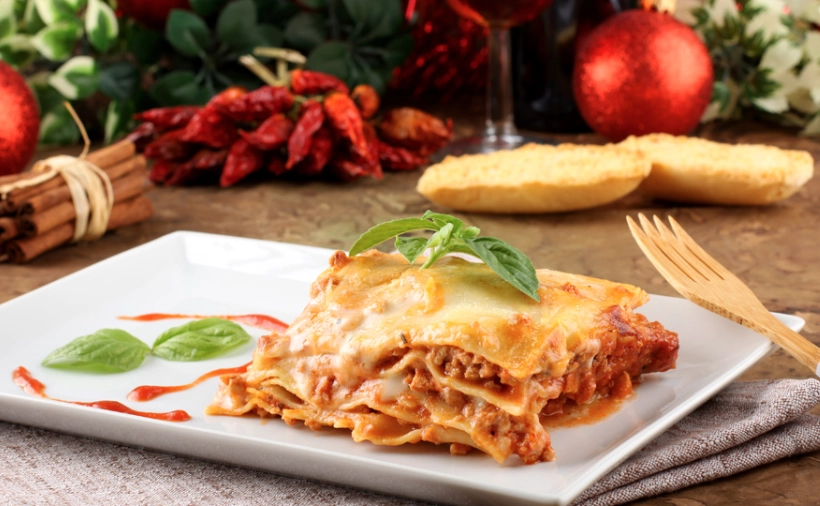
The Core Philosophy: An Italian Christmas meal, or Il Cenone (the big dinner), is structured like a symphony. It has movements – antipasti, primi, secondi, contorni, dolci. Each has a role. The goal isn't to leave the table hungry; it's to experience a journey through flavors, textures, and family history.
This guide won't just throw a list of dishes at you. We'll break down the logic, explore regional must-haves, and most importantly, give you a realistic game plan. Because knowing what to cook for an Italian Christmas is one thing. Pulling it off without a nervous breakdown is another.
The Non-Negotiables: Dishes You'll Find All Over Italy
Before we dive into regional differences, let's talk common ground. Certain items are almost universal on an Italian holiday table. Think of these as your foundation.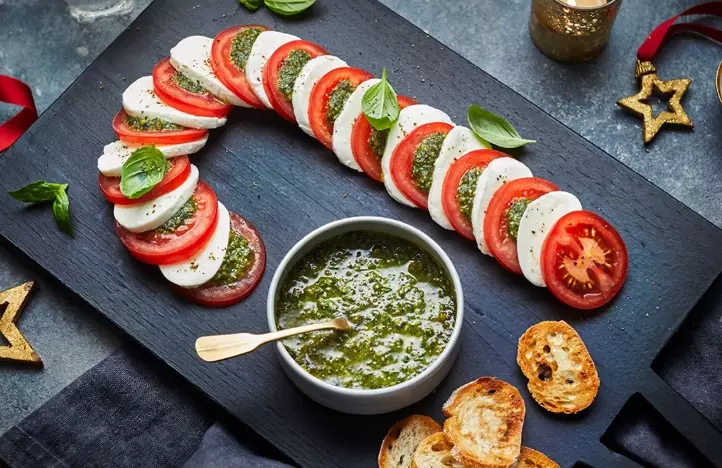
Antipasti: The Grand Opening
This isn't a few olives in a bowl. Antipasti is a spread meant to welcome guests and wake up the palate. It's often served buffet-style. You'll want a mix of textures and flavors: something salty, something creamy, something crunchy.
- Affettati Misti: A beautiful board of cured meats. Prosciutto Crudo, Salame, Finocchiona, maybe a spicy 'Nduja from Calabria if you're feeling brave.
- Formaggi: A selection of cheeses. A sharp Parmigiano-Reggiano, a creamy Taleggio, a mild Pecorino. Serve with mostarda (fruit in a spicy mustard syrup) or honey.
- Veggie Things: Roasted peppers in oil, marinated artichokes, olives of all kinds, maybe some pickled onions.
- Fritti: Little fried bites. Suppli (rice balls) or small olive ascolane (stuffed, fried olives) are classic.
A word of caution: pace yourself here. I've seen many eager eaters (myself included) fill up on the antipasti, only to face the tragic reality of being too full for the pasta. It's a real holiday hazard.
Il Primo: The Pasta (or Rice, or Soup) Course
This is where the meal proper begins. The primo is usually a rich, celebratory pasta, risotto, or soup. It's often the dish that requires the most technique and care.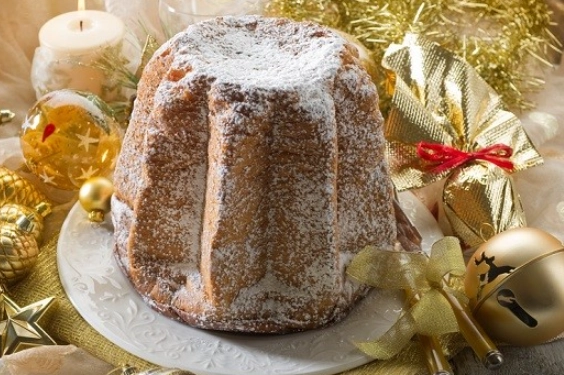
You can't go wrong with a classic Lasagna al Forno (though note, in many homes, this is a Christmas Eve dish). A show-stopping Risotto—with porcini mushrooms, or maybe a luxurious saffron and seafood version—is another winner. In many central regions, a rich meat broth with Tortellini or Cappelletti (little stuffed pasta hats) is the undisputed champion. The filling is usually a mix of meats (pork, mortadella, parmesan), and the broth is golden and clear. It's soul-warming stuff.
Il Secondo: The Main Event(s)
Here's where things get serious. The secondo is the protein centerpiece. Often, there isn't just one.
The Meat Lover's Paradise
Arrosto Misto: A mixed roast. This could be a roast turkey (tacchino) or capon (cappone) alongside a roast of pork loin (arista) or veal. The juices from each mingle to create an incredible base for gravy.
Vitello Tonnato: Sliced, cold roast veal covered in a creamy, piquant tuna-caper-anchovy sauce. Sounds weird, tastes incredible. It's often served as part of the antipasti or a light secondo.
Bollito Misto: A Northern Italian classic. An assortment of boiled meats (beef, cotechino sausage, chicken, tongue) served with pungent green sauce (salsa verde) and mostarda. It's about the quality of the meat and the sauces.
And let's not forget the contorni (side dishes). These aren't an afterthought. Expect roasted potatoes, braised bitter greens like chicory or escarole, and often a festive Insalata di Rinforzo – a cauliflower salad pickled with olives, peppers, and anchovies that "reinforces" the meal and gets better over days.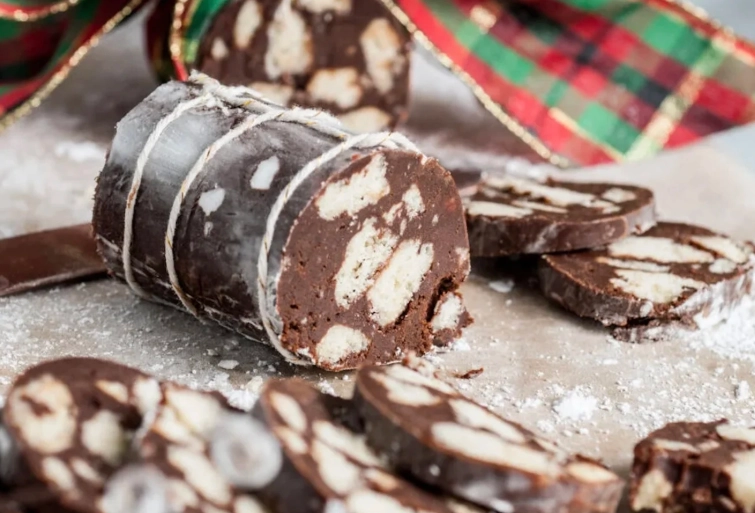
Il Dolce: The Sweet Finale
Christmas desserts in Italy are a universe of their own. They are often rich, spiced, and nut-based, designed to last through the holidays.
Panettone and Pandoro are the national superstars. The age-old debate? Panettone (with candied fruit) vs. Pandoro (a golden, buttery, star-shaped dusted with sugar). I'm team Pandoro, personally—the texture is like eating a cloud. But you should have both. Then there's Panforte from Siena (a dense, chewy slab of nuts, fruit, and spices), Torrone (nougat), and various regional ricotta-filled pastries.
Pro Tip: Don't try to make panettone from scratch unless you're a professional baker with days to spare. Even most Italians buy theirs from a trusted pasticceria. Focus your energy on the savory courses.
A Regional Tour: What to Cook Depends on Where You're From
This is the fun part. Asking what to cook for an Italian Christmas in Milan gets a different answer than in Naples. Here’s a quick tour.
| Region | Christmas Eve (La Vigilia) | Christmas Day (Natale) | Signature Dish You Must Know |
|---|---|---|---|
| Campania (Naples) | The legendary Feast of the Seven Fishes. A multi-course seafood marathon. Think fried eel (capitone), spaghetti with clams, baked fish, seafood salad. | Hearty, meat-based. Lasagna Napoletana (ricotta, meatballs, sausage), roast lamb or capon, braised greens. | Spaghetti con le Vongole (with clams) for Christmas Eve. Lasagna di Carnevale (rich meat lasagna) for Christmas Day. |
| Emilia-Romagna (Bologna) | Often a lighter fish meal, but the focus is on the 25th. | The kingdom of stuffed pasta. In broth: Tortellini or Cappelletti. As a baked dish: Lasagne Verde al Forno (with spinach pasta). Followed by Bollito Misto or roast meats. | Tortellini in Brodo. This is sacred. The broth should be clear, golden, and deeply flavorful. The pasta filling is a closely guarded family secret. |
| Sicily | Also a fish feast. Baccalà (salt cod) in various forms is a staple. | Can involve pasta with a rich pork or lamb ragù. A showpiece like Farsumagru (a stuffed beef roll) is common. | Pasta con le Sarde (pasta with sardines, fennel, pine nuts, raisins) for a unique sweet-savory flavor. Cassata Siciliana for dessert. |
| Piedmont | Often includes Agnolotti del Plin (tiny pinched ravioli) in a rich meat sauce. | Game meats, braised meats, Bollito Misto with its array of sauces. Truffles might make an appearance if the budget allows. | Agnolotti del Plin (in butter and sage or a meat ragù). Brasato al Barolo (beef braised in Barolo wine). |
The Southern Seafood Tradition: La Vigilia
If you're drawn to the seafood tradition, the Festa dei Sette Pesci (Feast of Seven Fishes) on Christmas Eve is a magnificent challenge. The "seven" is symbolic (it can be 9, 11, 13). The point is abundance and avoiding meat. Dishes are often fried, baked, boiled, and served in a procession. It's vibrant, messy, and incredibly rewarding. Start planning this one early – sourcing fresh, varied seafood is key.
Your Practical Game Plan: How to Actually Pull This Off
Okay, inspiration is great. But let's get tactical. Here’s a realistic approach to deciding what to cook for an Italian Christmas dinner, especially if it's your first time.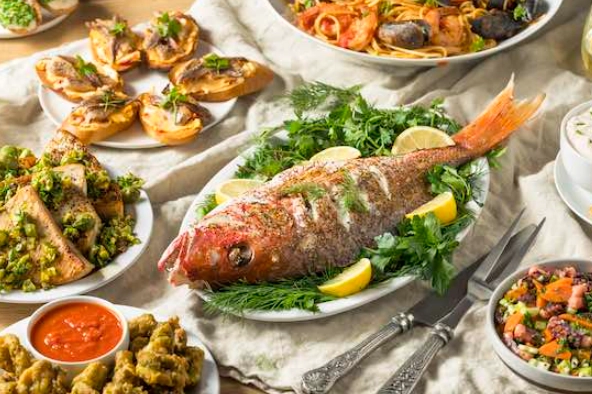
Step 1: Choose Your Regional Inspiration
Don't try to cook dishes from five different regions. Pick one as your guiding star. It creates a more coherent menu. Love rich meat sauces and stuffed pasta? Look to Emilia-Romagna. Want a brighter, seafood-centric start? Look to Campania or Sicily.
Step 2: Build a Balanced, Doable Menu
You are not a restaurant. Scale for your kitchen and your energy. A stunning, achievable Christmas Day menu for 6-8 people could look like this:
A Manageable & Festive Christmas Day Menu
Antipasti: A curated board. Buy excellent prosciutto, salami, a few cheeses (Pecorino, Gorgonzola), good olives, and some roasted almonds. Arrange beautifully. (90% can be done days ahead).
Primo: Butternut Squash & Sage Risotto OR Fresh Tagliatelle with a Wild Mushroom Ragù. Choose one. A great risotto is a showstopper but requires last-minute focus. A pasta with a ragù you make days in advance is less stressful.
Secondo: Herb-Roasted Capon or Turkey with a simple pan gravy. More forgiving than multiple roasts. Serve with Roasted Potatoes & Root Vegetables and Braised Cavolo Nero (Tuscan kale).
Dolce: Store-bought Panettone/Pandoro with whipped mascarpone cream. Maybe a simple Chocolate Salami you can make ahead. No one will complain.
See? That's ambitious but not insane. It answers the core question of what to cook for an Italian Christmas with sanity intact.
Step 3: The Master Timeline (This is the Secret Sauce)
Failure to plan is planning for a 5 PM panic attack. Trust me.
3-4 Days Before: Shop for all non-perishables, wine, cheese, cured meats. Make dessert if applicable (e.g., chocolate salami). Make any meat ragùs or braises for pasta. They taste better after a few days.
2 Days Before: Shop for fresh vegetables. Make any antipasti components like marinated veggies. Make pasta dough if doing fresh pasta (rest in fridge).
1 Day Before: Shop for fish/meat. Prepare the bird/roast (season it, tie it, leave it in the fridge uncovered for crispy skin). Set the table. Chop vegetables for sides and store in containers. Make sauces like salsa verde. You should be 70% done.
Christmas Morning: Put the roast in. It will likely take longer than you think. Prepare the risotto ingredients (have broth warm). Final veggie prep.
3 Hours Before Serving: Start roasting vegetables. Take cheese out to come to room temp.
1 Hour Before: Assemble antipasti board. Let the roast rest (CRUCIAL).
30 Minutes Before: Cook the primo (risotto/pasta). Reheat contorni.
Serve. Eat. Breathe. Enjoy.
The timeline is your best friend. It turns an overwhelming project into a series of small, manageable tasks.
Final Thoughts: It's About the Spirit
At the end of the day, figuring out what to cook for an Italian Christmas is about embracing a certain spirit. It's generous, it's a little over-the-top, and it's deeply connected to sharing.
Don't get so lost in the perfection of the arista that you forget to pour the wine and laugh with your family. The best Italian meals I've had, Christmas or otherwise, were the ones where something was slightly burnt, the pasta was a minute past al dente, but the table was loud and happy.
So pick your menu, make your plan, and then… relax. Light the candles, open the Prosecco, and serve it with love. That's the most important ingredient of all. Buon Natale e buon appetito!
Remember, this guide is just the start. Your own family traditions will grow from here. Maybe your signature will become that risotto, or the way you marinate the olives. That's the beautiful part. You're not just cooking dinner; you're starting a tradition. Now go forth and feast.
Related Articles
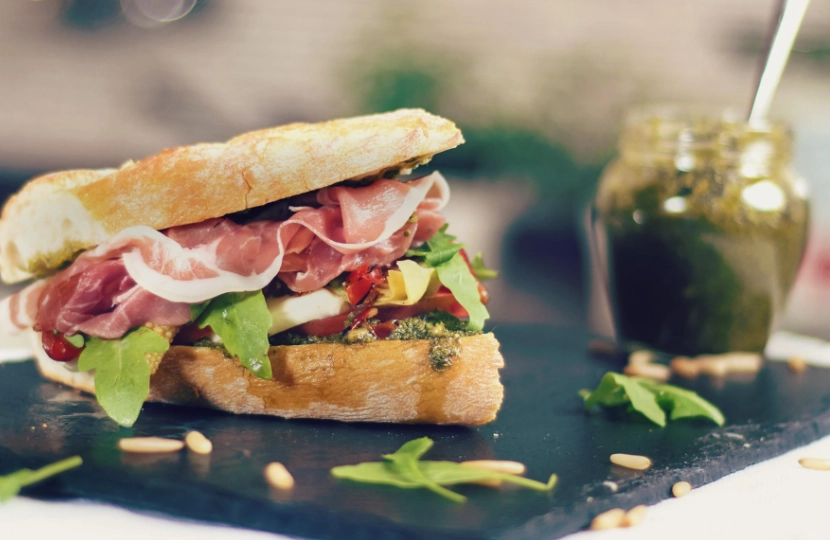
The Ultimate Italian Sandwich Recipe: A Step-by-Step Guide
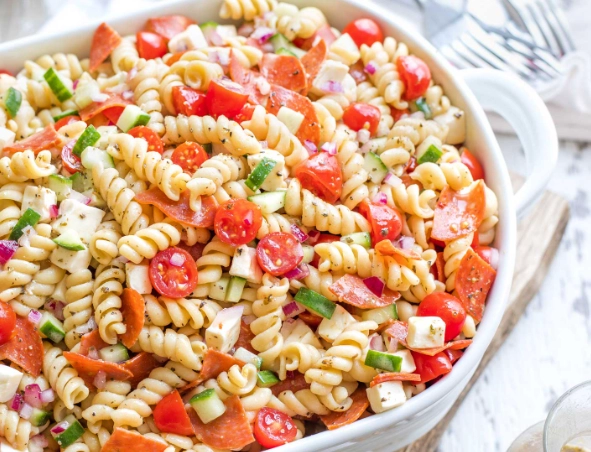
Authentic Italian Pasta Salad Recipe: Easy & Flavorful
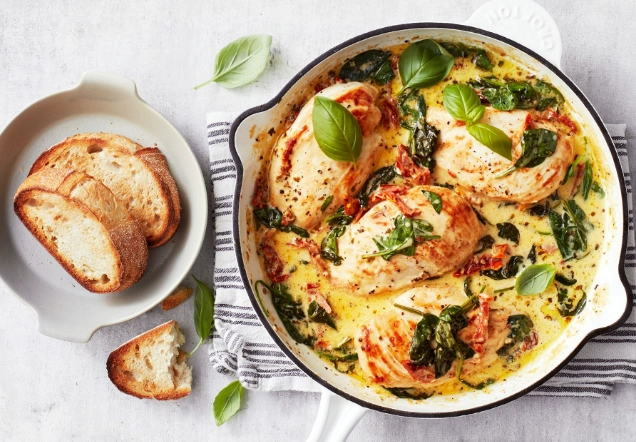
Authentic Italian Dinner Recipes from Regional Cuisines
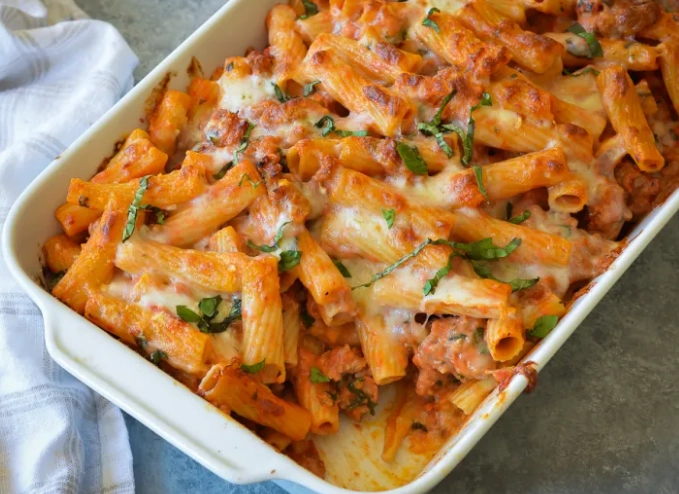
Traditional Italian Baked Ziti Recipe: Authentic Step-by-Step Guide

Tesla VS BYD: A new wave of insurance for electric car giants

Geely and Zeekr have the best semi-annual reports, half of which rely on sales g

The only Olympic TOP partner in China's consumer goods industry: Mengniu's pursu
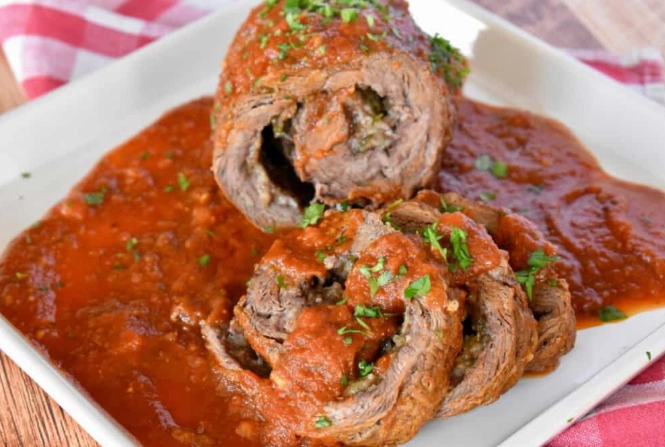
Easy Braciole Recipe: Authentic Italian Beef Rolls Made Simple

The State Administration of Financial Supervision: Commercial banks have release

Pinduoduo invested 10 billion to support new quality merchants, and continued to
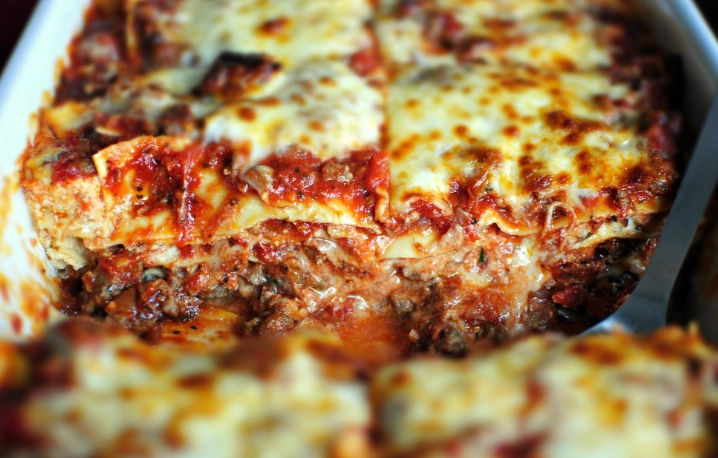
Easy Traditional Italian Recipes for Home Cooks
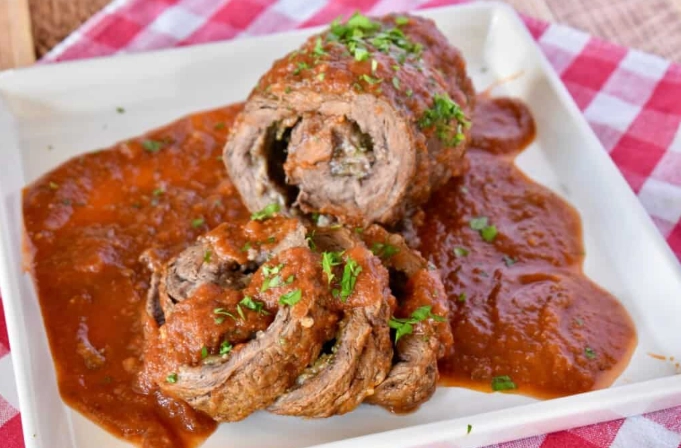
Ultimate Braciole Recipe: Authentic Italian Beef Rolls in Tomato Sauce
4 Famous Italian Pastas: Types, History & Cooking Guide

The fourth wave of internationalization of global auto companies, how can China

Is Xiaomi Auto dumped?
Authentic Italian Recipes: Secrets from a Roman Kitchen

Why did China Resources take over Tasly?
Italian Sausage Soup: Authentic Recipes & Pro Tips

Sold out! BYD official: The order is extremely large, the stock price has risen
What to Cook for an Italian Christmas: The Ultimate Feast Guide
Traditional Italian Dinner Party Recipes: An Authentic Menu from Start to Finish
Chopped Italian Sandwich Recipe: Step-by-Step Homemade Guide
Perfect Pairings: What to Serve with Italian Sausage for Dinner
Authentic Italian Dessert Recipes: Easy Tiramisu, Cannoli & More
The Ultimate Authentic Italian Hoagie Recipe: Make the Classic Philly Sandwich at Home
Authentic Italian Beef Recipe: The Ultimate Chicago-Style Sandwich Guide
Authentic Carbonara Recipe: Traditional Italian Pasta Without Cream
Authentic Italian Dessert Recipes: From Tiramisu to Cannoli
Easy Italian Dinner Recipes You Can Make Tonight
Leave a Comment