Italian Christmas Dinner 7 Fishes Guide: Traditions & Recipes
What’s Inside
Let's talk about one of the most delicious Christmas traditions out there. If you've ever been invited to an Italian-American home on Christmas Eve, you know the scene. The air is thick with the smell of garlic, olive oil, and simmering tomato sauce. The table, usually extended with extra leaves, groans under the weight of platters. But here's the thing – it's not a meat fest. It's a seafood extravaganza known as the Italian Christmas dinner 7 Fishes, or more formally, the Feast of the Seven Fishes (La Festa dei Sette Pesci).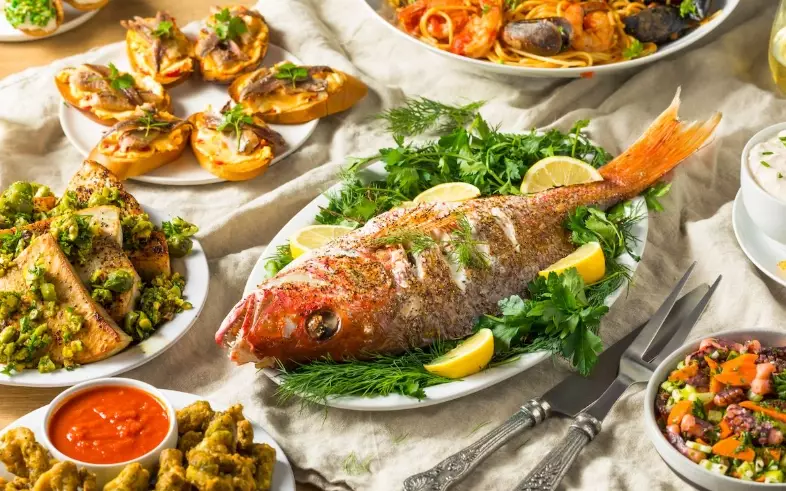
I remember the first time I experienced it. A friend's nonna was in charge, and the planning started weeks before. There was a quiet intensity to it, a ritual. It wasn't just dinner; it was an event, a story told through food. But when I tried to learn more, I found a mix of beautiful family stories and a whole lot of confusion. Is it always seven? Which seven? Do you have to be Italian to pull it off?
This guide is my attempt to unpack all of that. We'll dig into the roots, navigate the regional twists, and most importantly, give you a practical roadmap to creating your own memorable Feast of the Seven Fishes. Forget the stress – let's focus on the joy (and the incredible food).
Why the obsession with seven? Ah, the million-dollar question. You'll hear theories about the seven sacraments, the seven days of creation, the seven hills of Rome, or the seven virtues. The truth? No one knows for sure. Food historians like those referenced by the Italian National Tourist Board often note that the number seven holds deep symbolic meaning in Catholicism, which is likely how it got attached to this primarily Southern Italian, Catholic vigil tradition. The "feast" as we know it today really blossomed in Italian-American communities, a way to celebrate abundance in the New World.
What's Actually on the Menu? Decoding the Seven Fishes
This is where families diverge, and that's perfectly okay. There's no Vatican-approved menu. The selection often depended on what was available, affordable, and preferred by the family's region of origin. Southern Italy has a long coastline, so traditions from Campania, Sicily, and Calabria dominate.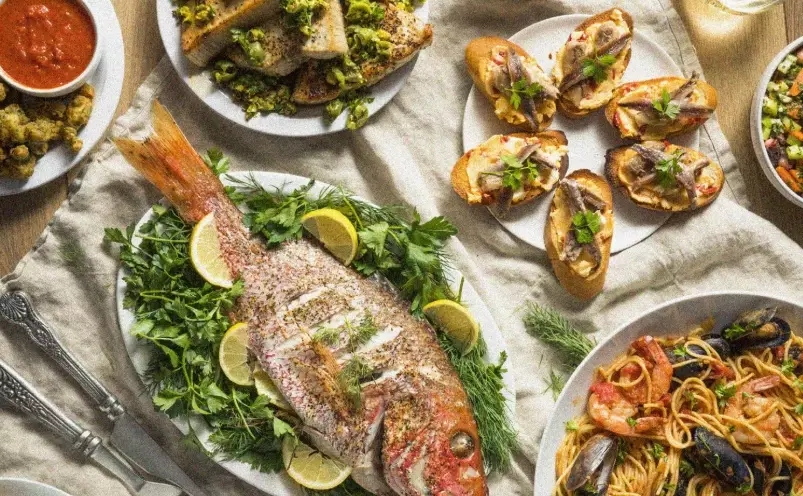
Think of the seven not as a rigid checklist, but as a framework for a multi-course, seafood-heavy meal. The goal is variety in preparation, texture, and flavor. You want a mix of fried, baked, stewed, and marinated dishes.
My friend's family, from Naples, always insisted on baccalà (salt cod). It's an acquired taste, honestly. The first time I tried it, I found it overwhelmingly salty. But prepared right – soaked for days and stewed in a rich tomato sauce – it becomes something magical, a real taste of history. Don't be afraid to include one "challenging" fish; it's part of the tradition's character.
Here’s a breakdown of the usual suspects, the classic lineup you'll find at a traditional Italian Christmas dinner with 7 fishes.
| Fish / Seafood | Common Preparation | Why It's a Staple | Modern Substitution Tip |
|---|---|---|---|
| Baccalà (Salt Cod) | Stewed in tomato sauce, fried into fritters. | Historical necessity (preserved fish), strong ties to Southern Italy. | If the soaking process daunts you, use fresh cod or hake. |
| Calamari (Squid) | Fried (calamari fritti), stuffed and baked, or in a seafood stew. | Abundant, versatile, and a crowd-pleaser when fried. | Buy pre-cleaned tubes and tentacles to save time. |
| Scungilli (Conch) | Salad with lemon, olive oil, celery, and parsley. | A prized, chewy delicacy with a distinct sea flavor. | Can be hard to find fresh; excellent quality canned or jarred works. |
| Shrimp (Gamberi) | Scampi style (garlic, white wine, butter), grilled, or in a cocktail. | Universally loved, cooks quickly, elegant. | Use sustainable wild-caught or responsibly farmed shrimp. |
| Clams (Vongole) & Mussels (Cozze) | In pasta (linguine alle vongole), steamed in white wine, or baked. | They bring the taste of the sea and create fantastic sauces. | Discard any that don't open after cooking. Always. |
| Eel (Capitone) | Traditionally fried or stewed in tomato sauce. | A very old-school, symbolic choice (longevity). | The most adventurous choice. Smoked trout or a meaty white fish can stand in. |
| Sardines or Anchovies | Fried, marinated (in saor), or in pasta. | Inexpensive, flavorful, packed with omega-3s. | Fresh sardines are fantastic grilled. For anchovies, high-quality fillets in oil are perfect for appetizers. |
See? It's less about specific species and more about the spirit. Some families count clams and mussels as one "fish" course, others count them separately. Some include lobster (aragosta) or crab (granchio) for a luxurious touch. The flexibility is built-in.
The number is a guide, not a law. I've heard of feasts with nine, eleven, or even thirteen courses. The point is abundance.
Building Your Own Feast: A Practical, Course-by-Course Plan
Okay, so you're sold on the idea. How do you actually structure this marathon of deliciousness without losing your mind? You plan it like a concert, with a lineup that flows. You don't serve all seven dishes at once. It's a procession.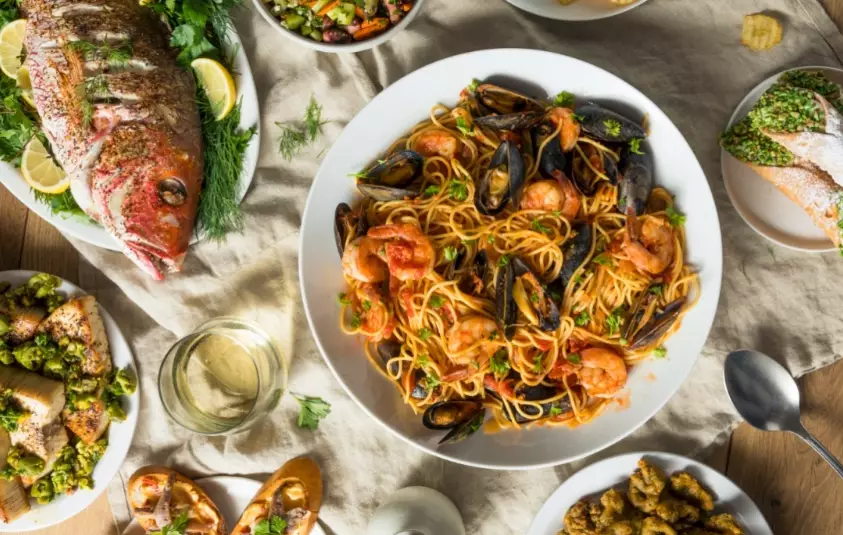
Setting the Stage: The Antipasti (Appetizers)
This is your opening act. Think light, bright, and appetite-whetting. You can knock out two or three of your seven fishes right here.
- Shrimp Cocktail, but make it Italian: Poach your shrimp in a court-bouillon with a splash of white wine and a bay leaf. Serve with a lemon wedge and a drizzle of your best extra-virgin olive oil instead of heavy cocktail sauce. Simple, elegant.
- Marinated Seafood Salad (Insalata di Mare): This is a workhorse. Poach a mix of calamari rings, shrimp, and bay scallops. Toss with scungilli (from a jar is fine here), chopped celery, red onion, parsley, lemon juice, olive oil, salt, and pepper. Let it marinate for a few hours. It's better the next day, which makes it a planning godsend.
- Anchovy Crostini: Toast thin slices of baguette. Rub with garlic. Top with a high-quality anchovy fillet (I like the ones from Cantabria), a sliver of roasted red pepper, and maybe a caper. Instant flavor bomb.
Pro-Tip for Sanity: Every single item on your antipasti platter can be made the day before. The marinated salad improves, the crostini can be assembled (minus the bread toasting), and shrimp can be cooked and chilled. Christmas Eve you're just arranging platters.
The Main Event: Primi & Secondi (First and Main Courses)
This is where you bring out the showstoppers. Traditionally, pasta comes first, followed by a more substantial fish course.
Primo Piatto (The Pasta Course): This is non-negotiable. It's the heart of the meal. A few classic options that scream Italian Christmas Eve:
- Linguine alle Vongole: The classic. White (bianco) with just olive oil, garlic, white wine, and parsley, or red (rosso) with a light tomato sauce. Use little neck clams or Manila clams. The key is to not overcook the pasta, and to toss it vigorously in the pan with the clams and their juices. A recipe from a source like The New York Times Cooking can give you a reliable technique baseline.
- Spaghetti with Anchovies and Breadcrumbs (Pasta con le Sarde): A Sicilian masterpiece. It's savory, slightly sweet from raisins, and has a wonderful crunch from toasted breadcrumbs. Don't knock the raisin-anchovy combo until you've tried it.
- Seafood Risotto: A creamy, luxurious option. Use a simple fish or shrimp stock, and fold in a mix of shrimp, scallops, and mussels at the end.
Secondo Piatto (The Main Fish Course): Now for the centerpiece. Choose one or two larger-format dishes.
- Baked Whole Fish: A beautiful branzino or orata, scored, stuffed with lemon and herbs, doused in olive oil, and baked. It's impressive and surprisingly simple. Let your fishmonger clean and scale it for you.
- Fried Feast (Fritto Misto di Mare): A huge platter of lightly battered and fried calamari, shrimp, and white fish strips. Serve with lemon wedges. It’s festive, communal, and everyone loves it. The trick is a light batter (often just flour and sparkling water) and frying in small batches so the oil temperature doesn't drop.
- Stuffed Calamari in Sauce: Tubes of calamari stuffed with a breadcrumb, garlic, parsley, and maybe chopped tentacle mixture, then simmered in a rich tomato sauce. It's time-consuming but worth every minute.
For the baccalà, if you're going for it, you need to start 2-3 days ahead. Soak the salt cod in cold water, changing the water 2-3 times a day, in the fridge. It's ready when it's pliable and has lost its intense saltiness. Then stew it low and slow with tomatoes, olives, and capers.
Navigating the Tricky Parts: Your Questions, Answered
Let's get real about the hurdles. Hosting a 7 Fishes dinner can feel daunting. Here are the questions that kept me up at night when I first planned one.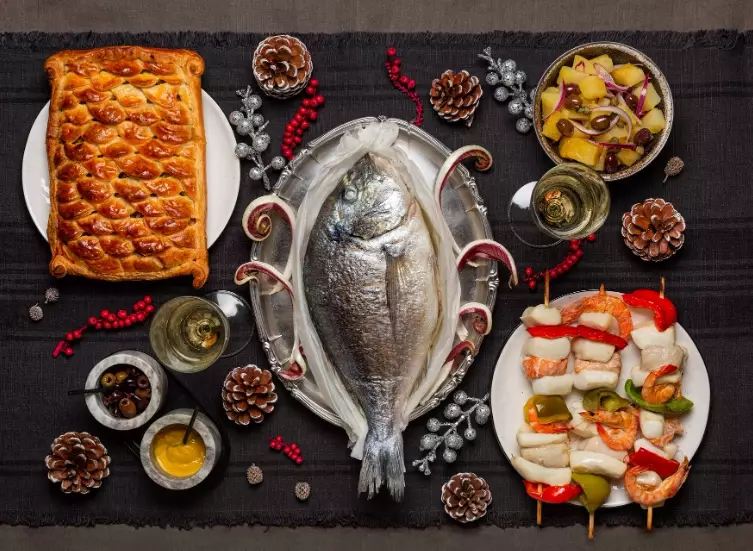
This is the most common worry. First, relax. The spirit matters more than the letter. Use one type of fish in multiple preparations. For example, shrimp can appear in the antipasti salad, as scampi for a main, and maybe in a pasta. That's three "appearances" from one ingredient. Clams can be in a pasta and served steamed on the side. Be creative with your count.
Second, sustainability and budget are real concerns. Check resources like the NOAA FishWatch for guidance on sustainable U.S. seafood. Mussels, clams, and sardines are often both sustainable and budget-friendly. Frozen, high-quality shrimp or squid are perfectly acceptable and can be more economical.
Absolutely, and you must if you want to enjoy your own party. The marinated seafood salad is a must-make-ahead. Tomato-based sauces for baccalà or stuffed calamari taste better the next day. You can clean and prep shrimp, make breadcrumb mixtures for stuffing, and even assemble baked fish dishes to go straight into the oven. The day-of should be about cooking pasta, finishing sauces, frying, and baking.
I learned this the hard way. One year, I tried to do everything from scratch on the 24th. I was a sweaty, frantic mess by the time guests arrived, and I barely tasted the food. Now, I treat the 23rd as my major prep day. It transforms the experience from stressful to celebratory.
Keep sides simple. They're supporting actors. A big, crisp green salad with a lemony vinaigrette cuts through the richness. Roasted vegetables like broccoli rabe or fennel are fantastic. For starch, maybe some roasted potatoes or a simple focaccia to soak up sauces.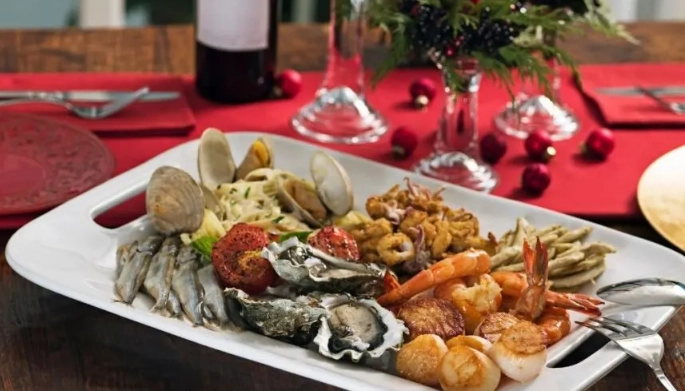
Wine? You want high acidity to pair with the sea. A crisp, mineral-driven Italian white is perfect. Think Vermentino, Fiano di Avellino, or a Greco di Tufo. A dry Prosecco or Franciacorta sparkling wine is also a brilliant start to the evening. For red drinkers (and there will be some), a light, low-tannin red like a Frappato or a Bardolino can work, especially with tomato-based dishes.
The Heart of the Matter: More Than Just a Meal
After all this talk of fish counts and recipes, it's easy to lose the plot. The Feast of the Seven Fishes isn't really about the number seven. It's about anticipation. It's about the Vigilia di Natale (Christmas Eve), a time of fasting and abstinence in the old Catholic tradition that transformed, through immigrant ingenuity, into a celebration of restrained abundance.
It's about gathering. The long, multi-hour meal forces conversation, storytelling, and connection. Kids are running around, grandparents are telling stories, the kitchen is the warm, bustling heart of the home. It's a culinary heirloom, a way to pass down culture. As food scholar and writer Fred Plotkin explores in works on Italian food culture, these meals are a primary vehicle for preserving regional identity far from the original homeland.
You don't need an Italian last name to embrace this. You just need a love for good food and good company. Start small. Maybe one year, just host a "Feast of the Three Fishes" – a marinated seafood appetizer, a beautiful clam pasta, and a shared baked fish. See how it feels.
The Final, Most Important Rule: There are no rules. Well, one: enjoy it. If your family loves salmon, include a beautiful roasted salmon. If someone is allergic to shellfish, focus on fin fish. The tradition has always adapted. In Puglia, they might eat more octopus and sea urchin. In landlocked areas of Italy, preserved fish ruled the day. Your family's preferences and your local seafood market are your guides. The goal is to create a new layer of memories around your own table, inspired by a beautiful, old tradition. That's the real spirit of the Italian Christmas dinner 7 fishes.
So go ahead. Pick your fishes, plan your courses, do as much ahead as you can, pour the wine, and gather your people. That's the magic. The rest is just delicious details.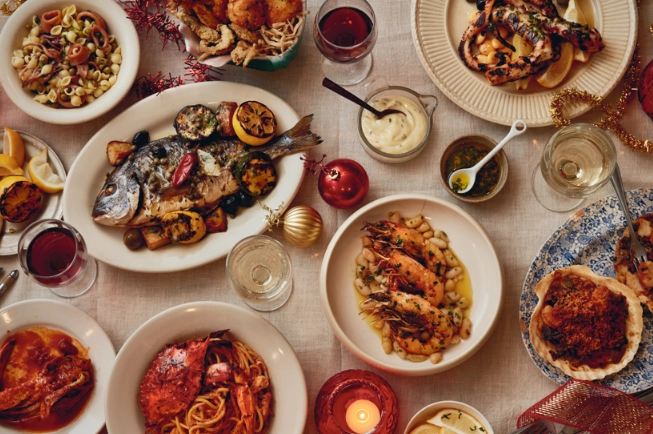
Related Articles
Master the Italian Seasoning Ratio: A Chef's Guide to Perfect Blends
The Best Italian Bread Recipe: Authentic Ciabatta at Home

Paris Notes 10: Visiting Galeries Lafayette, more than half of the "saleswomen"

Ultimate Guide to Italian Sausage Recipes: From Classic to Creative
The Ultimate Eggplant Parmesan Recipe Guide: Tips, Tricks & Troubleshooting