Ultimate Guide to the Best Recipes for Christmas in Italy
Your Festive Navigation Guide
- Act I: La Vigilia di Natale (Christmas Eve) – The Feast of the Seven Fishes
- Act II: Il Pranzo di Natale (Christmas Day Lunch) – The Grand Spectacle
- The Sweet Finale: Italian Christmas Desserts (Dolci)
- Answering Your Burning Questions (FAQ)
- Bringing It All Home: Building Your Own Italian Christmas Menu
Let's be honest. When you think of an Italian Christmas, you're not just thinking of a tree or presents. The first thing that pops into your head is the food. The incredible, marathon-like, multi-generational feast that seems to stretch on for days. It's overwhelming, beautiful, and deeply rooted in a mix of Catholic tradition, regional pride, and pure, unadulterated love for gathering around a table.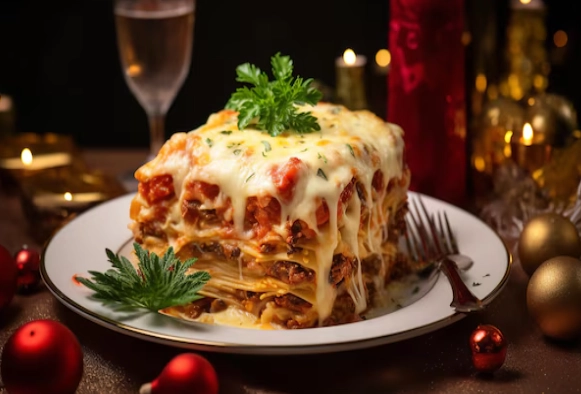
I remember my first Christmas with my friend's family in Bologna. I thought I knew Italian food. I was wrong. What unfolded wasn't just a meal; it was a meticulously planned culinary opera, with distinct acts, emotional crescendos, and a cast of dishes that each told a story. I left after two days feeling like I'd been welcomed into a secret society where the password was "pass the parmigiano."
So, if you're searching for the best recipes for Christmas in Italy, you need to understand you're not just looking for a menu. You're looking for a blueprint to a cultural experience. This isn't about one perfect dish. It's about the flow, the symbolism, and the regional variations that make it so special. Forget the generic "Italian food" list. We're going deep.
Act I: La Vigilia di Natale (Christmas Eve) – The Feast of the Seven Fishes
Christmas Eve, or *La Vigilia*, is where the magic starts for many Italian families, especially in the south. It's a meatless feast, a tradition stemming from the Catholic practice of abstinence before a holy day. But "abstinence" here means a spectacular seafood extravaganza known as the *Cena della Vigilia* or, more famously in Italian-American communities, the Feast of the Seven Fishes (*Festa dei Sette Pesci*).
The number seven is symbolic (representing the seven sacraments, the seven days of creation, etc.), but in practice, the number of courses can vary from three to thirteen. The point is abundance and variety.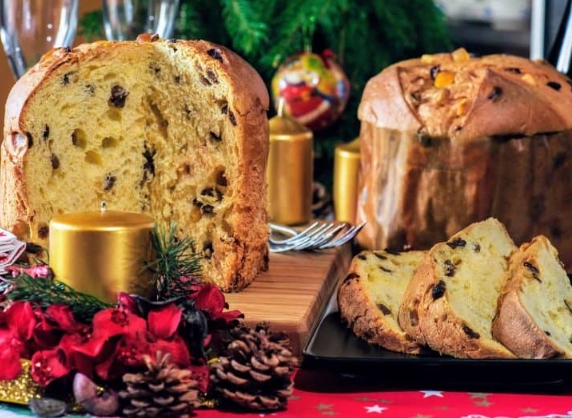
Why is this considered the starting point for the best recipes for Christmas in Italy? Because it's all about anticipation, lightness before the richness of Christmas Day, and showcasing the bounty of the sea. It's often a more relaxed, sprawling affair.
The Essential *Vigilia* Dishes & How to Nail Them
Here’s where you build your menu. You don't need to make all of these, but picking a few from each category creates that authentic rhythm.
Antipasti (Starters): This is your opening act. Keep it bright and zesty.
- Insalata di Mare (Seafood Salad): The ultimate make-ahead dish. A mix of boiled squid, shrimp, mussels, and scallops, cooled and marinated in lemon juice, extra virgin olive oil, parsley, garlic, and a pinch of chili flake. The key is not overcooking the seafood. It should be tender, not rubbery. Let it marinate for a few hours in the fridge—it gets better.
- Baccalà Mantecato: This Venetian masterpiece is a labor of love, but oh, is it worth it. Salted cod is soaked for days to rehydrate and desalinate, then poached and whipped with olive oil into a light, fluffy, savory mousse. Served on crostini. It's rich, elegant, and deeply flavorful. If you're up for a project, this screams "special occasion." You can find reliable preparation guidelines from reputable sources like the Italian cooking academy, Giallo Zafferano, though their exact recipe is behind a paywall, the technique descriptions are solid.
- Frittura di Paranza: A mixed fry of small whole fish (like smelt or whitebait) and squid. Lightly floured and fried until impossibly crisp. Squeeze lemon over everything. It's messy, fun, and absolutely irresistible.
Primi Piatti (First Courses): Pasta, of course. But here, it's all about the sea.
- Spaghetti con le Vongole (Spaghetti with Clams): This seems simple, but it's a dish where purity reigns supreme. The debate is white (*bianco*: oil, garlic, wine, clams) vs. red (*rosso*: with tomatoes). For *Vigilia*, I lean white—it feels cleaner and lets the clam flavor shine. Use the smallest, sweetest clams you can find. Throw in some parsley at the end. Don't drown it in sauce; it should be sleek. This is, in my book, a top contender for one of the best recipes for Christmas in Italy for its elegant simplicity.
- Linguine allo Scoglio: The "seafood platter" pasta. Linguine tossed with a medley of mussels, clams, shrimp, and squid in a garlicky tomato sauce. It's celebratory, colorful, and feeds a crowd. The trick is to cook the seafood just until done, so nothing gets tough.
Secondi & Contorni (Mains & Sides): Often lighter after the pasta.
- Orata al Forno (Baked Sea Bream): A whole fish, scaled and gutted, stuffed with lemon slices and herbs (rosemary, thyme), doused in olive oil, and baked. It's dramatic, moist, and the flesh flakes beautifully. Serving a whole fish feels profoundly festive.
- Gamberi in Saor: From Venice, this is a sweet-and-sour preparation where shrimp are fried, then marinated in a tangy sauce of onions, vinegar, pine nuts, and raisins. It's a complex, intriguing flavor profile that breaks up the richer dishes.
- A simple contorno of leafy greens sautéed with garlic or a bright salad with fennel and orange slices cuts through the richness perfectly.
Act II: Il Pranzo di Natale (Christmas Day Lunch) – The Grand Spectacle
If Christmas Eve is the elegant overture, Christmas Day is the full symphony. Meat returns with a vengeance. This is the main event, typically a long, midday lunch that can last well into the evening. The structure is similar—antipasti, primi, secondi, contorni, dolci—but the flavors are richer, heavier, and more decadent.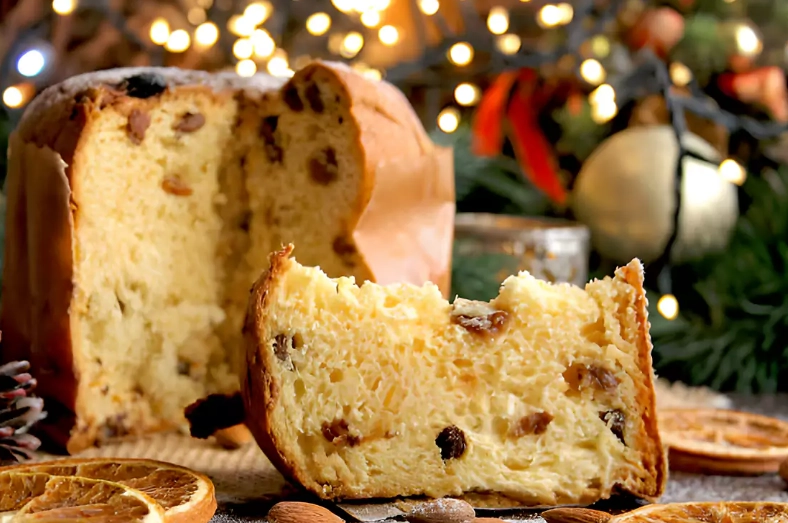
This is where regional differences really shine. In Rome, you might find *Tortellini in Brodo*. In Lombardy, *Cotechino con Lenticchie* (a giant pork sausage with lentils) is non-negotiable for good luck. In Naples, it's all about the elaborate *Timballo di Pasta* (a baked pasta pie). We'll focus on the classics that have a claim to being national favorites.
The Non-Negotiable Christmas Day Classics
Let's break down the pillars of the Christmas table. Choosing from this list is how you assemble your own best recipes for Christmas in Italy menu.
The Antipasti Spread: Less of a single dish, more of a curated tableau.
- An assortment of cured meats (*salumi*): Prosciutto Crudo, Salame, Mortadella.
- Various cheeses: Parmigiano-Reggiano chunks, Pecorino, maybe a soft Taleggio.
- Preserved vegetables: artichokes in oil, olives, pickled onions.
- Fresh breads and grissini (breadsticks).
- Maybe a rich chicken or veal liver pâté (*crostini di fegato*).
It's meant for grazing, chatting, and opening prosecco while the final kitchen chaos ensues.
In Northern and Central Italy, Tortellini in Brodo is sacred. Small, hat-shaped pasta stuffed with a mix of meats (pork, prosciutto, mortadella) and Parmigiano, served swimming in a clear, golden, deeply flavorful capon or beef broth (*brodo*). It's comforting, elegant, and leaves room for what's next. Making tortellini from scratch is a family ritual—it's time-consuming, but store-bought fresh ones are a perfectly respectable shortcut.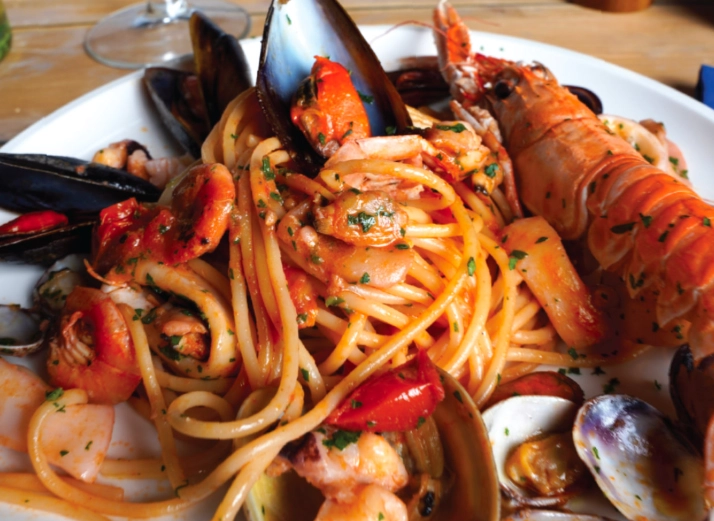
In the South, Lasagna often takes center stage. But not just any lasagna. This is a rich, baked behemoth with layers of ragù (a slow-cooked meat sauce), besciamella (béchamel), and sometimes hard-boiled eggs and meatballs. It's substantial, celebratory, and a meal in itself. Southern Italian Christmas lunches are built around it.
My take? If you want to impress with technique and subtlety, go for the tortellini. If you want to elicit groans of comfort-food pleasure and feed an army, the lasagna is your champion. Both are legitimate contenders for the title of essential best recipes for Christmas in Italy.
The Secondo Piatto: The Roast. The protein centerpiece.
- Arrosto di Vitello o Maiale (Roast Veal or Pork): A beautiful joint, often stuffed with herbs, garlic, and sometimes pancetta, then slow-roasted until tender. The pan juices make an incredible gravy.
- Cappone Ripieno (Stuffed Capon): A castrated rooster, larger and more flavorful than a chicken, stuffed with a bread-based mixture (*impanato*) containing sausage, chestnuts, and offal. It's luxurious and traditional.
- Agnello al Forno (Roast Lamb): Especially popular in central Italy. Roasted with potatoes and rosemary, the aroma is the definition of festivity.
Contorni (Sides): These aren't an afterthought.
- Patate al Forno (Roast Potatoes): Crispy on the outside, fluffy inside, cooked in the meat's roasting fats.
- Cardi gobbo in Bagna Cauda (Cardoons with Anchovy-Garlic Sauce): A Piedmontese classic. The cardoon, a celery-like thistle, is served with a warm, pungent dip of garlic, anchovies, and olive oil. It's an acquired taste but deeply traditional.
- Simple sautéed winter greens like chicory or spinach with garlic and chili.
The Sweet Finale: Italian Christmas Desserts (Dolci)
No discussion of the best recipes for Christmas in Italy is complete without the dolci. This is a world of its own, dominated by two iconic, yeasted sweet breads: Panettone and Pandoro. The rivalry is friendly but fierce.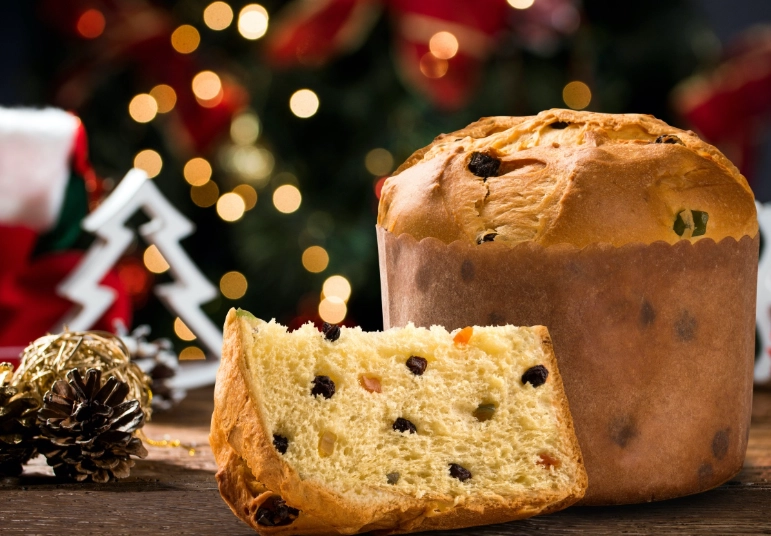
| Dessert | Origin | Characteristics | How to Serve | Personal Preference Note |
|---|---|---|---|---|
| Panettone | Milan (Lombardy) | Tall, domed shape. Dough studded with candied orange peel, citron, and raisins. Lighter, more complex flavor due to long fermentation (often over 30 hours). | Sliced vertically like a cake. Often served with a sweet wine like Moscato d'Asti or a dollop of mascarpone cream. | The quality varies WILDLY. A good artisanal one is sublime—airy, fragrant, not too sweet. A cheap supermarket one can be dry and bland. Worth splurging on. |
| Pandoro | Verona (Veneto) | Star-shaped, golden yellow. No candied fruit. Pure, buttery, vanilla flavor. Texture is incredibly soft and fine-crumbed. | Dusted heavily with powdered sugar to mimic the snow on the Italian Alps. Sliced horizontally into star-shaped pieces. | It's like eating a cloud of butter and sugar. Dangerously moreish. Less polarizing than panettone because no one fights over candied fruit. |
| Panforte | Siena (Tuscany) | A dense, chewy fruit and nut cake. Packed with almonds, hazelnuts, candied fruit, honey, and spices. Almost like a spicy, medieval energy bar. | Cut into very thin slices or small diamonds. Pairs perfectly with strong coffee or Vin Santo (a sweet dessert wine). | Intensely flavorful. A small piece goes a long way. I love it, but it's not for those who dislike chewy textures or a spice kick. |
| Struffoli | Naples (Campania) | Tiny, deep-fried balls of dough, piled into a mound or wreath, soaked in honey, and decorated with colorful sprinkles and candied fruit. | Pulled apart with fingers or a serving spoon. Messy, sticky, and fun. | The ultimate festive, shareable treat. Making them is a project—frying hundreds of tiny dough balls—but store-bought can be decent. |
| Torrone | Various (notably Cremona) | Italian nougat. Comes in two main types: *morbido* (soft and chewy, with egg whites) and *duro* (hard and crunchy, just honey, sugar, nuts). Filled with toasted almonds or hazelnuts. | Sliced or broken into pieces. A classic after-dinner treat with digestivos. | The hard version can be a dental hazard, but the flavor is incredible. The soft version is easier to love immediately. |
So, which to choose? If you want to bake one yourself, Pandoro is notoriously difficult due to the precise technique needed for its signature texture. A Panettone recipe is also a multi-day project. Frankly, most Italian families buy these from renowned bakeries. For a home cook, making Struffoli or Panforte is a more achievable and impressive feat.
Answering Your Burning Questions (FAQ)
Bringing It All Home: Building Your Own Italian Christmas Menu
Feeling overwhelmed? Don't be. You don't have to cook for 20 people over two days. The spirit is in choosing a few iconic dishes and doing them well. Here are two sample menus, one for a focused Christmas Eve, one for Christmas Day, built from these best recipes for Christmas in Italy.
- Antipasto: Insalata di Mare (make ahead)
- Primo: Spaghetti con le Vongole (cook to order)
- Secondo & Contorno: Orata al Forno with a simple green salad
- Dolce: Store-bought Panettone or Pandoro with mascarpone cream
- Antipasti: A platter of salumi, cheeses, and olives
- Primo: Homemade or quality fresh Tortellini in Brodo OR a classic Lasagna
- Secondo: Arrosto di Maiale (roast pork) with Patate al Forno
- Contorno: Sautéed bitter greens with garlic
- Dolce: A selection of Panettone, Pandoro, and Torrone
The most important ingredient? Relaxation. Italians approach these feasts with joyful chaos, not military precision. Something might burn, the pasta might be a minute overcooked, but it doesn't matter. You're together, you're eating gloriously, and you're part of a tradition that stretches back generations.
So, roll up your sleeves, pour yourself a glass of wine while you cook, and dive into creating your own version of the best recipes for Christmas in Italy. Buon Natale e buon appetito!
Related Articles
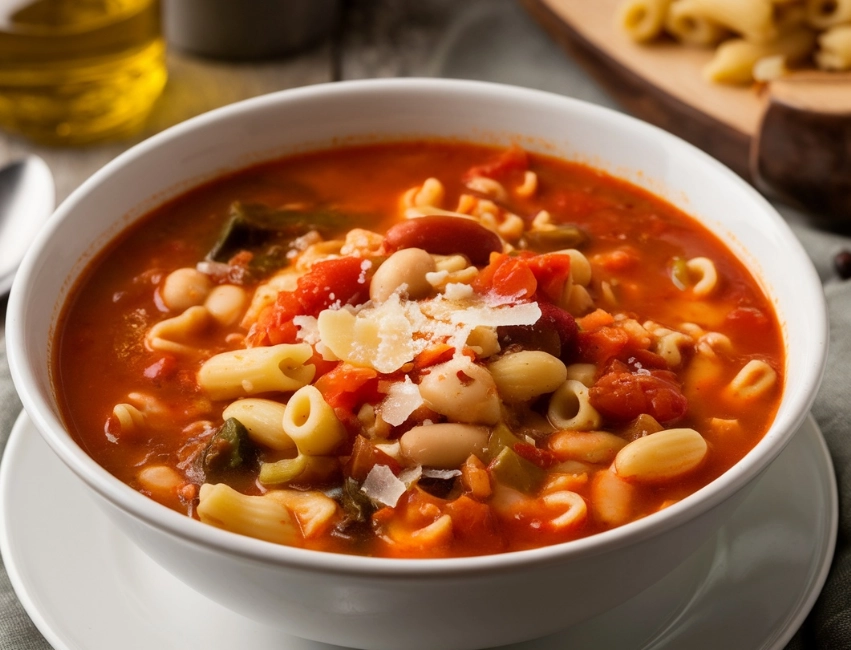
Italian Pasta e Fagioli Soup Recipe: Authentic & Easy
Italian Salad Recipe: Authentic, Easy & Delicious Step-by-Step Guide
Slow Cooker Italian Beef: The Ultimate Tender & Flavorful Recipe
Hearty Italian Sausage Soup Recipe: Easy & Flavorful Comfort Food

Pinduoduo invested 10 billion to support new quality merchants, and continued to