Authentic Italian Veal Meatballs Recipe: Tender, Juicy & Full of Flavor
Quick Guide
- Why Veal? Understanding Your Main Ingredient
- The Backbone of Flavor: Ingredients Breakdown
- The Art of Assembly: Step-by-Step to Perfect Meatballs
- The Simmer: Where Flavor Marries
- Serving, Storing, and Beyond
- Veal vs. Other Meats: A Texture and Fat Comparison
- Answering Your Meatball Questions (FAQ)
- A Note on Tradition and Regionality
Let's talk about meatballs. Not the dry, bouncy ones you sometimes get, but the kind that melt in your mouth, packed with a subtle, delicate flavor that makes you close your eyes for a second. That's what a proper veal meatball recipe Italian style is all about. It's not just another meatball; it's a lesson in texture and restraint. I remember the first time I had them in a tiny trattoria in Bologna. They were simmered in a simple tomato sauce, and they were so tender they almost didn't need chewing. I spent years trying to replicate that at home, failing more times than I care to admit. Too dense. Too bland. Falling apart in the pot. You know the struggles.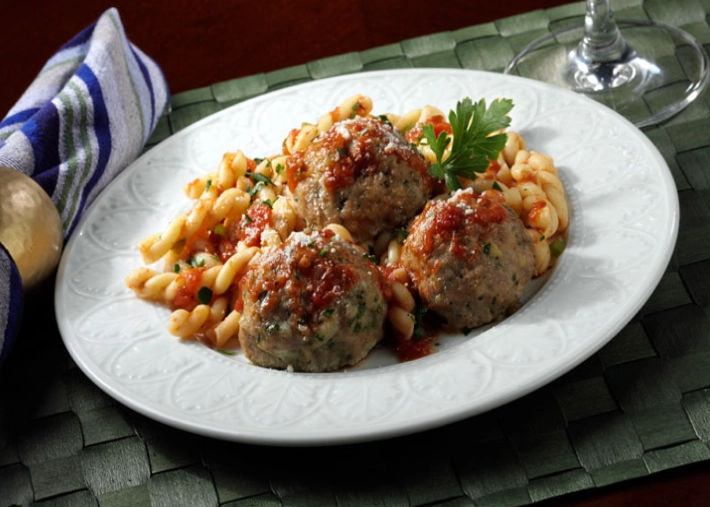
This recipe is the culmination of those trials, a mix of advice from old Italian cookbooks, tips from friends' nonnas (grandmothers), and my own stubborn kitchen experiments. We're going deep on why veal is special, how to handle it (it's more delicate than beef!), and the little secrets that bridge the gap between good and sublime. Forget the heavy, seasoned breadcrumbs overload. Authentic Italian veal meatballs are about purity and tenderness.
Why Veal? Understanding Your Main Ingredient
Before we even get to the mixing bowl, let's understand why veal is the traditional choice for this Italian style meatball in many regions, especially in the north. Veal comes from young cattle, and its meat is notably finer in texture and lighter in color than beef. It has a milder, slightly sweeter flavor that doesn't overpower the other ingredients. The fat is also more delicate and finely marbled, which contributes to that incredible, almost creamy mouthfeel when cooked properly.
Some people have ethical concerns about veal, which I totally understand. It's a personal choice. If you decide to use it, look for labels like "rose veal" or "free-range veal," which indicate better welfare standards. The quality of the meat is paramount for this recipe. If you can't find or choose not to use veal, a blend of pork and beef can work, but I have to be honest—the texture and flavor profile will be different. It'll be a good meatball, but it won't be that specific, delicate Italian veal meatball experience.
What cut to use? You want something with a bit of fat for moisture. Ground veal shoulder or leg is perfect. Avoid using veal that is too lean, or you'll end up with dry, crumbly results. I made that mistake once, and it was like eating flavorful sawdust. Not recommended.
Choosing Your Veal: A Quick Guide
Not all ground veal is created equal. Here’s what to look for:
- Color: It should be a pale pink, not grayish. Gray means it's past its prime.
- Fat Content: Look for a little white marbling. Pure, lean red meat will be too dry.
- Source: Ask your butcher. If they grind it fresh for you, that's ideal. Pre-packaged is fine, but check the date.
- Blend vs. Pure: Some butchers sell a "meatball mix" of veal, pork, and beef. For true authenticity, we're using pure veal today.
The Backbone of Flavor: Ingredients Breakdown
This isn't a dump-and-stir recipe. Each ingredient has a job. The goal is to complement the veal, not bury it. Here's what you'll need for about 20-25 meatballs, perfect for a family meal with leftovers (they freeze beautifully).
The Essential Cast
- Ground Veal: 1.5 pounds (about 700g). This is our star.
- Bread: 4 ounces (about 4 slices) of stale, crustless white bread (like ciabatta or a good country loaf). NOT dry breadcrumbs from a can. This is crucial for tenderness.
- Milk: About 1/2 cup, to soak the bread.
- Egg: 1 large egg. The binder.
- Cheese: 3/4 cup freshly grated Parmigiano-Reggiano. Please, for the love of all that is good, get a wedge and grate it yourself. The pre-grated stuff has anti-caking agents that can make your mixture gummy.
- Aromatics: 1 small yellow onion, very finely minced or grated. 2-3 cloves of garlic, minced into a paste.
- Herbs: A generous 1/4 cup of flat-leaf parsley, finely chopped. Some recipes use a pinch of nutmeg, which is lovely with veal.
- Salt & Pepper: 1 1/2 teaspoons of fine sea salt (adjust to taste) and plenty of fresh black pepper.
See? No oregano, no fennel seeds, no garlic powder. This is a northern Italian approach. The flavor is clean, letting the veal shine. The Parmigiano adds umami and saltiness, the parsley gives freshness, and the onion and garlic provide a sweet, aromatic base. The milk-soaked bread (called a "panade") is the absolute secret weapon for a tender texture. It creates a soft, moist matrix that holds the meat together without making it tough.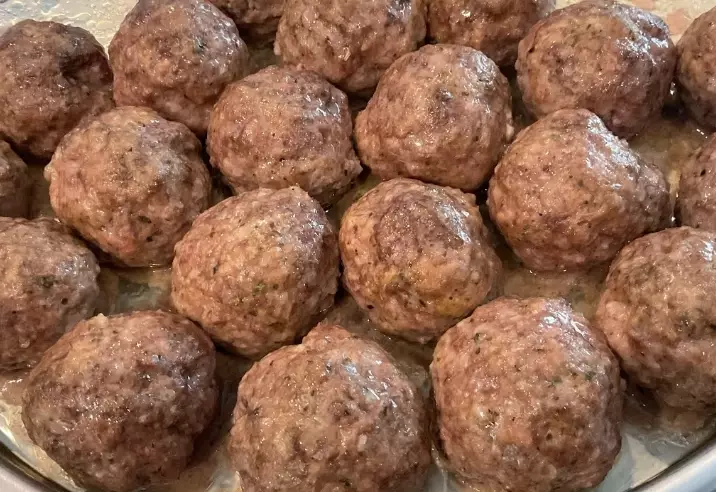
The Art of Assembly: Step-by-Step to Perfect Meatballs
This is where the magic happens, and where most people go wrong by overworking the meat. Handle it like you're handling a fragile cloud, not kneading dough.
Step 1: Create the Panade
Tear your stale bread into small pieces into a large bowl. Pour the milk over it and let it sit for 10-15 minutes. It will become a soft, mushy paste. Mash it with a fork until it's relatively smooth. This panade is your moisture insurance policy.
Step 2: Combine (Gently!)
To the bowl with the panade, add the ground veal, egg, grated cheese, minced onion and garlic, parsley, salt, and pepper. Now, use your hands. Yes, your hands. It's the best tool for the job. Mix everything together with a light, folding motion until just combined. I mean it—stop as soon as you don't see streaks of individual ingredients. Overmixing develops the proteins in the meat, leading to tough, rubbery meatballs. This should take less than a minute.
Step 3: Test and Portion
Before you shape all of them, do a test. Heat a small skillet with a bit of oil. Take a teaspoon of the mixture, flatten it slightly, and cook it for a few minutes on each side. Taste it. This is your chance to adjust the seasoning. Need more salt? More pepper? Add it to the main bowl now. Once seasoned perfectly, use a spoon or a small ice cream scoop to portion the mixture. Roll them gently between damp palms to form smooth, golf ball-sized spheres (about 1.5 inches). Damp hands prevent sticking without adding extra flour, which can toughen them.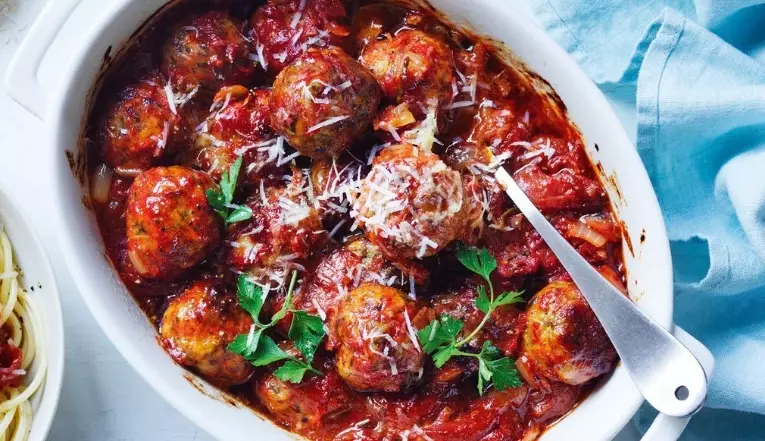
Step 4: To Brown or Not to Brown?
Here's a big debate. Many nonnas skip browning altogether for their veal meatball recipe Italian style. They plop the raw meatballs directly into the simmering sauce. The theory is that browning can tighten the exterior, making it harder for the sauce to penetrate and flavor the meatball throughout. It also keeps them incredibly tender. The downside? The sauce can become a bit cloudy from the released proteins.
I prefer a hybrid method for depth of flavor: a very light, gentle sear. Heat a few tablespoons of olive oil in a large, heavy-bottomed pot or Dutch oven over medium heat. Don't crowd the pan. Add the meatballs and let them develop just a light golden crust on one side—don't roll them around trying to brown all over. You're not trying to cook them through, just create a flavor base. This takes about 2-3 minutes per batch. Remove them and set aside.
The Simmer: Where Flavor Marries
Your pot now has delicious browned bits (fond) at the bottom. In the same pot, add another drizzle of oil if needed and sauté a finely chopped onion until soft. Add a couple of cloves of minced garlic, cook for 30 seconds until fragrant, then pour in a good-quality passata (strained tomatoes) or crushed tomatoes—about 28 ounces. Season the sauce simply with salt and a pinch of sugar to balance acidity. Let it come to a simmer.
Now, gently nestle the meatballs into the sauce. They should be mostly submerged. Bring it back to the barest simmer—a few lazy bubbles breaking the surface. Cover the pot, but leave the lid slightly ajar. Now, walk away. Seriously. Let them cook low and slow for at least 45 minutes, preferably 1 to 1.5 hours. This long, gentle cooking is non-negotiable. It allows the meatballs to become incredibly tender, soak up the sauce's flavor, and infuse the sauce with their own meaty goodness. The longer, the better. Stir very gently once or twice to avoid breaking them.
Serving, Storing, and Beyond
Serve these heavenly Italian style veal meatballs over a bed of al dente pasta like spaghetti or tagliatelle, with plenty of sauce and extra grated Parmigiano. They are also spectacular served alone as a second course ("secondo") with a simple green salad and crusty bread to mop up the sauce.
They store incredibly well. Let them cool completely in the sauce, then refrigerate for up to 3 days. I swear they taste even better the next day. To freeze, place cooled meatballs and sauce in a single layer on a baking sheet to freeze solid, then transfer to a freezer bag. They'll keep for 3 months. Reheat gently in a saucepan.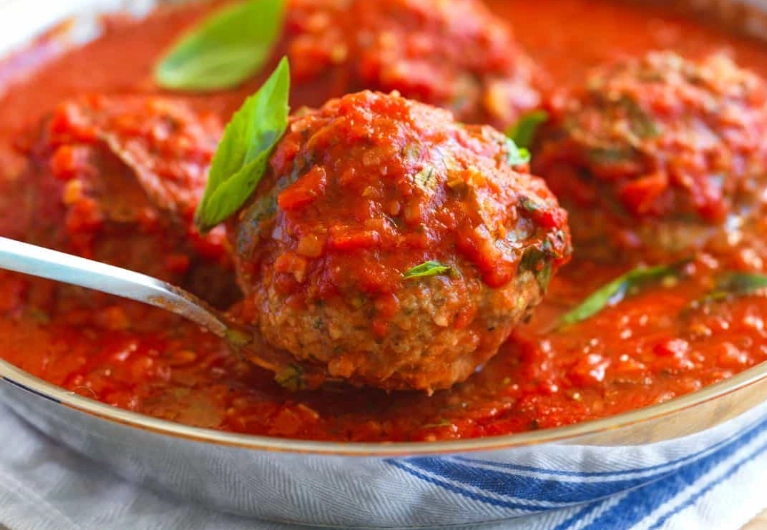
Veal vs. Other Meats: A Texture and Fat Comparison
Why is this specific recipe so different from an all-beef one? Let's break it down scientifically. The following table compares key characteristics that directly impact your final meatball. I put this together after a side-by-side taste test that was... enlightening.
| Meat Type | Fat Content & Type | Texture (Raw to Cooked) | Flavor Profile | Best For Meatballs? |
|---|---|---|---|---|
| Veal | Lower, finer, softer fat. | Very fine grain. Becomes exceptionally tender, almost creamy. | Mild, delicate, slightly sweet. | Yes, for delicate, classic Italian style. |
| Beef (80/20) | Higher, firmer fat. | Coarser grain. Can be juicy but denser, chewier. | Robust, strongly "beefy." | Good, but creates a heavier, more American-style ball. |
| Pork (Shoulder) | High, flavorful fat. | Tender, can be slightly springy. | Rich, sweet, distinct pork flavor. | Excellent in blends, can overpower veal's delicacy on its own. |
| Blend (Vea/Pk/Bf) | Variable. | Balanced—tender from veal, richness from pork/juice from beef. | Complex, crowd-pleasing. | A great, forgiving compromise. Very popular. |
As you can see, veal stands alone in the texture department. It's the choice when tenderness is the ultimate goal.
Answering Your Meatball Questions (FAQ)
I get a lot of questions whenever I share this veal meatball recipe Italian style. Here are the big ones.
A Note on Tradition and Regionality
It's important to remember that "Italian" food is hyper-regional. This Italian veal meatball recipe leans towards the style of Northern Italy (like Lombardy or Emilia-Romagna), where veal is more common and sauces are often lighter, focusing on butter, cream, or simple tomato. In Southern Italy, meatballs ("polpette") might be smaller, use more herbs like oregano, and are often made with beef or a mix, and sometimes even contain pine nuts or raisins. There's no single "right" way, but the version I've detailed here is considered a classic for a reason. For a deeper dive into regional Italian culinary traditions, the Accademia Italiana della Cucina is a fascinating resource (accademiaitalianadellacucina.it).
Making these meatballs is a commitment to slowing down. It's about feeling the texture of the panade, gently forming the spheres, and waiting patiently while the aromas fill your home. It's a weekend project, a labor of love. When you finally twirl that first forkful of pasta with a tender, sauce-soaked meatball, you'll understand. This isn't just dinner; it's a taste of a very specific, cherished corner of Italian home cooking. And now, you can make it yours. Give it a try, and let me know how your Italian style veal meatball journey goes. I promise, it's worth every minute.
Related Articles
Ultimate Guide to the Best Italian Sliders Recipe with Hawaiian Rolls
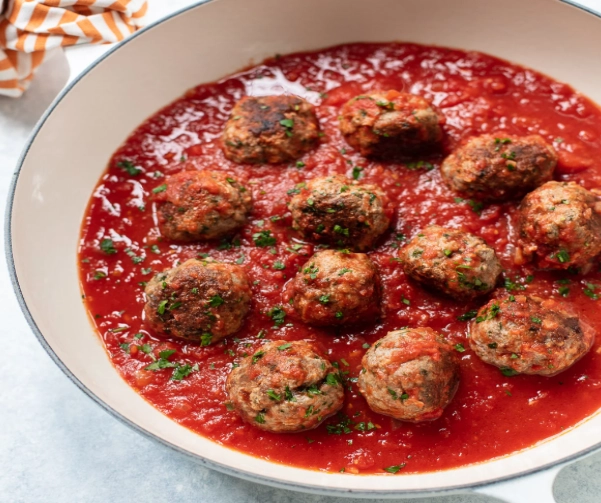
Ultimate Guide to the Best Italian Meatball Recipe
Minestrone Soup Recipe: An Italian Classic Made Simple
Italian Christmas Dinner Courses: A Complete Traditional Feast Guide
Authentic Italian Christmas Recipes: Traditional Dishes & Festive Menus