Ultimate Guide to Italian Slider Variations & Recipes
Quick Guide to Italian Slider Variations
- First Things First: The Foundation of Any Great Slider
- The Classic Variations (The Blueprint)
- Regional & Gourmet Twists (Leveling Up)
- The Creative Fusion Variations (Breaking the Rules)
- Building, Baking & Serving: The Make-or-Break Steps
- FAQs: Your Slider Questions, Answered
- Final Thoughts: It's About the Experience
So, you're here wondering, what are some variations on Italian sliders? Let's just get this out of the way: if you think they're only about slapping a tiny meatball on a dinner roll, you're in for a seriously delicious surprise. I used to think the same thing. My first attempt was a soggy, messy disaster that fell apart before it even reached my mouth. Not a great look for a party.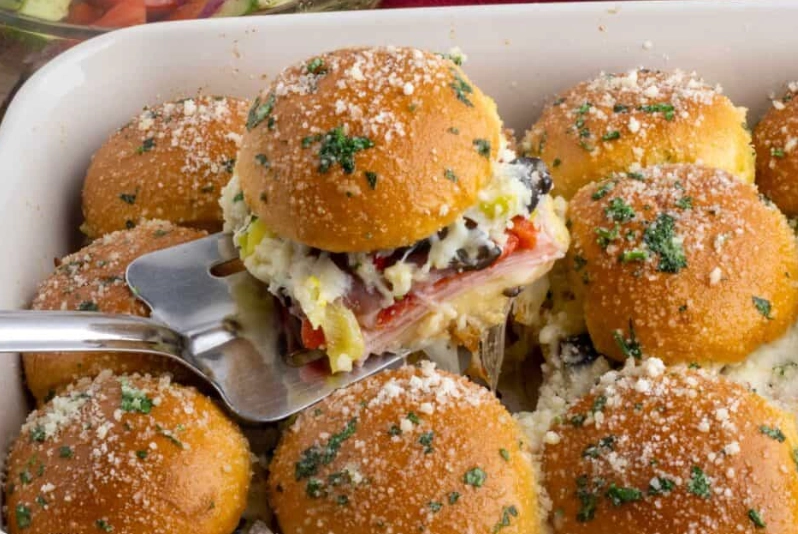
But that failure sent me down a rabbit hole. I talked to home cooks, peeked at restaurant menus (the good, family-run ones), and burned more than a few sheets of Hawaiian rolls in my oven. What I found is a whole world of flavor packed into those little buns. Italian sliders are a blank canvas, a way to serve up big Italian-American tastes in a format that's perfect for feeding a crowd without the fuss of individual plates.
We're going to move way beyond the basics. We'll dig into the classics that never fail, explore regional twists you might not have considered, and get downright creative with ingredients that might raise an eyebrow (in a good way). By the end, you'll have more answers to what are some variations on Italian sliders than you know what to do with, and more importantly, you'll know exactly how to make them work.
Here's the thing about sliders: their magic lies in the ratio. It's not just a small sandwich. It's a carefully balanced bite where the bread, the filling, the cheese, and the sauce all have to work in harmony. Get it wrong, and it's either too dry or a total mush-fest. Get it right, and people will ask you for the recipe for months.
First Things First: The Foundation of Any Great Slider
Before we jump into the variations, let's talk about the building blocks. Skip this, and even the best filling idea can fall flat.
The Bread: It's More Than Just a Vehicle
Most recipes will tell you to use those ubiquitous Hawaiian sweet rolls. And look, they're a solid choice—soft, slightly sweet, they hold together well. But they're not your only option, and sometimes they're not even the best one. The sweetness can clash with certain savory fillings.
Here’s a quick breakdown of your bread choices:
| Bread Type | Best For | Watch Out For |
|---|---|---|
| Hawaiian Sweet Rolls | Classic meatball, chicken parm, sweeter glazes. Crowd-pleaser. | Can be too sweet for salty meats like prosciutto or sharp cheeses. |
| Soft Potato Rolls | Almost everything. Rich, tender, neutral flavor. | Can get dense if over-baked with heavy toppings. |
| Small Ciabatta Rolls | Gourmet, oil-based fillings. Holds up to moisture well. | Can be too chewy if not fresh. Might require a light toasting first. |
| Brioche Buns | Luxurious, rich fillings like porchetta or truffle-infused mixes. | Expensive, and the butter content can burn if broiled too long. |
| Simple Dinner Rolls | A blank slate. Lets the filling shine. | Often lack structure; can become mushy faster. |
My personal go-to? Potato rolls. They're sturdier than they look and have a buttery quality without the overwhelming sugar. For a more rustic feel, I'll hunt down mini ciabattas. It makes a difference.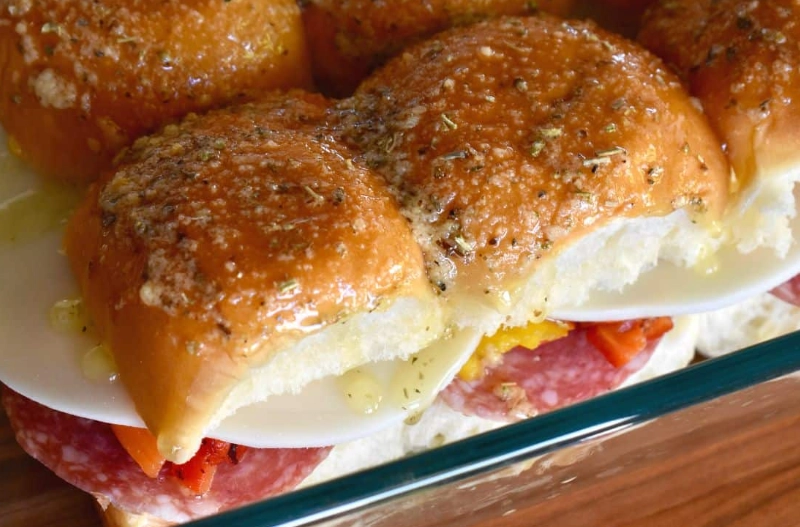
The Cheese: Melting is Non-Negotiable
You want cheese that achieves that perfect, stretchy melt. This is non-negotiable for the classic slider experience. Provolone is the undisputed king here—mild, creamy, and melts like a dream. Mozzarella is its close cousin. But don't sleep on Fontina for a nuttier flavor, or a thin slice of Taleggio if you're feeling fancy (it gets incredibly gooey).
Pro Tip: Grate your own cheese. Pre-shredded bags contain anti-caking agents (like cellulose) that prevent the cheese from melting smoothly. You'll end up with a greasy, grainy texture instead of a silky pull. Take the extra two minutes to grate a block. Trust me.
A common mistake is using too much cheese. You're not making a cheese pull video (okay, maybe you are), but you still need to taste the other components. A thin, even layer is better than a thick glob in the middle.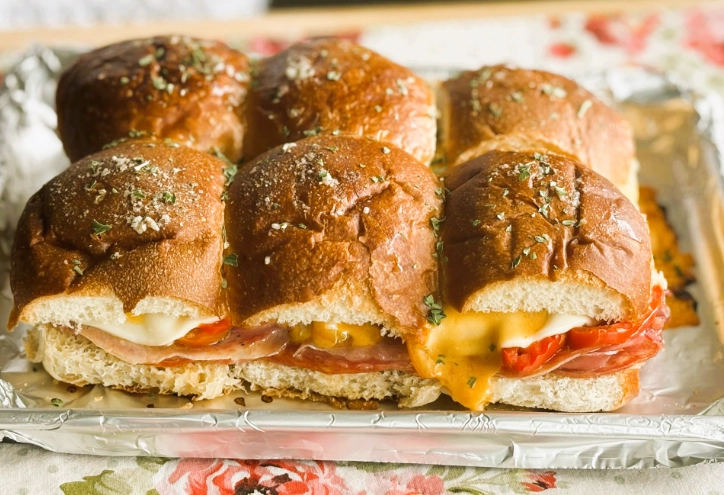
The Sauce & Spread: The Flavor Glue
This is where you can answer what are some variations on Italian sliders without even changing the main protein. The sauce can completely redefine the slider.
- Marinara: The classic. Use a high-quality, thick sauce. No watery stuff.
- Pesto: A game-changer. Basil pesto, sun-dried tomato pesto, or even a kale pesto adds a fresh, herbal punch.
- Garlic-Herb Butter: Brushed on top before baking, it creates that irresistible golden, flavorful crust.
- Pepperoncini Juice/Italian Dressing Mix: The "secret" behind many viral recipes. It adds tang and a hint of spice that soaks deliciously into the bread.
- Roasted Pepper Spread: Blended roasted red peppers with a touch of olive oil and garlic. Sweet, smoky, and vibrant.
I messed up once by using a chunky, watery salsa instead of a proper sauce. The bottom rolls dissolved into a sad, pink paste. Lesson learned: moisture control is key. Your spread or sauce should be flavorful, not watery.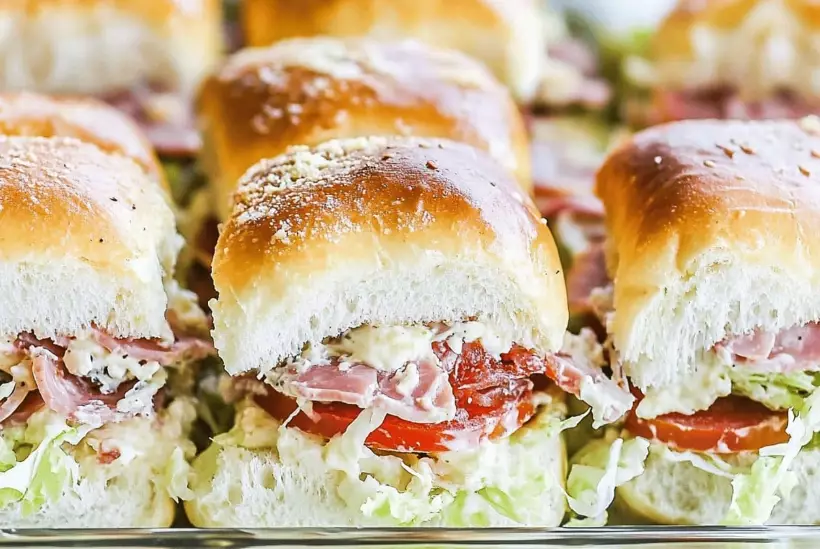
The Classic Variations (The Blueprint)
These are the pillars. Master these, and you've got 90% of parties covered. When people first ask what are some variations on Italian sliders, these are usually what they're picturing.
The Meatball Slider
The OG. The heavyweight champion. It seems simple, but the devil's in the details. Don't use giant meatballs. You want small, bite-sized ones, or better yet, flatten a meatball mixture into a thin patty that covers the whole roll. This ensures every bite has meat, cheese, and bread. I like to mix beef and pork for flavor, and a splash of milk in the breadcrumbs keeps them tender. A spoonful of marinara, a slice of provolone, bake until bubbly. Perfection.
The Chicken Parmesan Slider
This one requires a little prep but is totally worth it. The trick is using thin, pre-cooked breaded chicken cutlets (you can find them in most stores, or make your own ahead of time). Layer them on the roll, top with sauce and mozzarella. The result is all the satisfaction of chicken parm without the knife and fork. Sometimes I'll add a thin slice of pepperoni under the cheese for an extra kick.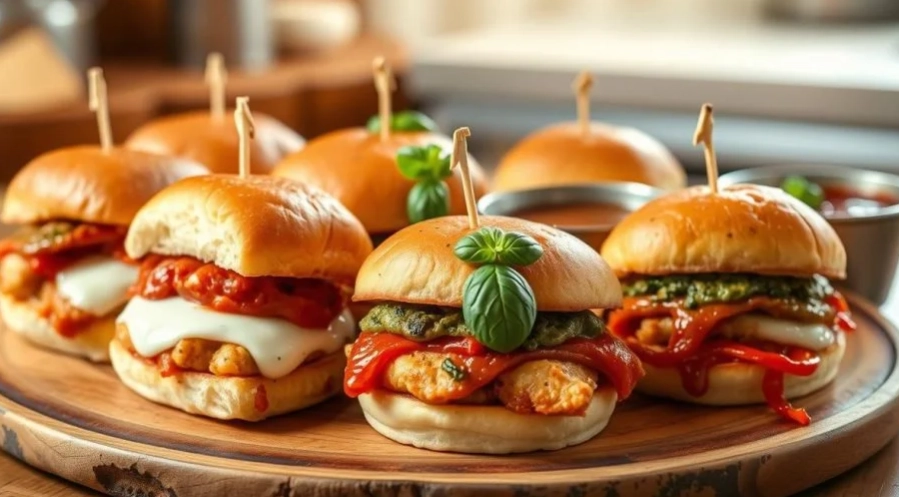
The Italian Beef Slider
Inspired by the Chicago classic, but made party-friendly. You'll need shredded, slow-cooked beef (a chuck roast in the slow cooker with garlic and herbs works perfectly) that's been simmered in its own juices or a light au jus. Pile it high on a roll with sliced giardiniera (that tangy, pickled Italian vegetable mix). The giardiniera is NOT optional—it cuts through the richness. These are messy, in the best possible way.
"The beauty of these classic sliders is their recognizability. They're comfort food in miniature form. People see them and immediately know what they're getting into—a warm, cheesy, savory bite that tastes like a favorite restaurant dish."
Honestly, you could stop right here and be a party hero. But why stop there?
Regional & Gourmet Twists (Leveling Up)
This is where we start to explore the real depth of what are some variations on Italian sliders. Italy has 20 regions, each with its own flavors. Let's borrow some inspiration.
Caprese Sliders (The Vegetarian Star)
Forget the notion that sliders need meat. These are stunningly simple and rely on top-quality ingredients. Thick slices of ripe tomato and fresh mozzarella (the kind packed in water), a fresh basil leaf, a drizzle of good olive oil and balsamic glaze, and a pinch of sea salt. Use a crustier roll like ciabatta. Don't bake these for too long—just until the cheese starts to soften. They're fresh, light, and a beautiful contrast to the heavier options.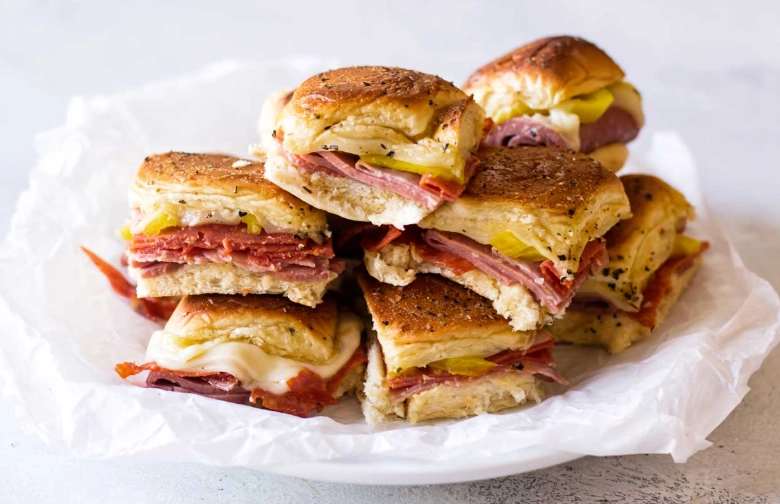
Sicilian-Style Slider with Eggplant & Ricotta
Think of a mini eggplant parmigiana, but lighter. Use thinly sliced, roasted (or breaded and baked) eggplant. Spread a layer of creamy, seasoned ricotta cheese (mix in lemon zest, salt, pepper) on the bottom roll, add the eggplant, a dot of marinara, and a sprinkle of pecorino cheese. It's earthy, creamy, and deeply satisfying. A friend who "doesn't like eggplant" devoured three of these once.
Porchetta-Style Slider
Porchetta is that incredible Italian roast pork, heavy on garlic, rosemary, and fennel. You can mimic the flavors for sliders. Use thinly sliced roasted pork loin or even good-quality deli pork roast. Season it aggressively with crushed fennel seeds, minced rosemary, garlic powder, and black pepper. Pile it on a roll with a sharp, bitter green like arugula (which cuts the fat) and a smear of garlic aioli. It's a flavor bomb.
A Word of Caution on Gourmet Twists: When you're experimenting with stronger flavors like anchovies, very bitter greens, or exotic cheeses, do a test batch first. What tastes bold and exciting to you might be overwhelming for some palates at a party. Balance is key.
Ligurian Tuna & White Bean Slider
Hear me out. This is based on a classic Ligurian salad. Mix high-quality olive oil-packed tuna with mashed cannellini beans, a squeeze of lemon, chopped red onion, and parsley. It's a protein-packed, flavorful spread that's surprisingly refreshing. Serve on a lightly toasted roll, maybe with a leaf of butter lettuce. It's a fantastic cold slider option for summer gatherings.
See? What are some variations on Italian sliders? The possibilities start to feel endless once you look beyond just the meats.
The Creative Fusion Variations (Breaking the Rules)
Now let's have some fun. Italian-American cuisine is all about adaptation, so let's adapt a little further. These might make a nonna frown, but they'll make your guests very happy.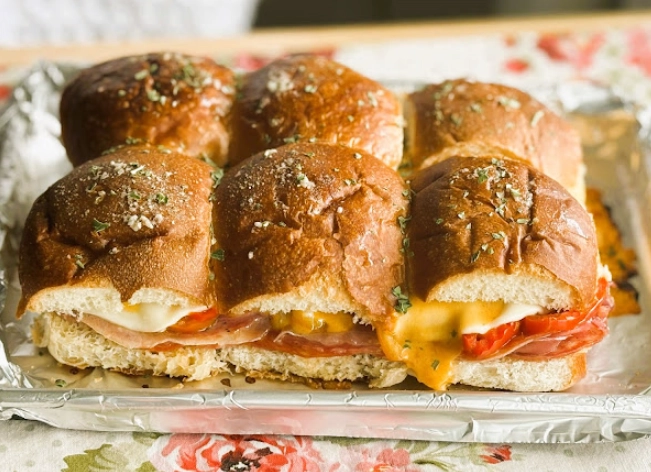
Breakfast Italian Sliders
Why should lunch and dinner have all the fun? Scrambled eggs with diced pepperoni, sautéed spinach, and shredded asiago cheese. Use a garlic-herb butter on the rolls. Bake until the eggs are just set and the cheese is melted. Perfect for a brunch crowd. I've even done a version with a frittata sliced into squares. Works like a charm.
Philly Cheesesteak... But Italian
Shaved ribeye is great, but try using shaved, seasoned steak (like from a butcher) or even thinly sliced grilled flank steak. Sauté with sliced mushrooms and onions. But instead of Cheez Whiz, use a blend of provolone and a touch of creamy gorgonzola. The tang from the blue cheese takes it to another planet. Messy, indulgent, incredible.
Pizza Slider Bake
This is the ultimate crowd-pleaser for kids and adults alike. It's less of a specific filling and more of a method. Separate your rolls but keep them connected. Layer with slices of mozzarella, pepperoni, maybe some cooked sausage, diced bell peppers, and a generous pour of marinara. Add another layer of cheese on top. Bake until it all melts together into a gooey, pizza-like mass. You pull apart rolls that are loaded with all the pizza toppings. It's not refined, but it's always the first tray to empty.
Sometimes, the best answers to what are some variations on Italian sliders come from just asking, "What else do I love to eat? Can I put it on a roll?"
Building, Baking & Serving: The Make-or-Break Steps
You've chosen your variation. Now, how do you avoid the pitfalls?
The Assembly Line
- Prep your rolls: Slice the whole sheet of connected rolls in half horizontally, creating a top and bottom "sheet." Place the bottom sheet in your baking dish.
- Layer the base spread: This is crucial. Spread a thin layer of your chosen sauce or flavored butter on the cut side of the bottom rolls. This creates a moisture barrier and infuses flavor from the bottom up.
- Add your protein/filling: Keep it even. No giant mounds in the center.
- Add cheese: Cover the filling evenly to help glue everything together.
- Top it off: Place the top sheet of rolls on. Brush the top generously with your garlic butter, herb oil, or a light coating of marinara mixed with olive oil. This gives you that gorgeous, flavorful, golden-brown top.
- Cover and bake, then uncover and broil: Cover with foil and bake at 350°F (175°C) for about 15-20 minutes to heat everything through. Then, remove the foil and broil for 2-4 minutes, WATCHING CONSTANTLY, to melt the cheese and crisp the top. This is where the magic happens.
Serving Secret: Let the sliders rest for 5-7 minutes after pulling them from the oven. This allows the cheese to set slightly and the juices to redistribute. If you cut them immediately, everything will ooze out messily. Use a very sharp serrated knife to cut along the roll lines.
Can You Make Them Ahead?
Absolutely. This is a huge part of their appeal. You can assemble the entire tray (up through step 5) the night before, cover tightly, and refrigerate. Just add 5-10 minutes to the covered baking time since you're starting from cold. The flavor often improves as the bread soaks in the sauces overnight.
FAQs: Your Slider Questions, Answered
After making these for years and fielding countless questions, here are the things people really want to know.
Final Thoughts: It's About the Experience
When you really break it down, the question what are some variations on Italian sliders is really asking, "How can I share delicious, comforting, Italian-inspired food in a way that's easy and fun?"
They're communal food. People gather around the tray, pointing, grabbing, making a little mess. The variations are endless because they're meant to be adaptable to your taste, your occasion, your guests. Start with a classic to build confidence. Then, tweak one element—the sauce, the cheese, the protein. Before you know it, you'll have your own signature variation.
Don't be afraid of a failed batch either. I've had my share. Too salty, too dry, too soggy. Each one taught me something. Now, they're my most requested party item. The key is to care about the components—good bread, properly melted cheese, balanced flavors. Do that, and no matter which path you take from the countless variations on Italian sliders, you'll end up with a winner.
Now, go preheat that oven.
Related Articles

Rescue the market requires real money, not IPO suspension
The Ultimate Guide to Making Authentic Italian Lasagna at Home

What is the Traditional Drink of Italy? The Definitive Guide

Breaking through 1.2 billion kilowatts, China has achieved its commitment to win
Authentic Italian Dessert Recipes: From Tiramisu to Cannoli
How to Assemble Italian Sliders: The Ultimate Guide for Perfect Party Food
Easy Italian Dressing Noodle Salad Recipe: Perfect for Summer
Easy Authentic Italian Minestrone Soup Recipe & Secrets
Italian Soup Recipe: Classic Minestrone & Hearty Ribollita Made Easy
Authentic Italian Recipes: Your Ultimate Guide to Mastering Classics at Home

Performance exploded! Sungrow Power Supply made a huge profit of tens of billion
Master the Classics: The Best Italian Recipes You Need to Know

Best Italian Sausage Pasta Recipes: Easy, Creamy & Spicy Ideas

Why is Dongguan's economy no longer at the bottom?
What is a Good Appetizer Before Pasta Dinner? 15+ Expert Picks & Pairing Guide
Quick Italian Starters: 10 Easy Recipes Ready in 30 Minutes
Authentic Italian Chicken Recipes: From Classic Pollo alla Cacciatora to Modern Favorites
Cold Italian Appetizers: The Ultimate Guide to Antipasti & Finger Foods
What Are the Top 10 Italian Appetizers? A Taste of Italy's Antipasto Secrets
Authentic Italian Cookie Recipes: From Biscotti to Amaretti

The reason for the surge in A-shares has been found! The Shanghai Composite Inde

Sold out! BYD official: The order is extremely large, the stock price has risen
What Side Dishes to Serve with Sausage? 15 Perfect Pairings & Recipes
Simple Italian Sausage Recipes for Dinner: Easy & Flavorful Family Meals
Make-Ahead Italian Appetizers: Stress-Free Recipes & Tips for Any Gathering
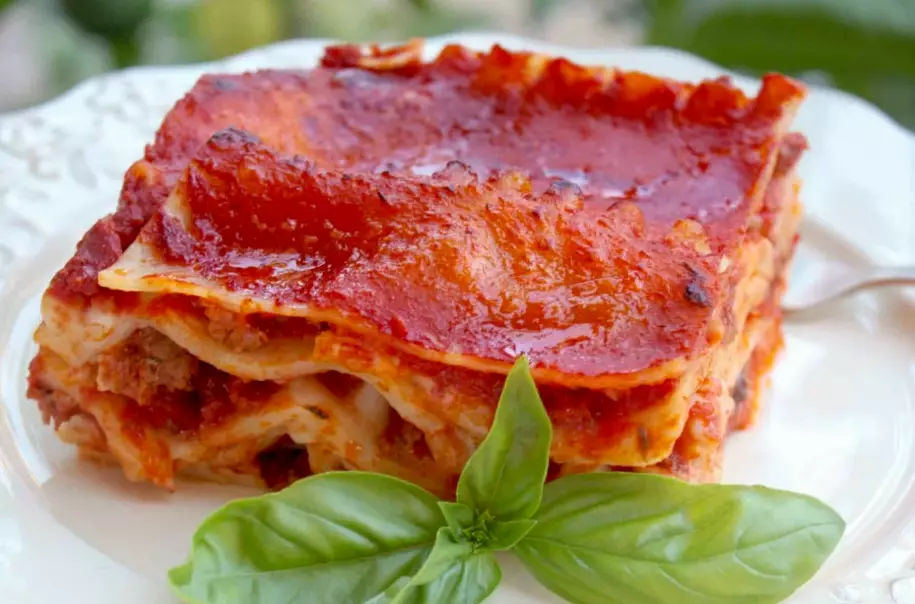
The Heart of Italy on Your Plate: Timeless Traditional Italian Recipes & Kitchen Wisdom

Authentic Italian Food Recipes: A Home Cook's Guide to Getting It Right
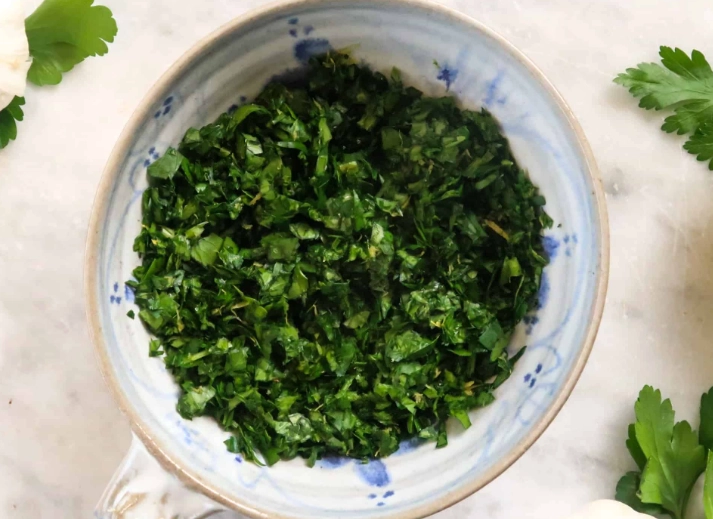
Authentic Gremolata Recipe: The Simple Italian Condiment That Elevates Any Dish
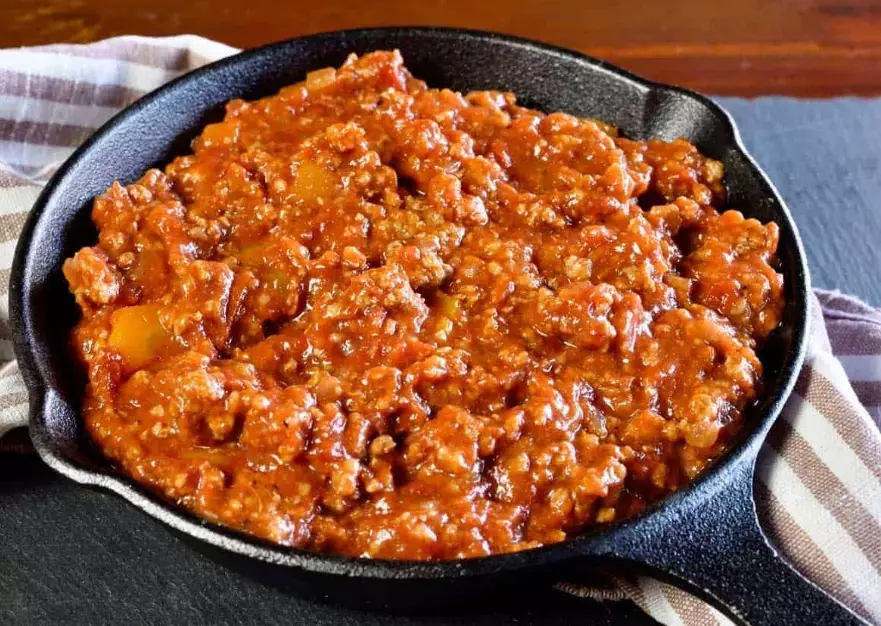
Authentic Italian Bolognese Recipe: The Real Ragù from Bologna
Leave a Comment