How to Assemble Italian Sliders: The Ultimate Guide for Perfect Party Food
Your Slider Journey Guide
Let's be real. You've probably seen those gorgeous, cheesy, herby Italian sliders all over social media. They look like the perfect party food – easy to grab, packed with flavor, and guaranteed to disappear fast. But when you actually go to make them, a bunch of questions pop up. What bread is best? Do you use pre-cooked meat? How do you keep them from getting soggy? And most importantly, how do you assemble Italian sliders in a way that actually works, not just looks good in a photo?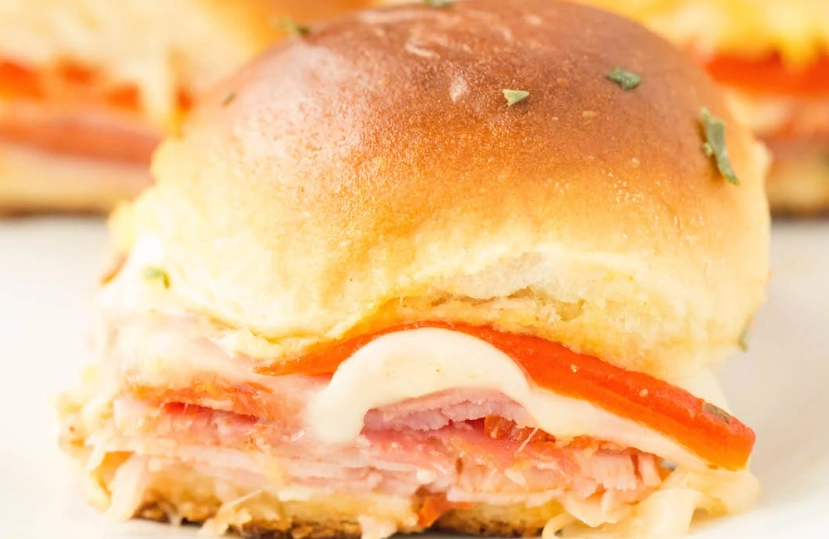
I've been there. I've made trays of sliders that came out dry, or where the bottom bun was a sad, mushy mess. It took a few fails (and some very honest feedback from friends) to nail it. So this isn't just a recipe. It's a full breakdown of the process, the why behind each step, and all the little tricks that make the difference between an okay snack and the thing everyone asks you to make again.
What Are Italian Sliders, Anyway?
Before we dive into the assembly, let's clarify. We're not talking about tiny beef patties on mini buns. Italian sliders are a specific, brilliant party creation. They typically involve a whole package of slider buns (like Hawaiian rolls or small ciabatta rolls), split in half horizontally. The bottom half gets layered with Italian deli meats (think salami, pepperoni, ham), cheeses (provolone, mozzarella), and often a flavorful spread or seasoning. The whole tray is then brushed with a buttery, garlicky glaze and baked until the cheese is melty and the tops are golden. The result? A unified sheet of deliciousness you can pull apart.
The genius is in the assembly-as-one. You're not building 12 individual sandwiches. You're creating one giant, shareable masterpiece. That's the core of knowing how to assemble Italian sliders correctly.
The Foundation: Picking Your Ingredients Wisely
Getting the assembly right starts long before you layer anything. Your ingredient choices set the stage for success or failure.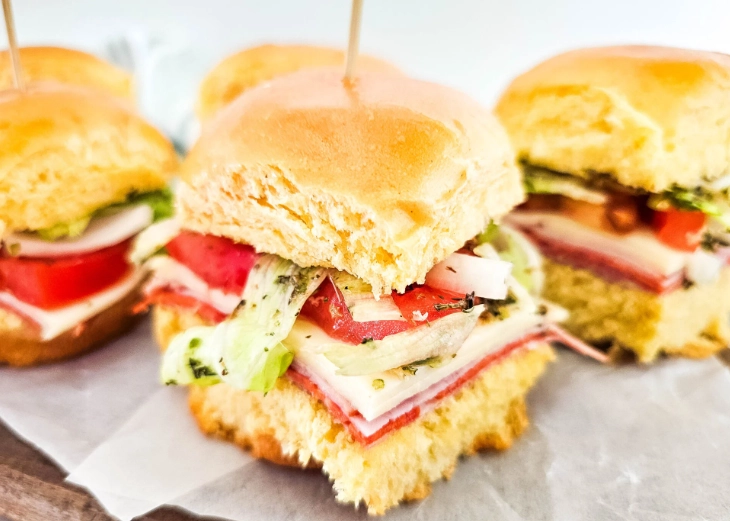
The Bread: Your Edible Plate
This is arguably the most critical choice. You want something sturdy enough to hold the moisture without dissolving, but soft enough to be enjoyable.
King Hawaiian Rolls: The classic, crowd-pleaser choice. Their slight sweetness contrasts beautifully with the salty meats. They're soft but hold together well when baked. A safe, excellent bet.
Potato Rolls or Brioche Buns: Similar rich, tender quality. Fantastic for a richer slider.
Small Ciabatta or French Rolls: My personal favorite for a more "adult" or less sweet version. They have a chewier texture and a sturdier crust that stands up to moisture like a champ. No sogginess here.
What to avoid? Super airy, fluffy white dinner rolls. They often lack structure and can turn to paste on the bottom. I learned this the hard way at a family picnic. Not a good look.
The Meats & Cheeses: The Flavor Heart
This is where you can really customize. Think of a great Italian sub and translate that to your tray.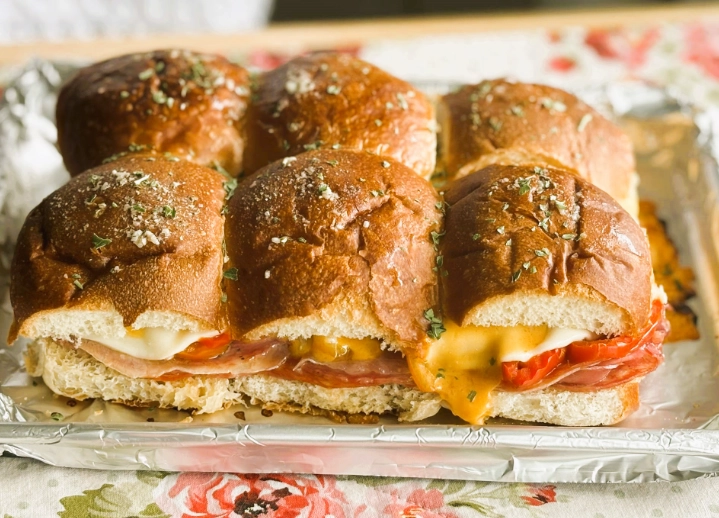
| Ingredient Type | Top Picks (The Classics) | Pro Upgrade Ideas | Why It Works |
|---|---|---|---|
| Meats | Hard Salami, Pepperoni, Ham (Capicola if you're fancy) | Hot Soppressata, Mortadella, Thin-sliced Prosciutto (add last) | You want a mix of fatty/salty (salami) and mild (ham). Variety is key. |
| Cheeses | Provolone (mild or sharp), Mozzarella | Fontina (amazing melt), Asiago (for a punch), Fresh Mozzarella slices | You need a good melter. Provolone is the MVP. Combine a melter with a flavor cheese. |
| Spread/Base | Mayo, Italian Dressing, Pesto | Sun-dried tomato pesto, Olive tapenade, Garlic-herb butter | This is your moisture and flavor barrier against sogginess. Don't skip it. |
| Toppings | Lettuce, Tomato, Pepperoncini (ADD AFTER BAKING) | Roasted red peppers, Sautéed onions & mushrooms, Arugula | Fresh/crisp items go on after baking. Cooked/wet items can be layered in. |
See, the assembly isn't just piling stuff on. It's strategic layering based on how ingredients behave when heated.
A Quick Note on Quantities
For a standard 12-pack of rolls, you'll need roughly 1/2 to 3/4 pound of assorted meats and about 1/2 pound of cheese, sliced or shredded. Don't over-stack! Too much and the sliders become impossible to eat neatly, and the bread-to-filling ratio is off. A single, even layer of each meat is plenty.
The Step-by-Step: How Do You Assemble Italian Sliders?
Okay, ingredients are ready. Let's get to the main event. This is the core process that answers the search query directly.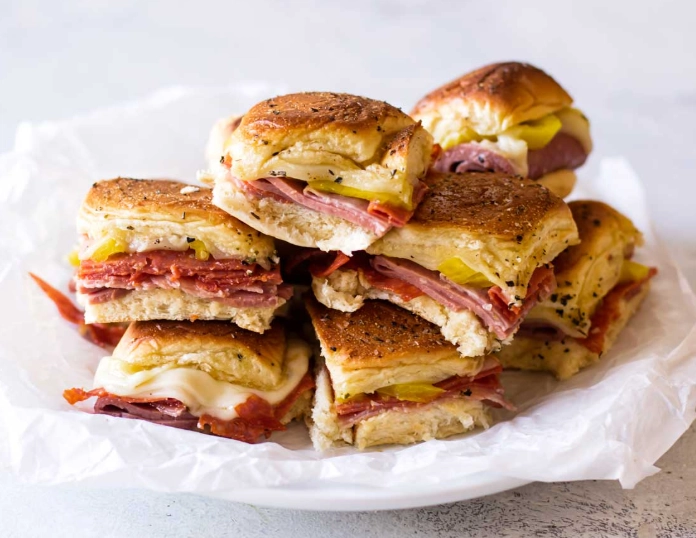
Step 1: Prep Your Pan and Bread
Grab a 9x13 inch baking dish. You can line it with parchment paper for easier cleanup, but it's not strictly necessary if you grease it well. Take your whole slab of slider buns. Without separating them, use a long serrated bread knife to slice the entire block in half horizontally, creating one giant top "lid" and one giant bottom "base." Place the bottom half in your baking dish.
Why keep them connected? This is the secret to easy assembly and serving. You're creating a unified tray.
Step 2: Create the Flavor & Moisture Barrier
This step is non-negotiable for me. Spread your chosen base evenly over the bottom bun slab. Mayo is my go-to because its fat content creates a seal. Pesto or a thin layer of Italian dressing work too. This layer does two crucial things: 1) It adds a ton of flavor right into the bread. 2) It acts as a shield, preventing meat juices from immediately soaking into the bun and making it soggy. Trust me, this one trick changes everything.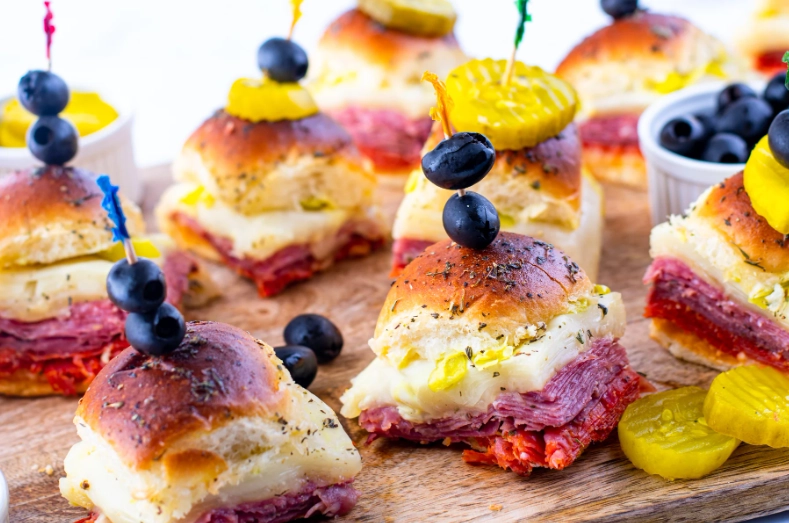
Step 3: The Layering Order (The Meat of the Process)
Here’s the exact sequence I follow every time. It's designed for optimal melt and texture.
- First Cheese Layer: Start with a thin layer of your chosen melty cheese (provolone, mozzarella) directly on the spread. This starts melting from the bottom up and glues the first meat layer down.
- First Meat Layer: Add your first type of meat, say ham. Lay the slices flat, slightly overlapping to cover the entire surface.
- Second Cheese Layer: Another light sprinkle or layer of cheese. Cheese between meat layers acts as delicious glue and ensures every bite is cheesy.
- Second Meat Layer: Add your next meat, like salami. You can slightly fold or cup pepperoni to add little cups of flavor.
- The Final Cheese Blanket: Top the entire stack with a generous, even layer of your main melting cheese. This is what will become that gorgeous, bubbly, golden top when baked.
This is the essence of how to assemble Italian sliders for perfect structure. Cheese-meat-cheese-meat-cheese. It's a symphony.
Step 4: The Lid and The Glaze
Place the top bun "lid" back on. Now, for the magic glaze that makes them irresistible. In a small bowl, melt 4-6 tablespoons of butter with a minced garlic clove, a teaspoon of Italian seasoning, and maybe a pinch of red pepper flakes. Brush this generously all over the top buns, letting it seep into the seams. Some people add a sprinkle of Parmesan or onion powder to the glaze too. Do it.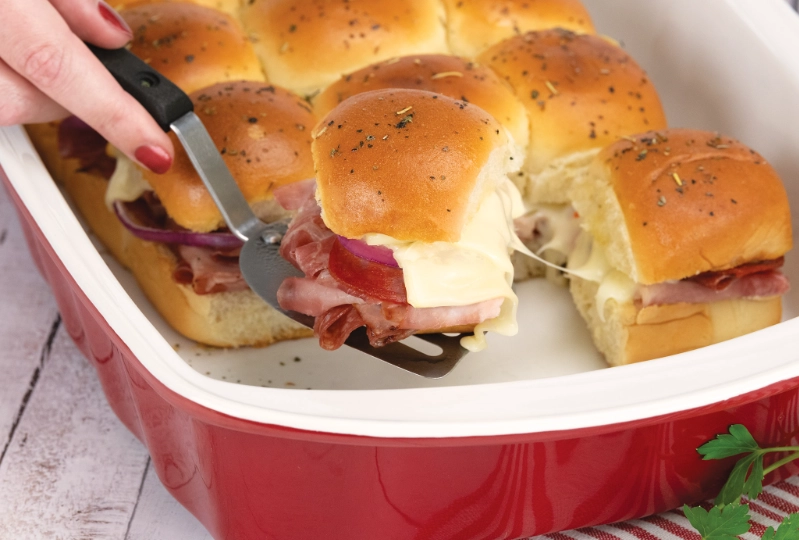
Step 5: The Bake (and The Optional Rest)
Cover the whole tray loosely with foil. Bake in a preheated 350°F (175°C) oven for about 15-20 minutes. This steams them, heating everything through without over-browning. Then, remove the foil and bake for another 5-10 minutes until the top is beautifully golden and the cheese you can see at the sides is bubbly.
Here's a pro tip I don't see often: let them rest for 5 minutes after baking. This allows the cheese to set slightly, making them easier to cut. Then, use a sharp knife to slice along the original bun lines, creating your individual sliders.
The #1 Mistake People Make (And How to Avoid It)
Sogginess. It's the slider killer. It usually comes from: 1) Using a bread that's too soft. 2) Skipping the moisture-barrier spread. 3) Adding fresh veggies like lettuce or tomato BEFORE baking. 4) Pouring a wet dressing over the top before baking. If you want those items, add them AFTER baking, right before serving. Your sliders will stay structurally sound.
Beyond the Basic: Flavor Variations and Pro Hacks
Once you've mastered the basic assembly, the world is your oyster (or should I say, your olive?).
Flavor Theme Ideas
The "Philly" Slider: Use thinly sliced roast beef, sautéed onions and green peppers, and Cheez Whiz or provolone. A different beast, but the assembly principle is identical.
The Chicken Pesto Slider: Shredded rotisserie chicken mixed with pesto and sun-dried tomatoes, topped with mozzarella.
The Breakfast Slider: Scrambled eggs, cooked sausage or bacon, and cheddar cheese. Assemble cold and bake. Perfect for a crowd.
The Ultimate Make-Ahead Strategy
You can fully assemble the sliders (up through adding the glaze) up to 24 hours in advance. Cover tightly and refrigerate. When ready, you may need to add 5-10 minutes to the covered baking time since you're starting from cold. This is a lifesaver for parties.
You can also freeze the unbaked, assembled tray. Wrap it extremely well in plastic wrap and foil. Bake from frozen, adding significant time to the covered bake phase (maybe 30-40 minutes), then uncover to brown. The texture of the bread changes slightly, but it's still very good.
Your Italian Slider Questions, Answered
Putting It All Together: Your Slider Success Checklist
So, to truly master how you assemble Italian sliders, let's summarize the key takeaways in a simple list. Print this out and stick it on your fridge.
- Bread Choice: Go sturdy. Hawaiian, potato, or ciabatta rolls.
- First Layer: Always a spread (mayo, pesto) on the bottom bun to fight sogginess.
- Layering Order: Cheese -> Meat -> Cheese -> Meat -> Final Cheese Blanket.
- Keep it Connected: Assemble the whole block of buns as one unit.
- Butter Glaze: Don't be shy. Brush it generously on top for flavor and color.
- Bake Covered First: Foil on for the first 15-20 mins to steam and heat through.
- Bake Uncovered Last: Foil off for 5-10 mins to get that golden top.
- Fresh Veggies Go Last: Lettuce, tomato, fresh onion? Add them after baking.
- Rest Before Cutting: 5 minutes makes for cleaner slices.
- Have Fun: Customize the meats, cheeses, and spreads to your taste.
Look, at the end of the day, knowing how do you assemble Italian sliders is about understanding a simple formula and then making it your own. It's forgiving. Even my "failures" were still eaten happily. But when you follow these steps—the right bread, the strategic layering, the butter glaze—you move from "hoping they turn out" to knowing they will. You'll have a reliable, crowd-feeding, minimal-fuss dish that looks like you spent hours, when really, you just understood the assembly. Now go preheat that oven. Your next party is waiting.
Related Articles

Sausage Dinner Ideas: What Meals Can I Make with Sausages?
Traditional Italian Recipes from Scratch: The Heart of Home Cooking
Authentic Italian Love Cake Recipe: The Ultimate 3-Layer Dessert Guide
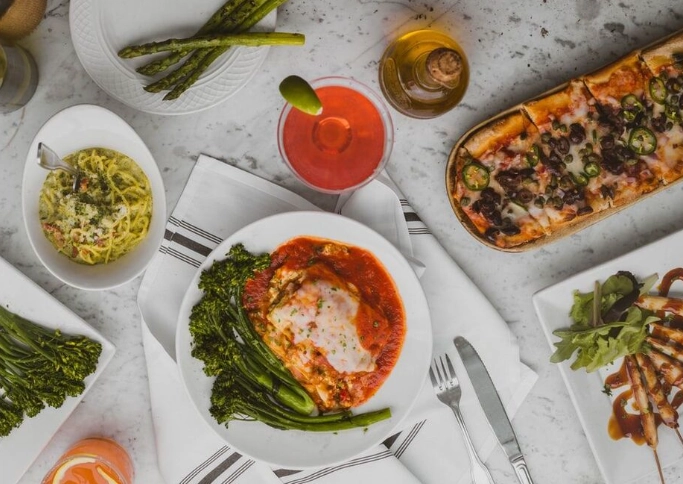
What are the 4 Classic Italian Dishes? A Food Lover's Guide
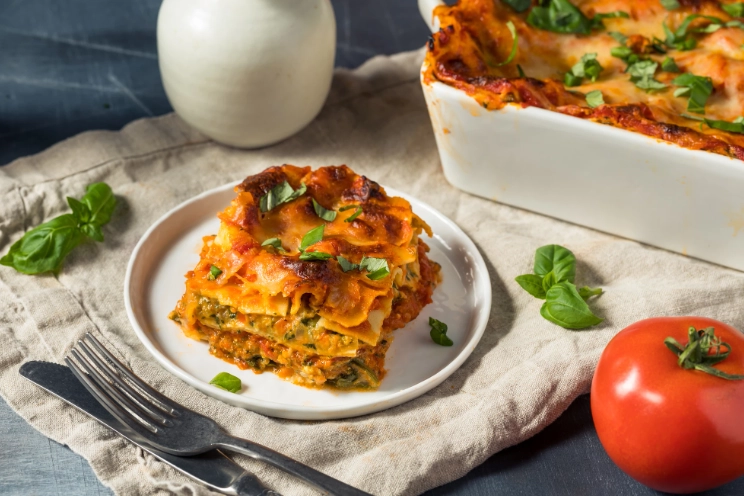
Healthy Italian Vegetarian Recipes: Flavorful Main Dishes Made Easy
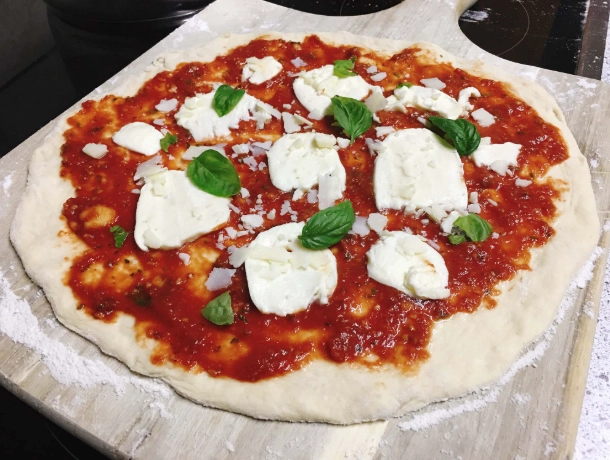
Authentic Italian Pizza Dough Recipe: A Step-by-Step Guide
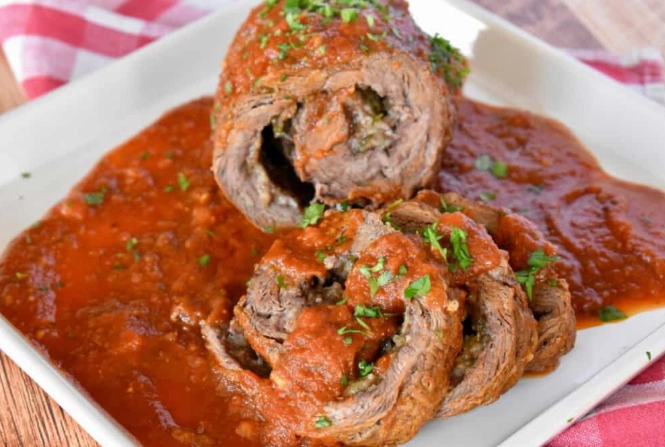
Easy Braciole Recipe: Authentic Italian Beef Rolls Made Simple

Sudden good news! The RMB surged 300 points, 4,100 A-shares rose, and banks that
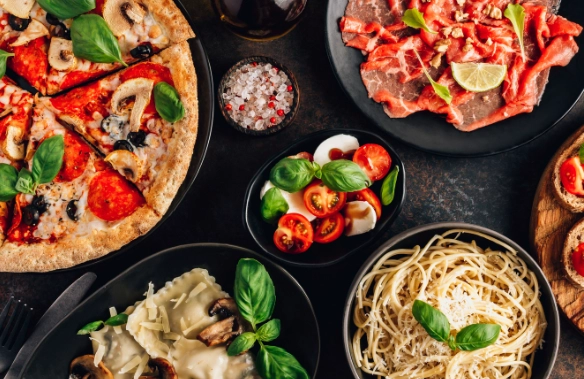
What Is Authentic Italian Food? A Guide to Regional Classics & Home Cooking
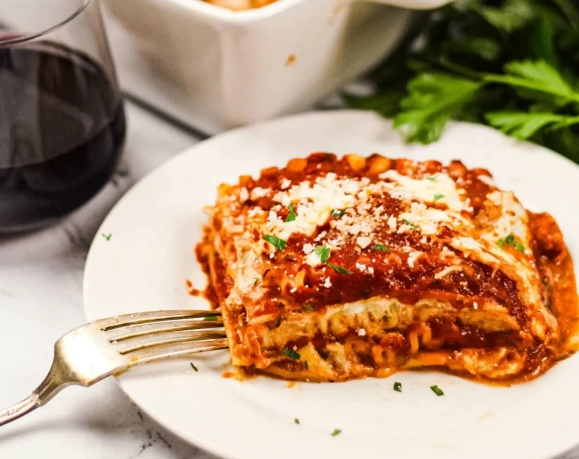
Authentic Italian Dinner Recipes & Essential Secrets Explained

Italian Vinaigrette vs Italian Dressing: The Real Difference Explained
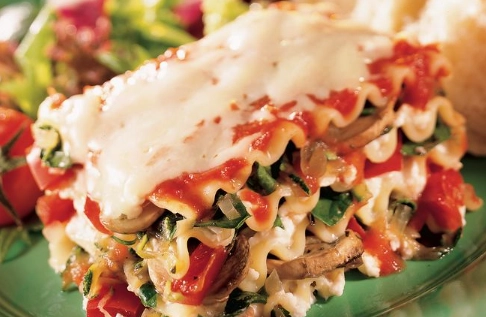
Ultimate Guide to Vegetarian Italian Dinner Party Recipes
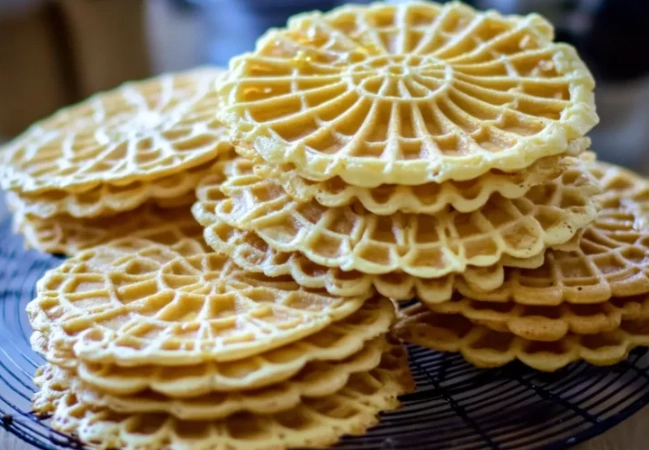
Easy Original Pizzelle Recipe: Classic Italian Waffle Cookies
Classic Italian Bolognese Recipe: Master the Authentic Ragu
Authentic Italian Porchetta Recipe: Crispy, Juicy Roast Pork
Italian Meatloaf Recipe: The Ultimate Comfort Food Guide
Authentic Italian Minestrone Soup Recipe: A Hearty Classic
Authentic Italian Stromboli Recipe: Easy Homemade Guide for Perfect Results
Authentic Italian Chicken Recipes: From Classic Pollo alla Cacciatora to Modern Favorites

Amazon on the fire
Ultimate Guide to Italian Slider Variations & Recipes
Best Vegetarian Italian Dishes: Recipes & Cooking Tips

The reason for the surge in A-shares has been found! The Shanghai Composite Inde
4 Famous Italian Pastas: Types, History & Cooking Guide
Pasta Recipes: A Complete Guide from Beginner to Pro

Sudden bad news! A-shares plunged, Hong Kong stocks fell more than 2%, and there
Traditional Italian Recipes by Region: A Culinary Journey from North to South

Best Italian Cocktails: From Classic Negroni to Modern Aperitivo
Italian Meatball Recipe: Step-by-Step Guide & Secrets for Tender Meatballs
Leave a Comment