Chopped Italian Sliders Recipe: Ultimate Guide for Juicy Party Sandwiches
What You’ll Find Inside
Let's talk about Chopped Italian sliders. You've probably seen them at a potluck, maybe even attempted a version yourself. They sit there on the platter, these little squares of golden, cheesy, meaty promise. Sometimes they're amazing—juicy, packed with flavor, the perfect blend of meat, cheese, and sauce. Other times? They're dry, bland, or worse, a soggy mess. I've had my share of both, and after more experiments in my kitchen than I care to admit, I think I've cracked the code. This isn't just another recipe list. We're going deep. We'll talk about the why behind every step, the common pitfalls (I've fallen into most of them), and how to make a batch of sliders that will genuinely have people asking you for the recipe.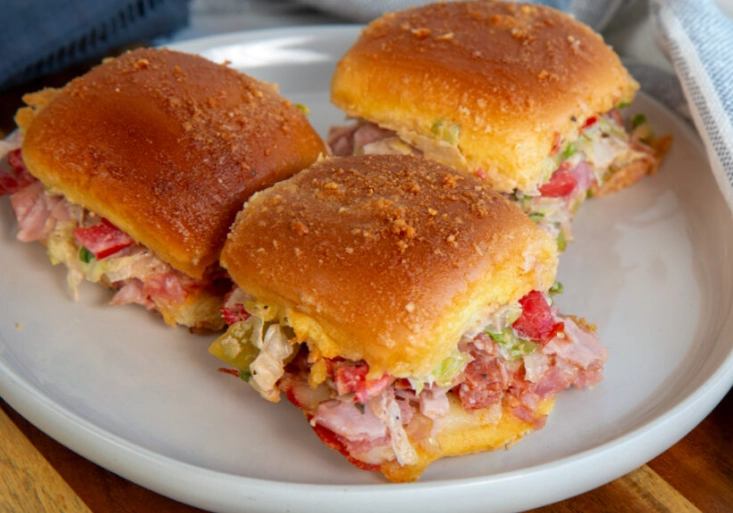
So what exactly are they? At their core, Chopped Italian sliders are a baked sandwich casserole. Instead of forming individual patties, you take seasoned ground meat (the "chopped" part), brown it, mix it with sauces and cheese, pile it onto slider buns, top with more cheese, and bake the whole thing until it's a melty, unified block of deliciousness that you then slice into individual portions. It's the ultimate lazy-genius party food. The beauty is in the communal aspect—you make one big thing, slice it, and feed a crowd with minimal fuss. But getting from "minimal fuss" to "maximum flavor" requires a bit of know-how.
The Foundation: A Reliable Chopped Italian Sliders Recipe
Before we get into the nitty-gritty of bread choices and cheese meltability, let's establish a solid base recipe. This is my workhorse version, the one I come back to when I need a guaranteed win. It's flexible, which we'll discuss later, but this is your starting point.
What You'll Need:
- For the Meat: 1.5 lbs ground beef (80/20 blend is ideal here, trust me), 1/2 lb ground Italian sausage (mild or hot, your choice), 1 small onion (finely diced), 3-4 garlic cloves (minced).
- For the Sauce & Seasoning: 1 cup of your favorite marinara sauce, 2 tablespoons tomato paste, 1 teaspoon dried oregano, 1/2 teaspoon dried basil, 1/2 teaspoon fennel seeds (crushed a bit in your palm—this is a game-changer), salt and black pepper to taste.
- For the Assembly: 12 slider buns (like King's Hawaiian or a soft potato roll), 8-10 slices provolone cheese, 1 cup shredded mozzarella cheese, 1/4 cup grated Parmesan cheese, 3-4 tablespoons butter (melted), 1 teaspoon garlic powder, 1/2 teaspoon dried parsley.
How to Make Them:
First, brown the meats. In a large skillet over medium-high heat, cook the ground beef and Italian sausage with the diced onion. Break it all up with a spatula until it's in small, crumbly pieces—this is crucial for the "chopped" texture. Don't just make big clumps. Once the meat is no longer pink and the onion is soft, drain most of the excess fat (leave about a tablespoon for flavor). Add the garlic and cook for another minute until fragrant.
Now, stir in the marinara sauce, tomato paste, and all those dried herbs and spices. Let it simmer for about 5-7 minutes. You want it flavorful but not too wet. If it looks soupy, let it cook a bit longer. This is your filling. Taste it! Does it need more salt? A pinch of red pepper flakes? Adjust now.
While that simmers, prep your buns. Take a 9x13 inch baking dish. Without separating the individual buns, slice the entire package of slider buns in half horizontally, so you have a top "sheet" and a bottom "sheet." Place the bottom sheet of buns in the baking dish.
Here's the layering magic. Spread the entire meat mixture evenly over the bottom buns. Layer the slices of provolone cheese over the meat. Sprinkle the shredded mozzarella evenly on top. Place the top "sheet" of buns on the cheese mountain.
Mix the melted butter with the garlic powder and dried parsley. Brush or drizzle this generously all over the top of the buns. Don't be shy—this gives that gorgeous, golden, buttery finish. Finally, sprinkle the grated Parmesan over the top.
Cover the dish loosely with foil and bake in a preheated 350°F (175°C) oven for 15 minutes. Then, remove the foil and bake for another 10-15 minutes, until the cheese is spectacularly bubbly and the top buns are a perfect golden brown.
Let it rest for 5 minutes after pulling it out of the oven. This is the hardest part, but it lets the juices settle so it doesn't fall apart when you cut it. Use a large, sharp knife to slice along the bun lines into individual sliders.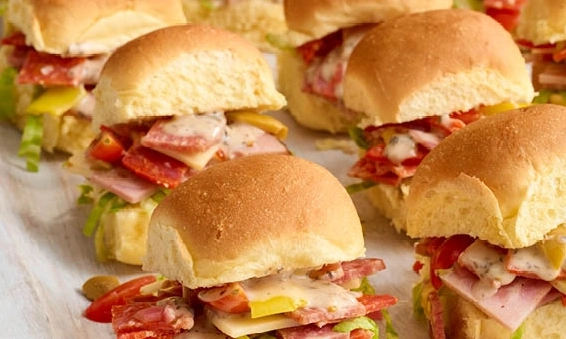
See, the basic process is straightforward. But the devil, as they say, is in the details. And that's where most recipes just stop. Let's keep going.
Choosing Your Weapons: Ingredients Deep Dive
You can follow the recipe above with any old ingredients and get an edible result. But to get an exceptional result, you need to think about each component. This is where your personal taste and the feedback from my own disasters come in.
The Meat Blend: Heart of the Slider
The classic combo is beef and Italian sausage. Why? Beef gives you that solid, savory base. Italian sausage (which already contains fennel, garlic, and other spices) injects a huge amount of flavor directly into the mix. Using all beef can be a bit flat. Using all sausage can be overwhelming. The blend is key.
You could also experiment with ground veal or pork. Some butchers even sell a "meatloaf mix" of beef, veal, and pork that works wonderfully here. The goal is a rich, flavorful, and moist meat layer.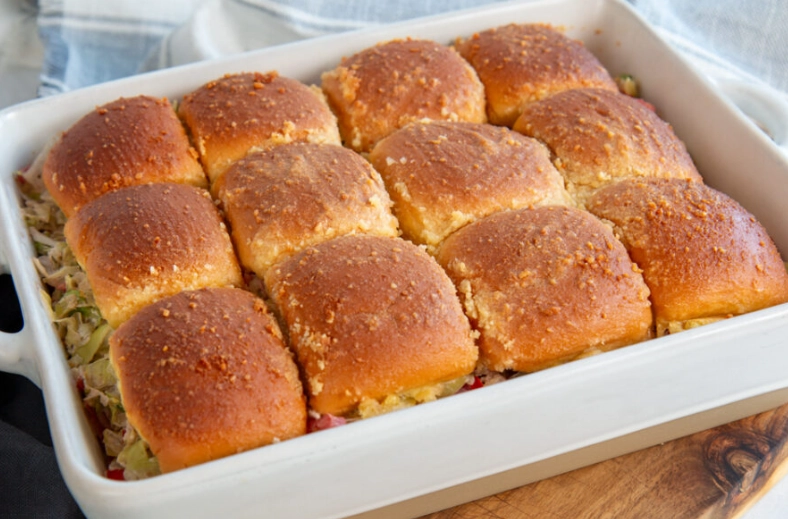
The Cheese Trio: Melt, Flavor, and Structure
Cheese does three jobs here: it adds flavor, it acts as glue, and it provides that irresistible melt.
| Cheese Type | Role in the Slider | Pro Tip / Watch Out |
|---|---|---|
| Provolone (sliced) | Primary flavor layer. It has a mild, slightly smoky tang that screams "Italian." It melts well but holds its shape a bit. | Don't use the pre-sliced ultra-thin stuff if you can help it. Get decent deli slices. It makes a difference in the mouthfeel. |
| Mozzarella (shredded) | The melty, stretchy star. It creates that iconic cheese pull and blankets everything in creamy goodness. | Shred your own from a block. Pre-shredded cheese is coated in anti-caking agents (like potato starch) that can make it grainy and less melty. Seriously, this is one of the top upgrades you can make. |
| Parmesan (grated) | The flavor booster on top. It adds a salty, nutty punch and gets beautifully crispy on the buttery bun top. | Use real Parmigiano-Reggiano if you can. The stuff in the green can doesn't compare in flavor. |
Feel like mixing it up? Fontina is an incredible melter. A little bit of sharp Asiago mixed into the meat can add depth. Just remember the balance: you need a good melter (mozz, fontina) and a good flavor agent (provolone, asiago).
The Bun Dilemma: Softness vs. Structure
The bun is the foundation that holds this glorious mess together. It needs to be soft enough to bite through easily but sturdy enough to not disintegrate under the weight and moisture of the fillings.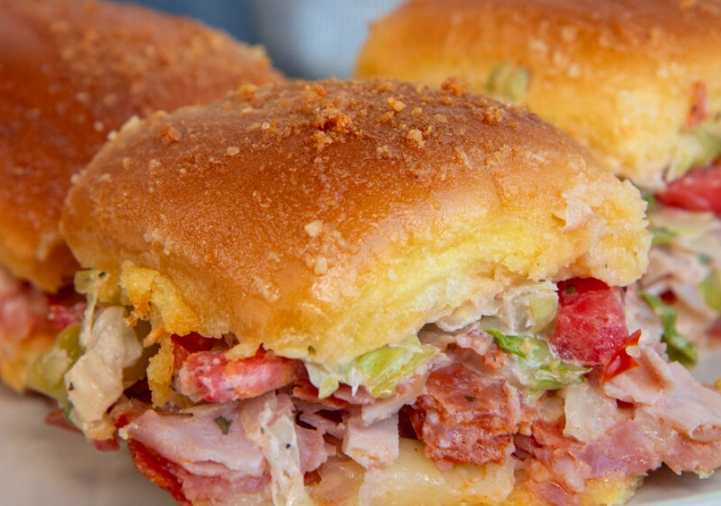
Top Contenders:
- King's Hawaiian Sweet Rolls: The crowd-pleaser. Their slight sweetness contrasts beautifully with the savory meat and cheese. They are super soft and bake up beautifully. The potential downside? They can get a bit too soft on the bottom if your meat mixture is very wet.
- Potato Rolls (like Martin's): My personal favorite for structure. They have a richer flavor, a slightly denser crumb, and they hold up like champions. They toast up wonderfully with the butter topping.
- Classic White or Whole Wheat Dinner Rolls: A reliable, neutral choice. They work perfectly well. If using these, make sure they are fresh and soft.
Leveling Up: Techniques & Flavor Twists
Okay, you've got the basic recipe down. Now, let's make it yours. Here are some ways to tweak your Chopped Italian sliders based on what you like or what you have on hand.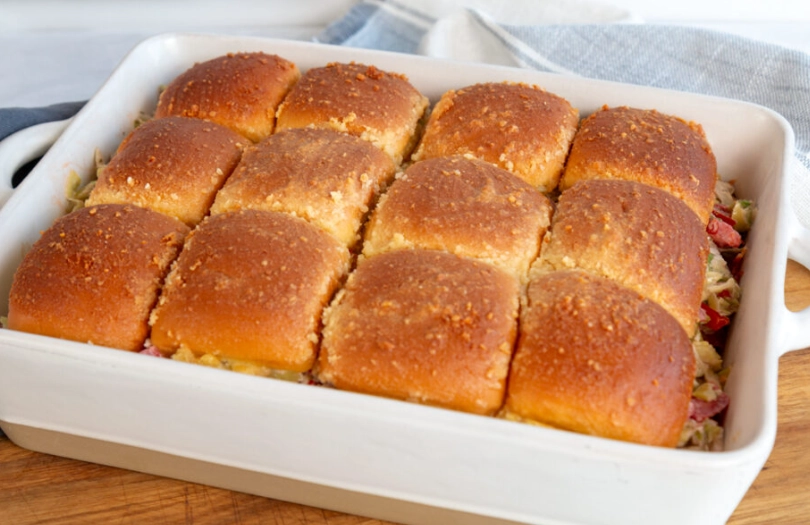
The Flavor Boosters (What to Add to the Meat)
The sauce and herbs are just the beginning. When you're browning the meat, consider:
- Finely diced bell peppers or mushrooms: Cook them with the onion. They add moisture and a subtle vegetable sweetness.
- A splash of red wine: Deglaze the pan with a quarter cup of dry red wine after browning the meat and before adding the sauce. Let it reduce almost completely. It adds a fantastic depth of flavor.
- Pepperoncini or banana peppers: Chop up a few and mix them in. They add a lovely tangy heat.
- Different sauces: Instead of plain marinara, try a arrabbiata sauce for spice, or mix in a tablespoon of pesto for a herby twist.
The Assembly Variations
Who says you have to layer it the same way every time?
- The Cheese-Stuffed Bottom Bun: Before adding the meat, place a small slice of cheese (maybe mozzarella) on each bottom bun indentation. Then add the meat. This creates a surprise cheesy layer on the bottom.
- The Everything Topping: Mix everything bagel seasoning into your melted butter before brushing it on. It's incredible.
- The "Inside-Out" Slider: Mix a cup of the shredded cheese directly into the warm meat mixture before spreading it. This makes every single bite cheesy from the inside out.
Cooking Methods: Oven vs. Grill vs. Slow Cooker Hack
Oven baking is standard, but it's not your only option.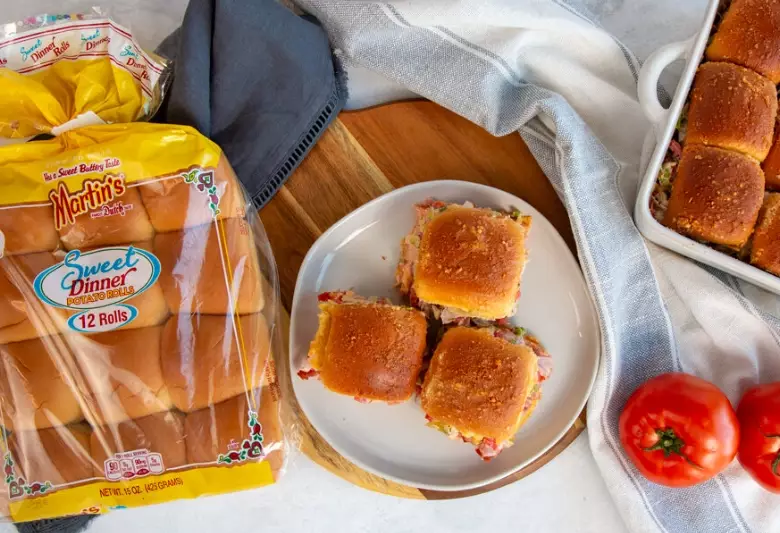
| Method | How-To | Best For / Result |
|---|---|---|
| Standard Oven | As described in the main recipe. 350°F, covered then uncovered. | The classic. Best for even melting and browning. Most controlled environment. |
| Grill (Indirect Heat) | Prepare dish as usual. Place on a grill preheated to medium (about 350°F) over the burners that are OFF (indirect zone). Cover the grill. Cook time similar to oven. | Summer parties! Imparts a very subtle smoky flavor. Keeps the kitchen cool. |
| Slow Cooker / Crock-Pot Hack | Brown meat and mix with sauce. Layer in slow cooker: bottom buns, meat, cheese, top buns, butter topping. Cook on LOW for 2-3 hours. Top won't get crispy. | Keeping food warm for hours at a potluck or game day. Texture is softer overall. |
The grill method is surprisingly effective. Just make sure your baking dish is safe for the grill (no plastic handles) and monitor the heat.
Answering Your Chopped Italian Sliders Questions (FAQ)
Can I make Chopped Italian sliders ahead of time?
Yes, but with a specific strategy. You can brown the meat mixture 1-2 days ahead and store it in the fridge. You can also assemble the entire dish, cover it tightly, and refrigerate it for up to 12 hours before baking. Important: If baking from cold, add 10-15 minutes to the covered baking time. The butter on top will be hard, so you might need to re-melt it a bit to brush it on smoothly before baking.
How do I reheat leftovers without them getting soggy?
The microwave is the enemy here. It steams the buns into mush. To reheat, use a toaster oven or regular oven at 325°F. Place the sliders on a baking sheet and heat for 8-12 minutes, until warmed through and the cheese is melty again. The bun will regain some of its texture. A skillet over low heat with a lid works for one or two as well.
Why are my sliders so greasy?
Two likely reasons: 1) You didn't drain enough fat after browning the meat. Especially with sausage, there can be a lot. Drain it well. 2) The cheese you used was very oily. Some cheaper, pre-shredded blends release more oil. Using better quality cheese and draining the meat solves 95% of greasiness.
Can I freeze them?
You can freeze the baked and cooled sliders. Wrap them tightly individually in plastic wrap, then place in a freezer bag. To reheat, thaw in the fridge overnight and then use the oven/toaster oven method above. The texture of the bun won't be quite as perfect, but they'll still be very good. I don't recommend freezing them unbaked.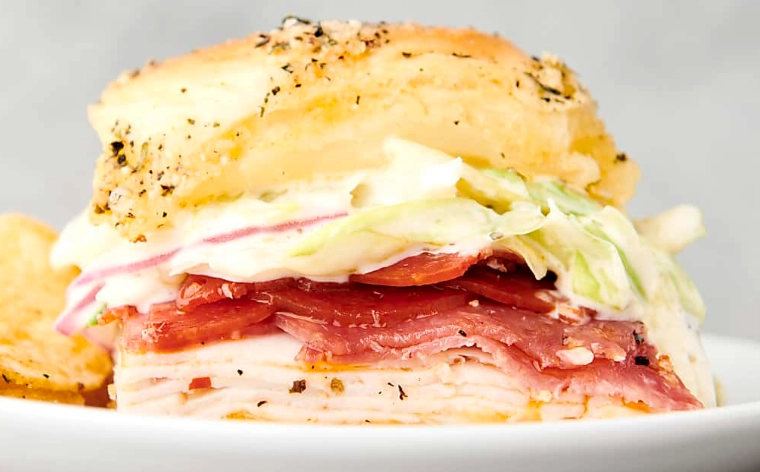
What's a good side dish for these?
Keep it simple. A crisp green salad with a tangy vinaigrette cuts through the richness perfectly. Other great options are potato chips, a veggie platter with ranch, pickles, or a simple pasta salad. You don't need anything heavy.
The Final Word: Making It Your Own
At the end of the day, the best Chopped Italian sliders are the ones that suit your taste. The recipe template is forgiving. Love spice? Use hot sausage and add red pepper flakes. Prefer a tangier kick? Layer in some sliced pepperoncini. Want to impress? Use a blend of gourmet cheeses and finish the top with a balsamic glaze drizzle after baking.
The key takeaway is understanding the function of each layer: the sturdy bun, the flavorful and well-drained meat, the glue-like melting cheese, and the buttery, crisp topping. Master that balance, and you can riff endlessly. I've served these for everything from kids' birthdays to fancy football watch parties, and they never fail.
So go ahead, grab that ground beef and sausage, and give it a shot.
Don't be afraid to get your hands dirty and tweak things. After all, the only thing better than finding a great recipe is making it your own. And when someone takes a bite, closes their eyes, and says, "Wow, what's in these?" you'll know you've made the perfect batch of Chopped Italian sliders.
Related Articles
Italian Buttercream Recipe: How to Make Perfectly Smooth Frosting

The largest IPO in the A-share market in 13 years has been terminated, and it wa
Ground Italian Sausage Recipes: The Ultimate Guide for Easy & Flavorful Dinners
A Typical Italian Dinner at Home: The Real Menu & Traditions
Authentic Italian Pasta Recipes: From Carbonara to Pesto