Cold Italian Sliders: The Ultimate Guide to Making Perfect Party Sandwiches
Quick Guide
- Why Cold Italian Sliders Absolutely Dominate the Party Scene
- Deconstructing the Perfect Slider: A Guide to Every Layer
- Step-by-Step: Building Your Slider Masterpiece
- Beyond the Basics: Creative Twists on the Classic Cold Italian Slider
- Answers to Your Burning Questions (FAQ)
- Troubleshooting and Pro-Tips from My (Many) Trials and Errors
Let's be honest. The thought of feeding a crowd can be enough to make you want to cancel the party altogether. You're stuck between ordering expensive catering that feels impersonal and slaving away in the kitchen while your guests have all the fun. There has to be a middle ground, right? Something delicious, impressive-looking, but secretly easy to put together? That's exactly where Cold Italian sliders come in.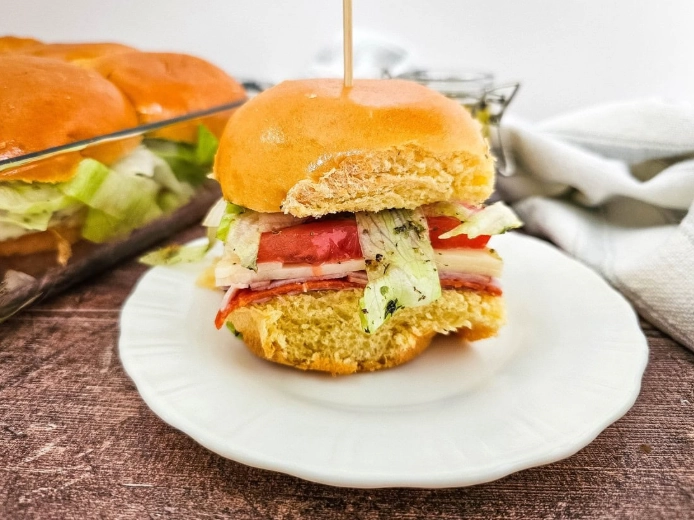
I remember the first time I had to bring a dish to a big family reunion. My aunt, who throws these legendary parties, just said "bring something people can grab." I panicked. Chips felt lazy. A salad would wilt. Then I stumbled upon the idea of an Italian-inspired slider. I threw together some ingredients I had, let it all marinate overnight, and showed up with a tray. They were gone in twenty minutes. People I barely knew were asking me for the recipe. That was the moment I realized the power of a good, cold sandwich slider.
So what are they, really? At their core, Cold Italian sliders are small, sandwich-style bites packed with the classic, robust flavors of Italian deli fare—think savory cured meats, sharp cheeses, tangy peppers, and herby dressings—all served cold or at room temperature. Their magic lies in their preparation: they're almost always assembled ahead of time, allowing the flavors to meld and intensify, making your job as host infinitely easier.
Think of them as the upgraded, more thoughtful cousin of the basic deli sandwich platter. They're portion-controlled, mess-free, and bursting with flavor in every bite.
Why Cold Italian Sliders Absolutely Dominate the Party Scene
It's not just me. There are concrete reasons why these little sandwiches have become a staple from backyard barbecues to game-day spreads and even fancy baby showers.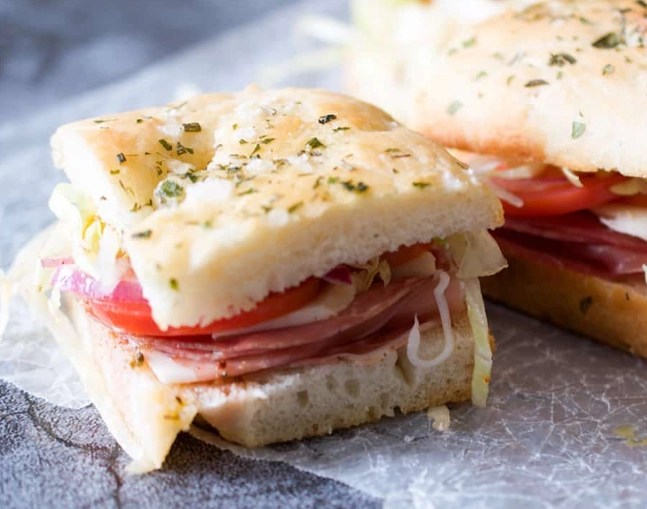
First, the make-ahead factor is a game-changer. You can assemble your tray of Cold Italian sliders the night before, cover it tightly, and let your refrigerator do the work. The bread soaks up the dressing and meat juices, becoming incredibly flavorful and tender without getting soggy in a bad way. When guests arrive, you just pull the tray out, maybe add a final garnish, and you're done. No last-minute frying, baking, or stressing.
Second, they're incredibly versatile. Picky eater coming? Make a few without a specific ingredient. Need a vegetarian option? It's simple to create a meat-free version (more on that later). They are also highly portable. A 9x13 pan covered in foil travels perfectly to potlucks, picnics, or tailgates.
And let's talk about cost. Compared to hot appetizers that require expensive, perishable ingredients or complex cooking, a batch of Italian slider sandwiches is relatively budget-friendly. A few packages of good rolls, some deli meats and cheeses, a jar of peppers, and a simple dressing—you can feed a small army without breaking the bank.
Deconstructing the Perfect Slider: A Guide to Every Layer
Creating amazing Cold Italian sliders is less about following a single rigid recipe and more about understanding the role of each component. Get these elements right, and you can mix and match to create your own signature version.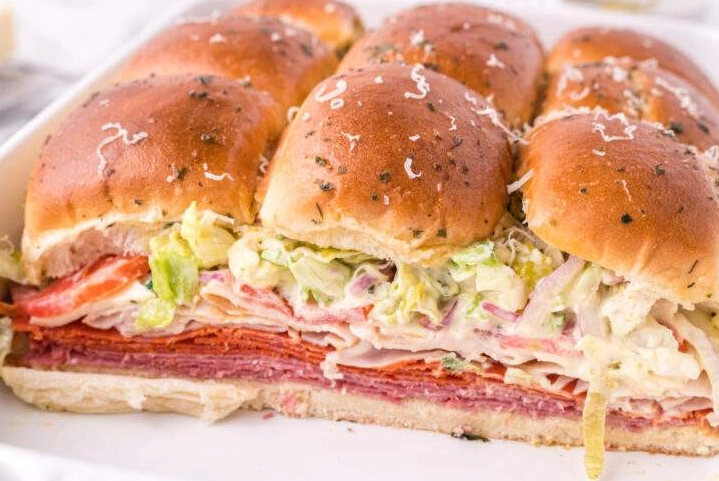
The Foundation: Choosing Your Bread
This is critical. The bread needs to be sturdy enough to hold the fillings and moisture without disintegrating, but soft enough to be pleasant to eat. Here’s a quick breakdown of the top contenders:
| Bread Type | Best For | Watch Out For | My Personal Pick |
|---|---|---|---|
| Hawaiian Sweet Rolls | Crowd-pleaser. The sweetness contrasts beautifully with salty meats. | Can become *too* soft if over-sauced. Some find them too sweet for savory Italian flavors. | My go-to for most parties. People love them. |
| Dinner Rolls (King's Hawaiian alternative) | A more neutral, buttery flavor. Holds structure well. | Sometimes can be a bit dry if not properly dressed. | A safe, reliable choice every time. |
| Small Ciabatta Rolls | Authentic Italian feel. Chewy texture and great structure. | Can be too tough/chewy for some, especially if not fresh. | When I want to feel fancy and rustic. |
| Slider Buns (Brioche-style) | Soft, rich, and readily available in packs of 12 or 24. | The butteriness can sometimes clash with olive oil-based dressings. | Excellent convenience pick. |
I made the mistake once of using cheap, airy white bread rolls for a big batch. Big mistake. They turned into a mushy, unappealing mess after a few hours. Lesson learned: invest in quality, dense rolls.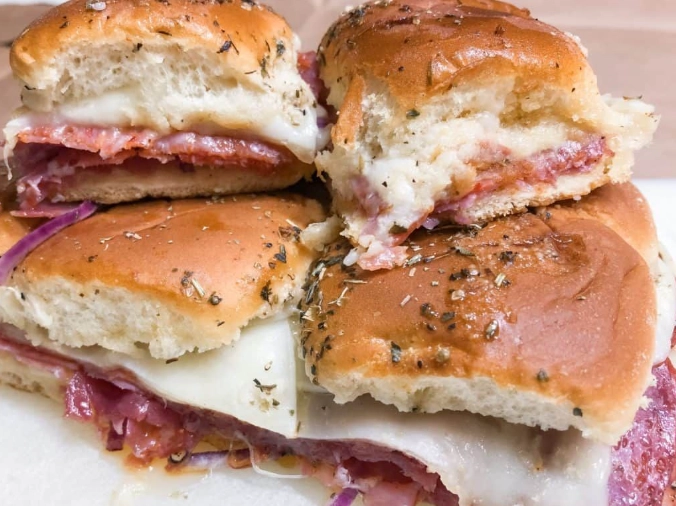
The Star Players: Meats and Cheeses
This is where the "Italian" in Cold Italian sliders really comes to life. You want a combination of flavors and textures.
Meat Must-Haves:
- Hard Salami: Provides a firm, spicy, garlicky punch. Genoa salami is a classic.
- Ham: Offers a sweeter, softer counterpoint to the salami. Black Forest or prosciutto cotto work great.
- Pepperoni: For a little extra spice and that familiar, beloved flavor.
- Capicola (Gabagool): If you can find it, it adds a wonderfully spicy, cured pork shoulder flavor that’s unbeatable.
Pro-Tip: Ask your deli counter to slice the meats slightly thicker than usual for shaved meat. You want a bit of substance, not thin wisps that disappear. For food safety and quality guidance on handling deli meats, a great resource is the USDA's Food Safety and Inspection Service website.
Cheese Champions:
- Provolone: The undisputed king for Italian slider sandwiches. It melts slightly when dressed, gets wonderfully creamy, and has a perfect mild tang.
- Sharp Mozzarella: Fresh mozz is too wet. Use low-moisture, part-skim mozzarella for better structure and melt.
- Fontina: A more decadent choice. Incredibly buttery and melts like a dream.
- Parmesan (as a sprinkle): Not a main cheese, but grating some fresh Parmigiano-Reggiano over the top before baking (if you go that route) or mixing into the dressing adds a salty, nutty depth.
The Flavor Boosters: Dressings, Spreads, and Toppings
This is what takes your sliders from good to "can I have the recipe?" legendary.
The Dressing/Spread: You typically brush or spread this over the top and bottom of the rolls before assembling. It adds moisture and binds the flavors.
- Italian Dressing Mix Hack: The classic. A packet of dry Italian dressing mix whisked with olive oil, a little vinegar, and mayo or melted butter. It's reliable and delicious.
- Homemade Vinaigrette: More control. Olive oil, red wine vinegar, minced garlic, dried oregano, basil, red pepper flakes, salt, and pepper. Whisk it up.
- Pesto Mayo: Mix store-bought or homemade basil pesto with mayonnaise for a creamy, herby spread.
- Pepperoncini Juice & Butter: A secret weapon. Melted butter mixed with a few tablespoons of the brine from a jar of pepperoncini. It's tangy, buttery, and magical.
Toppings & Fillings:
- Pepperoncini or Banana Peppers: Non-negotiable for me. They provide the essential tangy, slightly spicy crunch. Slice them into rings.
- Roasted Red Peppers: Sweet, tender, and colorful. Pat them dry well to avoid sogginess.
- Thinly Sliced Red Onion: Soak the slices in ice water for 10 minutes first to take the harsh raw edge off. They'll still have crunch but be milder.
- Lettuce (added last minute): If you want a fresh crunch, add a small piece of romaine or iceberg right before serving. Don't let it sit assembled or it will wilt.
- Tomato (tricky): I generally avoid it in make-ahead sliders. The seeds and juice are a sogginess hazard. If you must, use very thin slices of Roma tomato and pat them bone-dry.
Avoid This: Don't go overboard with wet ingredients. The beauty of Cold Italian sliders is in the melded, concentrated flavors, not a soggy bread soup. More is not always better.
Step-by-Step: Building Your Slider Masterpiece
Okay, you've got your ingredients. Let's put it all together. This isn't rocket science, but a few tricks make a big difference.
- Prep Your Pan: Use a 9x13 inch baking dish or a sheet pan with raised edges. You can line it with parchment for easier cleanup, but it's not strictly necessary.
- Slice the Rolls: Do NOT separate each roll. Keep the entire sheet of connected rolls (like Hawaiian rolls come) intact. Using a long serrated bread knife, slice the entire block in half horizontally, so you have a top "lid" and a bottom base. This is infinitely easier than assembling each one individually.
- Apply the Flavor Base: Place the bottom half of the rolls in your pan. Generously brush or spread your chosen dressing/mixture over the cut side. Don't be shy.
- Layer the Meats and Cheeses: Start with a layer of cheese (this helps protect the bread from immediate meat juices). Then, layer your meats evenly, folding or overlapping them for good coverage. Add another layer of cheese on top of the meat.
- Add the Veggies: Scatter your pepperoncini rings, roasted red peppers, and onions evenly over the cheese.
- Top It Off: Place the top half of the rolls on the stack. Brush or spread the remaining dressing mixture generously over the top cut side of the rolls. Some people like to sprinkle everything bagel seasoning, grated Parmesan, or dried herbs on top here for extra visual appeal.
- The Waiting Game (The Most Important Step): Cover the entire pan tightly with plastic wrap or foil. Refrigerate for at least 4 hours, but preferably overnight. This is non-negotiable for flavor and texture.
- Serve: Use a sharp knife to slice along the perforations between the rolls. Serve cold or let sit out for 15-20 minutes to take the chill off.
The overnight rest is the magic. It transforms separate ingredients into a cohesive, flavor-packed unit. Don't skip it.
Beyond the Basics: Creative Twists on the Classic Cold Italian Slider
Once you've mastered the classic, the world is your oyster (or, more appropriately, your olive). Here are some popular and delicious variations.
The "Baked" or "Warmed" Italian Slider: This is a common point of confusion. Are they cold or hot? The classic is cold, but a popular variant involves the same assembly process, then baking the entire tray, covered in foil, at 350°F for about 15-20 minutes just before serving, until the cheese is melted. It's fantastic, but it's a different experience—gooier, richer, and needs to be served immediately. It loses the true "make-ahead-and-forget" convenience.
The Vegetarian "Italiano": Skip the meat. Layer marinated artichoke hearts (chopped), sliced black olives, roasted red peppers, fresh mozzarella balls (ciliegine, patted dry), and sun-dried tomatoes. Use a pesto-based spread. It's incredibly satisfying.
The Chicken Parmesan Slider: Use shredded or thinly sliced cooked chicken (rotisserie chicken is perfect). Mix the chicken with a little marinara sauce. Use mozzarella and provolone. Brush the tops with garlic butter mixed with a pinch of dried basil and oregano.
The "Everything Bagel" Italian Slider: Use an everything bagel seasoning mix in your butter or mayo spread. It adds an amazing onion-garlic-sesame crunch on top.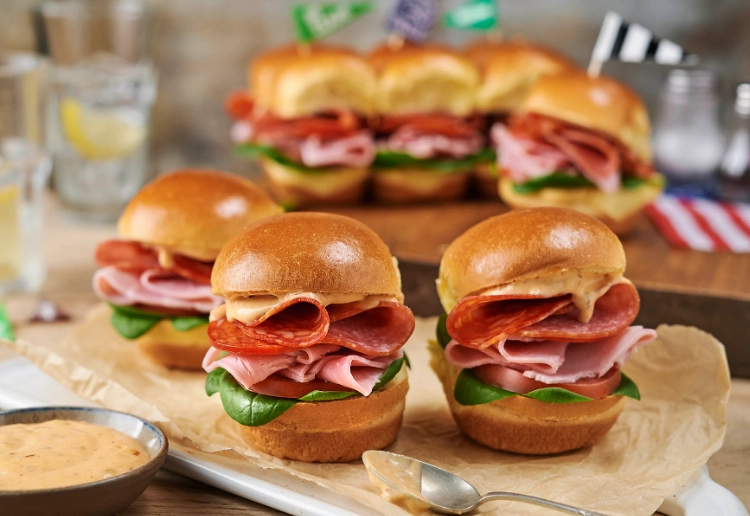
Answers to Your Burning Questions (FAQ)
I get asked these all the time. Let's clear things up.
Remember: The goal is a flavorful, moist bite, not a drippy, structural failure. When in doubt, go lighter on wet ingredients and heavier on the resting time.
Troubleshooting and Pro-Tips from My (Many) Trials and Errors
I've made a lot of these. I've had triumphs and, frankly, some disappointments. Here's what the experience taught me.
- The Meat Quality Matters: Splurging on good quality deli meats from the counter (not pre-packaged) makes a noticeable difference in flavor and texture. It's worth the extra few dollars for a special occasion.
- Don't Skimp on the Rest Time: I said it before, but it's the number one reason for mediocre sliders. Four hours is the bare minimum. Overnight is king.
- Cutting is Key: Use a very sharp serrated knife and a gentle sawing motion to cut through the assembled sliders. A dull knife will smash them.
- Transporting: If taking them to a party, keep them in the pan, covered, in a cooler or insulated bag with an ice pack. They should stay cold and safe. Refer to basic food safety guidelines, like those from the FoodSafety.gov website, for how long food can safely sit out.
- Embrace Imperfection: They might look a little messy when you cut them. Some filling might spill out. It's fine. It means they're packed full of good stuff. It looks homemade and appetizing.
So, there you have it. The complete, no-BS guide to Cold Italian sliders. They're not just a recipe; they're a strategy for stress-free, successful hosting. They solve the problem of what to feed a crowd, they make you look like a kitchen hero with minimal effort, and they genuinely taste incredible. Next time you're staring at a party invite with dread, remember the slider. Your future self (and your guests) will thank you.
Now go raid your deli counter and get stacking.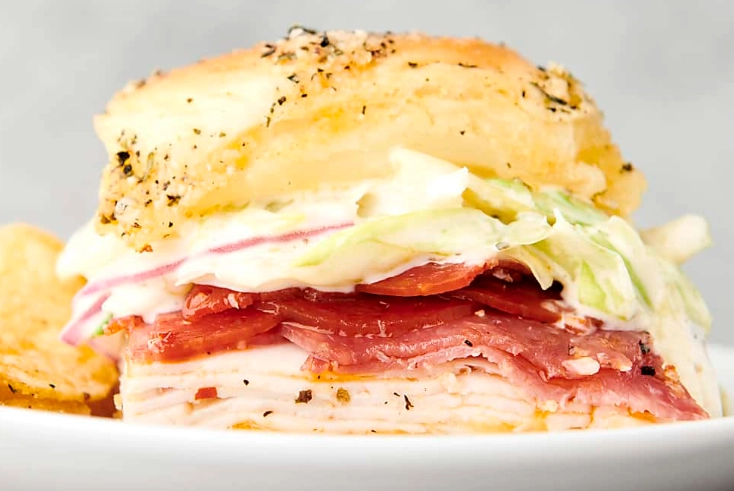
Related Articles
Master Italian Meatloaf: Authentic Family Recipe
What Are the Most Popular Italian Appetizers? A Complete Guide to Antipasti
Authentic Italian Pasta Sauce Recipes: From Classic Tomato to Rich Ragù
Simple Italian Sausage Recipes for Dinner: Easy & Flavorful Family Meals

Best Italian Sausage Recipe: Authentic Homemade & Grilling Tips