Best Italian Eggplant Dishes: Top 5 Classics You Can Master
In This Guide
Let's talk about eggplant. Or, as the Italians call it, melanzana. If you've ever wandered through a bustling Italian market, you've seen them—those glossy, deep purple beauties piled high, just begging to be turned into something incredible. But here's the thing: eggplant can be tricky. Get it wrong, and you end up with a soggy, bitter mess. Get it right, and it's pure magic—creamy, smoky, and deeply savory. It's no wonder some of the best Italian eggplant dishes are beloved around the world.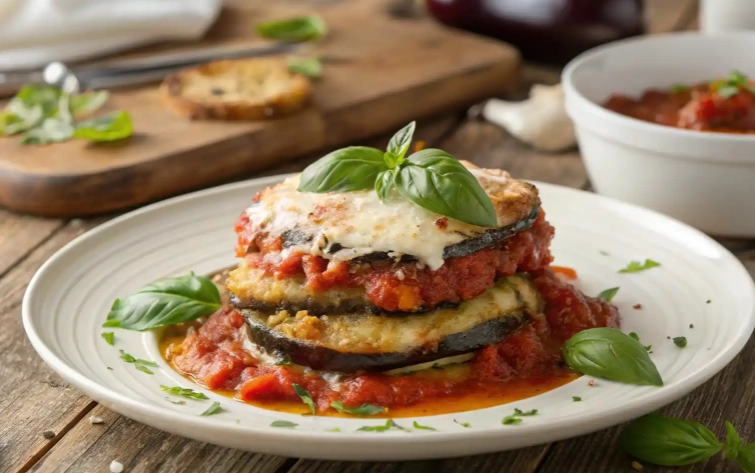
I have to admit, I used to be intimidated by eggplant. My first attempt at eggplant parmesan was... well, let's just say it was more oil sponge than elegant dinner. But after spending time in Italy (and making more than a few mistakes), I learned the secrets. And that's what this is all about. We're not just listing recipes. We're digging into the why and the how behind the greatest hits. We'll look at the essential techniques that make these dishes work, explore their regional stories, and answer all the questions that might be holding you back from eggplant greatness.
The humble eggplant is a culinary chameleon in Italy, absorbing flavors and transforming into dishes that are the very soul of comfort food.
The Undisputed Champions: Top 5 Best Italian Eggplant Dishes
Narrowing it down to five isn't easy. Italy's regions each have their own spin. But if we're talking about the classics—the dishes that define what Italian eggplant can be—these are the ones that consistently top the list. They're the meals you'll find in homes from Sicily to Lombardy, each with a story to tell.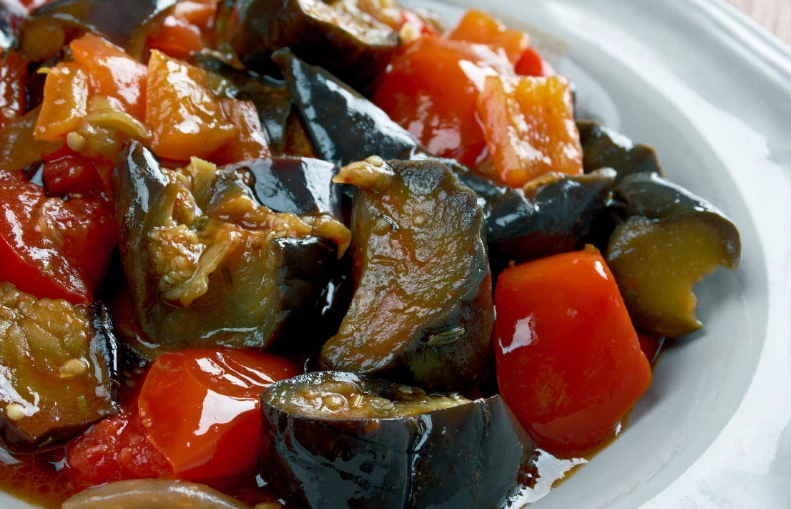
Think of this as your essential guide. We'll go beyond the basic recipe. What's the history? What's the common pitfall? And what's the little tweak that makes it sing?
| Dish | Region of Origin | Key Characteristic | The "Can't Skip" Step |
|---|---|---|---|
| Melanzane alla Parmigiana | Campania/Sicily (heavily debated!) | Layered, baked, cheesy comfort | Salting & frying the eggplant slices |
| Parmigiana di Melanzane (Yes, it's different!) | Southern Italy (wide variations) | Often lighter, sometimes gratin-style | Quality of the tomato sauce |
| Caponata Siciliana | Sicily | Sweet, sour, savory agrodolce stew | The agrodolce (sweet & sour) balance |
| Involtini di Melanzane | Widespread, especially South | Rolled, stuffed, elegant parcels | Getting the eggplant slices thin & pliable |
| Torta di Melanzane (Eggplant Pie/Terrine) | Various, a rustic classic | Dense, sliceable, perfect for crowds | Thorough draining of all components |
See what I mean? Just looking at that table, you get a sense of the diversity. From baked layers to tangy stews, the best Italian eggplant dishes showcase this vegetable's incredible range.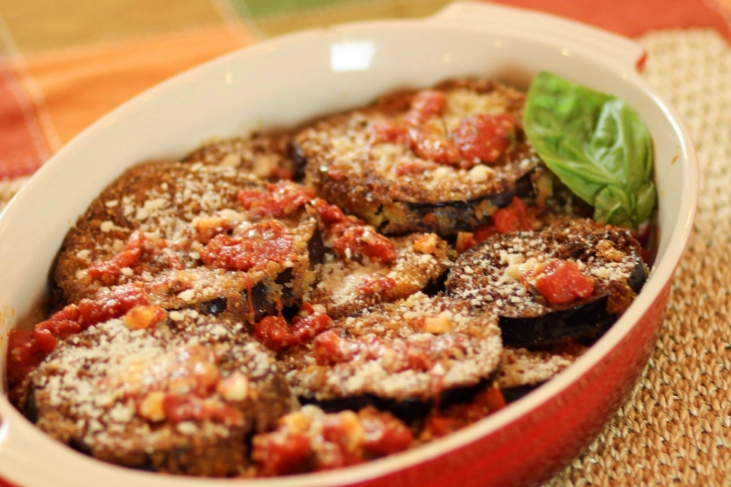
#1: Melanzane alla Parmigiana – The King of Comfort
Let's start with the big one. If you ask anyone outside of Italy to name an Italian eggplant dish, 9 times out of 10, they'll say "eggplant parmesan." But what we often make abroad is a heavy, breaded, deep-fried version buried in cheese. The authentic version is something more refined, yet utterly soul-satisfying.
Its origins are fiercely contested. Ask in Naples, and they'll claim it. Go to Sicily, and they'll show you ancient recipes that prove it's theirs. The Accademia Italiana della Cucina (the Italian Academy of Cuisine) has even lodged official requests to clarify its provenance. Historically, the use of ingredients like tomatoes and fried eggplant points to Southern Italy in the 18th century.
The magic isn't in complexity; it's in the quality of execution. You need firm, fresh eggplant. You slice them, salt them to draw out bitterness and moisture (this is non-negotiable—trust me), pat them dry, lightly flour them, and fry them in good oil until golden. Then, you layer them with a simple, vibrant tomato sauce (sugo), fresh basil, and a combination of cheeses—usually mozzarella (fiordilatte or fior di latte) and grated aged Parmigiano-Reggiano or Pecorino.
My two cents: The biggest mistake? Skipping the salting step. You'll end up with watery layers that steam instead of bake, and the texture is all wrong. Also, go easy on the cheese. It's a layer of flavor, not a blanket. A good parmigiana should have distinct, creamy layers of eggplant that shine through.
Some versions, particularly in the south, don't even bread the eggplant—just a light flouring before frying. The result is less heavy, letting the flavor of the eggplant itself come forward. It's a dish that actually improves the next day, making it one of the best Italian eggplant dishes for preparing ahead.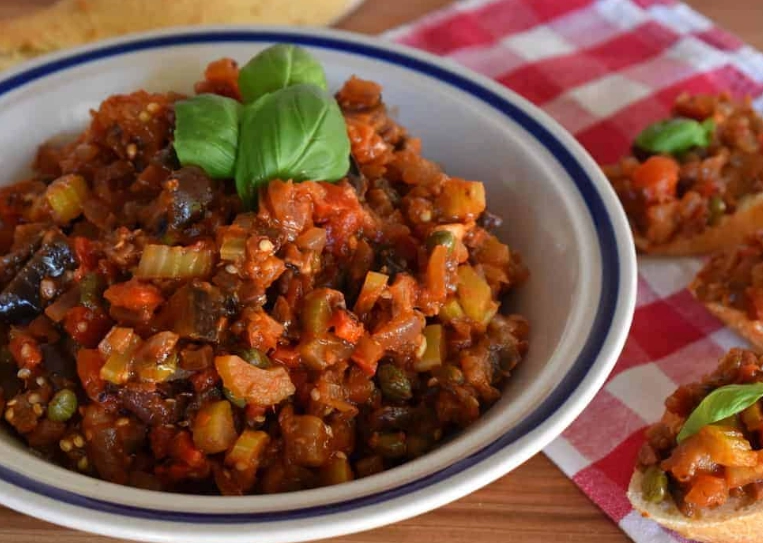
#2: Caponata Siciliana – The Sweet and Sour Symphony
Now, this is a dish that perfectly captures the soul of Sicilian cooking. It's a vegetable stew, but that description doesn't do it justice. It's a vibrant, sweet-and-sour (agrodolce) medley where eggplant is the star, supported by celery, onions, tomatoes, olives, and capers.
The key here is the agrodolce sauce. You typically create it by deglazing the pan with vinegar (white wine or red wine vinegar) and then adding a touch of sugar or, more traditionally, zucchero di canna (cane sugar) or even a spoonful of honey. Some families add a bit of unsweetened cocoa powder for depth—a legacy of Arab influence on the island. The eggplant is usually cubed and fried until it gets those lovely caramelized edges before being folded into the simmering sauce.
Pro Tip: Don't rush the cooking of the celery and onions. They need to soften and sweeten slowly. And always let your caponata cool completely to room temperature (or even chill it) before serving. The flavors need time to marry and deepen. It's fantastic as a side, a topping for bruschetta, or even with pasta.
What makes it one of the best Italian eggplant dishes is its versatility. It's served warm, at room temperature, or cold. It's a contorno (side dish), an antipasto, a condiment. It's the taste of a Sicilian summer.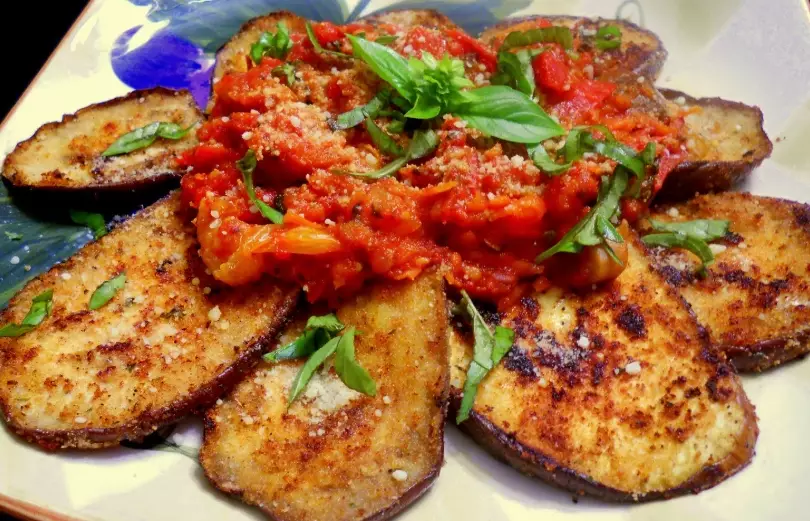
#3: Involtini di Melanzane – Elegant, Stuffed Rolls
These are the showstoppers. Thin slices of grilled or fried eggplant, rolled around a savory filling, baked in a bit of sauce, and often topped with cheese. They look intricate but are surprisingly manageable once you get the hang of it.
The filling can vary wildly. A classic version is involtini di melanzane alla siciliana, stuffed with a mixture of breadcrumbs, raisins, pine nuts, garlic, and parsley—again, that iconic Sicilian flavor profile. Other popular fillings include ricotta cheese mixed with herbs, prosciutto and cheese, or even ground meat.
The real trick is preparing the eggplant slices. You need long, even slices, about ¼-inch thick. A mandoline helps, but a sharp knife and a steady hand work too. Then you need to cook them until they're pliable enough to roll without breaking. Grilling on a griddle pan gives a lovely smoky flavor and uses less oil. Frying gives richer flavor and color. Either works.
Roll them up, seam-side down, in a baking dish. Spoon over some tomato sauce, sprinkle with cheese, and bake until bubbly.
They're perfect for a dinner party because you can assemble them ahead of time. Each little bundle is a complete bite of flavor and texture. For me, this dish proves that the best Italian eggplant dishes are as much about artistry as they are about taste.
#4: Parmigiana di Melanzane… Wait, Isn't That #1?
Here's where language gets fun. In many parts of Italy, especially the south, "Parmigiana di Melanzane" and "Melanzane alla Parmigiana" are used interchangeably for the layered bake we talked about. But sometimes, particularly in recipe books and certain regions, "Parmigiana" refers to a slightly different preparation.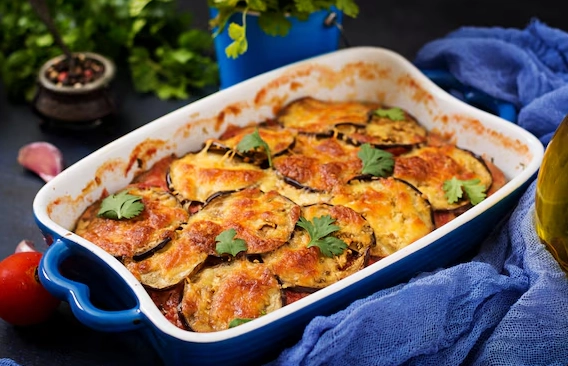
In this style, the eggplant might be sliced thicker. The assembly might be less about distinct layers and more of a mixed gratin. Sometimes it's baked without mozzarella, relying solely on Parmigiano. The name "Parmigiana" likely doesn't come from Parma the city, but from the Sicilian word "parmiciana," referring to the overlapping slats of a shutter, which the layered eggplant resembles.
Why does this matter? It shows the beautiful, fluid nature of Italian home cooking. There isn't always one "official" recipe. Nonna's version is the official version for her family. So when you're searching for the best Italian eggplant dishes, embrace the variations. The core principles remain: good eggplant, treated with care, combined with a few quality ingredients.
#5: Torta di Melanzane – The Rustic, Sliceable Pie
This is lesser-known outside of Italy but is a staple in many homes. Think of it as a savory terrine or a crustless pie. It's dense, moist, and meant to be sliced like a cake. It's the ultimate make-ahead dish and is often served at room temperature during the summer.
The method is similar to parmigiana in that you fry the eggplant slices. But then you layer them in a deep, round cake pan or springform pan, alternating with layers of a rich mixture. That mixture can be a combination of eggs, grated cheese (Pecorino is common), salami or ham, mozzarella, and parsley. It's essentially a baked eggplant and cheese custard.
Watch Out: The enemy here is excess moisture. If your eggplant isn't well-salted and patted dry, or if your tomatoes are too watery, the torta won't set properly and will be a sad, soggy mess when unmolded. Pressing the assembled torta with a weight as it cools helps firm it up.
It's hearty, flavorful, and travels well. It's the kind of dish you bring to a picnic or serve as the centerpiece of a casual buffet. It might not have the fame of parmigiana, but its satisfying, unpretentious nature earns it a spot among the best Italian eggplant dishes.
The secret to great Italian eggplant isn't a secret at all: it's patience. Patience to salt, patience to fry in batches, patience to let flavors build.
The Essential Techniques: Beyond the Recipes
You can have the best recipe in the world, but if you don't handle the eggplant right, you're fighting a losing battle. These techniques aren't optional; they're the foundation of every great dish.
To Salt or Not to Salt? (Always Salt.)
This is the most debated point, but I'm in the "always salt" camp. Modern eggplants are bred to be less bitter, so the bitterness argument is weaker. But salting isn't just about bitterness; it's about texture.
Salt draws out the vegetable's cellular moisture through osmosis. Why does this matter?
- Less Oil Absorption: Wet eggplant is a sponge for oil. Dry eggplant absorbs far less, so your dish isn't greasy.
- Better Browning: Moisture is the enemy of browning (the Maillard reaction). Dry surfaces caramelize and fry beautifully.
- Firmer End Product: It keeps the eggplant from turning to mush during cooking.
How to do it: Slice the eggplant as your recipe requires. Sprinkle generously with kosher salt or coarse sea salt. Layer in a colander or on a rack over a tray. Let it sit for at least 30 minutes, preferably 60. You'll see beads of moisture form. Rinse the slices quickly under cold water to remove excess salt, then pat them thoroughly dry with paper towels or a clean kitchen towel. This step is crucial.
The Cooking Method: Fry, Grill, Roast, or…?
Each method gives a different result, and your choice depends on the dish and your preference.
Frying: The classic method for parmigiana and many other dishes. Use a neutral oil with a high smoke point (like sunflower or peanut oil) and get it good and hot before adding the eggplant. Fry in batches—don't crowd the pan. This gives the richest flavor and the ideal texture for layering.
Grilling/Griddling: Healthier and adds a fantastic smoky char. Perfect for involtini. Brush slices with oil and grill on a hot, ridged pan until tender with dark marks.
Roasting/Baking: Toss cubed or sliced eggplant with oil and roast in a hot oven (425°F / 220°C) until golden and tender. Uses less oil but can lack the intense flavor of frying. Great for caponata if you're cutting back on fat.
My personal rule? For a special, authentic parmigiana, I fry. For a weeknight version or involtini, I grill. There's no single right answer, only the right answer for your goal.
Choosing Your Eggplant
Not all eggplants are created equal. In Italy, you'll find multiple varieties, from the large, dark purple melanzane viola to the long, thin, violet-streaked melanzane lunghe. According to resources from the Italian Ministry of Agricultural, Food and Forestry Policies, Italy cultivates several traditional varieties prized for their specific qualities.
For most of the best Italian eggplant dishes, look for:
- Firmness: It should feel heavy for its size, with no soft spots or wrinkles.
- Skin: Tight, glossy, and vibrant. Dull skin means it's old.
- Stem: Green and fresh-looking, not brown and dried.
Smaller to medium eggplants often have fewer seeds and a sweeter flavor.
Frequently Asked Questions (FAQs)
Let's tackle the questions that pop up every time eggplant is on the menu. These are the things I wondered about when I first started cooking these dishes.
Do I really have to peel the eggplant?
Almost never. The skin adds color, texture, and helps the slices hold their shape during cooking. For dishes like parmigiana or involtini, leave it on. The only exception might be if you have very old, tough-skinned eggplant, or if you're making an ultra-smooth puree.
Can I make these dishes ahead of time?
Absolutely! In fact, most of them taste better the next day. Melanzane alla Parmigiana reheats beautifully. Caponata is best made a day ahead. Involtini can be assembled and refrigerated a few hours before baking. Torta di Melanzane is designed to be made ahead. These are some of the best Italian eggplant dishes for meal prep and entertaining because the flavors improve with time.
What's a good substitute for frying to make it healthier?
You have options. Grilling is excellent. For a baked version, brush salted and dried eggplant slices with oil, place on parchment-lined baking sheets, and bake at a high temperature (425°F/220°C) until golden, flipping once. They won't be as rich or have quite the same texture as fried, but they'll be very good and much lighter. Many reputable sources, like BBC Good Food, offer excellent "lighter" versions of classics like parmigiana using this method.
My eggplant dish turned out bitter. What happened?
Two likely culprits: 1) You didn't salt it, and you got an older eggplant with more developed (bitter) seeds. 2) You used the wrong type of vinegar in something like caponata. A very harsh vinegar can dominate. Next time, ensure you salt properly, and for agrodolce dishes, use a good quality wine vinegar and balance it carefully with the sweet element.
Can I freeze melanzane alla parmigiana?
You can, but with caveats. The texture of the eggplant will become softer upon thawing and reheating. It's best to freeze it before the final baking. Assemble the dish in a freezer-safe container, but don't bake it. Wrap it tightly. Thaw overnight in the fridge before baking as directed. The results are acceptable for a ready-made meal, but it won't be quite as perfect as fresh.
Bringing Italy to Your Kitchen
So, where do you start? My advice is to pick one. Maybe it's the comforting embrace of a Melanzane alla Parmigiana for a Sunday family dinner. Or perhaps the bright, complex flavors of a Caponata to impress at your next gathering. Don't be afraid of the steps—the salting, the frying in batches. That process is part of the ritual. It's what transforms a simple vegetable into something extraordinary.
The best Italian eggplant dishes aren't about fancy techniques or obscure ingredients. They're about respecting the main ingredient and understanding a few fundamental principles. They're about layering simple flavors to create depth. They're the kind of food that feels like a celebration, whether you're in a trattoria in Rome or at your own kitchen table.
Give it a try. Salt that eggplant. Take your time. And get ready to discover why these dishes have been loved for generations. You might just find your new favorite meal.
What's your favorite way to cook eggplant? Have you tried any of these classics? I'd love to hear about your experiments (and your disasters—we've all had them!) in the comments.
Related Articles
Italian Sausage Recipes: Easy Family Dinners in 30 Minutes
Authentic Italian Eggplant Recipes: Family Secrets & Regional Classics
What to Bring to an Italian Dinner Party: The Ultimate Guest's Guide
Authentic Italian Beef Sandwich Recipe | Easy Homemade Guide

Simple Italian Cookie Recipes: 3 Classics You Can Master