Authentic Italian Eggplant Recipes: Family Secrets & Regional Classics
Quick Guide
- The Humble Melanzana: Italy's Purple Canvas
- The Non-Negotiable Foundations: Eggplant Prep 101
- The Holy Trinity of Authentic Italian Eggplant Recipes
- A Tour of Italy's Regional Eggplant Gems
- Your Eggplant Toolkit: Methods & Pairings
- Answering Your Eggplant Questions (The FAQ Every Cook Needs)
- Bringing It All Home: Start With One Dish
Let's be honest. When you think of Italian eggplant recipes, one dish probably hogs the spotlight. You know the one. The cheesy, saucy, baked masterpiece we all love. But here's the thing – Italian cooking with eggplant is a whole universe away from that single, admittedly delicious, star.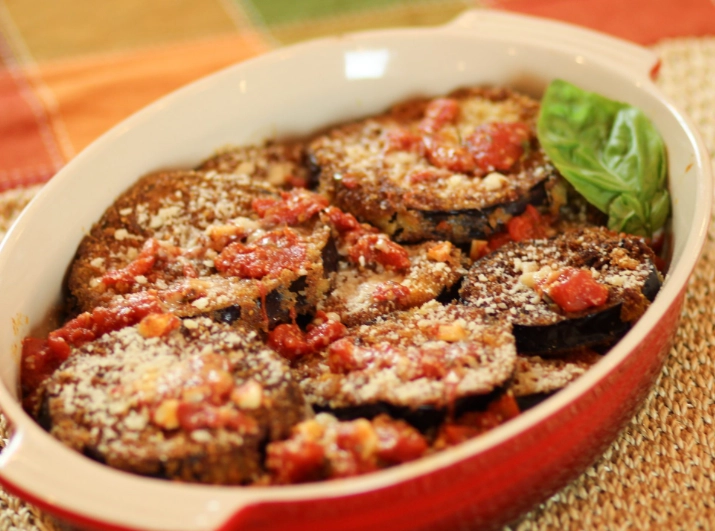
I remember the first time I had authentic Italian eggplant recipes in a tiny trattoria in Rome. It wasn't the parmigiana. It was a simple, room-temperature dish of smoky, grilled eggplant strips marinated in garlic, vinegar, and mint. It was a revelation. The eggplant was the hero, not just a vehicle for cheese and sauce. That's what I want to share with you today – the real deal, the dishes Italian nonnas make at home, the regional specialties you won't find on every tourist menu.
If you've ever ended up with a soggy, bitter, or oily eggplant mess, you're not alone. I've been there. That's why we're going deep. We're not just listing recipes; we're unpacking the why behind every step. From picking the right eggplant at the market to the sacred ritual of salting (yes, it matters), to the cooking methods that make all the difference.
The Humble Melanzana: Italy's Purple Canvas
Italians call it melanzana. It arrived via Arab traders centuries ago, and let's just say Italy embraced it with more passion than most places. Walk through any Italian summer market, and you'll see piles of them – not just the large, dark purple globes we're used to, but slender violet ones, stripy ones, even white or pale green varieties. Each has its purpose.
The key to any authentic Italian eggplant dish starts long before you turn on the stove. It starts with understanding your ingredient. That plump, glossy, heavy-for-its-size eggplant you pick? That's half the battle won. A light eggplant often means spongy, airy flesh and more seeds, which can lead to bitterness. Italians are picky about this, and you should be too.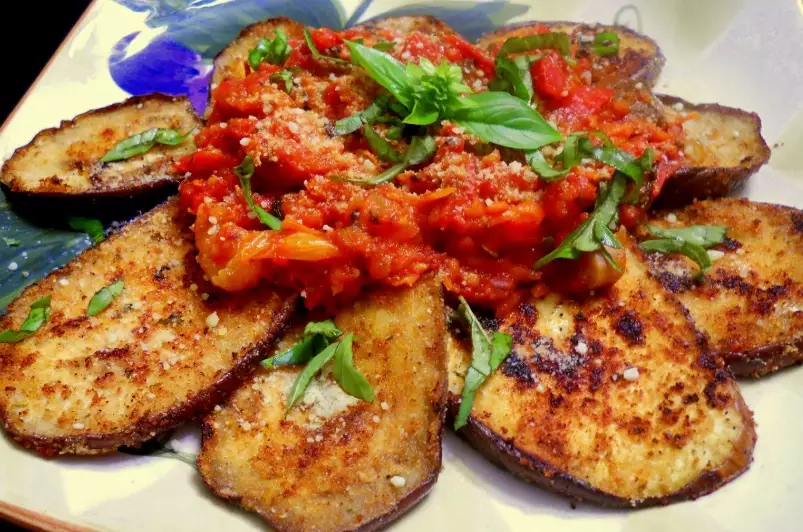
The Non-Negotiable Foundations: Eggplant Prep 101
Okay, let's talk about the elephant in the room. To salt or not to salt? I've seen fancy food writers lately saying it's an old wives' tale. Having made the mistake of skipping it more than once, I'm firmly on Team Salt. It's not just about bitterness (though modern varieties are less bitter). It's about texture.
Here's my no-fuss method, stolen from watching my friend's nonna in Sicily:
- Slice or cube your eggplant as the recipe requires.
- Lay the pieces in a colander or on a rack, sprinkle generously with coarse sea salt (not fine table salt).
- Let it sit for at least 30 minutes, but ideally 1-2 hours. You'll see dark beads of liquid form on the surface.
- Rinse the pieces thoroughly under cold water to remove the salt. This step is vital!
- Pat them completely dry with a clean kitchen towel or paper towels. I mean, really dry them. This is your secret weapon against oil-sodden eggplant.
See? Not complicated, just a bit of patience. And it transforms everything.
The Holy Trinity of Authentic Italian Eggplant Recipes
You can't talk about eggplant in Italy without these three classics. They form the backbone. Every region, every family has a slight variation, but the soul of the dish remains.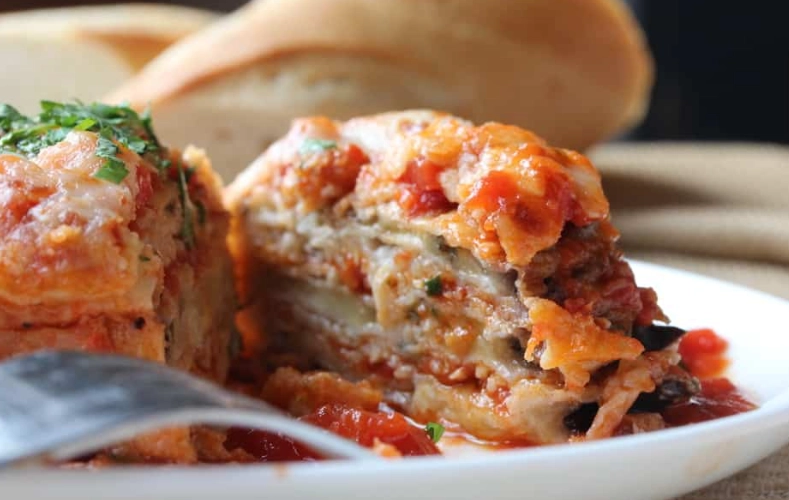
Melanzane alla Parmigiana (The Real Deal)
Let's demystify the most famous of all authentic Italian eggplant recipes first. Contrary to its name, it's not from Parma (that's for ham and cheese). It's most strongly associated with Campania and Sicily. The name likely comes from "Parmiciana," referring to the overlapping slats of a shutter, which the layered eggplant slices resemble.
What makes it authentic? It's simpler than you think, and in my opinion, better for it.
The Core of a True Parmigiana:
- Eggplant, fried. Yes, fried. Baking is fine for a lighter version, but the traditional method uses eggplant slices fried in olive oil until golden. This gives an irreplaceable flavor and texture. Don't drown them; fry in batches in hot oil.
- A simple tomato sauce. Onion, maybe a little garlic, good canned San Marzano tomatoes, simmered until rich. No meat. No fancy herbs beyond basil.
- Cheese, but not just mozzarella. Fresh mozzarella (fior di latte) or the firmer, aged Caciocavallo or Pecorino are common. Ricotta salata (salted, aged ricotta) grated on top is a Sicilian twist I adore. The pre-shredded, low-moisture mozzarella bag stuff? That's a hard no from any Italian cook I've ever met.
- Assembly and rest. Layer fried eggplant, sauce, cheese, and basil. Bake until bubbly. Then – and this is critical – you must let it rest for at least an hour, preferably until it's just warm or even room temperature. This allows the layers to set. Cutting into a piping hot parmigiana is a recipe for a sloppy plate.
My personal gripe? When recipes add breadcrumbs to the eggplant. In a true parmigiana, the eggplant is just sliced, salted, dried, and fried. No egg wash, no flour, no breading. That creates a barrier. You want the eggplant to soak up some of that beautiful tomato sauce.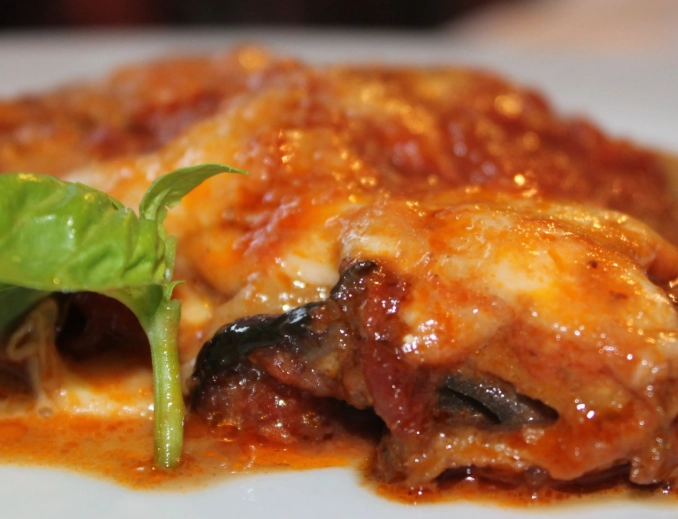
Caponata (Sicily's Sweet & Sour Masterpiece)
If parmigiana is the cozy comfort food, caponata is the sophisticated, complex cousin. It's a sweet and sour (agrodolce) vegetable stew, and eggplant is its undisputed king. This is one of those authentic Italian eggplant recipes that tastes even better the next day, making it perfect for entertaining.
The flavor profile is a wild ride: the earthy eggplant, the crunch of celery, the sweetness of raisins, the tang of vinegar and tomatoes, the saltiness of olives and capers, all brought together with pine nuts. It's a harmony in a pan.
The technique matters. You fry the eggplant cubes first, separately, to get them nicely browned and textured. Then you sauté the other vegetables, create the agrodolce sauce with vinegar and a touch of sugar, and combine everything to let the flavors marry. It's served at room temperature, often as an antipasto or a side.
Parmigiana di Melanzane (Light & Baked Variations)
Okay, I hear you. Sometimes you want the flavor without the deep-frying. Italians do this too, especially for a lighter summer meal. The principle is the same, but instead of frying, you brush the salted and dried eggplant slices with olive oil and grill them (on a griddle pan or barbecue) or roast them in a very hot oven until tender and marked.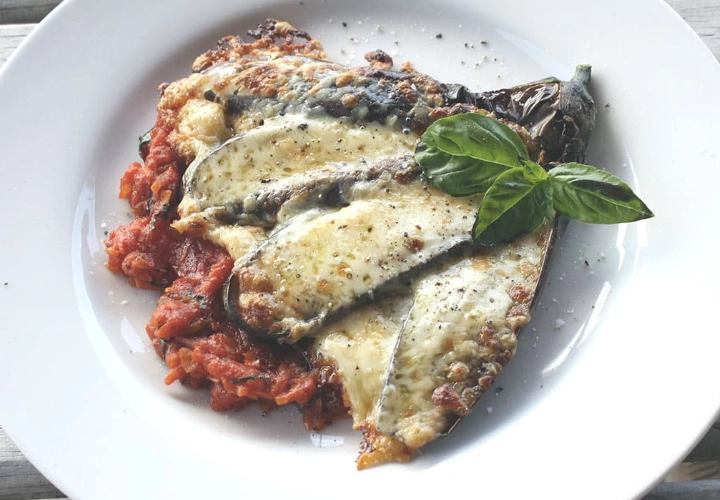
The result is different – smokier, lighter, less rich. It's fantastic. Some purists might scoff, but taste doesn't lie. This method really lets the eggplant's own flavor shine through. You can also use this grilled eggplant for incredible sandwiches or as a side dish with just a drizzle of olive oil and lemon.
A Tour of Italy's Regional Eggplant Gems
This is where it gets really exciting. Italy's regions treat eggplant like a local celebrity, each giving it a unique spin.
| Region | Dish Name | The Key Twist | Best Served As |
|---|---|---|---|
| Sicily | Pasta alla Norma | Fried eggplant cubes with tomato sauce, ricotta salata, and basil over pasta (usually rigatoni or spaghetti). Simple, iconic. | Primo (pasta course) |
| Campania (Naples) | Melanzane a Scapece | Fried eggplant slices marinated in vinegar, mint, and garlic. Refrigerant and tangy. | Antipasto or contorno (side) |
| Apulia (Puglia) | Melanzane al Funghetto | Eggplant cubed and sautéed "mushroom-style" with garlic, parsley, and sometimes tomato. Quick, easy, everyday. | Contorno (side dish) |
| Sardinia | Malloreddus alla Campidanese | Small gnocchi-shaped pasta with a sausage and tomato sauce, often featuring diced eggplant. | Primo (pasta course) |
| Calabria | Melanzane Ripiene | Eggplants halved, hollowed out, and stuffed with their own flesh, breadcrumbs, cheese, cured meats, and herbs, then baked. | Hearty main or side |
I have a soft spot for the Puglian al funghetto method. It's a weeknight lifesaver. The eggplant cubes are fried or sautéed until they take on a meaty, almost mushroom-like consistency (hence the name). Tossed with garlic, fresh tomato, and a mountain of parsley, it's the definition of rustic elegance. You can find a great exploration of this and other Puglian vegetable techniques on Gustiblog, a well-respected Italian food blog that dives deep into regional cooking.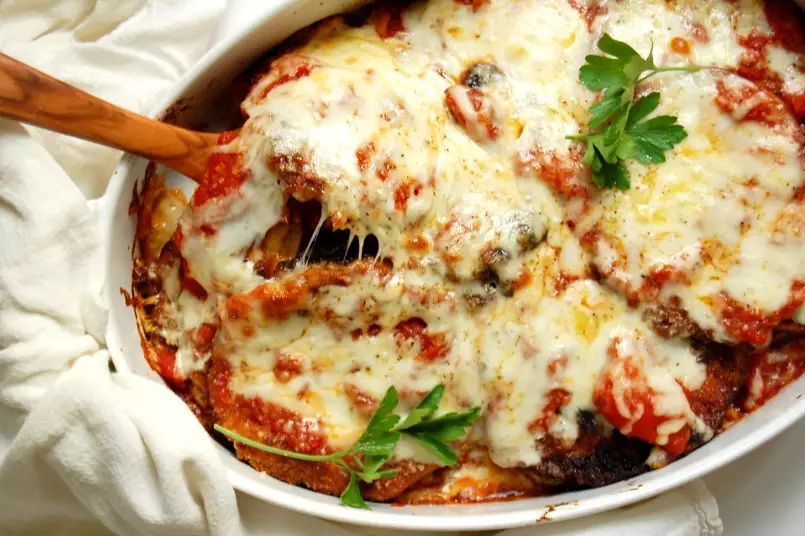
Your Eggplant Toolkit: Methods & Pairings
How you cook the eggplant changes everything. Let's break down the main Italian methods:
- Frying (Fritto): The king for a reason. Creates a crispy exterior and creamy interior. Use a neutral oil with a high smoke point for deep-frying, or plenty of good olive oil for shallow frying. Keep the oil hot to prevent soaking.
- Grilling (Grigliata): Imparts a smoky flavor. Perfect for slices that will be marinated or layered. Brush with oil and get good grill marks.
- Roasting (Al Forno): The easiest hands-off method. Toss cubed, salted eggplant with oil and roast at a high heat (220°C/425°F) until caramelized. Less traditional but incredibly effective for caponata or pasta sauces.
- Sautéing (Saltato): The "al funghetto" method. Medium-high heat, constant stirring. Gets you tender, browned cubes without deep frying.
And what do you pair these authentic Italian eggplant recipes with? A bold, full-bodied red wine can stand up to rich parmigiana – think a Sicilian Nero d'Avola or a Primitivo from Puglia. For lighter, tangier dishes like caponata, a crisp white like a Vermentino or even a dry rosé works wonders.
For more on pairing wines with vegetable-focused Italian dishes, the resources from the Italian Wine Central educational database are incredibly detailed and reliable.
Answering Your Eggplant Questions (The FAQ Every Cook Needs)
Do I really have to peel the eggplant?
Almost never. The skin contains nutrients and adds texture. For very large, old eggplants, the skin can be tough, so you might peel in strips. For most dishes, especially with younger, smaller varieties, leave it on.
Can I substitute other cheeses in Parmigiana?
You can, but it changes the character. Fresh mozzarella gives gooeyness. A firmer, saltier cheese like Pecorino or aged Caciocavallo gives more punch. Avoid pre-shredded cheeses with anti-caking agents; they don't melt properly. A mix is often best.
Why is my fried eggplant so oily?
Three likely culprits: 1) You didn't salt and dry it enough. 2) The oil wasn't hot enough when you added the eggplant (it should sizzle vigorously). 3) You overcrowded the pan, dropping the oil temperature.
Can I make these dishes ahead?
Absolutely! In fact, most authentic Italian eggplant recipes like parmigiana and caponata benefit immensely from being made a day ahead. The flavors meld and deepen. Reheat parmigiana gently in the oven.
What's the best eggplant variety to use?
For most Italian recipes, the classic globe eggplant (the large, dark purple one) is perfect. For dishes where you want smaller slices or cubes (like for frying for pasta alla Norma), the longer, thinner Italian or Japanese varieties are great—they often have fewer seeds and less bitterness.
Bringing It All Home: Start With One Dish
Don't feel overwhelmed. The beauty of these authentic Italian eggplant recipes is their soulfulness, not their complexity.
My advice? Start with Melanzane al Funghetto. It's one pan, under 30 minutes, and teaches you the core skills of prepping and sautéing eggplant. Master that, then maybe try a baked, lighter version of parmigiana. Then, when you have an afternoon to spare, dive into caponata. Each dish builds your confidence and your palate.
Remember, Italian home cooking isn't about perfection. It's about quality ingredients treated with respect. It's about that slightly charred edge on a grilled slice, the way the eggplant soaks up the sweet and sour sauce in a caponata, the messy, cheesy glory of a slice of parmigiana that's been allowed to rest properly.
For truly in-depth, scientifically-backed information on eggplant varieties, seasons, and nutritional content, I always cross-reference with the Ministry of Agricultural, Food and Forestry Policies' database at politicheagricole.it. It's a dry read, but it's the source of truth for what's growing in Italy and when.
So grab an eggplant, some good olive oil, and don't be afraid of a little salt. The real taste of Italy is waiting in your kitchen.
Related Articles
Master Authentic Italian Recipes: The Ultimate Guide to Real Italian Cooking
Minestrone: Italy's Most Beloved Soup Explained
What Are the Most Popular Italian Appetizers? A Complete Guide to Antipasti
Mastering Italian Fish Recipes: From Classic to Coastal
4 Famous Italian Pastas: Types, History & Cooking Guide