What Are the Three Ingredients in Italian Pasta Sauce? (The Essential Trio)
In This Article
- Breaking Down the Essential Trio: More Than Meets the Eye
- But Wait... It's Never *Just* Three, Is It?
- The Regional Reality: Famous Sauces That Bend the "Three-Ingredient" Rule
- Your Practical Guide: From Basic Trio to Masterful Sauce
- Answering Your Burning Questions (The FAQ You Actually Need)
- Final Thoughts: Embrace the Spirit, Not Just the Recipe
So you typed that question into Google, didn't you? "What are the three ingredients in Italian pasta sauce?" It's one of those searches that feels like it should have a simple, magical answer. Like a secret code that unlocks authentic Italian cooking in your own kitchen. I get it. I was there too, staring at jars of pre-made sauce in the supermarket, wondering what the real deal actually was.
The short, classic answer you're probably looking for is: tomatoes, onion, and garlic. That's the holy trinity for a basic, beautiful sugo di pomodoro or marinara. It's the foundation. But here's the thing—if you stop there, you're missing the whole beautiful, chaotic, regional story of Italian food. That trio is just the opening sentence.
Let's talk about why this question is so popular. It speaks to a desire for simplicity and authenticity. We're tired of complicated recipes with twenty ingredients. We want the essence. And in that search for essence, we hit on this idea of the "three ingredients." It's comforting. Manageable. But is it the whole story? Not quite.
Breaking Down the Essential Trio: More Than Meets the Eye
Okay, let's get into the weeds with each one. Because each of these "simple" ingredients has layers.
Tomatoes: The Heart of the Matter
This seems obvious, right? Tomatoes. But which tomatoes? This is where the first big fork in the road appears. In Italy, the type of tomato is a point of regional pride and fierce debate.
For a sauce that's bright, fresh, and quick, you use fresh, ripe plum tomatoes (like San Marzano) when they're in season. You blanch them, peel them, crush them by hand. The flavor is vibrant, almost sweet. But most of the year, and for a deeper, richer, more concentrated sauce, Italians reach for canned tomatoes. And not just any can. Look for "San Marzano DOP" on the label. The DOP certification means they're grown in a specific region near Naples, in volcanic soil, with strict rules. They have fewer seeds, thicker flesh, and a lower acidity. They're the gold standard for a reason.
I made the mistake once of using cheap, watery canned tomatoes for a sauce I was simmering for hours. Big regret. The sauce never developed that deep, velvety richness. It just tasted... cooked and thin. The tomato is the main character. Don't cast an understudy.
You'll also see recipes calling for passata (tomato puree) or concentrated tomato paste. Paste is often used in small amounts, fried with the onions and garlic at the start (that's called a soffritto), to build a deep, savory base flavor—what chefs call "umami."
Onion: The Sweet Foundation
Onion is the quiet workhorse. It's not there to shout. When cooked slowly in olive oil until soft and translucent (never browned for a classic sauce!), it melts into the background, providing a subtle sweetness and body that forms the backbone of the flavor. Yellow onions are the typical choice for their balanced flavor.
Some recipes, especially in Southern Italy, might use a shallot for a more delicate touch. In parts of the North, you might even find a recipe that skips onion altogether in favor of just garlic, or uses a soffritto of carrot and celery instead (more on that later). But for our core "three ingredients" model, the yellow onion is your guy.
The key is patience. Rushing this step and having the onion turn golden or, worse, brown, will give the entire sauce a caramelized, almost fried flavor. That's great for some dishes, but not for the bright, clean profile of a simple tomato sauce.
Garlic: The Aromatic Soul
Ah, garlic. The most likely ingredient to be overdone by home cooks outside of Italy. In authentic Italian cooking, garlic is used with a lighter hand than you might think. It's an aromatic, not a main event.
The classic method is to gently sauté sliced or lightly crushed cloves in the olive oil until they just become fragrant and take on a very pale gold color. Then, you often remove them. Yes, remove them! This infuses the oil with garlic essence without the risk of it burning and turning bitter during the longer cooking process. Burnt garlic will ruin a sauce faster than anything.
If you leave the cloves in, they should practically melt into the sauce, becoming soft and sweet. The pungent raw bite is completely transformed. It's a different ingredient altogether.
So, when someone asks what are the three ingredients in Italian pasta sauce, they're picturing this beautiful dance: sweet onion softening in golden oil, perfumed with gentle garlic, before the tomatoes come crashing in. It's a perfect start.
But Wait... It's Never *Just* Three, Is It?
This is the crucial part. If you only remember the three ingredients, you'll make a decent sauce. But to make a great one, you need to acknowledge the unofficial fourth, fifth, and sixth ingredients that are always there, even if they're not in the title.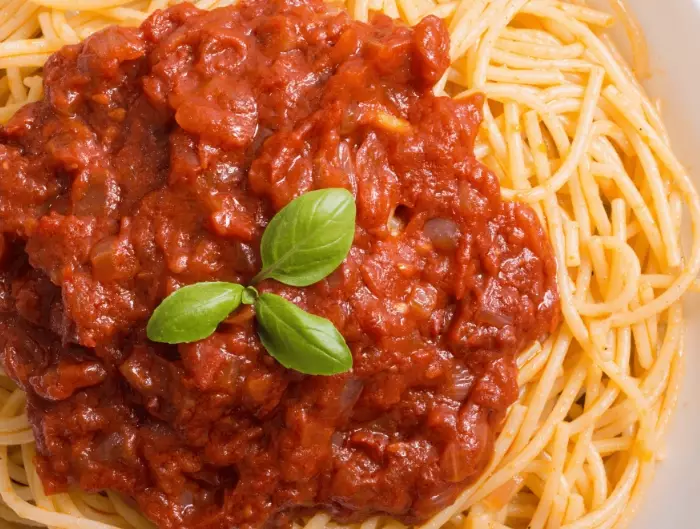
Extra Virgin Olive Oil: This isn't just a cooking medium; it's a seasoning. A flavorful, fruity, peppery olive oil added at the end, raw, is a game-changer. It brightens everything up. The oil you start with matters too.
Salt: Obvious, but critical. Salt doesn't just make things salty; it unlocks and balances all the other flavors. Season in stages—a little in the soffritto, then adjust when the tomatoes go in, and finally, just before serving.
Fresh Herbs (Basil): Basil is the classic partner for tomato. The rule of thumb? Add whole sprigs (stem and all) during cooking to infuse flavor, then tear fresh leaves and stir them in right at the end for that incredible aroma. If you add delicate basil at the start of a long simmer, it turns black and bitter. Learned that the hard way.
Time: Is time an ingredient? In Italian cooking, absolutely. A quick, 20-minute marinara has a bright, fresh appeal. A ragù simmered for 3 hours is a different beast entirely—deep, complex, and harmonious. Time transforms the acidity of the tomato into sweetness.
The Regional Reality: Famous Sauces That Bend the "Three-Ingredient" Rule
Italy is a collection of regions with fiercely independent culinary traditions. The "three ingredients" template is largely a Southern Italian (specifically Neapolitan) concept. Travel north, and the story changes.
Let's look at a few famous pasta sauces and see how they compare to our core trio. This table makes it clear how our starting point is just one of many possibilities.
| Pasta Sauce Name | Core Ingredients (Beyond our trio) | Region of Origin | How it Deviates from the "3-Ingredient" Model |
|---|---|---|---|
| Amatriciana | Guanciale (cured pork cheek), Pecorino Romano cheese, chili pepper. | Lazio (Rome area) | Uses tomato, but onion is controversial (many Romans omit it!). The stars are guanciale and pecorino. |
| Pesto alla Genovese | Fresh basil, pine nuts, Parmigiano-Reggiano, Pecorino, olive oil. | Liguria | No tomato, no onion, no garlic (well, a tiny optional clove). It's a completely different universe of sauce. |
| Carbonara | Egg yolks, Pecorino Romano, Guanciale, black pepper. | Lazio (Rome) | No tomato at all. Cream is forbidden! The sauce is an emulsion of egg, cheese, and pasta water. |
| Ragù alla Bolognese | Ground meat (beef, pork, sometimes veal), carrot, celery, wine, milk. | Emilia-Romagna | Tomato is a background player (often just paste or a small amount of passata). The soffritto is onion, carrot, celery. It's meat-centric and slow-cooked. |
| Puttanesca | Anchovies, capers, olives, chili flakes. | Campania (Naples) | Starts with the tomato/garlic base (onion is rare), but gets its bold, salty character from preserved fish and vegetables. No fresh herbs. |
See what I mean? The question what are the three ingredients in Italian pasta sauce really only has a definitive answer if we're talking about one specific, albeit very important, family of sauces. It's like asking "what are the three ingredients in a sandwich?" Well, bread and... it depends!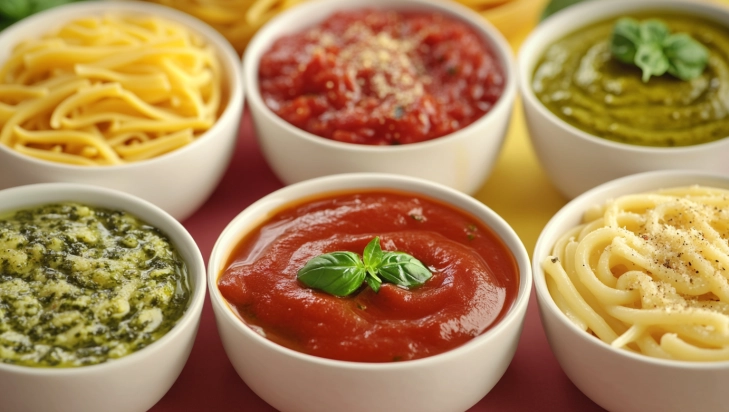
That Bolognese entry is key. In much of Northern Italy, the holy trinity for a soffritto is odori: onion, carrot, and celery. Garlic might not even make an appearance. So if you're trying to make an authentic ragù, sticking rigidly to the tomato-onion-garlic rule would lead you astray.
Your Practical Guide: From Basic Trio to Masterful Sauce
Let's get practical. You want to make sauce. Here’s how to take the three ingredients and turn them into something memorable.
The Step-by-Step Process (The "Why" Behind Each Step)
- Choose Your Fat: Use a good quality extra virgin olive oil. Pour a generous glug into a wide, heavy-bottomed pan (a Dutch oven is perfect) and heat it gently.
- Build the Soffritto: Add your finely chopped onion. A pinch of salt here helps it sweat without browning. Cook on low heat until it's soft and translucent—this can take 8-10 minutes. Don't rush. This sweetness is fundamental.
- Infuse with Garlic: Add your sliced garlic. Cook for just about 60-90 seconds until fragrant. If you're nervous about burning, you can even add the garlic to the cold oil with the onion at the start. It's more forgiving.
- The Tomato Moment: Add your tomatoes. If using canned whole tomatoes, crush them with your hands directly into the pan. I love doing this; it feels primal. The splatter is part of the fun. Include the juices from the can.
- Season and Simmer: Add another pinch of salt and, if you like, a few whole basil stems. Bring to a lively bubble, then immediately reduce the heat to the lowest setting. Let it barely simmer. A quick sauce needs 15-20 minutes. A Sunday sauce can go for an hour or more, with occasional stirring. The sauce will thicken and the flavors will marry.
- Finish with Finesse: Right before serving, discard the basil stems and garlic cloves (if you left them in). Tear in fresh basil leaves. Consider a final drizzle of your best, raw olive oil. Taste and adjust salt one last time.
What about cheese? Grated Parmigiano-Reggiano or Pecorino Romano is almost always served on top of the sauced pasta, not cooked into the sauce itself (except in specific recipes like Alfredo). Adding it directly to the simmering pot can make it clumpy and overpowering.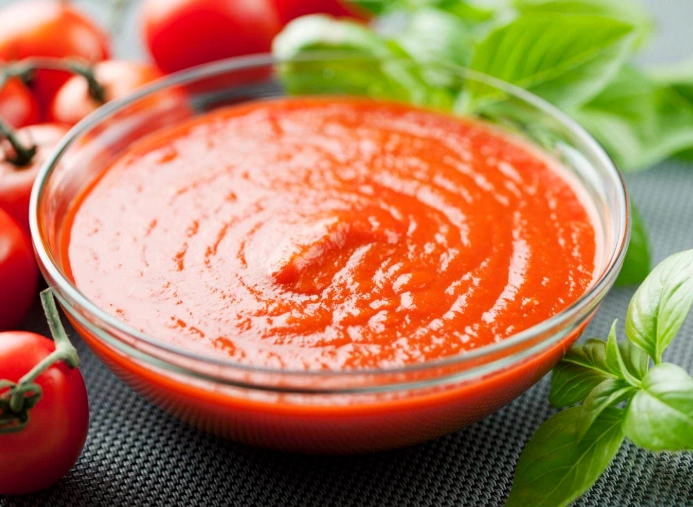
Answering Your Burning Questions (The FAQ You Actually Need)
Can I use tomato sauce or ketchup instead of canned tomatoes?
Please, no. American "tomato sauce" is often seasoned with herbs and salt already, which throws off your control. Ketchup is sweetened and vinegary—it's a condiment, not a cooking ingredient. Stick to canned whole peeled tomatoes or passata. Trust me.
Do I really need to use fresh garlic? Can I use powder?
For the infused-oil foundation of a real sauce, fresh is non-negotiable. Garlic powder has its place (like in dry rubs), but it will give the sauce a dusty, one-dimensional flavor. It also burns instantly in hot oil. If you're in a desperate pinch, you could very lightly sprinkle a tiny bit into the simmering sauce, but the result won't be the same.
What if I don't have an onion?
You can make a sauce with just tomato and garlic. It will be sharper and more direct. A small shallot or even the white part of a green onion can sub in a pinch. Or, lean into the regional variations and start with a base of pancetta or guanciale for fat and flavor instead.
How can I make my sauce richer without meat?
Great question. A tablespoon of tomato paste, fried with the onions for a minute before adding the main tomatoes, adds incredible depth. A piece of Parmesan rind (washed first!) simmered in the sauce works wonders, adding umami and body. A splash of the pasta cooking water, full of starch, at the very end helps the sauce cling to the pasta and creates a silky texture.
Is adding sugar to tomato sauce an Italian thing?
This is a huge point of contention. In most traditional Italian homes, no. Sugar is used to balance overly acidic tomatoes, which is often a problem with lower-quality canned tomatoes. The authentic approach is to choose good tomatoes (like San Marzano) and/or use the carrot or baking soda trick mentioned earlier. If you must add sugar, a tiny pinch—we're talking less than 1/4 teaspoon for a large pot—is the absolute max.
You see, the search for what are the three ingredients in Italian pasta sauce opens a door. It's the right question to ask to get started. But the real joy is discovering that the answer is a beginning, not an end.
Final Thoughts: Embrace the Spirit, Not Just the Recipe
At its heart, Italian cooking is about quality ingredients, treated with respect, and combined with sense rather than strict science. The "three ingredients" are a beautiful lesson in that philosophy. With just a few excellent things, you can create something that feels like more than the sum of its parts.
So start with your tomato, your onion, your garlic. Master that simple dance. Get the feel for the simmer. Then, when you're comfortable, start wandering. Add a pinch of chili flake with the garlic for a little heat. Toss in some olives and capers at the end for a puttanesca vibe. Fry some cubed pancetta before the onion for a heartier start.
That's when you'll make not just a pasta sauce, but your pasta sauce. And that's the most delicious thing of all.
Related Articles
Ultimate Guide to Italian Sandwich Recipes: From Classics to Modern Twists
What Are the Most Popular Italian Appetizers? A Complete Guide to Antipasti
Italian Sauce Recipe: Secrets from a Nonna's Kitchen

The scale of securities lending and securities lending has dropped by more than

Best Italian Dessert Recipes for Dinner Party to Impress Your Guests