Traditional Italian Pasta Sauces: A Complete Guide to the Classics
Quick Guide
Let's talk about pasta sauce. I mean, real pasta sauce. Not the stuff in a jar with a picture of the leaning tower of Pisa on it (though, no judgment if that's your Tuesday night savior). We're diving into the world of traditional Italian pasta sauces, the ones that have been simmering on nonna's stove for generations. You know, the ones with rules, but also with soul. The kind that makes you wonder, what are traditional Italian pasta sauces, really?
It's more than just tomato and basil. It's a map of Italy on a plate. A creamy carbonara from Rome tells a different story than a fiery arrabbiata from the south. A rich, meaty ragù from Bologna is a world away from the simple, garlicky punch of aglio e olio from Naples.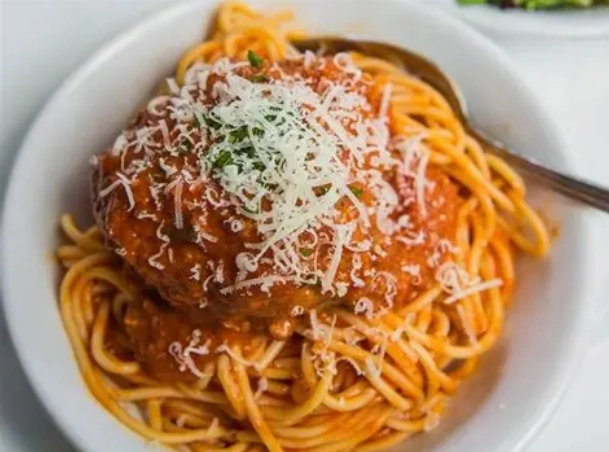
I remember the first time I tried to make a proper pomodoro. I used every herb in my cupboard. Big mistake. My Italian friend took one look and just laughed. "Sometimes," he said, "less is more. Let the tomato sing." That's the heart of it. These sauces aren't about showing off. They're about a few great ingredients, treated with respect, coming together in a way that's just... right.
The Core Philosophy: Traditional Italian pasta sauces are defined by a few unwritten rules. They are deeply regional, often tied to a specific town or valley. They prioritize the quality of a few key ingredients over a long list of them. And crucially, they are designed to coat the pasta, not drown it. The sauce and the pasta shape are a married couple—chosen for each other.
The Undisputed Heavyweights: Italy's "Mother Sauces"
If you want to understand what are traditional Italian pasta sauces, you have to start with the big four. These are the foundations. The ones you'll see everywhere, from a fancy trattoria in Florence to a simple home kitchen in Sicily. They form the base of so many other dishes.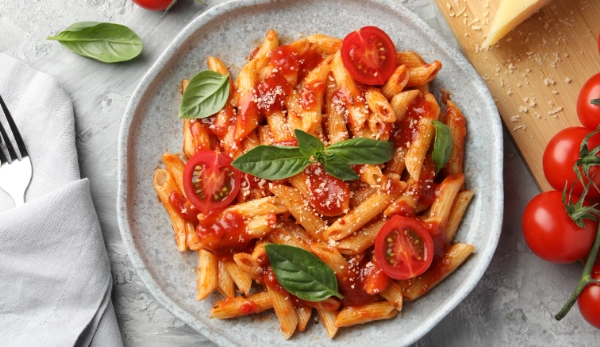
Pomodoro (Tomato Sauce)
This is the king. The bright red, sweet, and savory heart of so many dishes. But a true sugo di pomodoro is not what you might think. It's not cooked for hours. It's fresh, quick, and celebrates the tomato. You start with good canned tomatoes (San Marzano DOP from the Campania region are the gold standard, and you can verify their authenticity through the Italian Ministry of Agricultural, Food and Forestry Policies which regulates the DOP status). You simmer them gently with a soffritto of onion (or sometimes just garlic), olive oil, and maybe a basil leaf at the very end.
No sugar. Please, no sugar. If your tomatoes are good, they're sweet enough. The sauce should be vibrant, not stewed into submission. It clings to spaghetti like a dream.
My personal take? A lot of recipes overcomplicate it. You don't need carrot and celery in a basic pomodoro. It muddies the clean tomato flavor. Keep it simple.
Ragù
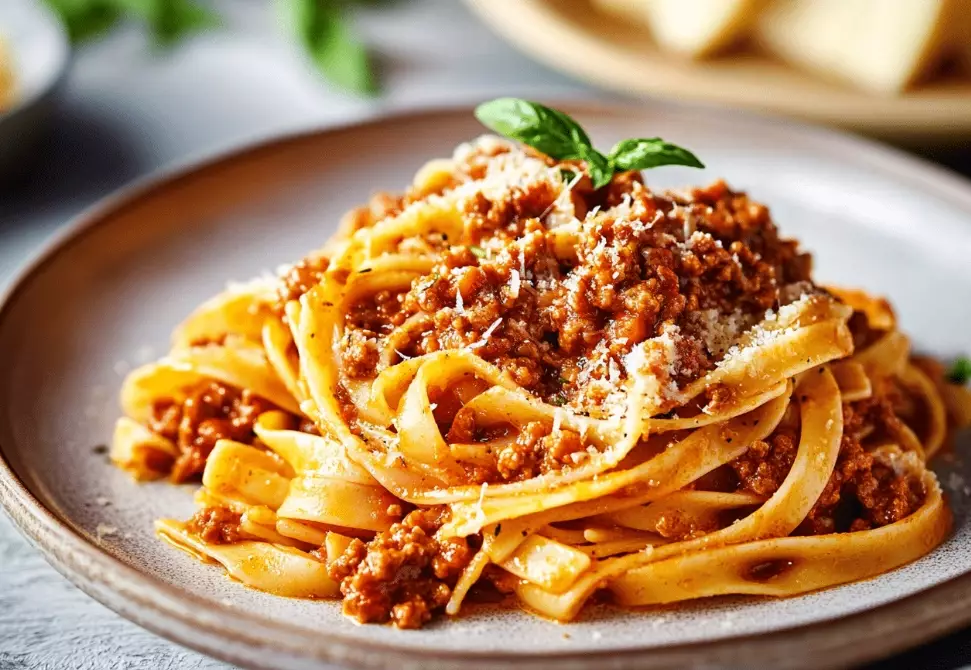
Ah, ragù. This is the opposite of pomodoro. This is the slow dance. A meat-based sauce that simmers for hours, sometimes half a day, until the meat falls apart and the flavors are deep, complex, and comforting. The most famous is Ragù alla Bolognese. And before you say it, no, it does not contain garlic. That's a hill many Bolognese cooks will die on.
Authentic Bolognese is a sofrito of onion, carrot, and celery, cooked in butter and oil. Then you add ground meat (a mix of beef and pork, sometimes with a bit of pancetta), brown it, add wine (white or red, another debate!), a little tomato paste or some crushed tomato, and then milk or broth. Yes, milk. It sounds weird, but it tenderizes the meat and creates an incredible richness. You let it bubble away for at least 2-3 hours. The result is not a "sloppy joe" sauce; it's a thick, meaty condiment meant for wide pasta like tagliatelle or lasagna sheets.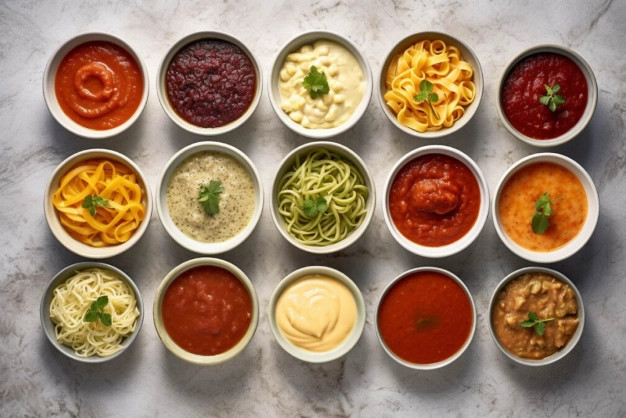
Pro Tip: The official recipe for Ragù Bolognese is deposited with the Bologna Chamber of Commerce (Bologna Welcome often references this). It's a point of civic pride!
Pesto alla Genovese
From the heat of slow-cooked ragù to the brilliant, fresh blast of pesto. Hailing from Liguria, this is a sauce of pure, uncooked energy. Basil, pine nuts, garlic, Parmigiano-Reggiano or Pecorino (or both), and loads of extra virgin olive oil, pounded together in a mortar and pestle. The name comes from the verb "pestare," to crush.
The key is fresh, young basil leaves. Not the big, tough ones. And you have to be careful with the garlic—one small clove is often enough, or it overpowers everything. Served with trofie or trenette pasta, maybe with some boiled potatoes and green beans mixed in, it's summer in a bowl. The jarred stuff? It's a pale, often oily imitation. Making it fresh is a revelation, and it takes 10 minutes.
Carbonara
The queen of Roman pasta sauces, and arguably the most abused dish outside of Italy. Let's clear this up: Authentic carbonara contains no cream. Ever. The creaminess comes from a magical emulsion of egg yolks, grated Pecorino Romano cheese, black pepper, and the hot fat from rendered guanciale (cured pork cheek).
You toss hot, just-drained spaghetti with the crispy guanciale and its fat. Then, off the heat, you quickly stir in the egg and cheese mixture. The residual heat cooks the eggs into a silky, creamy sauce that coats every strand. Adding cream is a cardinal sin in Rome—it makes the sauce heavy and masks the beautiful, sharp, salty flavors of the pecorino and guanciale. It's a dish of beautiful simplicity and precision. Get the timing wrong, and you have scrambled eggs with pasta. Get it right, and it's heaven.
Common Mistake Alert: Using bacon instead of guanciale or pancetta changes the flavor profile completely. Guanciale has a more delicate, sweet porkiness. Bacon is smoked and often too strong. And for the cheese, it must be Pecorino Romano, a sharp sheep's milk cheese. Parmigiano is too mild on its own here.
Beyond the Big Four: The Essential Supporting Cast
Okay, so you know the headliners. But the story of traditional Italian pasta sauces has so many more characters. These are the sauces you might not think of first, but they are just as iconic in their regions.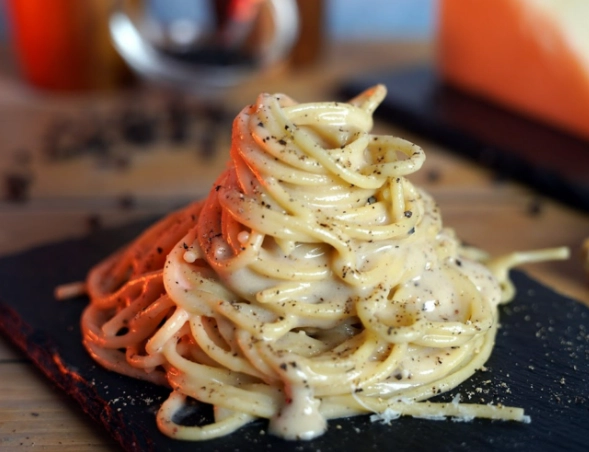
| Sauce Name | Region of Origin | Key Ingredients | Perfect Pasta Pairing | The Vibe |
|---|---|---|---|---|
| Amatriciana (Amatriciana) | Lazio (from Amatrice) | Guanciale, tomato, Pecorino Romano, pepper | Bucatini | Smoky, spicy, savory. A Roman staple with a kick. |
| Arrabbiata | Lazio (Rome) | Tomato, garlic, dried red chili peppers (peperoncino) | Penne | Fiery and simple. "Arrabbiata" means angry! |
| Puttanesca | Campania (Naples) | Tomato, olives, capers, anchovies, garlic, oregano | Spaghetti | Bold, salty, briny. A pantry-raid powerhouse. |
| Alfredo (The Real One) | Lazio (Rome) | Butter, Parmigiano-Reggiano, pasta water | Fettuccine | Ultra-rich, cheesy, and indulgent. No cream in the original. |
| Aglio, Olio e Peperoncino | Campania | Garlic, olive oil, dried chili flakes, parsley | Spaghetti or Linguine | The ultimate midnight snack. Garlicky, spicy, and pure comfort. |
| Cacio e Pepe | Lazio (Rome) | Pecorino Romano, black pepper, pasta water | Tonnarelli or Spaghetti | Deceptively simple. A test of technique to make a creamy cheese sauce with just water and starch. |
See what I mean? Each one has a personality. Amatriciana is like carbonara's tomatoey cousin. Puttanesca is a loud, fun argument of flavors—salty, briny, and unapologetic. And cacio e pepe? That's the minimalist art piece. It looks easy, but getting that cheese to melt into a smooth, creamy sauce without clumping is a skill. I've made a grainy, clumpy mess more than once. It's frustrating, but when you get it right, it's pure magic.
Bucatini for amatriciana because the hole in the middle catches the chunky sauce. Rigatoni or penne for ragù because the ridges and tubes hold the meat. Long, thin spaghetti for aglio e olio because the oil coats it perfectly. It's a designed partnership. The Academia Barilla, a center dedicated to Italian gastronomic culture, has extensive resources on these pairings, and it's fascinating to dive into the "why" behind them.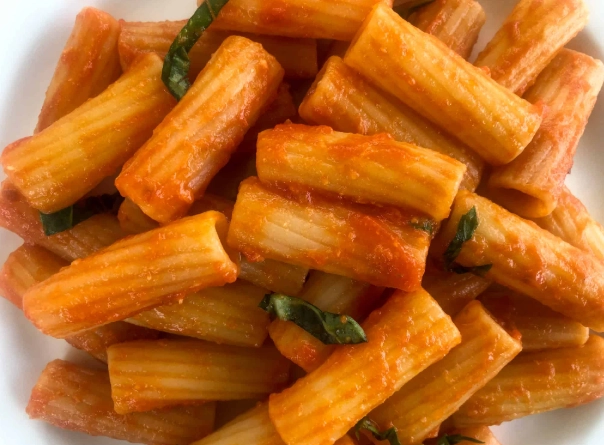
The Regional Map on Your Plate
Asking what are traditional Italian pasta sauces is like asking what the landscapes of Italy are. They change completely every hundred miles.
North vs. South: A Buttery Divide
This is the big one. Northern Italian sauces often feature butter, cream, and richer ingredients. Think of the butter and sage sauce for pumpkin ravioli. Or a rich, meaty ragù. The cooking fat of choice is often butter or lard.
Southern Italian sauces are the kingdom of olive oil, tomatoes, and seafood. Aglio e olio, puttanesca, fresh tomato sauces, and simple preparations with clams or mussels. The flavors are brighter, sharper, and often spicier.
It makes sense when you think about the land. The north has plains for cattle (butter, cheese, milk). The south has a sunny coast and olive groves (oil, tomatoes, fresh fish). The sauce tells you where you are.
The Forgotten Classics: Sauces Time Almost Forgot
Then there are the hyper-local gems you won't find on every menu. Pasta alla Norma from Sicily: fried eggplant, tomato, basil, and salty ricotta salata cheese. It's incredible. Pasta al limone from the Amalfi Coast: a quick sauce of lemon zest, juice, cream, butter, and cheese. It's sunshine in a bowl. Pasta con le sarde from Sicily: sardines, wild fennel, pine nuts, raisins. It sounds wild, but the sweet and savory balance is mind-blowing.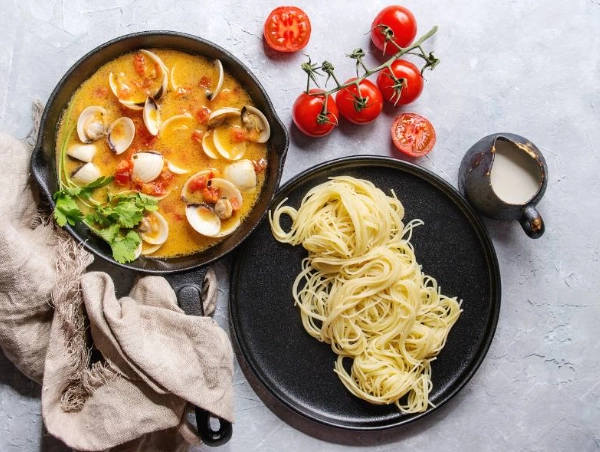
These are the sauces that make traveling in Italy so exciting. You go to a region and discover a new favorite you never knew existed.
Your Questions, Answered (The Stuff You Actually Google)
This confuses everyone. In Italy, "Marinara" is a specific, quick tomato sauce with garlic, oregano, and sometimes olives or capers. It's often associated with seafood ("marinara" means sailor-style). In the US, "marinara" has become a catch-all term for a simple, seasoned tomato sauce. A true Italian pomodoro is often even simpler—just tomato, onion/garlic, basil, oil, salt. It's purer. The American "marinara" is usually more heavily herbed and garlicky.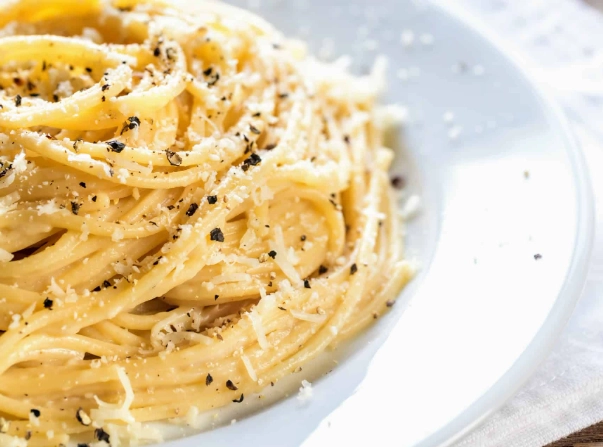
Yes, of course they do! They're busy people too. The difference is the quality of the jarred sauce available there is generally much higher, with fewer additives and simpler ingredient lists that mimic homemade. It's a convenience item, not the default. Making a quick aglio e olio or a pomodoro from canned tomatoes is still often faster than heating a jar.
Two main reasons. First, you might be adding the pasta to the sauce with too much pasta water. Add the pasta water a splash at a time—you can always add more, but you can't take it out. Second, you might not be finishing the pasta in the sauce. The magic step is taking your al dente pasta, draining it (but saving some water!), and tossing it in the pan with the sauce for the last minute or two of cooking. The pasta absorbs the sauce, and the starch from the pasta water helps everything emulsify and cling. Don't just pour sauce on top of naked pasta in a bowl.
This is a major taboo in Italian cooking, especially in the south. The rule is: no cheese on pasta with fish or seafood. The flavors are said to clash, and the cheese overpowers the delicate taste of the seafood. In places like Rome, you might get a stern look from the waiter if you ask for cheese for your spaghetti alle vongole (with clams). Up north, with richer, cream-based seafood sauces, the rule is sometimes bent a little. But as a general guideline, if it comes from the sea, skip the Parmigiano.
Bringing It Home: How to Cook Like the Tradition Intends
So you want to make a real, traditional Italian pasta sauce? Forget the complicated recipes with 20 ingredients. Focus on these principles instead.
The Non-Negotiables:
- Quality Ingredients: The best canned tomatoes you can afford (look for DOP San Marzano or a good brand with just tomatoes and maybe basil leaf). Real Parmigiano-Reggiano or Pecorino Romano (buy a block and grate it yourself—the pre-grated stuff has anti-caking agents that ruin the melt). Good extra virgin olive oil.
- Salt Your Pasta Water: It should taste like the sea. This is your only chance to season the pasta itself.
- Reserve Pasta Water: That starchy, salty liquid is liquid gold for thickening and finishing your sauce.
- Finish the Pasta in the Sauce: This is the single most important technique. It transforms a dish from "pasta with sauce" to "pasta in sauce."
Start with one sauce. Master it. Maybe it's aglio e olio—it's cheap, fast, and teaches you about controlling heat (burn the garlic and it's ruined). Then try a pomodoro. Then maybe venture into a carbonara. Build your confidence.
And don't be afraid to mess up. My first carbonara was a scrambled egg disaster. My first attempt at cacio e pepe was a stringy, clumpy nightmare. It happens. The traditional Italian pasta sauces are forgiving teachers. They reward attention and punish haste.
At the end of the day, these sauces are about community, about family, about taking simple things and making them extraordinary. They're not just recipes; they're stories. Stories of places, of people, and of the beautiful, delicious simplicity that happens when you respect your ingredients. That's really what traditional Italian pasta sauces are all about.
Now, go put a pot of water on to boil. You've got some cooking to do.
Related Articles
Zesty Italian Dressing Recipe: Easy Homemade Guide
Italian vs American Braciole: The Real Differences Explained
Ultimate Guide to Best Italian Appetizer Recipes for Any Occasion
Top 10 Italian Dishes You Must Try: Authentic Flavors Explained
Italian Meatball Recipe: Step-by-Step Guide & Secrets for Tender Meatballs
Italy's Most Traditional Dish: The Definitive Guide to Authentic Cuisine

Sudden good news! The RMB surged 300 points, 4,100 A-shares rose, and banks that
Ultimate Guide to Spaghetti Pasta Recipes: Easy, Authentic & Creative

The Most Popular Cocktail in Italy: A Deep Dive into the Aperol Spritz

Is it worth it for companies to sponsor the Olympics? | Finance looks at the Oly
Italian Shrimp Recipes: From Classic Scampi to Modern Dishes
Authentic Italian Pizza Recipe: A Step-by-Step Guide

Why did China Resources take over Tasly?
Italian Baked Dishes Recipes: From Classic Lasagna to Rustic Focaccia

Authentic Italian Cannoli Recipe: Crispy Shells & Sweet Ricotta Filling
Top 10 Italian Dishes Veg: Best Vegetarian Pasta & Mains Guide
The Ultimate Guide to Making Authentic Italian Lasagna at Home
Classic Italian Bolognese Recipe: Master the Authentic Ragu
Pasta Recipes: A Complete Guide from Beginner to Pro

Simple Italian Cocktail Recipes: Easy Classics & Modern Twists

The number has increased nearly fourfold in ten years, and the global digital ba
The Ultimate Italian Sandwich Recipe: A Step-by-Step Guide
Italian Salad Recipe: Authentic, Easy & Delicious Step-by-Step Guide

Authentic Italian Dessert Recipes: Easy Tiramisu, Cannoli & More

Authentic Italian Cookies Recipe: A Guide to Classic Biscotti & More
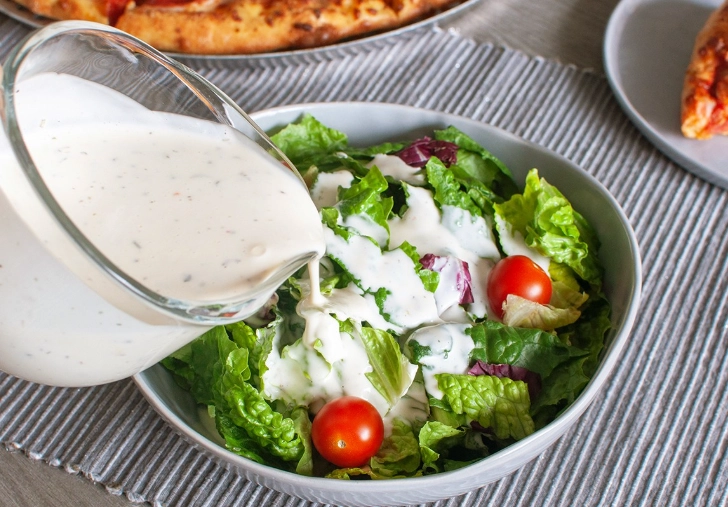
Easy Creamy Italian Dressing Recipe (Better Than Store-Bought)
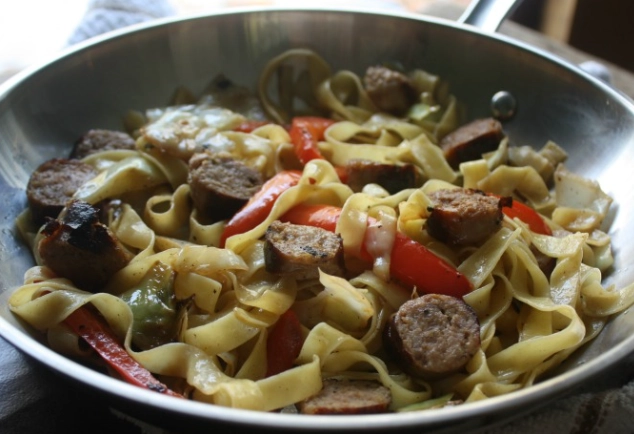
Simple Italian Sausage Dinners: Quick Recipes for Busy Nights
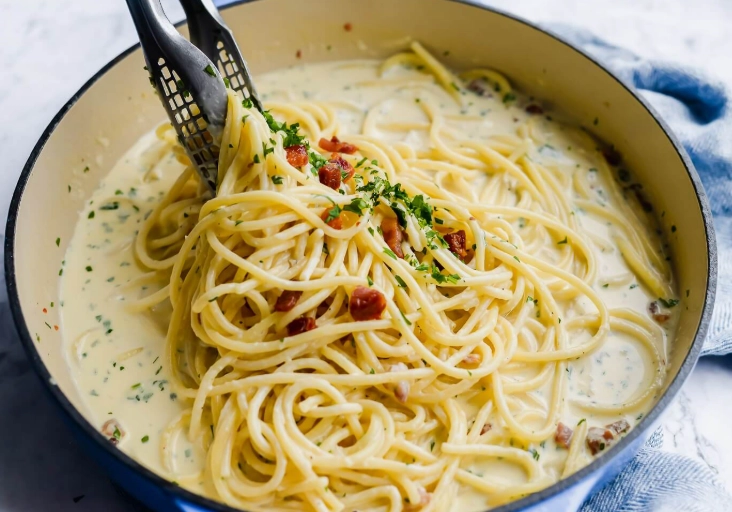
Authentic Carbonara Recipe (No Cream!): The Real Italian Way
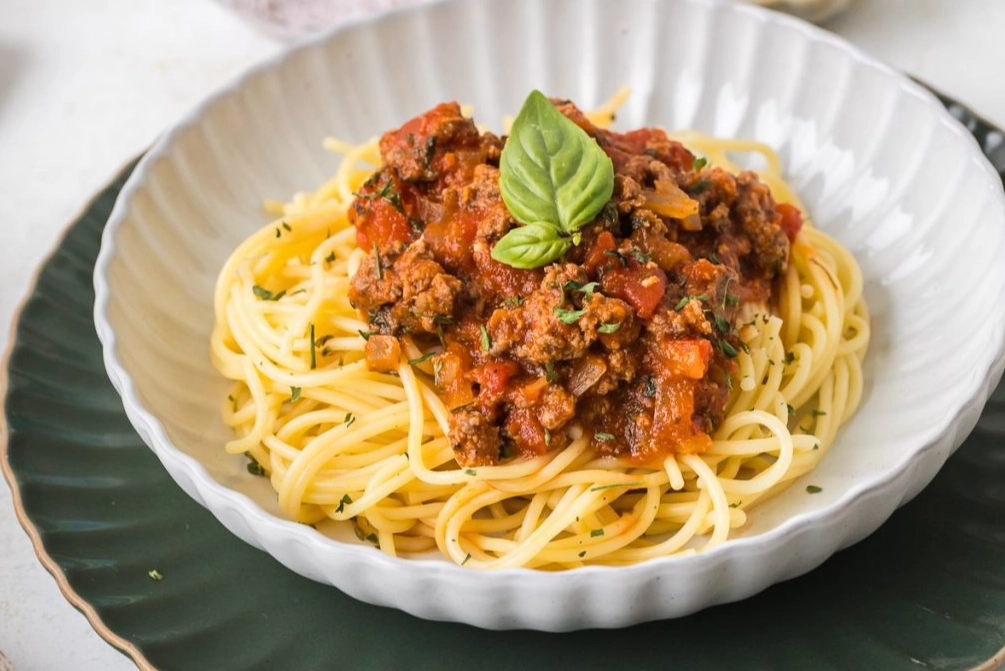
Authentic Italian Pasta Sauce Recipes: From Classic Tomato to Rich Ragù
Leave a Comment