Traditional Italian Pasta Sauce: The Complete Guide to Authentic Recipes & Secrets
Your Quick Guide to Authentic Italian Sauces
- It's Not Just Sauce: A Slice of History on Your Plate
- The Four Pillars: Your Foundation for Authenticity
- Why Pasta Shape Matters More Than You Think
- From Market to Plate: The Step-by-Step Craft
- The Non-Negotiable Ingredients
- The Method: Low and Slow is the Only Way
- The Top 5 Mistakes That Scream "I'm Not Authentic"
- Answering Your Burning Questions (FAQ)
- Taking It Further: Regional Gems to Explore
Let's be honest for a second. When you think of a traditional Italian pasta sauce, what comes to mind? Is it that jar from the supermarket shelf with a picture of a nonna on it? Or maybe it's that rich, deep-red concoction you had at that little trattoria in Rome that you still dream about. There's a massive, delicious canyon between those two things. I learned this the hard way, after years of making what I thought was a decent "marinara" that an Italian friend once politely called "interesting." Ouch.
This isn't about fancy techniques or impossible-to-find ingredients. It's about understanding a food culture where the sauce isn't just a topping; it's the heart of the meal. A proper traditional Italian pasta sauce is a lesson in patience, quality, and respect for a few simple things. It's about coaxing flavor out of tomatoes, garlic, and herbs, not burying them. So, how do you cross that canyon from "interesting" to "authentic"? Let's dig in.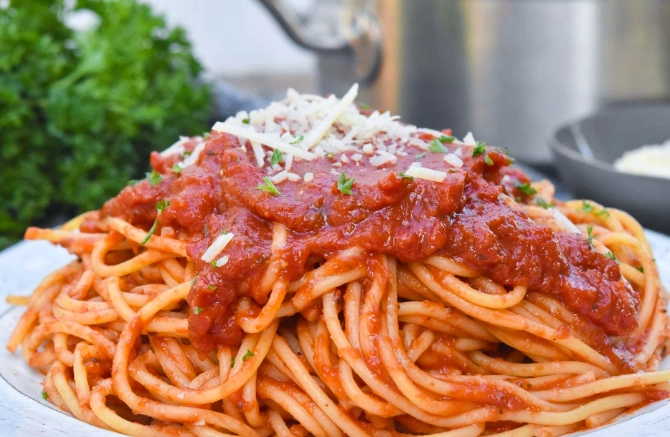
It's Not Just Sauce: A Slice of History on Your Plate
To get why these sauces are so important, you have to peek at the history. The story of the tomato is key. Tomatoes aren't even native to Italy—they came from the Americas in the 16th century. Can you imagine Italian food without them? For a long time, people in Europe thought they were poisonous (they're in the nightshade family, after all). It took centuries of cautious experimentation, mostly by poor farmers in Southern Italy, for the tomato to become the superstar it is today.
Before the tomato, pasta was eaten dry or with simple sauces of cheese, fat, and maybe some herbs. The introduction of the tomato, particularly the practice of sun-drying or slowly cooking them down, revolutionized everything. It provided a cheap, abundant, and incredibly flavorful base. This slow-cooking tradition, born from necessity and poverty, is the direct ancestor of what we now chase: that intense, sweet-yet-savory, concentrated flavor of a true traditional Italian pasta sauce. It's peasant food that became a global icon. Organizations like Slow Food International, founded in Italy, are built on protecting these very traditions from being lost to industrial food.
And here's a personal gripe: the word "marinara." In the US, it's become a catch-all for any red sauce. In Italy, specifically around Naples, sugo alla marinara is a specific, quick sauce of tomatoes, garlic, oregano, and sometimes basil. It was supposedly named for sailors (marinai) who could make it easily on ships. It's fast, fresh, and has no meat. Calling a slow-cooked meat ragù a "marinara" would get you some serious side-eye in Naples.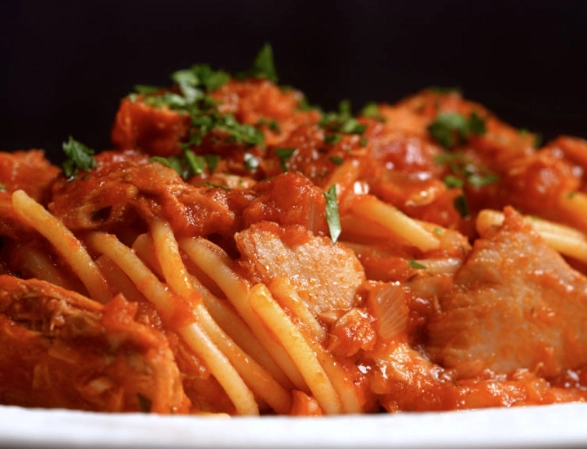
The Four Pillars: Your Foundation for Authenticity
If you want to understand the landscape, you need to know the four foundational sauces. Think of them as the primary colors you can mix to create endless authentic dishes. Every nonna has her variation, but these are the core templates recognized across Italy.
| Sauce (Italian Name) | Core Identity | Key Ingredients | Region of Origin / Heartland | Perfect Pasta Pairing |
|---|---|---|---|---|
| Sugo al Pomodoro (Tomato Sauce) | The pure, essential red sauce. Simple, fresh, and all about tomato quality. | San Marzano tomatoes, olive oil, basil, salt. Onion/garlic debated. | Campania (Naples) | Spaghetti, Penne, any short pasta |
| Ragù alla Bolognese | A rich, slow-cooked meat sauce. Milk and wine are non-negotiable for authenticity. | Soffritto (celery, carrot, onion), ground beef/pork, tomato, milk, white wine. | Emilia-Romagna (Bologna) | Tagliatelle (never spaghetti!), Lasagna |
| Pesto alla Genovese | A vibrant, uncooked "sauce" celebrating fresh herbs. No cooking, just pounding. | Basil, pine nuts, Parmigiano-Reggiano, Pecorino, garlic, olive oil. | Liguria (Genoa) | Trofie, Trenette, Gnocchi |
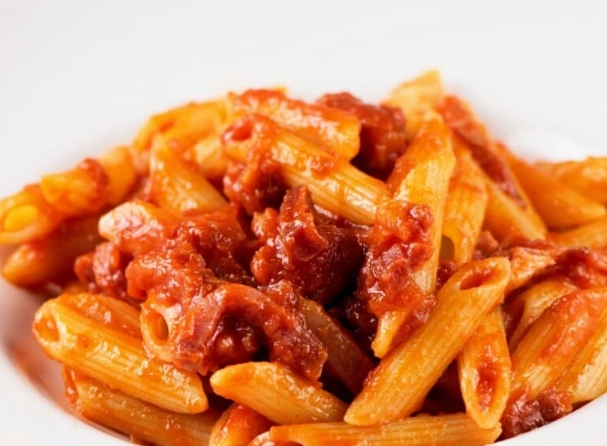
| Amatriciana (alla Amatriciana) | A spicy, porky, and tangy tomato sauce. Guanciale is the star. | Guanciale (cured pork cheek), tomato, Pecorino Romano, black pepper. | Lazio (Amatrice, near Rome) | Bucatini, Spaghetti |
Notice something? The names are tied to places. This is the golden rule. A traditional Italian pasta sauce isn't generic; it's a reflection of its terroir—the local ingredients and history. Trying to make a true Amatriciana without guanciale is like trying to make a New York bagel without New York water. You'll get something, but it won't be the real thing. The Italian Ministry of Agricultural, Food and Forestry Policies even grants official recognition (PAT - Prodotto Agroalimentare Tradizionale) to protect these regional specialties.
Why Pasta Shape Matters More Than You Think
It seems fussy, but there's solid logic here. Italians match sauce to pasta based on texture and mechanics. A thick, chunky ragù needs a pasta with nooks and crannies (like rigatoni or pappardelle) to trap the meat. A smooth, oily pesto clings best to the grooves of trofie or the surface of linguine. Putting a delicate, buttery sauce with large shells is a waste—it won't get inside. Matching them correctly elevates both the sauce and the pasta. It’s the difference between eating and experiencing.
From Market to Plate: The Step-by-Step Craft
Okay, let's get practical. How do you actually build one of these sauces? Let's take the king of simplicity: a classic Sugo al Pomodoro. The devil is in the details.
The Non-Negotiable Ingredients
Tomatoes: This is the hill I will die on. For a cooked sauce, high-quality canned tomatoes beat fresh, off-season grocery store tomatoes every single time. The best are San Marzano DOP tomatoes from the volcanic soil near Naples. They're sweeter, less acidic, and have fewer seeds. The "DOP" label is your guarantee of origin and quality. If you can't find them, any good-quality whole peeled plum tomatoes are fine. I've had great results with brands like Bianco DiNapoli. Crush them by hand for the best texture.
Fat: Extra virgin olive oil. Not "pure," not "light." A good, fruity EVOO is your flavor base. For meat sauces like Amatriciana, the fat rendered from guanciale or pancetta is the flavor foundation.
Aromatics: Here's a big debate. Southern Italy (Naples) often uses just garlic, gently infused in the oil and then removed. Central and Northern Italy starts with a soffritto—a finely chopped mix of onion, carrot, and celery slowly cooked in the fat until sweet and soft. For a traditional Italian pasta sauce, you must choose your camp. I prefer a soffritto for ragùs and a light garlic infusion for a quick pomodoro.
Herbs: Fresh basil for red sauces. Add it at the very end of cooking or tear it over the finished dish. Dried oregano has its place (in marinara, for example). For pesto, the basil must be young, tender, and never bruised by a food processor if you can help it—a mortar and pestle is the traditional (and superior) tool.
The Method: Low and Slow is the Only Way
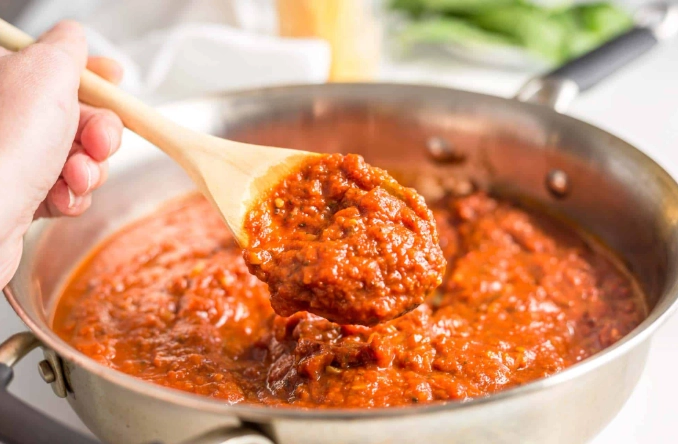
This is the sacred principle. You cannot rush flavor. Sauté your aromatics gently—you're not trying to brown them, you're sweating them to release sweetness. When you add the tomatoes, bring it to a bare simmer. We're talking the occasional bubble breaking the surface, not a rolling boil. This slow cooking, which can be anywhere from 30 minutes for a simple sauce to 4+ hours for a ragù, allows water to evaporate and flavors to concentrate and marry together. It transforms acidic tomato juice into a sweet, rounded, complex sauce. A heavy-bottomed pot (like enameled cast iron) is your best friend here—it distributes heat evenly and prevents scorching.
The Top 5 Mistakes That Scream "I'm Not Authentic"
Let's cut to the chase. Avoiding these will get you 80% of the way to a great traditional Italian pasta sauce.
- Using the Wrong Tomatoes: Acidic, watery tomatoes ruin everything. Invest in good canned plum tomatoes.
- Overcomplicating It: A true Italian sauce has a short ingredient list. You don't need bell peppers, mushrooms, three kinds of meat, and a cup of sugar in a basic sauce. Let the core ingredients shine.
- Underseasoning and Overseasoning: Salt is crucial—it brings out the tomato's natural sweetness. But don't drown it in dried herbs. And please, go easy on the garlic. It should be a whisper, not a shout.
- The "Quick Simmer": Boiling a sauce for 10 minutes gives you soup. Simmering it slowly for 45 minutes gives you sauce. Time is non-negotiable.
- Pouring Sauce Over a Mountain of Pasta: The final, critical step is mantecare—finishing the pasta in the sauce. Drain the pasta when it's still very al dente, transfer it directly to the pan with the sauce, add a splash of pasta water, and toss vigorously over heat. The starch in the water emulsifies with the fat to create a creamy, cohesive dish where the sauce clings to every strand. This is the magic moment.
Answering Your Burning Questions (FAQ)
I get asked these all the time. Here's the real talk.
Do I really need to add sugar to my sauce?
No. Full stop. If your sauce tastes acidic or bitter, you likely used poor-quality tomatoes or didn't cook it long enough. The long, slow simmer naturally caramelizes the sugars in the tomatoes. Adding sugar is a band-aid for a rushed process. If you absolutely must, a tiny pinch might help, but try cooking it for another 20 minutes first.
What's the best substitute if I can't find guanciale for Amatriciana?
Pancetta is the closest in flavor and is an acceptable substitute in a pinch (it's still pork belly). Regular bacon is a last resort—it's smokier and sweeter, which changes the character of the sauce completely. It won't be authentic Amatriciana, but it can still be tasty.
Can I make a traditional Italian pasta sauce in a slow cooker or Instant Pot?
You can, especially for long-cooked ragùs. A slow cooker mimics the low, slow heat well. An Instant Pot speeds up the process dramatically, but some purists argue it doesn't allow for the same reduction and flavor concentration. I've used both for busy weeknights, and they produce great results, but for a special Sunday sauce, I still go for the stovetop and the ritual of it.
How long can I store homemade sauce?
In the fridge, in a sealed container, it'll last 4-5 days. It freezes beautifully for up to 3 months. Freeze it in portions (ice cube trays for small amounts, mason jars for larger ones) for easy use. This is a fantastic way to always have a traditional Italian pasta sauce on hand that's miles better than store-bought.
Is "Sunday Gravy" a real Italian thing?
It's a real Italian-American thing, born from Southern Italian immigrants (mostly Neapolitan and Sicilian) in the US who could now afford multiple, expensive cuts of meat. They'd slow-cook meatballs, sausages, pork ribs, and braciole in a huge pot of tomato sauce all day Sunday. It's glorious and delicious, but in Italy, the sauces are more focused—one type of meat per sauce. So it's authentic to a diaspora experience, not to the Old Country.
Taking It Further: Regional Gems to Explore
Once you've mastered the big four, a world of regional specialties opens up. These are less known globally but are absolute treasures.
- Puttanesca (Naples/Campania): A bold, salty, fast sauce with tomatoes, olives, capers, anchovies, garlic, and chili flakes. It's got attitude.
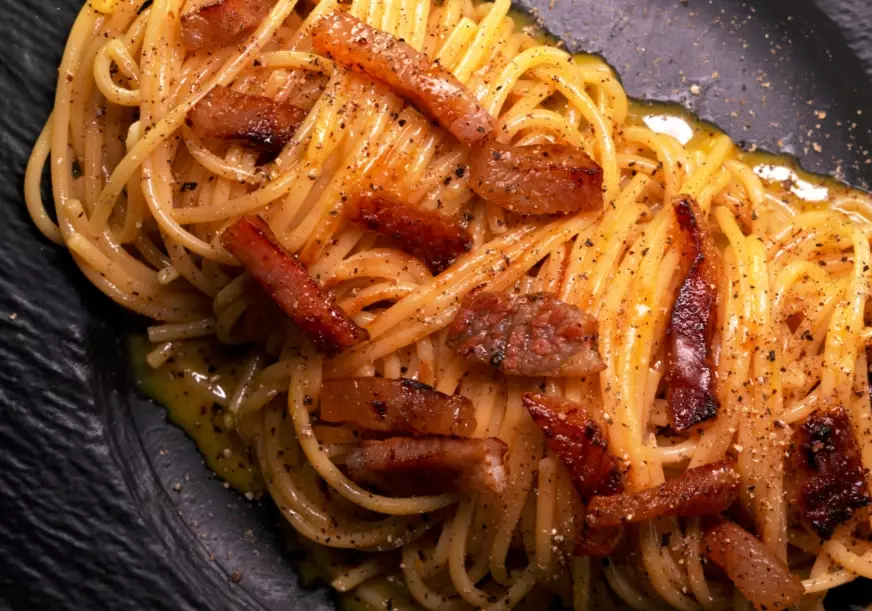
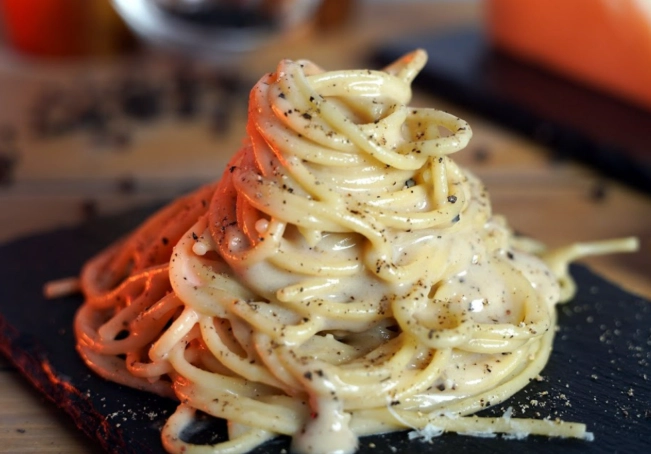
- Carbonara (Rome/Lazio): Not a tomato sauce, but a creamy emulsion of eggs, Pecorino Romano, black pepper, and guanciale. The heat of the pasta cooks the eggs. No cream. Ever.
- Ragù alla Napoletana (Naples): A rich, red sauce often containing a large piece of braised beef or pork ribs, slowly cooked until the meat falls apart. Hearty and magnificent.
- Pesto alla Trapanese (Sicily): Sicily's answer to pesto, made with almonds, tomatoes, garlic, and basil. It's brighter and chunkier than the Genovese version.
Exploring these is like taking a culinary tour of Italy. Resources like GustoBlog (a major Italian food blog) or the official tourism site for a specific region (e.g., Emilia-Romagna Tourism) are great for finding authentic recipes and context.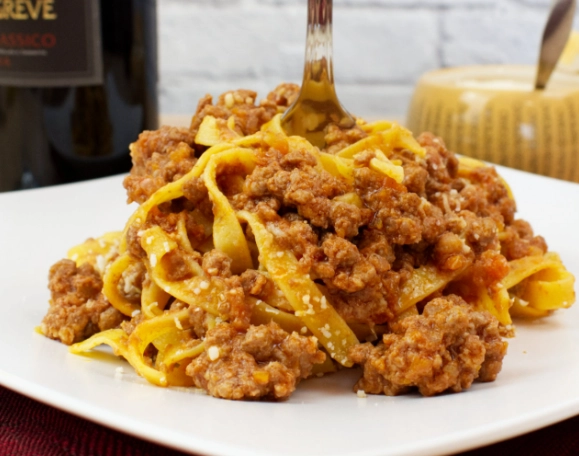
Related Articles
Authentic Carbonara Recipe: The ONLY Way to Make It Right
Authentic Italian Chicken Recipes: From Classic Pollo alla Cacciatora to Modern Favorites

Master Old School Italian Recipes: Authentic Pasta, Ragù & More
Authentic Italian Pizzelle Recipe: Crispy, Classic & Easy
Authentic Italian Tomato Sauce Recipe: Secrets from a Home Cook
Easy Pasta Salad Recipes with Italian Dressing for Crowd-Pleasing Meals
Master Italian Meatball Recipes: Secrets from Nonna's Kitchen

What is the dispute over the open and closed source of large models?
Chopped Italian Sandwich Recipe: Step-by-Step Homemade Guide
Italian Sausage Recipes: From Classic Pasta to Grilled Skewers

The reason for the surge in A-shares has been found! The Shanghai Composite Inde
Ultimate Guide to Spaghetti Pasta Recipes: Easy, Authentic & Creative

Authentic Italian Cheesecake Recipe: Creamy Ricotta Dessert Guide

Rescue the market requires real money, not IPO suspension
Italy's Most Traditional Dish: The Definitive Guide to Authentic Cuisine

The fourth wave of internationalization of global auto companies, how can China
5 Traditional Italian Dishes: Authentic Recipes & Where to Try Them
Best Vegetarian Italian Dishes: Recipes & Cooking Tips
Traditional Italian Pasta Sauces: A Complete Guide to the Classics
Authentic Spaghetti Carbonara Recipe: The Real Italian Method (No Cream!)

The scale of securities lending and securities lending has dropped by more than

Best Italian Cocktails: From Classic Negroni to Modern Aperitivo
Traditional Italian Holiday Dinner Recipes: A Complete Guide to a Festive Feast
Ultimate Guide to Making Homemade Pasta from Scratch

Authentic Italian Food Recipes: A Home Cook's Guide to Getting It Right
Craft Your Own Italian Seasoning Recipe: A Complete Guide to Homemade Flavor
Master Italian Pasta Recipes: Classics, Regional Gems & Pro Tips

Authentic Italian Zeppole Recipe: Easy Homemade Fried Dough Guide
Easy Authentic Italian Minestrone Soup Recipe & Secrets
Leave a Comment