Authentic Ricotta Lasagna Recipe: Creamy Layers & Pro Tips
Jump to Sections
- Why Ricotta Cheese Makes All the Difference
- Building Your Flavor Foundation: The Meat Sauce (Ragù)
- Can You Use No-Boil Noodles?
- The Heart of the Matter: The Ricotta Cheese Mixture
- The Step-by-Step Assembly: Layering for Success
- Baking, Resting, and Serving: The Final Act
- Customize Your Masterpiece: Variations and Twists
- Storing and Reheating Like a Pro
- A Slice of History: Where Does Ricotta Lasagna Come From?
- Your Lasagna Questions, Answered (FAQ)
Let's be honest. We've all had bad lasagna. You know the kind I'm talking about. The layers are dry, the cheese is rubbery, and the whole thing feels like you're chewing on a flavorless brick. It's enough to make you swear off the dish forever. I did, for a while. Then I spent a summer with my friend's nonna in a little town outside of Bologna, and she showed me the truth. The secret wasn't some magical, impossible-to-find ingredient. It was ricotta. A proper lasagna italian food recipe with ricotta cheese is a different beast entirely. It's creamy, rich, and each forkful is a perfect balance of sauce, pasta, and cheesy filling. It's comfort food that actually comforts you.
This isn't just about throwing cheese in a pan. Making a truly great lasagna is a bit of a project, I won't lie. But it's a project that pays off in spades. It feeds a crowd, it makes fantastic leftovers, and the look on people's faces when they take that first bite? Priceless. So, if you're ready to move past the dry, disappointing versions and create something spectacular, you're in the right place. We're going deep on the creamy, dreamy world of ricotta lasagna.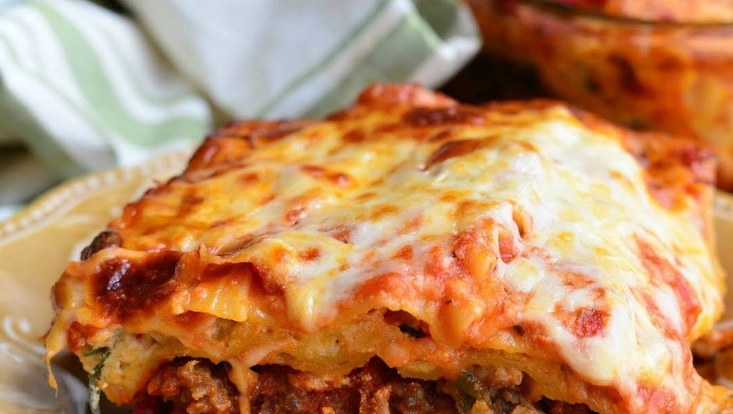
Why Ricotta Cheese Makes All the Difference
Before we get our hands dirty, let's talk about the star of the show. Why ricotta? In many Americanized recipes, you see a heavy, dense layer of just mozzarella and maybe some cottage cheese (a crime, in my opinion). Ricotta is lighter, with a subtle sweetness and a gorgeous, spreadable texture that melts into the layers. It acts like a creamy binder, soaking up the flavors of the meat sauce and creating a moist interior that prevents the dreaded dryness. A classic lasagna italian food recipe with ricotta cheese relies on this cheese for its signature character.
But not all ricotta is created equal. The stuff in the plastic tub next to the sour cream? It's often watery and bland. For the best results, seek out whole-milk ricotta. The fat content is crucial for flavor and creaminess. If you have a good Italian deli nearby, ask for theirs—it's usually far superior. Give it a taste straight from the container. It should taste mildly sweet and milky, not sour or tangy.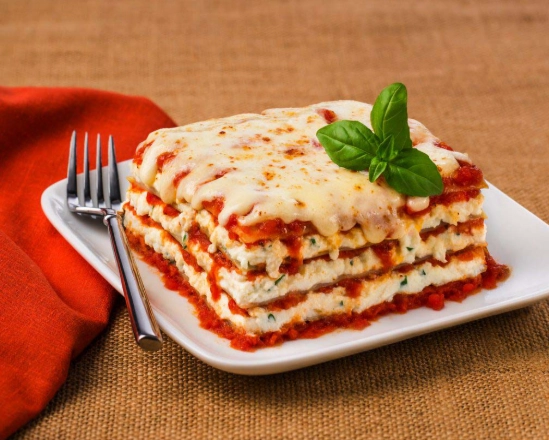
Building Your Flavor Foundation: The Meat Sauce (Ragù)
This is where the magic starts. A hurried, thin tomato sauce will result in a sad lasagna. You need a proper ragù, a meat sauce that's been allowed to simmer and develop deep, complex flavors. Yes, it takes time. No, you can't really rush it. Think of it as a Sunday project—put it on the stove, let the house fill with that incredible smell, and go about your day.
My base recipe starts with a "soffritto"—finely diced onion, carrot, and celery sautéed in olive oil until soft. Then in goes the ground meat. I'm a fan of a mix: maybe some beef for richness and a bit of pork (sausage or plain ground) for extra fat and flavor. Let it brown well. That browned bit (the fond) at the bottom of the pot is pure flavor gold. Deglaze with a splash of red wine, let it cook off, then add your tomatoes. I use a combination of crushed San Marzano tomatoes and a bit of tomato paste for body.
And then... you wait. A gentle simmer for at least two hours, preferably three. The sauce will thicken, the flavors will marry, and it will transform into something worthy of your beautiful lasagna. This slow-cooked ragù is the soul of your Italian food recipe with ricotta cheese lasagna.
Can You Use No-Boil Noodles?
This is the great debate, isn't it? Purists will scream. I'm a bit more practical. Traditional dry lasagna sheets need to be boiled first, which is a messy, sticky business. They can tear, they stick together, it's a hassle. No-boil or oven-ready noodles are a fantastic modern convenience. But—and this is a big but—you must have enough sauce. The noodles need liquid to absorb and cook properly in the oven. If your sauce is too thick or you're skimpy with it, you'll end up with crunchy, undercooked pasta layers. For a beginner, I'd say go with the no-boil. Just ensure every inch of every noodle is touching sauce. For the ultimate texture and control, boiling the traditional sheets is still the gold standard. It's a trade-off between convenience and perfection.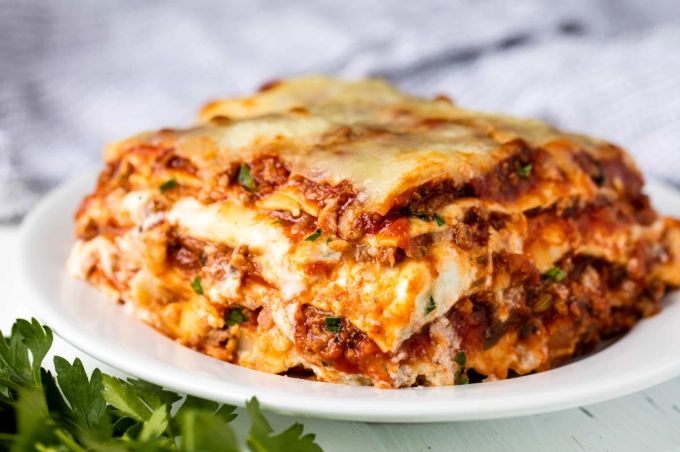
The Heart of the Matter: The Ricotta Cheese Mixture
This is more than just dumping ricotta into a bowl. This mixture is your creamy layer, and it needs seasoning and body. Here’s my standard mix-up:
- Drained whole-milk ricotta: About 2 pounds. Remember, we drained it!
- Eggs: 2 large eggs. They bind the mixture, helping it set as it bakes instead of turning into a runny mess.
- Parmigiano-Reggiano: A good cup, freshly grated. Don't use the green can stuff. This adds a salty, nutty punch.
- Fresh parsley: Chopped. For a little color and freshness.
- Seasoning: Salt, black pepper, and a tiny pinch of nutmeg. The nutmeg is a classic pairing with creamy dairy—it just works.
Mix it all gently until just combined. You're not trying to whip it into a foam. Taste it! Does it need more salt? More cheese? Adjust now. This creamy filling is what makes every bite of your recipe with ricotta cheese lasagna so satisfying.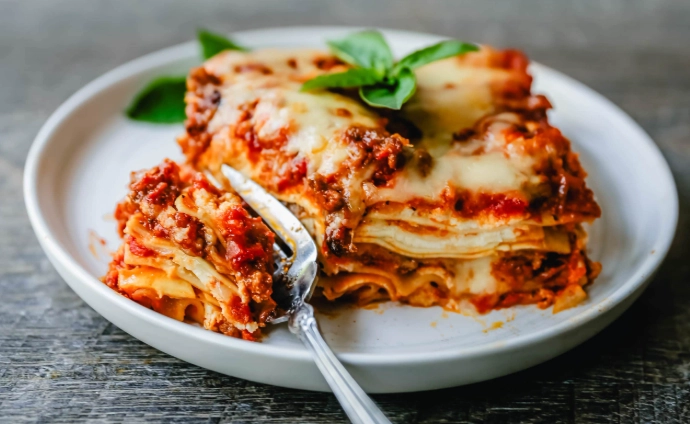
The Step-by-Step Assembly: Layering for Success
Assembly is where the art meets the science. Get this wrong, and you can have structural failure (a lasagna landslide on your plate). Get it right, and you get perfect, distinct layers. Here’s the order I follow, every single time. Think of it as your lasagna blueprint.
- The Foundation: Spread a thin layer of meat sauce on the very bottom of your baking dish (a 9x13 inch is standard). This prevents the first pasta sheet from sticking and burning.
- Pasta Layer: Place your first layer of noodles. Overlap them slightly if needed to cover the base.
- Ricotta Layer: Dollop about one-third of your ricotta mixture over the noodles and spread it evenly with a spoon or offset spatula. Don't press down too hard.
- Meat Sauce Layer: Spoon a layer of meat sauce over the ricotta.
- Cheese Layer: Sprinkle a generous handful of shredded mozzarella (low-moisture, whole milk is best for melting) over the sauce.
- Repeat: Do the pasta, ricotta, sauce, mozzarella sequence two more times.
- The Grand Finale: Your top layer should be noodles, then a final blanket of meat sauce, and a heavy, glorious covering of mozzarella and a final sprinkle of Parmigiano-Reggiano.
Why this order? The ricotta sits directly on the pasta, allowing it to fuse and create that creamy core. The sauce on top of it protects it from drying out. The mozzarella on top of the sauce melts into gooey perfection. Following this sequence for your lasagna italian food recipe guarantees balanced layers in every serving.
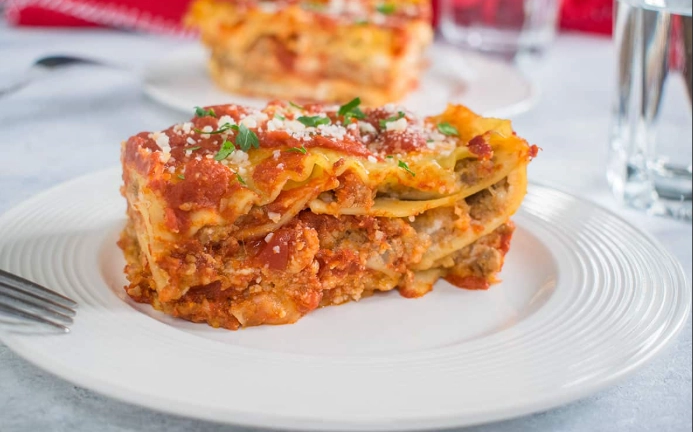 See? Not so scary. It's just like building a delicious, edible tower.
Baking, Resting, and Serving: The Final Act
You're almost there. Cover the assembled lasagna tightly with foil. This initial covered bake steams the interior, ensuring the pasta cooks through and everything heats evenly. Bake it in a preheated 375°F (190°C) oven for about 40 minutes. Then, remove the foil. This is the moment. Turn the heat up to 400°F (200°C) or simply turn on the broiler for the last 10-15 minutes. Watch it like a hawk. You want the top to be bubbly and beautifully, speckledly browned.
Now, the hardest part. You must let it rest. Take it out of the oven and walk away. For at least 20 minutes, 30 is better. If you cut into it immediately, it will be a soupy, sliding mess. The resting time allows the layers to set, the cheese to firm up slightly, and the whole thing to become sliceable. It's the difference between a presentation disaster and clean, beautiful squares. Trust me on this. Use the time to make a simple salad and set the table.
Customize Your Masterpiece: Variations and Twists
The basic ricotta cheese lasagna recipe is a perfect template. Once you've mastered it, make it your own. Here are some popular spins.
| Variation | How-To | Best For |
|---|---|---|
| Vegetarian Lasagna | Swap the meat sauce for a hearty mix of sautéed mushrooms, spinach, zucchini, and roasted eggplant. Increase the herbs in the ricotta mixture. | Meatless Mondays, feeding vegetarians without compromise. |
| White Lasagna (Lasagna Bianca) | Omit the tomato sauce entirely. Use a mixture of ricotta, sautéed spinach, and maybe some cooked chicken or sausage. Pour a little chicken broth or milk between layers to keep it moist. | A richer, creamier, more delicate flavor profile. |
| Four-Cheese Lasagna | Add layers of fontina, provolone, or gorgonzola crumbles along with the ricotta and mozzarella. Reduce the meat sauce slightly to avoid overpowering the cheese. | True cheese lovers who want an ultra-decadent experience. |
| Shortcut Weeknight Version | Use a high-quality jarred marinara sauce (doctored up with sautéed onion and garlic) and no-boil noodles. The focus is on the quick ricotta assembly. | Getting a comforting dinner on the table in under 90 minutes. |
Storing and Reheating Like a Pro
Lasagna is arguably better the next day. The flavors have more time to get to know each other. Cool it completely, then cover tightly and refrigerate for up to 4 days. For longer storage, freeze individual portions or the whole thing (wrap it very well in plastic wrap and foil). To reheat, thaw overnight in the fridge if frozen. Cover with foil and reheat in a 350°F oven until warmed through (about 30 mins for a whole pan). For a single slice, the microwave is fine, but the oven will preserve the texture better. A crispy top can be revived under the broiler for a minute.
A Slice of History: Where Does Ricotta Lasagna Come From?
Lasagna's roots are ancient, with mentions in Roman cookbooks, though it was a very different dish. The layered pasta casserole we know today evolved over centuries in Italy, with strong regional identities. The version with ricotta is famously associated with Southern Italy, particularly Naples and Sicily, where ricotta production was (and is) abundant. In the North, especially in Emilia-Romagna (the home of Bologna), the lasagna more commonly features béchamel sauce (besciamella) in its ragù-based dish. Neither is more "authentic" than the other; they are delicious regional expressions. The lasagna italian food recipe with ricotta cheese we often make abroad is a celebration of that Southern Italian tradition. For a deeper dive into the culinary history of pasta and cheese in Italy, resources from the Accademia Italiana della Cucina (Italian Academy of Cuisine) provide fascinating context.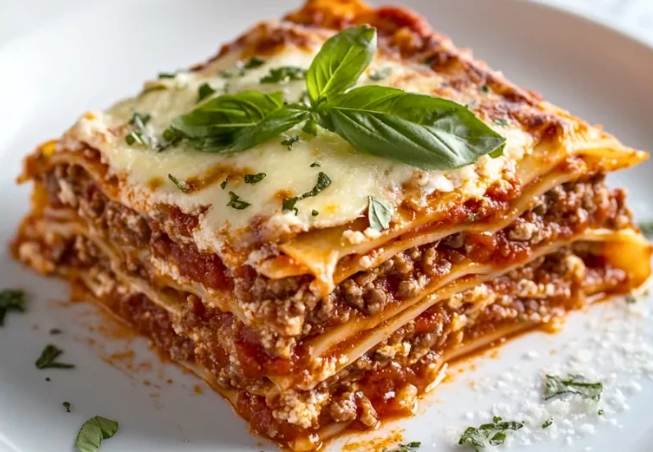
Your Lasagna Questions, Answered (FAQ)
My lasagna always turns out watery. What am I doing wrong?
This is the number one problem! The culprits are usually: 1) Undrained ricotta (always drain it!), 2) Vegetables in your sauce (like mushrooms or zucchini) that release water—sauté them thoroughly first, 3) Using fresh mozzarella (which has a lot of moisture) instead of low-moisture, or 4) Not letting it rest before cutting. Fix these, and you'll have a perfectly set lasagna.
Can I make lasagna ahead of time?
Absolutely. It's a fantastic make-ahead meal. Assemble the whole thing, cover tightly, and refrigerate for up to 24 hours before baking. You may need to add 10-15 minutes to the covered baking time since it's starting from cold. You can also freeze the unbaked assembled lasagna for up to 3 months. Bake from frozen, covered, adding at least 45-60 minutes to the baking time.
What's the best cheese to use besides mozzarella?
For melting, low-moisture mozzarella is king. But for flavor, don't be afraid to mix in some provolone, fontina, or asiago. A sprinkle of pecorino romano adds a sharp, salty kick. The key is to use cheeses that melt well. Avoid hard cheeses like aged cheddar as your main melter—they can get oily.
Is it better to use fresh or dry pasta sheets?
Fresh pasta sheets (if you can find or make them) create an incredibly tender, delicate lasagna. They don't need pre-boiling. Dry sheets (boiled or no-boil) offer more structure and that familiar al dente bite. It's a matter of texture preference. I love fresh for a special occasion, but keep no-boil dry sheets in my pantry for a reliable, great result any day. For a technical look at pasta types, the Italian Pasta Makers Association site has great info.
My top cheese layer burns before the inside is hot. Help!
This is a classic oven issue. Your heat is likely too high, or your rack is too close to the top element. Always bake covered for the majority of the time. Only uncover for the final browning. If it's still browning too fast, tent the foil loosely over the top (so it doesn't touch the cheese) for the last part of baking, or lower your oven temperature by 25 degrees.
So there you have it. More than just a simple lasagna italian food recipe with ricotta cheese, it's a roadmap to a classic comfort food dish done right. It takes a little love and patience, but the result—a bubbling, golden pan of creamy, saucy, cheesy perfection—is worth every single minute. Don't be intimidated. Gather your ingredients, clear an afternoon, and get ready to make a lasagna that will have everyone asking for the recipe. And when they do, you can just smile and say, "Oh, it's just a little something I learned." Now go preheat that oven.
Related Articles
Discover the Best Non-Alcoholic Italian Drinks: From Aperitivo to Digestivo
Authentic Italian Braciole Recipe: Slow-Cooked Beef Rolls
Authentic Italian Drunken Noodles Recipe (Pasta alla Ubriaca)

The number has increased nearly fourfold in ten years, and the global digital ba
Mastering Homemade Italian Pasta: A Complete Guide to Fresh Pasta Recipes
Minestrone Soup Recipe: An Italian Classic Made Simple
Authentic Italian Pizzelle Recipe: Crispy, Classic & Easy
Authentic Italian Dressing Recipe: Easy, Homemade & Better Than Store-Bought
Authentic Italian Bruschetta Recipe: The Only Guide You'll Ever Need
Italian Sausage Soup: Authentic Recipes & Pro Tips
Authentic Italian Lasagna Recipe: The Ultimate Guide to Homemade Perfection
Traditional Italian Pasta Sauces: A Complete Guide to the Classics
Traditional Italian Vegetarian Recipes: Classics Beyond Pasta
Easy Chicken Pasta Recipes for Busy Weeknights
The Heart of Italy on Your Plate: Timeless Traditional Italian Recipes & Kitchen Wisdom

Is it worth it for companies to sponsor the Olympics? | Finance looks at the Oly
Ultimate Guide to Classic Italian Baked Pasta Dishes
What Are the Most Popular Italian Appetizers? A Complete Guide to Antipasti
What to Cook for an Italian Christmas: The Ultimate Feast Guide
Master Old School Italian Recipes: Authentic Pasta, Ragù & More
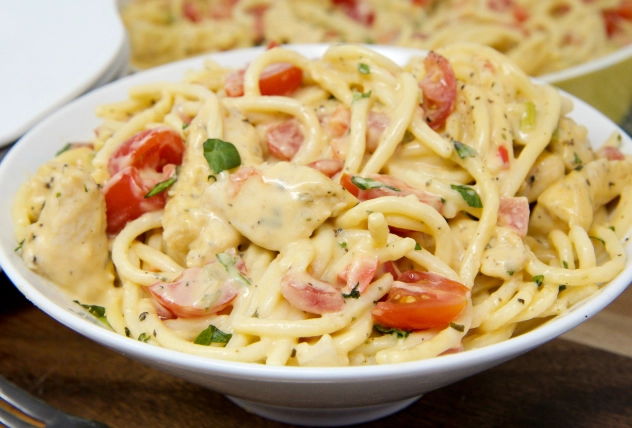
Pasta Recipes: A Complete Guide from Beginner to Pro

The Most Popular Cocktail in Italy: A Deep Dive into the Aperol Spritz

Ultimate Guide to Italian Sausage Recipes: From Classic to Creative
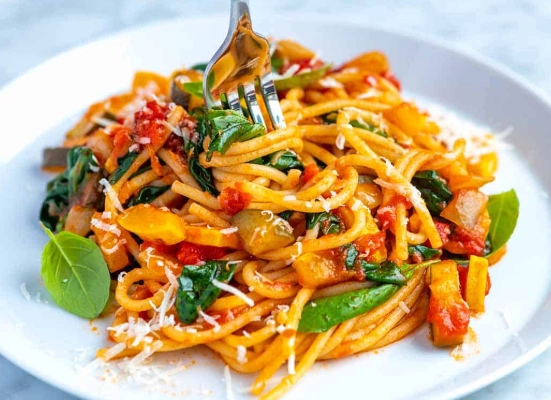
Vegetarian Italian Recipes: A Complete Guide to Plant-Based Pasta & More
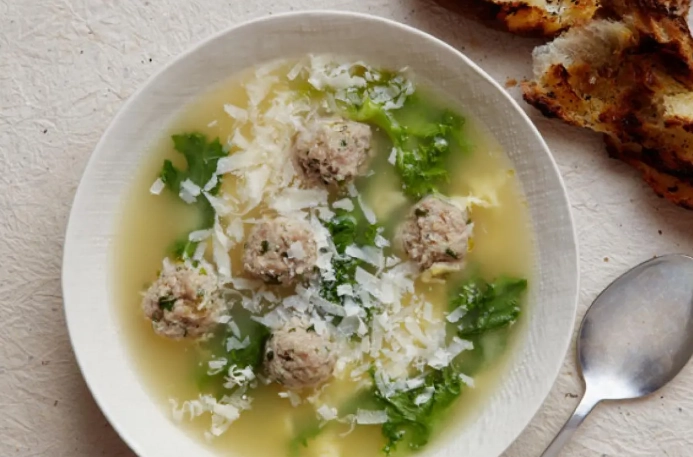
Easy Traditional Italian Wedding Soup Recipe - Authentic & Simple
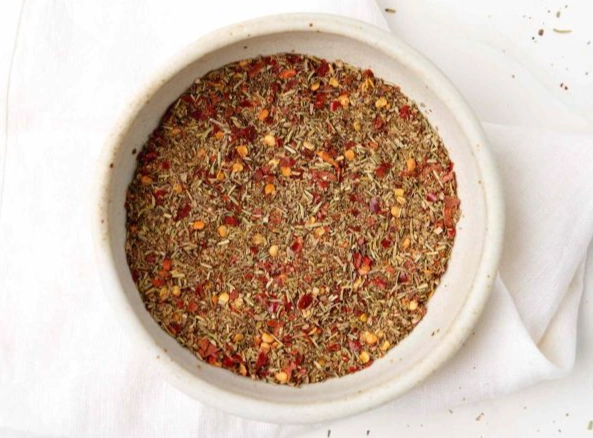
Unlock Flavor: 5 Essential Italian Seasoning Recipes & Pro Tips
Homemade Italian Ice Recipe: Smooth, Grain-Free & Authentic

Authentic Italian Dessert Recipes: From Tiramisu to Cannoli
Authentic Italian Regional Recipes Guide: Cook from Source
Leave a Comment