Creamy Carbonara Recipe: Authentic Italian Method & Common Mistakes
Let's cut through the noise. A search for "creamy carbonara recipe" floods you with versions that drown the pasta in heavy cream. I'm here to tell you that's not just inauthentic—it's a missed opportunity. The true magic of carbonara lies in achieving a silky, luxurious sauce using only eggs, cheese, and starchy pasta water. It's a simple dish with zero room for error. Get it right, and it's sublime. Get it wrong, and you have scrambled eggs with pasta. After years of cooking (and messing up) this Roman classic, I've nailed down the method that works every time.
What's Inside This Guide
The Carbonara Rulebook: History & The "No Cream" Mandate
Carbonara's origins are deliciously murky, likely born in Rome post-World War II, possibly from the interaction between Allied soldiers (with their eggs and bacon) and local pasta. The Academia Barilla, a leading authority on Italian cuisine, is unequivocal: authentic carbonara contains no cream. The creaminess comes from an emulsion.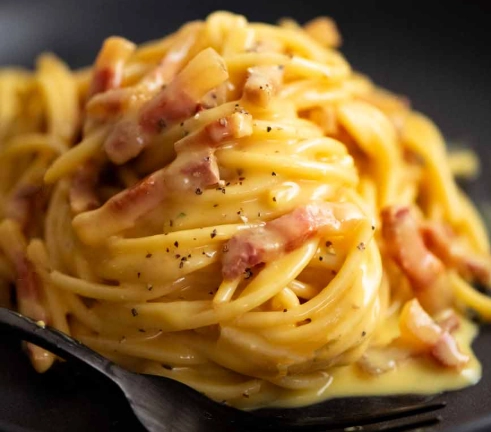
Think of it like making a warm mayonnaise. You slowly combine fat (from the guanciale and its rendered fat) with water (the starchy pasta water) using eggs and cheese as the emulsifiers. This creates a stable, creamy sauce that clings to each strand of pasta. Adding heavy cream is a shortcut that creates a flat, one-dimensional richness and masks the beautiful, sharp, salty flavors of the Pecorino and guanciale.
My take: I used to add a splash of cream for "insurance" against scrambling. It felt safer. But it always made the sauce a bit gluey and muted. Once I mastered the temperature control of the true method, I never looked back. The flavor is brighter, cleaner, and more complex.
Your Carbonara Toolkit: Choosing the Right Ingredients
With only five core components, each one must be perfect. Compromising here is the first step towards a mediocre dish.
| Ingredient | The Authentic Choice (& Why) | Common Substitutes (The Compromise) |
|---|---|---|
| Pasta | Spaghetti or Rigatoni. Long, thin spaghetti is classic. Rigatoni's ridges trap the sauce beautifully. Use a high-quality, bronze-die extruded pasta like De Cecco or Rustichella d'Abruzzo. It releases more starch into the water, which is crucial for the sauce. | Any long or short pasta works, but avoid egg-based pasta like tagliatelle; it's too rich and the sauce won't cling as well. |
| Cured Pork | Guanciale. This is cured pork cheek, with a higher fat content and more flavorful, gelatinous meat than pancetta. It renders amazing fat and crisps up with a unique texture. This is non-negotiable for purists. | Pancetta (Italian cured pork belly) is the acceptable Plan B. Standard bacon is a distant third—it's smoked, which changes the flavor profile entirely, and often too lean. |
| Cheese | Pecorino Romano. Made from sheep's milk, it's salty, sharp, and tangy. It's the backbone of flavor. Some Roman households use a 50/50 mix with Parmigiano-Reggiano for a slightly milder, nuttier sauce. | All Parmigiano-Reggiano will work but will be less sharp. Pre-grated cheese in bags contains anti-caking agents (like cellulose) that prevent it from melting smoothly into the sauce. Always grate fresh. |
| Eggs | Large, fresh, room-temperature eggs. The standard is whole eggs. Many chefs, including myself, prefer using more yolks than whites for a richer, yellower, and more stable sauce. We'll get to that ratio. | Cold eggs straight from the fridge can shock the hot pasta and cause scrambling. Let them sit out for 30 minutes. |
| Pepper | Freshly cracked black pepper. Not just a garnish. It's a core ingredient. The heat and aroma are essential. Toast it lightly in the guanciale fat to unlock its oils. | Pre-ground pepper tastes like dust. Don't do it. |
The Foolproof, Step-by-Step Creamy Carbonara Recipe
This is the method I've settled on after one too many "pasta frittata" disasters. It prioritizes control and minimizes risk.
Ingredients for 4 Servings
- 400g (14 oz) spaghetti or rigatoni
- 150g (5 oz) guanciale, cut into 1/4-inch thick strips or cubes
- 4 large egg yolks + 1 whole egg (This is my golden ratio for maximum creaminess)
- 100g (1 cup) freshly grated Pecorino Romano, plus more for serving
- Freshly cracked black pepper
- Salt (use sparingly, as the guanciale and Pecorino are very salty)
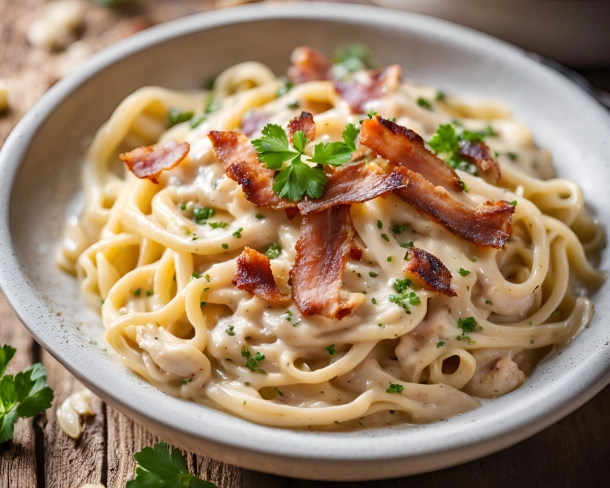
The Process: It's All About Timing
1. Prep is Everything. Before you even turn on the stove, have your mise en place ready. Cube the guanciale. Grate the cheese. Separate your eggs—put the 4 yolks and 1 whole egg in a large, heatproof bowl (this will be your mixing bowl). Add all the grated Pecorino and a massive amount of black pepper. Whisk it into a thick, grainy paste. Set it aside near your stove.
2. Cook the Guanciale. In a large, cold skillet (I use carbon steel or stainless), add the guanciale. Turn the heat to medium-low. Let the fat render slowly. You're not trying to fry it fast; you want crispy, golden bits and lots of liquid fat. This takes 8-10 minutes. Once crisp, turn off the heat and let it cool slightly. If there's an excessive amount of fat, you can spoon a little out, but you need a good 2-3 tablespoons in the pan.
3. Cook the Pasta. In a large pot, bring 4-5 liters of water to a rolling boil. Salt it generously (it should taste like the sea). Add the pasta and cook it 1-2 minutes LESS than the package says for al dente. Why? It will finish cooking in the sauce. Right before draining, scoop out about 1 1/2 cups of the starchy pasta water. This is your sauce's liquid gold.
4. The Critical Emulsification. This is the 60-second window that defines your carbonara. Drain the pasta and immediately add it to the skillet with the guanciale and fat. Toss it well over low heat (I often take the skillet off the burner entirely) so every strand is coated in fat.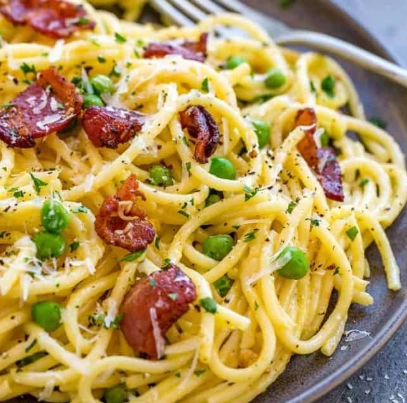
Now, take about 1/3 cup of the hot pasta water and slowly, while whisking vigorously, drizzle it into the bowl with the egg and cheese mixture. This is called "tempering"—it gently raises the temperature of the eggs without cooking them solid.
Working quickly, pour the tempered egg mixture over the pasta in the skillet. Immediately take the skillet off the heat. Use tongs or a wooden spoon to toss, toss, toss. The residual heat from the pasta, pan, and fat will cook the eggs into a creamy sauce. If it looks too thick or tight, add more hot pasta water, a tablespoon at a time, until it flows silkily and coats the pasta. The sauce should be the consistency of heavy cream.
5. Serve Immediately. Plate it up right away. Top with another crack of pepper and a light dusting of Pecorino. Carbonara waits for no one; it starts to set as it cools.
5 Carbonara Mistakes You're Probably Making
These aren't the generic "don't use cream" tips. These are the subtle, technical missteps that ruin the texture.
1. Using a Scorching Hot Pan for the Sauce. This is mistake number one. If you add the egg mixture to a piping hot skillet over active heat, you will get scrambled eggs. The pan should be off the heat, or on the absolute lowest possible setting. The pasta's own heat is enough.
2. Not Tempering the Egg Mixture. Adding cold eggs directly to hot pasta is a gamble. Drizzling in a little hot pasta water first is your insurance policy. It smooths out the mixture and makes it less likely to seize.
3. Undersalting the Pasta Water. This is your only chance to season the pasta itself. If the water is bland, your final dish will be bland, no matter how salty the guanciale is.
4. Using a Wet Colander. Sounds minor, but if you drain your pasta in a colander full of cold water, it cools the pasta down instantly and washes away the precious starch on its surface. Shake it dry, or better yet, transfer the pasta directly from the pot to the skillet with tongs.
5. Choosing the Wrong Cheese (and Grating it Wrong). That pre-grated stuff? It's coated in powder to prevent clumping. That powder also prevents it from melting into a smooth emulsion. You'll get a grainy, clumpy sauce. A microplane grater is your best friend here for super-fine, fluffy cheese that dissolves instantly.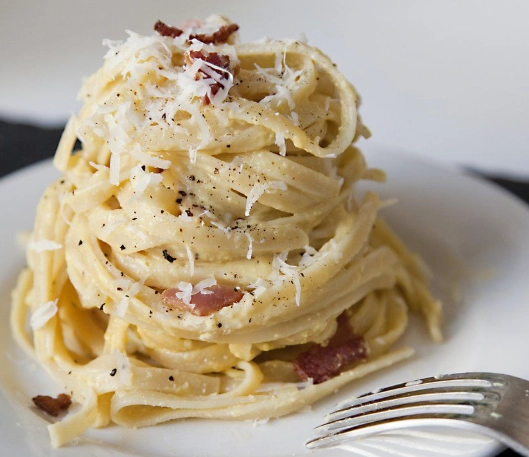
Your Carbonara Questions, Answered
Related Articles
Irresistible Italian Christmas Desserts: Recipes & Traditions
Ultimate Homemade Italian Beef Seasoning Recipe
Simple Italian Salad Recipe: Authentic & Easy in 10 Minutes

Why did China Resources take over Tasly?

Classic Italian Bread Recipe: Authentic & Easy Homemade Loaf