Italian Salads: A Guide to Authentic Insalata Beyond Caesar
If you're picturing a bowl of iceberg lettuce with ranch dressing when you think of Italian salad, you're about ten thousand kilometers off. The real insalata italiana is a celebration of something much simpler and more profound: the absolute peak quality of a few seasonal ingredients, treated with respect and combined with sense. Forget the heavy, creamy dressings. Here, the star is the extra virgin olive oil, the acidity of a good vinegar or lemon, and the produce itself.
I remember my first "aha" moment in a small trattoria in Florence. I ordered what the menu simply called "insalata mista." It arrived—just arugula, shaved fennel, and cherry tomatoes. But the peppery punch of the arugula, the anise crunch of the fennel, and the sweet burst of the tomatoes, all slicked with a grassy, peppery olive oil and a whisper of salt... it was a revelation. It wasn't a side dish; it was a palate cleanser, a texture break, a vital part of the meal's rhythm. That's what we're talking about.
What’s Inside This Guide?
The Italian Salad Philosophy: Less is More
Italian salads, or insalate, operate on a different wavelength. They are rarely the main event (though some come close). Their role is to refresh, to contrast, and to showcase seasonal, local ingredients at their best. The dressing is almost never a pre-mixed, emulsified concoction. It's a drizzle of oil first, then a splash of vinegar or lemon, seasoned with salt and maybe pepper, tossed at the table. This order matters—it allows the oil to coat the leaves before the acid hits, preventing wilting.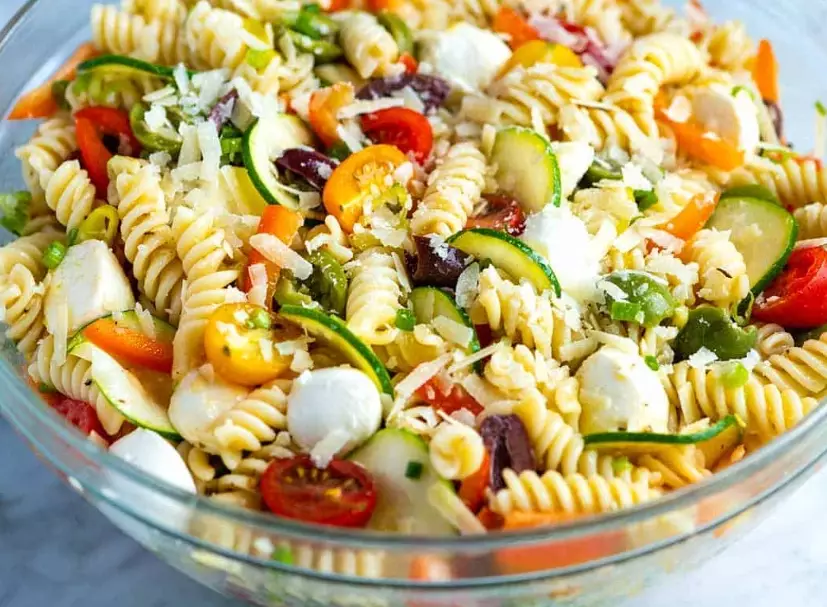
A common mistake visitors make is expecting complexity. The beauty is in the simplicity. When you have perfect San Marzano tomatoes in August, you don't need to hide them. You slice them, add mozzarella di bufala, basil, oil, and salt. That's it. That's the iconic Caprese. The philosophy is about subtraction, not addition.
Key Takeaway: If you see a salad on an Italian menu with a list of 15 ingredients including corn, beans, and croutons, it's likely geared toward tourists. Authentic insalate are focused, seasonal, and dressed with oil and vinegar/lemon (olio e aceto/limone).
The Non-Negotiable Classics You Must Try
These are the salads you'll find from the Alps to Sicily, the backbone of the Italian salad repertoire.
1. Insalata Caprese
The flag salad: red (tomato), white (mozzarella), green (basil). It's a test of ingredient quality. The mozzarella should be mozzarella di bufala Campana (buffalo mozzarella from Campania), soft, milky, and slightly tangy. The tomatoes should be ripe and flavorful. The basil fresh and aromatic. A generous pour of extra virgin olive oil and sea salt. That's the blueprint. A pet peeve? When the basil is chopped or hidden underneath. The leaves should be whole, placed visibly between the tomato and cheese.
Where to try a great one: L'Antica Pizzeria da Michele in Naples (Via Cesare Sersale, 1). Yes, it's a pizza temple, but their Caprese is a perfect example of simplicity. Expect to pay around €10-12. It's always crowded, so go early.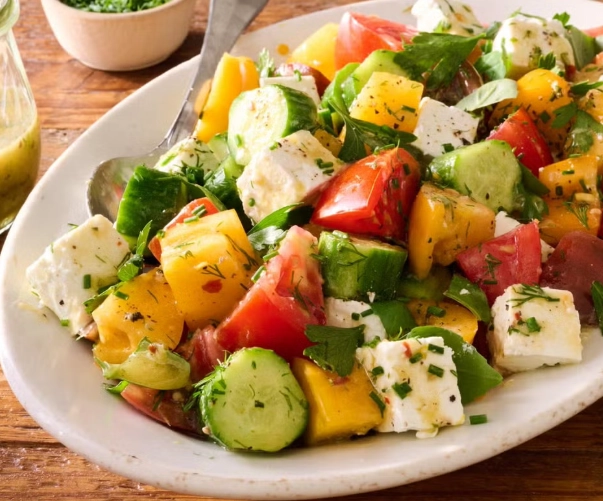
2. Panzanella (Tuscan Bread Salad)
This is a masterpiece of cucina povera (poor kitchen). Stale bread is revived with the juices of ripe tomatoes, cucumbers, red onion, and basil. The bread soaks up all the flavors, creating a satisfying, textured salad. The bread should be a sturdy, unsalted Tuscan loaf (pane sciocco). A common error is using fresh, soft bread, which turns to mush. It needs to be stale to absorb without disintegrating.
3. Insalata di Rucola e Parmigiano (Arugula and Parmesan Salad)
Perhaps the most common green salad you'll encounter. Peppery arugula (rucola or ruchetta) is paired with shavings of aged Parmigiano-Reggiano, dressed with oil and lemon. It's the perfect bitter, salty, crunchy counterpoint to a rich pasta dish. The quality of the Parmesan is key—it should be shaved thinly with a vegetable peeler, not grated.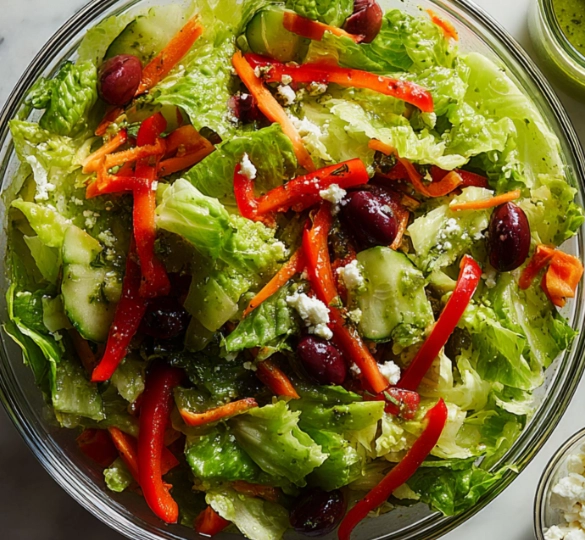
4. Insalata di Finocchio e Arancia (Fennel and Orange Salad)
A bright, winter salad from Sicily. Thinly sliced fennel and blood oranges are combined with black olives and a simple dressing. The anise flavor of the fennel with the sweet-citrus of the orange is incredible. It's often served with fish. Look for it in seafood restaurants along the coast.
| Classic Salad | Core Ingredients | Key Region | Best Season | Serves As |
|---|---|---|---|---|
| Insalata Caprese | Tomato, Buffalo Mozzarella, Basil | Campania (Naples) | Summer | Starter (Antipasto) |
| Panzanella | Stale Bread, Tomato, Cucumber, Onion, Basil | Tuscany | Late Summer | Light Lunch or Side |
| Insalata di Rucola | Arugula, Parmigiano-Reggiano | Countrywide | Spring/Autumn | Contorno (Side Dish) |
| Insalata di Finocchio e Arancia | Fennel, Blood Orange, Olives | Sicily | Winter | Starter or Fish Course Side |
Regional Gems: Salads That Tell a Story
Italy's regions are like separate countries, and their salads reflect local produce and traditions.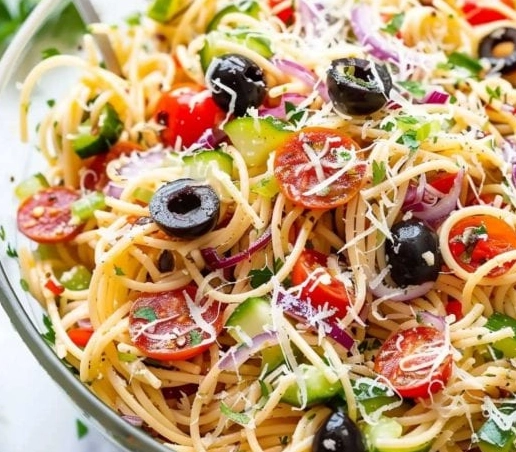
Insalata di Carpaccio di Manzo (Veneto/Lombardy): Not to be confused with the pasta, this is a dish of paper-thin slices of raw beef (filetto), often dressed with a sauce of mayonnaise, lemon, Worcestershire sauce, and capers, served with a pile of arugula and Parmesan shavings. It's rich, tangy, and a true delicacy. Try it at Ristorante Carpaccio in Milan (Piazza della Repubblica) for an upscale version (€18-22).
Puntarelle alla Romana (Lazio): A Roman winter specialty. Puntarelle are the bitter, crunchy shoots of a type of chicory. They are julienned and soaked in ice water to curl up, then dressed with a pungent anchovy, garlic, and vinegar sauce. It's an acquired taste but utterly Roman. You'll find it at traditional trattorias like Da Enzo al 29 in Trastevere (€8-10).
Insalata di Mare (Coastal areas): A "seafood salad" of boiled octopus, squid, shrimp, and mussels, dressed with olive oil, lemon, and parsley. It's a staple antipasto in seaside towns. The quality varies wildly—the best places will have tender, fresh seafood. Avoid versions that look rubbery or sit in a watery pool.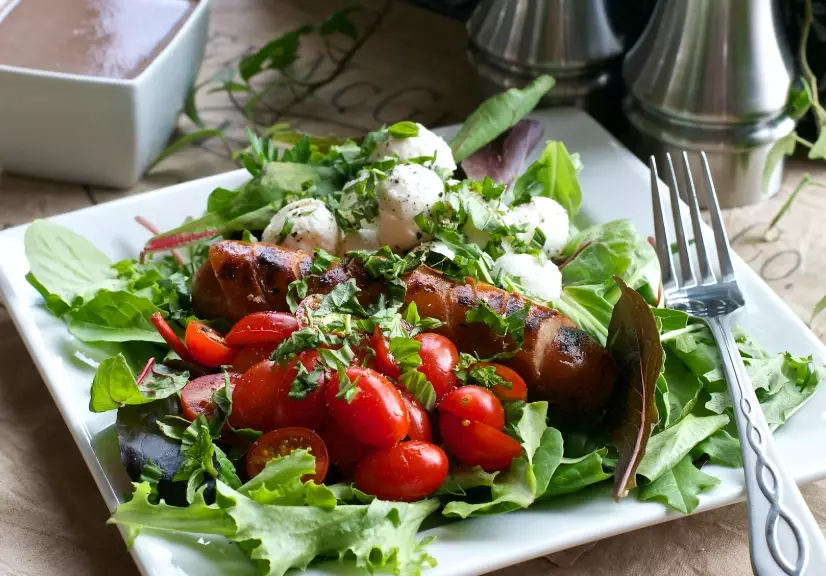
How to Eat Salad Like an Italian (Ordering & Etiquette)
To avoid looking like a total tourist, follow these unspoken rules.
Timing is everything. Salad is almost never eaten with the main course. It has its own spot in the meal structure:
- As an Antipasto (Starter): Caprese, seafood salad, or a mixed vegetable plate.
- As a Contorno (Side Dish): After the primo (pasta/rice) and before or alongside the secondo (meat/fish). A simple green salad (insalata mista/verde) or arugula salad is perfect here to cleanse the palate.
- As a Light Lunch: A large Panzanella or a Caprese with some bread can be a meal.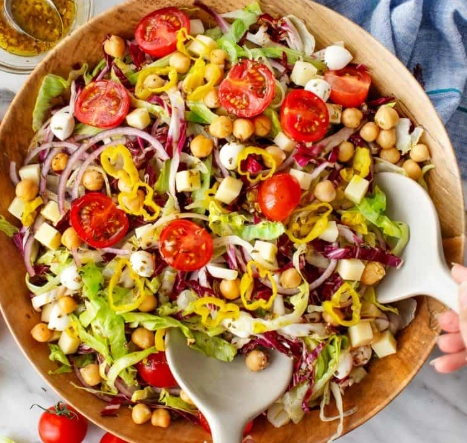
Dressing on the side? Almost never. The salad will come dressed. If you have dietary restrictions, you'll need to ask for it without dressing (senza condimento).
What about "Insalata Mista" or "Insalata Verde"? This is your go-to simple side salad. It means "mixed salad" or "green salad." It will be a bowl of fresh lettuce (often lattuga or insalata gentile), maybe with some carrot shavings and tomato, dressed with oil and vinegar. It's the workhorse of the contorno world.
Making it at home? The golden ratio for dressing is 3 parts extra virgin olive oil to 1 part acid (vinegar or lemon juice). Use a mild white wine vinegar or a good aged balsamic for sweet salads. For greens, use fresh lemon juice. Always toss with your hands to avoid bruising delicate leaves.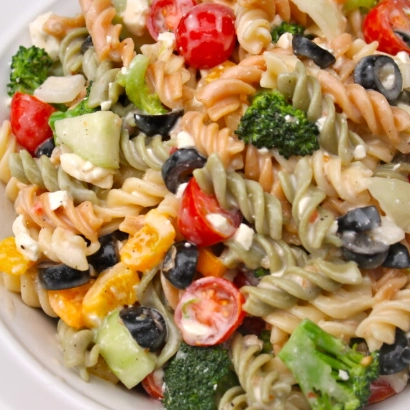
Your Italian Salad Questions, Answered
The journey through Italian salads is a journey through the country's seasons and sensibilities. It's about trusting a tomato, honoring a piece of cheese, and understanding that oil and vinegar are not just condiments but the conductors of the whole orchestra. Start with a Caprese in summer, seek out a Puntarelle in Rome in winter, and always, always order a simple insalata mista after your pasta. You'll taste Italy in a whole new way.
Related Articles
Top 10 Italian Soups You Need to Try: From Minestrone to Zuppa Toscana
Homemade Italian Ice Recipe: Smooth, Grain-Free & Authentic
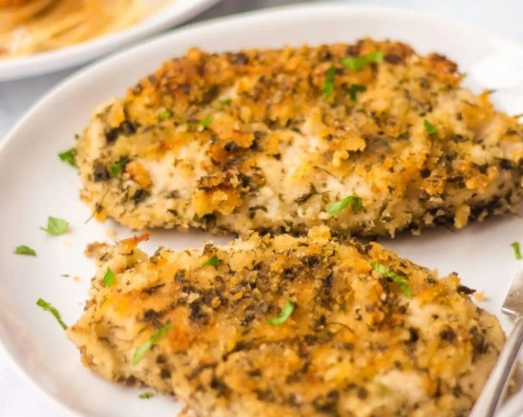
Traditional Italian Dinner Party Recipes: An Authentic Menu from Start to Finish
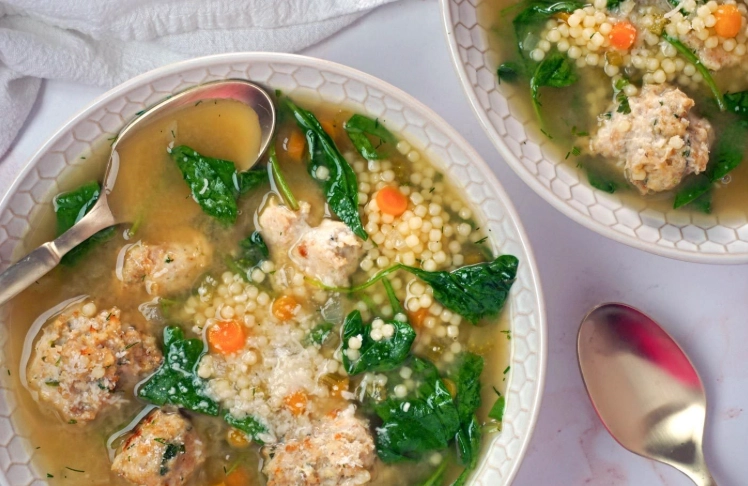
What Pasta is Best for Italian Wedding Soup? The Ultimate Guide
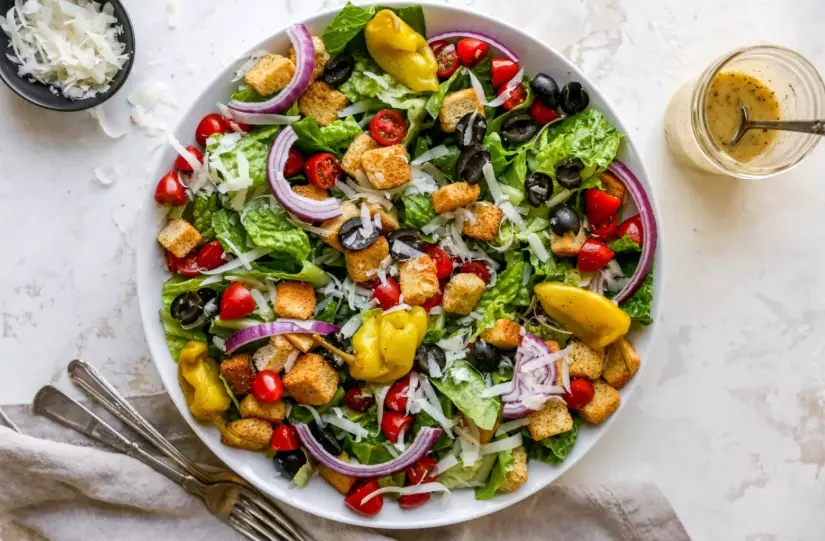
Best Italian Salads You Can Actually Make at Home