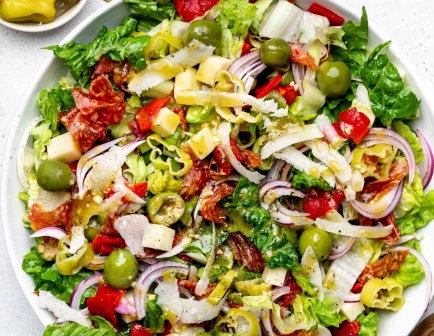
Ultimate Guide to Creamy Italian Pasta: Recipes & Pro Tips
Let's be honest, there's something magical about a bowl of perfectly cooked pasta draped in a rich, velvety sauce. It's comfort food at its finest. But replicating that authentic, restaurant-quality creaminess at home can feel like a mystery. Your sauce might split, taste too heavy, or just lack that certain "something." This guide is here to change that. We're going beyond a simple list of creamy pasta recipes. We'll dissect the science of the sauce, explore five foundational recipes you can master, and tackle the common pitfalls that trip up even seasoned home cooks. By the end, you'll not only have fantastic recipes but the confidence to make them your own.
What's Inside This Guide
What Makes a Pasta Sauce ‘Creamy’?
Before we dive into recipes, let's clear something up. "Creamy" doesn't always mean "loaded with heavy cream." In Italian cooking, that luxurious texture comes from a few key techniques:
Emulsification: This is the big one. It's about forcing fat and water to combine into a smooth, stable sauce. Whisking butter and starchy pasta water together (like in a proper Alfredo) creates an emulsion. So does tossing hot pasta with eggs and cheese in Carbonara.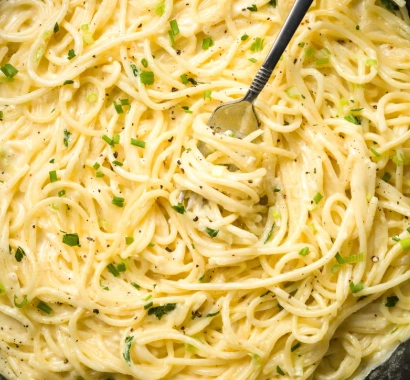
Starch: The natural starch released from the pasta as it cooks is a magical thickener. This is why you should never rinse your pasta after draining (a cardinal sin!). That starchy water is liquid gold for your sauce.
Dairy & Cheese: Obviously, cream, milk, butter, and cheeses like Parmesan or Gorgonzola add fat, protein, and body. The key is to use them wisely. Dumping a cup of cold cream into a scorching pan is a recipe for disaster.
Here's the thing most recipes don't tell you: the order of operations matters more than the ingredients list. Adding cheese off the heat, tempering eggs with hot pasta, and reserving pasta water aren't just suggestions—they're the rules of the game.
The 5 Essential Creamy Pasta Sauces
Master these five, and you have a creamy pasta recipe for every mood and occasion. Think of them as your foundational toolkit.
| Sauce | Core Ingredients | Key Technique | Classic Pairing |
|---|---|---|---|
| Alfredo | Butter, Parmesan, Pasta Water | Emulsification | Fettuccine |
| Carbonara | Eggs, Pecorino, Guanciale, Black Pepper | Temperature Control | Spaghetti |
| Gorgonzola & Walnut | Gorgonzola, Cream, Toasted Walnuts | Gentle Melting | Penne or Gnocchi |
| Vodka Sauce | Tomato Passata, Cream, Vodka, Onion | Reduction & Emulsification | Rigatoni |
| Pesto Crema | Basil Pesto, Cream, Parmesan | Simple Combination | Linguine or Trofie |
Alfredo: The Quintessential Cream
The authentic version from Rome has no cream. None. It's just high-quality butter, aged Parmigiano-Reggiano, and starchy pasta water. The magic happens in the pan where you vigorously toss the hot pasta with the butter and cheese, adding spoonfuls of pasta water until it transforms into a silky, clinging sauce.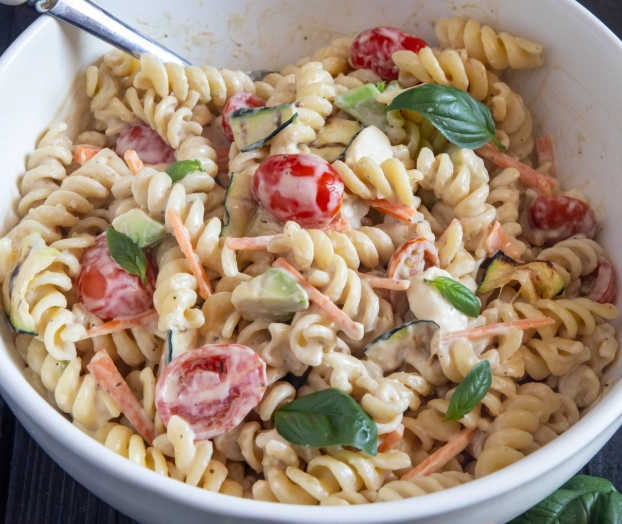
My go-to method: Cook your fettuccine. In a large pan, melt a generous knob of butter over low heat. Add the drained pasta (saving a cup of water first!) and a handful of grated cheese. Start tossing. It will look clumpy and wrong. Don't panic. Add a splash of pasta water and keep tossing. Repeat. In about a minute, it will suddenly come together into a creamy, glossy dream. Season with pepper. That's it.
Adding cream is an American adaptation. It's fine—it creates a richer, more stable sauce—but it's a different dish. Try both and see which you prefer.
Carbonara: The Egg-Based Illusion
This is the sauce that causes the most anxiety. Scrambled eggs? No thanks. The trick is all about temperature. You're making a custard, not an omelet.
Whisk room-temperature egg yolks (or whole eggs) with grated Pecorino Romano and a ton of black pepper. Cook your guanciale (or pancetta) until crispy. Have your cooked, drained spaghetti ready—it must be piping hot. Take the pan with the guanciale off the heat and let it cool for 30 seconds. Add the pasta. Now, quickly pour in the egg-cheese mixture while tossing constantly. The residual heat from the pasta and pan will cook the eggs gently into a creamy coating. If it's too thick, loosen it with a touch of the reserved pasta water.
The first time I made carbonara, I was terrified. I added the eggs too fast to a too-hot pan. I got cheesy scrambled eggs with bacon. It was edible, but it wasn't carbonara. Patience and a slightly cooled pan are your best friends.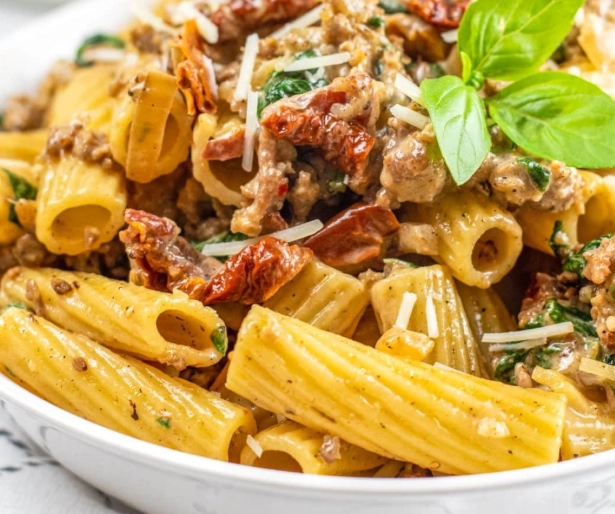
Gorgonzola & Walnut: The Bold Choice
This is for when you want big flavor. The pungent, salty tang of Gorgonzola mellows beautifully when melted into a little cream. Toasted walnuts add a crucial crunch and bitterness that cuts through the richness.
Use a mix of Gorgonzola Dolce (milder, creamier) and Piccante (sharper) for complexity. Gently heat some cream in a pan, then crumble in the cheese off the heat, letting it melt slowly. Toss with short pasta like penne, which catches the sauce and walnuts in its tubes. Finish with a drizzle of extra virgin olive oil. It's ridiculously simple and always impresses.
Vodka Sauce: The Modern Classic
Despite its name, this sauce isn't ancient. It's believed to be an Italian-American creation. The vodka's role is interesting—it helps release flavor compounds from the tomatoes that aren't water-soluble, and it creates a temporary emulsion with the tomato and cream. Most of the alcohol cooks off, leaving a subtle sharpness.
Sauté finely chopped onion (or shallot) in olive oil and butter until soft. Add tomato passata (strained tomatoes) and a good glug of vodka. Let it simmer and reduce by about a third. Then, stir in heavy cream. Let it bubble gently until the sauce turns a lovely pink-orange and thickens. The cream and tomato should marry, not separate. Toss with rigatoni—its ridges and large holes are perfect for this robust sauce.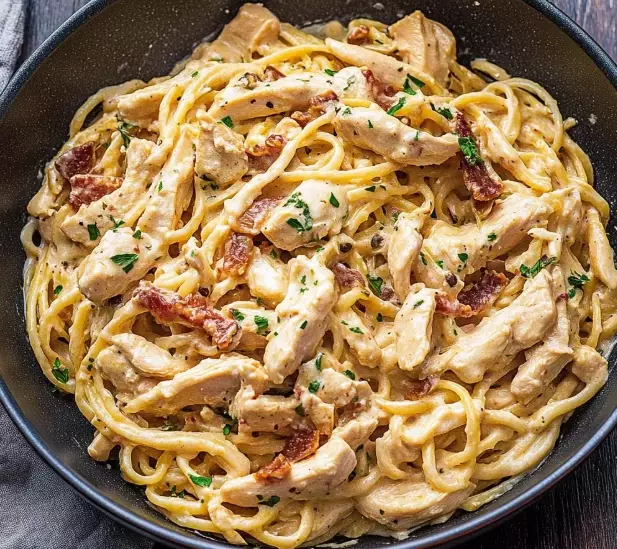
Pesto Crema: The Herby Twist
This is your weeknight lifesaver. It's not a traditional Italian recipe per se, but it's a fantastic way to stretch a jar of good pesto and create a creamier, saucier dish. Simply warm some cream in a pan, stir in your homemade or store-bought basil pesto, and add a bit of extra Parmesan. Toss with pasta. It's ready in the time it takes to boil water.
I love this with linguine. The flat surface holds the creamy pesto beautifully. Add some seared shrimp or grilled chicken if you want protein.
Pro Tip from a Kitchen Fail: I once tried to make a "light" creamy sauce using only low-fat milk and cornstarch. It was gloppy, bland, and had a weird texture. For creamy pasta, embrace the fat. Use full-fat dairy in smaller, smarter quantities. A little high-quality butter or cream, used correctly, delivers more satisfaction and flavor than a large volume of a poor substitute.
How to Pair Pasta Shapes with Creamy Sauces
This isn't just tradition; it's food engineering. The right shape makes the dish.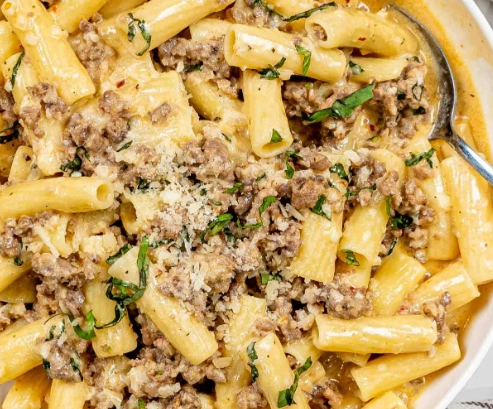
Long, Flat Pastas (Fettuccine, Tagliatelle, Pappardelle): These are champions for thin, clinging, butter-based sauces like Alfredo. The sauce coats every strand evenly.
Long, Round Pastas (Spaghetti, Linguine): Great for egg-based or oil-based creamy sauces like Carbonara or Pesto Crema. They're easy to twirl and coat.
Short, Tubular Pastas (Penne, Rigatoni, Ziti): The absolute best for thick, chunky, or ultra-rich creamy sauces. The sauce gets inside the tubes and clings to the ridges. Vodka sauce and Gorgonzola sauce belong here.
Shapes with Nooks (Fusilli, Casarecce): These are fun for cream sauces with small bits (like peas, ground sausage, or minced herbs). The sauce gets trapped in the twists.
Matching your pasta to your sauce isn't snobbery. It's the difference between a good meal and a great one where every bite is perfectly balanced.
Common Creamy Pasta Mistakes (And How to Fix Them)
We've all been here. Let's troubleshoot.
The Sauce Splits or Looks Grainy: This usually means the heat was too high, causing the fat to separate. For cheese sauces, you added the cheese to a boiling liquid. Fix: Always add cheese off the direct heat. For egg-based sauces, you scrambled the eggs. Fix: Temper the eggs with hot pasta water or cool your pan slightly before adding them.
The Sauce is Too Thick/Gluey: You didn't use pasta water. Or you used too much cheese/flour. Fix: Loosen it up! Add reserved pasta water, a tablespoon at a time, while tossing over low heat until it reaches the desired consistency. It's your secret weapon.
The Sauce is Too Thin/Watery: You added too much liquid or didn't let it reduce enough. Fix: Let it simmer a bit longer to evaporate water. You can also create a "slurry" by mixing a teaspoon of cornstarch with a tablespoon of cold water and stirring it in, then simmering for a minute to thicken (not traditional, but effective).
It Tastes Bland: You under-salted your pasta water. This is the #1 reason for bland pasta. Your pasta water should taste like the sea. Also, you might be using pre-grated cheese which contains anti-caking agents and lacks flavor. Fix: Salt your water generously. Always grate your cheese fresh from a block.
Your Creamy Pasta Questions Answered
Related Articles
Best Italian Dessert Recipes: Classics & Regional Gems
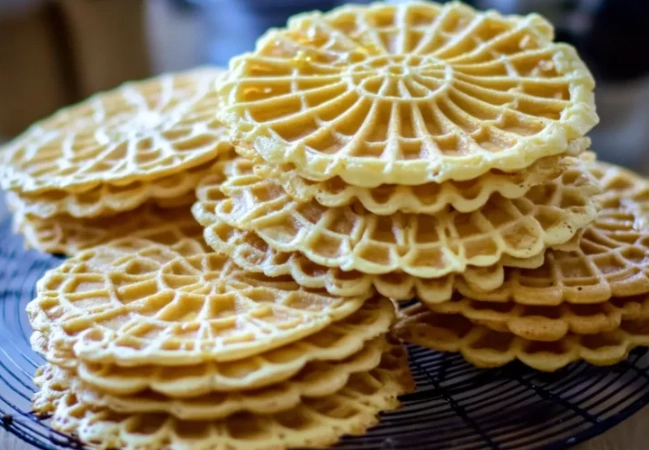
Easy Original Pizzelle Recipe: Classic Italian Waffle Cookies
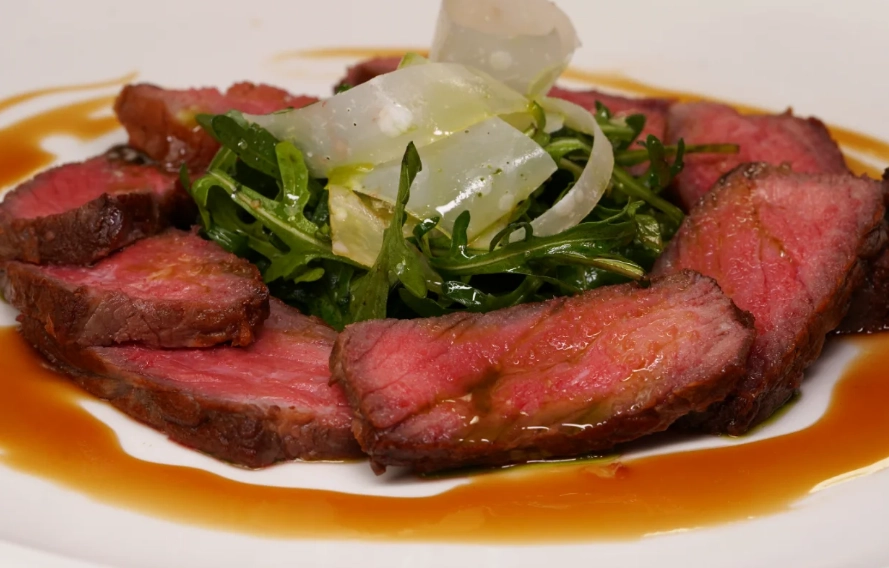
Authentic Italian Steak Recipe: Bistecca alla Fiorentina Guide
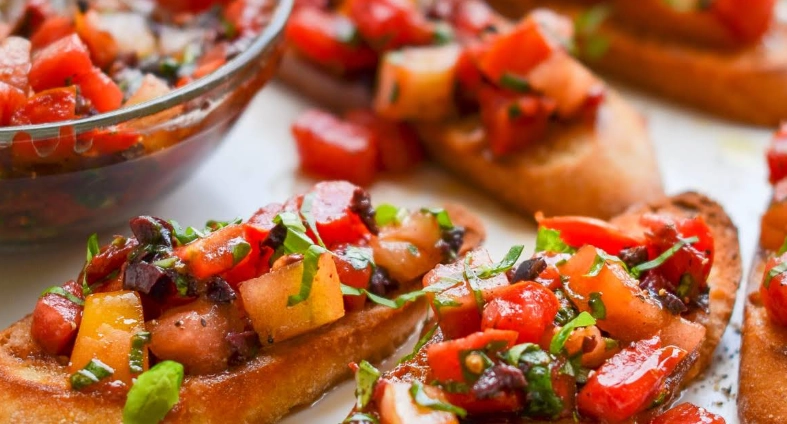
Ultimate Guide to Best Italian Appetizer Recipes for Any Occasion
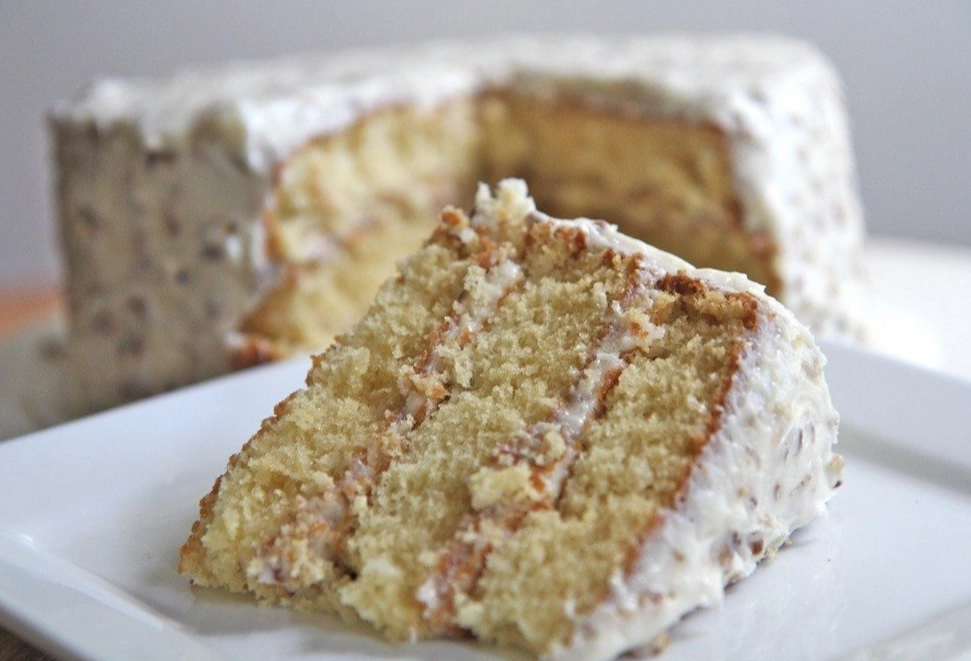
Italian Cream Cake Recipe: A Southern Classic with Italian Flair