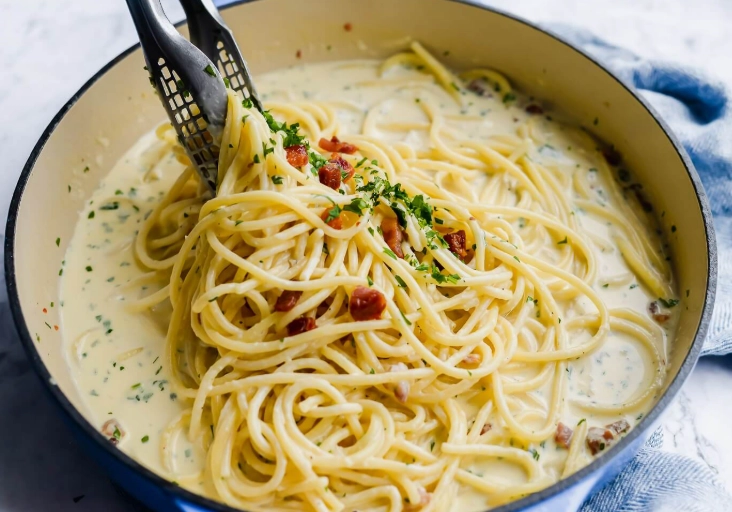
Easy Italian Pasta Recipes: Simple & Authentic Dishes
Let's be honest. A lot of "easy pasta recipes" online are either too complicated, use ingredients you can't find, or just don't taste right. You end up with a greasy, bland mess that feels nothing like the vibrant dishes you had on that trip to Rome. I've been cooking pasta the Italian way for over a decade, first learning from a friend's nonna in Bologna, and I've seen all the common mistakes. This isn't about fancy techniques. It's about mastering a few simple rules to turn basic ingredients into spectacular meals. Forget the year-old blogs with 50 ingredients. Here, we focus on authenticity you can achieve on a busy Tuesday night.
What You'll Find Inside
Master the Basics: Your 5-Minute Pasta Primer
Before we jump to recipes, let's get three non-negotiable things right. Do these, and you're already ahead of 90% of home cooks.
1. The Water Situation
Use a large pot. I mean it. Pasta needs room to swim. For every 100g of pasta, use at least 1 liter of water. Crowding leads to sticky, gummy noodles. Salt the water after it boils, just before adding the pasta. "Salty like the sea" is poetic but impractical and unhealthy. A heaping tablespoon of kosher salt for 4-5 liters of water is perfect.
2. Pasta Choice Matters
Not all pasta is created equal. For simple pasta recipes, the shape and quality are part of the sauce. A rough, bronze-die extruded pasta (like De Cecco or Rummo) holds sauce infinitely better than a smooth, cheap one. It's worth the extra dollar. Match the shape to the sauce: long strands (spaghetti, linguine) for oily or light tomato sauces, short shapes (penne, rigatoni) for chunkier, meaty sauces.
3. The Secret Weapon: Pasta Water
This is the magic. That starchy, salty water you drain off? It's liquid gold. Reserve at least a cup before draining. Adding it back to your pan with the sauce and pasta helps create a creamy, emulsified sauce that clings to every noodle. Never rinse your cooked pasta—you wash away the starch that makes the sauce stick.
The 3 Pasta Mistakes Almost Everyone Makes
I've taught countless friends, and these are the silent killers of a good simple Italian pasta dish.
Mistake 1: Overcooking the Garlic. In recipes like aglio e olio, garlic sliced thin and fried until golden brown turns bitter and acrid in seconds. The goal is to gently infuse the oil with flavor, not to burn it. Low heat is your friend.
Mistake 2: Draining All the Water. We covered this, but it's so crucial it bears repeating. That starchy water is the glue. Without it, your sauce sits in a puddle at the bottom of the bowl.
Mistake 3: Using Pre-Grated Parmesan. The cellulose powder in the shelf-stable stuff prevents it from melting smoothly into a sauce. Buy a block of Parmigiano-Reggiano or Grana Padano and grate it yourself. The flavor difference is night and day, and it actually creates a silky texture.
Recipe 1: Spaghetti Aglio e Olio (The 15-Minute Lifesaver)
This is the ultimate easy Italian pasta recipe. It's what Italian cooks make for themselves when they get home late. Only 5 ingredients, but technique is everything.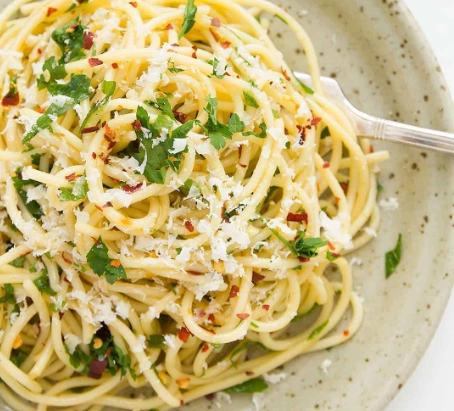
Spaghetti Aglio e Olio
Time: 15 mins | Serves: 2 | Difficulty: Easy
What You Need:
- 200g spaghetti (De Cecco works great here)
- 4-5 large cloves of garlic, thinly sliced
- 1/2 cup extra virgin olive oil (use the good stuff)
- 1/2 teaspoon red pepper flakes (or to taste)
- A large handful of fresh flat-leaf parsley, finely chopped
- Salt for pasta water
How to Make It:
- Bring a large pot of water to a rolling boil. Salt generously.
- Add spaghetti and cook according to package directions for "al dente."
- While the pasta cooks, add olive oil and sliced garlic to a large, cold skillet. Turn heat to medium-low. Let the garlic gently sizzle, stirring often, until it just begins to turn a very pale gold. This should take 3-4 minutes. If it browns, it's too late—start over.
- Add the red pepper flakes to the oil and swirl for 30 seconds.
- When the pasta is done, reserve 1 cup of pasta water. Drain the pasta.
- Add the drained pasta directly to the skillet with the garlic oil. Toss vigorously over low heat.
- Add a splash of the reserved pasta water (start with 1/4 cup) and keep tossing. The water and oil will emulsify into a creamy sauce. Add more water if it looks dry.
- Remove from heat, toss in the chopped parsley, and serve immediately. No cheese on this one—it's not traditional!
Where most recipes go wrong is using high heat for the garlic. Low and slow is the only way. The sauce should coat the pasta in a glossy, fragrant film, not a pool of oil.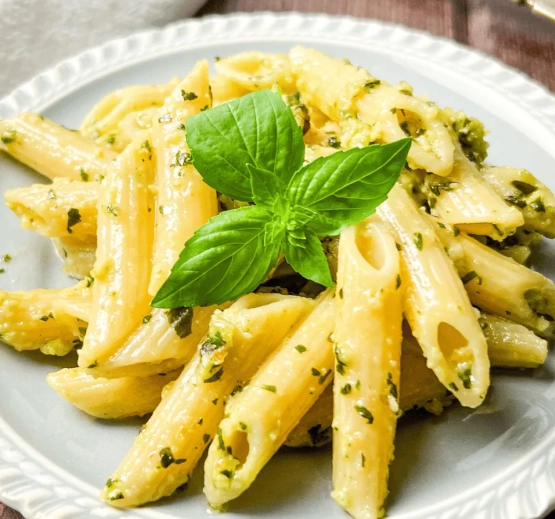
Recipe 2: One-Pan Tomato & Basil Cream Pasta
This is my go-to for a rich, comforting sauce without hours of simmering. The "cream" comes from emulsifying butter and starchy water with tomato paste—a trick I learned to avoid heavy cream that masks fresh flavors.
One-Pan Tomato & Basil Cream Pasta
Time: 20 mins | Serves: 2 | Difficulty: Easy
What You Need:
- 200g short pasta like penne or rigatoni
- 2 tablespoons tomato paste (concentrato)
- 1 small onion, finely chopped
- 2 tablespoons unsalted butter
- 1/4 cup dry white wine (optional, but recommended)
- 10-12 fresh basil leaves, torn
- Freshly grated Parmigiano-Reggiano for serving
- Salt and black pepper
How to Make It:
- In the same large pot you'll cook the pasta, melt butter over medium heat. Add the chopped onion and a pinch of salt. Cook until soft and translucent, about 5 minutes.
- Add the tomato paste and cook, stirring constantly, for 2 minutes until it darkens slightly and smells sweet.
- If using, pour in the white wine to deglaze the pan, scraping up any bits. Let it bubble for 1 minute.
- Add 4 cups of water to the pot and bring to a boil. Season well with salt.
- Add the pasta directly to the simmering sauce-water. Cook, stirring frequently, according to package time. The pasta will release starch and thicken the sauce.
- When the pasta is al dente and the sauce has thickened, remove from heat. If it's too thick, add a splash of hot water.
- Stir in most of the torn basil. Serve immediately with a generous amount of freshly grated cheese and the remaining basil on top.
This method, cooking the pasta directly in the sauce, is a game-changer for busy nights. All the flavor stays in one pan. The key is using enough water and stirring often so the pasta cooks evenly and doesn't stick.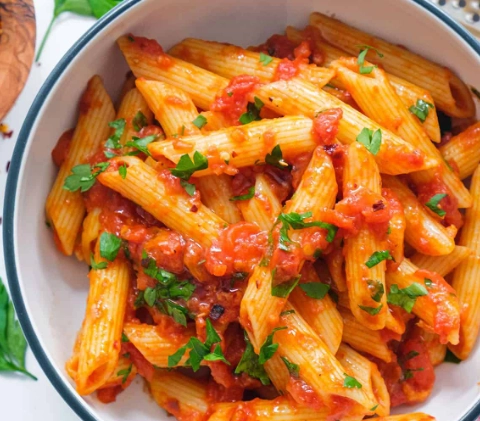
Recipe 3: No-Cream Carbonara (The Real Deal)
Carbonara is surrounded by myths and bad recipes. The authentic Roman version uses only eggs, Pecorino Romano cheese, guanciale (cured pork cheek), and black pepper. No cream, no garlic, no peas. It seems simple, but nailing the texture—creamy, not scrambled—is the challenge.
Authentic Spaghetti Carbonara
Time: 25 mins | Serves: 2 | Difficulty: Medium (but worth it)
What You Need:
- 200g spaghetti
- 150g guanciale (or pancetta as a substitute), cut into small cubes
- 2 whole large eggs + 2 egg yolks (room temperature)
- 1 cup freshly grated Pecorino Romano cheese (plus more for serving)
- Freshly cracked black pepper
- Salt for pasta water (use less, as Pecorino is very salty)
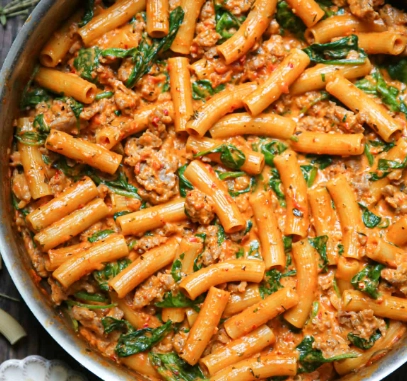
How to Make It:
- Bring pasta water to a boil. Salt lightly.
- In a bowl, whisk together the whole eggs, egg yolks, grated Pecorino, and a generous amount of black pepper until smooth. Set aside near the stove.
- In a large skillet (one that will fit the pasta later), cook the cubed guanciale over medium-low heat until crispy and the fat has rendered, about 10 minutes. Turn off the heat. Leave the fat in the pan.
- Cook the spaghetti until very al dente (1 minute less than package time). Reserve 2 cups of the starchy pasta water before draining.
- Transfer the drained pasta directly into the skillet with the guanciale and fat. Toss to coat over low heat for 1 minute.
- Remove the skillet from the heat entirely. Wait 30 seconds to let it cool slightly (this prevents scrambling).
- Quickly pour the egg and cheese mixture into the pasta, tossing and stirring vigorously. The residual heat will cook the eggs. If the sauce is too thick, add the reserved pasta water a tablespoon at a time, until it becomes silky and creamy.
- Serve immediately with extra Pecorino and black pepper. The sauce should coat the pasta like a velvety blanket, with no visible curds.
The biggest fear is scrambled eggs. Removing the pan from the heat and letting it cool for a moment before adding the egg mixture is the critical step most recipes gloss over. The hot pasta and the warm (not scorching hot) pan do the cooking gently.
Your Pasta Questions, Answered
Related Articles
Authentic Italian Holiday Dinner Recipes for a Festive Feast
Easy Italian Wedding Soup Recipe (Authentic Flavor, Simple Steps)

Classic Italian Bread Recipe: Authentic & Easy Homemade Loaf
Authentic Italian Meatball Sauce Recipe: A Family Secret Revealed

Modern Italian Cocktails: A Guide to Artisanal Mixology