What's in Italian Penicillin Soup? The Real Italian Cure-All Recipe
You've heard the term "Italian penicillin soup" thrown around, maybe by a friend swearing it cured their cold, or in a cozy food blog. But what's actually in it? Is it a single, codified recipe, or more of a concept? Let's cut through the noise. The truth is, "Italian penicillin soup" isn't found in any nonna's ancient cookbook under that name. It's a modern, affectionate nickname for a class of deeply nourishing, brothy Italian soups designed to make you feel better. Think of it as Italy's answer to Jewish penicillin (chicken soup), but with a distinctly Mediterranean pantry. At its core, it's a powerful, simple broth infused with vegetables, herbs, and often a protein, slow-simmered to extract every bit of flavor and nutrition. I've spent years cooking in Italy and arguing with chefs about what constitutes the "best" version. The magic isn't in a secret ingredient; it's in the approach.
What You'll Find in This Guide
- The Non-Negotiable Ingredients in Real Italian Penicillin Soup
- How to Make Authentic Italian Penicillin Soup: A Step-by-Step Recipe
- 3 Common Mistakes That Ruin Your "Penicillin" Soup (And How to Fix Them)
- Beyond the Basics: Regional Variations and Adaptations
- Your Italian Penicillin Soup Questions, Answered
The Non-Negotiable Ingredients in Real Italian Penicillin Soup
Forget fancy stuff. The power of this soup lies in humble, high-quality components. If your grocery list is long, you're overcomplicating it.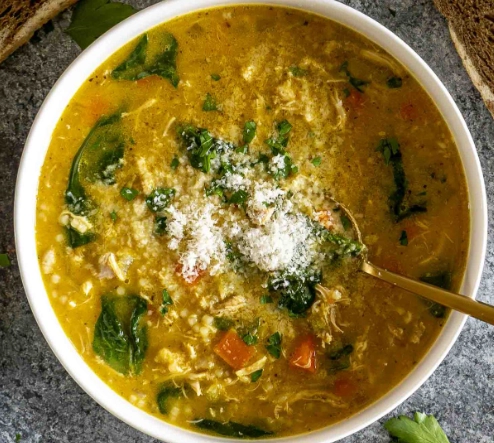
The Foundation: The Broth. This is the soul. You can use a rich chicken broth (brodo di pollo), a light vegetable broth, or even a turkey broth after the holidays. The key is homemade or the best-quality store-bought you can find. Canned broth loaded with salt and MSG won't cut it. I recommend brands like Rapunzel organic vegetable bouillon or Better Than Bouillon paste as decent shortcuts. For the purists, making your own is simple: cover a chicken carcass or beef bones with cold water, add an onion, carrot, celery stalk, and a handful of parsley, simmer for 3-4 hours, skim, and strain. That's it.
The Aromatics (Soffritto). This Italian holy trinity is non-negotiable. Finely diced onion, carrot, and celery, slowly sautéed in olive oil until soft and sweet. This forms the flavor base. Don't rush this step. It takes 10-15 minutes on low heat.
The "Penicillin" Boosters. These are the ingredients credited with the healing properties. Garlic: Minced and added after the soffritto, just for a minute until fragrant. It's antiviral and anti-inflammatory. Fresh Ginger: A slice of peeled, smashed ginger root simmered in the broth. This is a slightly modern twist, but its warming, anti-nausea properties are a perfect fit. Fresh Herbs: A large bunch of flat-leaf parsley and a few sprigs of thyme. You'll add stems early for flavor and chopped leaves at the end for freshness. Lemon Zest & Juice: A big hit of brightness and vitamin C added right before serving. This is the secret weapon that lifts the entire soup.
The Body. This is where you personalize. Tiny pasta like pastina, stelline, or orzo. Or, you can add rice, barley, or even a handful of rinsed canned cannellini beans for creaminess and protein. If using pasta, cook it separately and add it to each bowl to prevent it from bloating in leftovers.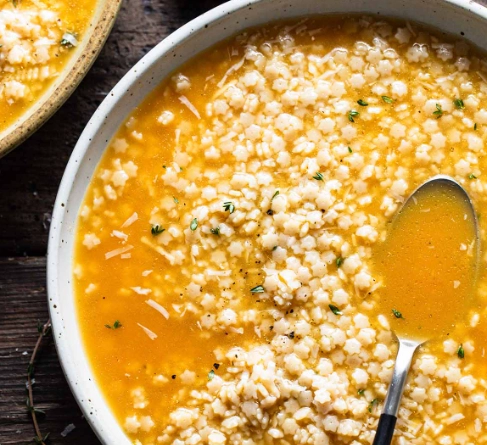
The Finish. Extra virgin olive oil drizzled on top, a generous grating of Parmigiano-Reggiano or Pecorino Romano cheese (the rind can be simmered in the broth for extra umami), and freshly cracked black pepper.
| Ingredient Category | Specific Examples & Purpose | Pro Tip / Substitution |
|---|---|---|
| Broth Base | Homemade chicken broth, high-quality vegetable broth. | Simmer a Parmesan rind in the broth for 20 mins for incredible depth. |
| Soffritto (Aromatics) | 1 onion, 1 carrot, 1 celery stalk, all finely diced. | Chop them evenly so they cook at the same rate. A food processor makes this fast. |
| "Healing" Aromatics | 3-4 garlic cloves, 1-inch piece fresh ginger, fresh parsley & thyme. | Don't skip the ginger. It adds a subtle warmth that's incredibly soothing. |
| Starch/Body | Pastina, orzo, arborio rice, canned cannellini beans. | For gluten-free, use rice or quinoa. For low-carb, add extra vegetables like zucchini. |
| Acidity & Finish | Juice and zest of 1 lemon, extra virgin olive oil, grated cheese. | Add lemon juice OFF the heat to preserve its vitamin C and fresh flavor. |
How to Make Authentic Italian Penicillin Soup: A Step-by-Step Recipe
Here’s my go-to method, refined after making this for sick friends and tired family more times than I can count. It takes about 45 minutes, mostly hands-off.
Step 1: Build the Flavor Base. In a large pot, heat 3 tablespoons of olive oil over medium-low heat. Add your finely diced onion, carrot, and celery with a pinch of salt. Cook, stirring occasionally, until they are completely soft and translucent, about 12 minutes. This step (the soffritto) is what gives the soup its foundational sweetness. Rushing it leads to a flat-tasting soup.
Step 2: Add the Aromatics. Add 3 minced garlic cloves and the smashed ginger piece. Cook for just 60 seconds until fragrant. Don't let the garlic brown.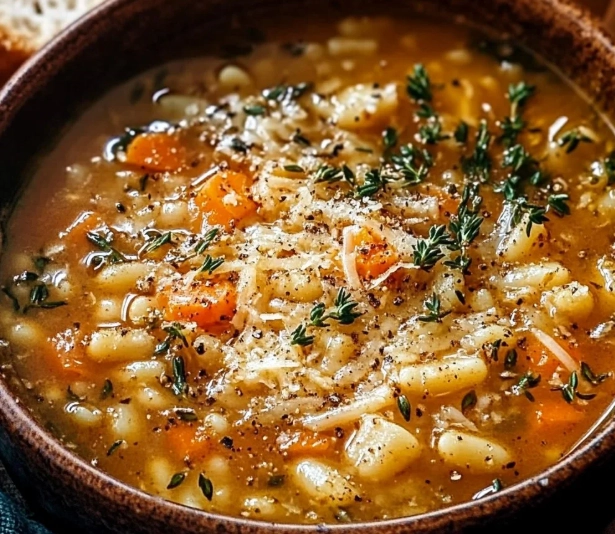
Step 3: Pour in the Broth. Add 8 cups (2 liters) of your chosen broth. Throw in the stems from your parsley bunch and the thyme sprigs. Bring to a gentle simmer, then reduce the heat to low. Let it bubble softly, uncovered, for 25 minutes. This slow simmer melds the flavors.
Step 4: Cook Your Starch (Separately). While the broth simmers, cook your pastina or orzo in a separate pot of salted boiling water according to package directions, but reduce the cooking time by 1 minute (it will finish cooking in the hot soup). Drain and set aside. This keeps the soup from becoming starchy and muddy, and lets you store leftovers better.
Step 5: Finish and Serve. Turn off the heat under the soup. Fish out the ginger piece, parsley stems, and thyme sprigs. Stir in the juice and zest of one whole lemon. This is crucial—the acid brightens everything. Chop the parsley leaves and stir them in. Ladle the broth into bowls, add a scoop of cooked pasta to each, and finish with a drizzle of raw olive oil, a mountain of grated cheese, and black pepper.
The One Thing I Do Differently: I almost never add raw chicken to the soup to cook. It makes the broth cloudy and can overcook, becoming stringy. Instead, I use leftover roasted chicken or a store-bought rotisserie chicken, shredded and added just before serving to warm through. It's faster, cleaner, and the texture is perfect.
3 Common Mistakes That Ruin Your "Penicillin" Soup (And How to Fix Them)
I've tasted a lot of bland, oily, or just sad versions of this soup. Here’s where most people go wrong.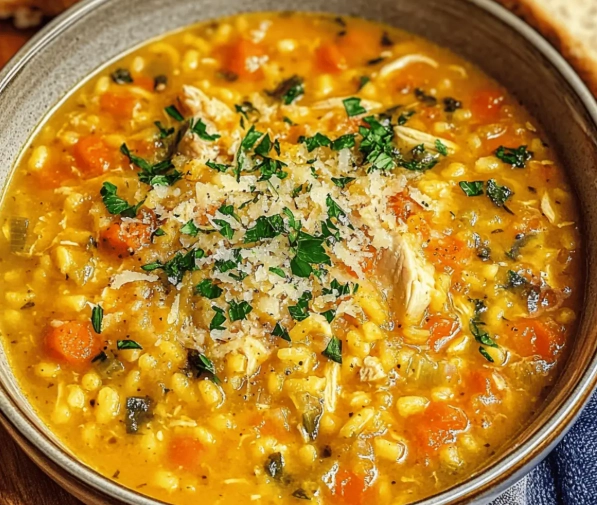
Mistake 1: Boiling the Broth Aggressively
A rolling boil makes broth cloudy and can make chicken meat tough if you're cooking it in the pot. It also evaporates the liquid too quickly, concentrating salt. The fix: After adding the broth, bring it just to a simmer—a few gentle bubbles breaking the surface—then immediately reduce the heat to the lowest setting that maintains that gentle bubble. A quiet, patient simmer extracts flavor without agitation.
Mistake 2: Adding the Lemon Juice Too Early
If you add lemon juice while the soup is still actively cooking or very hot, the volatile compounds that give it that bright, fresh aroma and vitamin C content break down. You're left with a vague sourness. The fix: Always add lemon juice (and fresh herbs like chopped parsley) after you've turned off the heat. Let the residual warmth do the work.
Mistake 3: Using Pre-Grated Parmesan Cheese
The cellulose powder in pre-grated cheese doesn't melt properly and can leave a gritty texture. The flavor is also vastly inferior. The fix: Buy a wedge of real Parmigiano-Reggiano and grate it fresh with a microplane. The difference in flavor and meltability is night and day. It's worth the extra 30 seconds.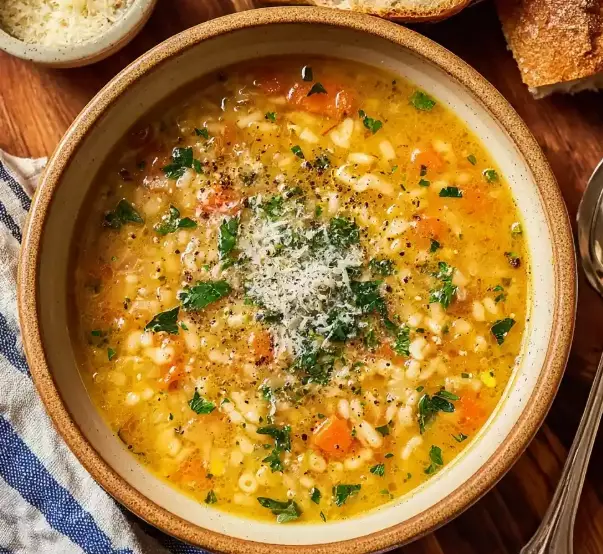
Beyond the Basics: Regional Variations and Adaptations
The beauty of this concept is its flexibility. Across Italy, the "cure-all soup" takes different forms based on what's available.
Tuscan Style (Zuppa di Farro): Uses farro (an ancient wheat grain) instead of pasta, often with cannellini beans and leafy greens like kale or cavolo nero. Heartier and packed with fiber.
Roman Stracciatella: The ultimate quick fix. Bring a clear, strong broth to a simmer. In a bowl, whisk an egg with grated cheese, lemon zest, and a pinch of nutmeg. Slowly stream the hot broth into the egg mixture while whisking, then pour it all back into the pot. It creates delicate, cooked egg ribbons. It's ready in 10 minutes.
Southern Italian "Brodo con Pastina": This is likely the closest to the classic "penicillin" idea—a simple chicken broth with the tiniest star-shaped pasta (pastina), often fed to children and the elderly. Pure, gentle, and easy to digest.
For a Clearer, More Intense Broth (Consommé-Style): After simmering, strain the broth through a fine-mesh sieve lined with a cheesecloth. You can even clarify it by whisking in a lightly beaten egg white and crushed eggshell, bringing it to a simmer, and then straining—the egg traps all the impurities, leaving a crystal-clear, intensely flavored broth. It's a bit fussy but impressive when you're really under the weather and want pure liquid nourishment.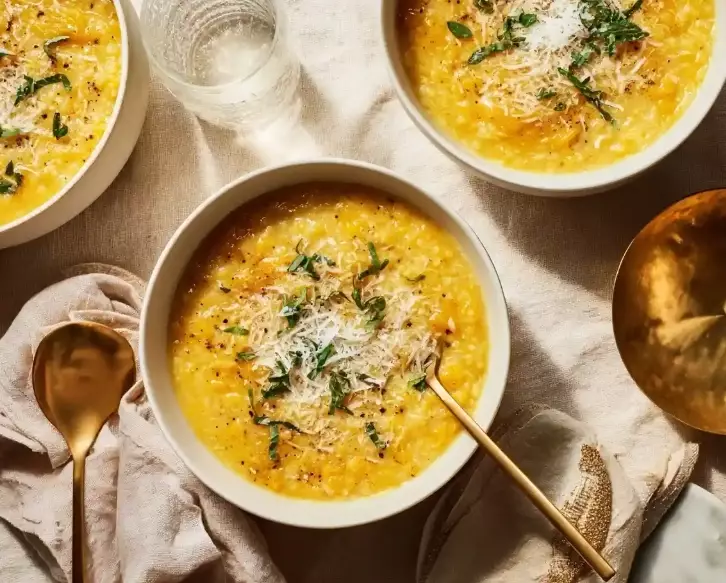
Your Italian Penicillin Soup Questions, Answered
Related Articles
Top 10 Italian Chicken Dishes You Must Try
A Typical Italian Dinner at Home: The Real Menu & Traditions
The Ultimate Guide to Making Authentic Italian Lasagna at Home
Italian Buttercream Recipe: How to Make Perfectly Smooth Frosting
Authentic Italian Pasta Sauce Recipes: From Classic Tomato to Rich Ragù