Ultimate Crusty Italian Bread Recipe with Yeast
That shatteringly crisp crust, the soft, hole-riddled interior with a subtle tang—nothing beats a loaf of real Italian bread. You don't need a wood-fired oven or mystical skills. After baking this bread for over a decade, I can tell you the secret lies in three things: a wet dough, a long, slow fermentation, and steam in your home oven. Most recipes get one of these wrong. Let's fix that.
What You'll Learn in This Guide
Why This Recipe Works: It's All About Gluten and Time
Supermarket "Italian" bread is often just white bread in disguise—soft, fluffy, and forgettable. Authentic crusty bread, like a pane pugliese or ciabatta, has character. The crust crackles because moisture in the dough turns to steam during baking, rapidly expanding and setting the exterior. The yeast and time do the heavy lifting for flavor.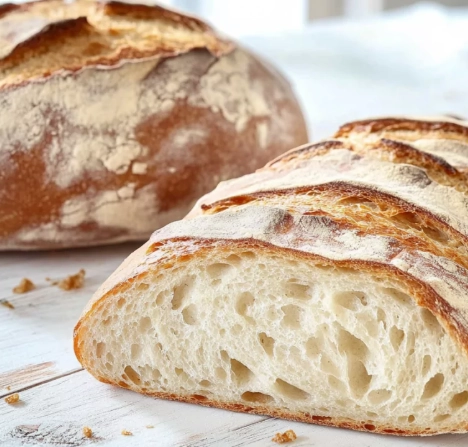
Here’s the non-consensus bit everyone overlooks: You don't need to knead for 20 minutes. In fact, over-kneading a high-hydration dough can lead to a tight, dense crumb. We'll use a series of gentle folds. This builds strength without tearing the delicate gluten network, which is what gives you those beautiful, irregular air pockets.
Ingredients Breakdown: The Simpler, The Better
Only four essentials. Their quality matters, but don't stress about finding "00" flour. A good bread flour is perfect.
| Ingredient | Weight (Metric) | Volume (Approx.) | Role & Pro Tip |
|---|---|---|---|
| Bread Flour | 500g | 4 cups + 2 tbsp | High protein (12-13%) for structure. King Arthur Bread Flour is my reliable go-to. All-purpose can work but yields a slightly less chewy crumb. |
| Water (lukewarm) | 350g | 1 ½ cups | 70% hydration. This wetness is key for an open crumb. Use filtered water if yours is heavily chlorinated. |
| Active Dry Yeast | 7g (1 packet) | 2 ¼ tsp | The workhorse. Instant yeast works too; just mix it directly with the flour. |
| Fine Sea Salt | 10g | 1 ¾ tsp | Regulates yeast, strengthens gluten, adds flavor. Don't add it directly on top of the yeast initially. |
Optional: 50g of whole wheat or rye flour (replace 50g of bread flour) for a deeper flavor. A tablespoon of olive oil can add richness, but it will soften the crust slightly—a trade-off.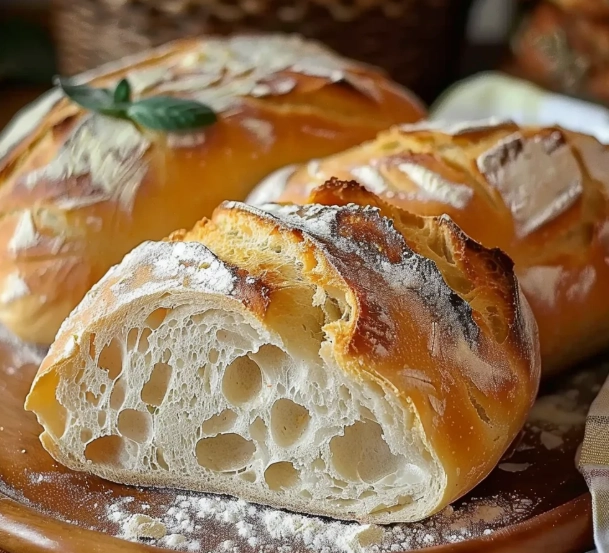
How to Make Crusty Italian Bread: A Step-by-Step Guide
This isn't a 60-minute recipe. Good bread takes planning, mostly hands-off time. Schedule it over a day or, even better, use the slow, cold ferment method for superior flavor.
Mixing and the Autolyse Rest
In a large bowl, combine the flour and 320g of the water (about 90°F/32°C). Mix until no dry flour remains. It will look shaggy. Cover and let it rest for 30 minutes. This autolyse (a term from baking authority King Arthur Baking) allows the flour to fully hydrate, making the gluten develop more easily later. It's a game-changer for smooth dough.
After the rest, dissolve the yeast in the remaining 30g of warm water. Add it and the salt to the dough. Now, mix. I use a dough scraper and my hands. It will be sticky. That's correct.
Bulk Fermentation and the Fold Technique
Cover the bowl. Let it rise at room temperature (around 70°F/21°C) for 3 hours. Here's the crucial fold routine, performed every 45 minutes (so, 3 folds total):
Wet your hand. Reach under one side of the dough, stretch it up, and fold it over the center. Turn the bowl a quarter turn and repeat on all four sides. This gentle action builds strength without deflating the dough. You'll feel it transform from a sticky mess to a smooth, cohesive, jiggly ball.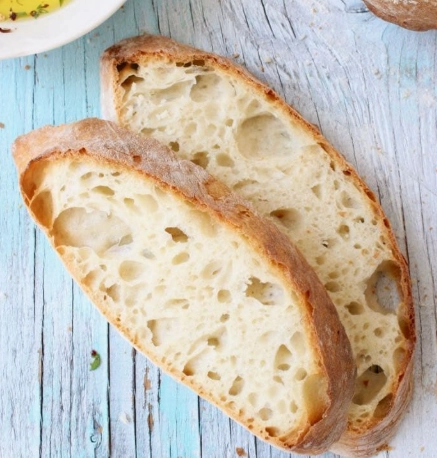
Shaping and Final Proof
After the bulk rise, gently turn the dough onto a lightly floured surface. Don't punch it down. Shape it into a round (boule) or an oval (batard) by tucking the edges under. The goal is to create surface tension.
Place it seam-side up in a well-floured proofing basket (banneton) or a bowl lined with a heavily floured kitchen towel. Cover and let it proof for 1-1.5 hours at room temp, or for that incredible flavor, refrigerate it for 12-48 hours (cold retard).
Baking: The Steam Secret Most Home Bakers Miss
Preheat your oven to 450°F (230°C) for at least 45 minutes with a Dutch oven or heavy combo cooker inside. This is non-negotiable for steam. The preheated pot traps the dough's own moisture, creating a mini steam oven.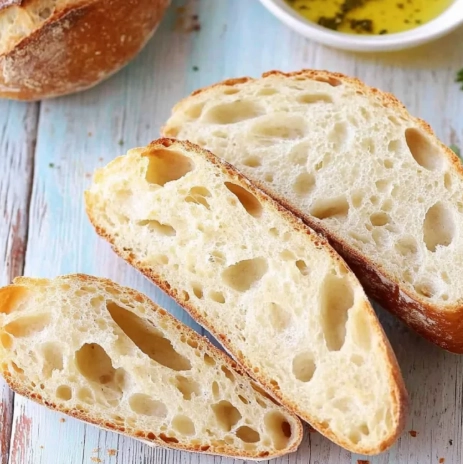
When ready, carefully take the hot pot out. Turn your proofed dough into the pot (seam-side up now becomes the bottom). Score the top deeply with a razor blade—this controls expansion. Cover with the lid and bake for 25 minutes.
Remove the lid. The bread will be pale and set. Continue baking uncovered for 20-25 minutes until deeply golden brown. An instant-read thermometer should read 205-210°F (96-99°C) in the center.
Cool completely on a wire rack. I know it's hard, but cutting into a hot loaf steams the crumb and makes it gummy. Wait at least 2 hours.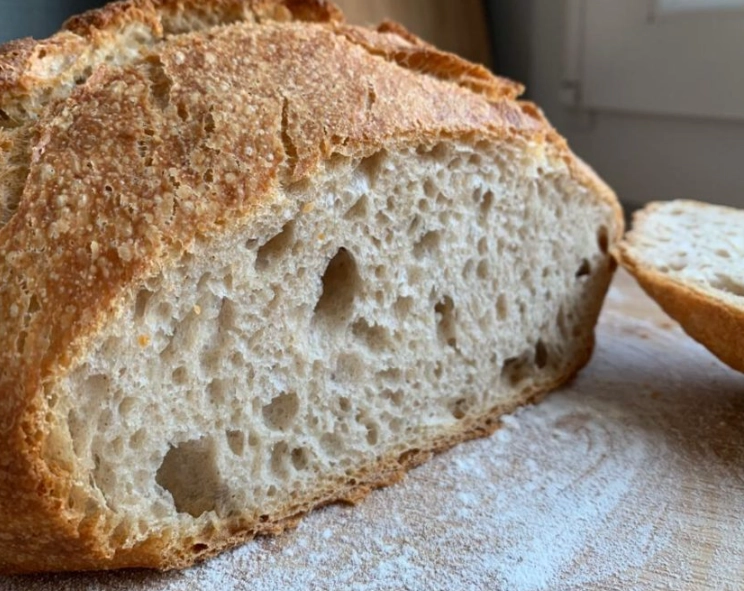
Troubleshooting Your Crusty Italian Bread: Expert FAQs
Baking this bread a few times will teach you more than any article. You'll learn to read the dough's feel, understand your oven's quirks, and hear the perfect crackle of the crust as it cools. Start with the recipe, then make it yours. Maybe a sprinkle of rosemary in the folds, or a dusting of semolina on the bottom. That's the joy of it.
Related Articles
Italian Shrimp Recipes: From Classic Scampi to Modern Dishes

Two 1 billion US dollars of large model financing, Internet giants are starting

Authentic Italian Stromboli Recipe: Easy Homemade Guide for Perfect Results
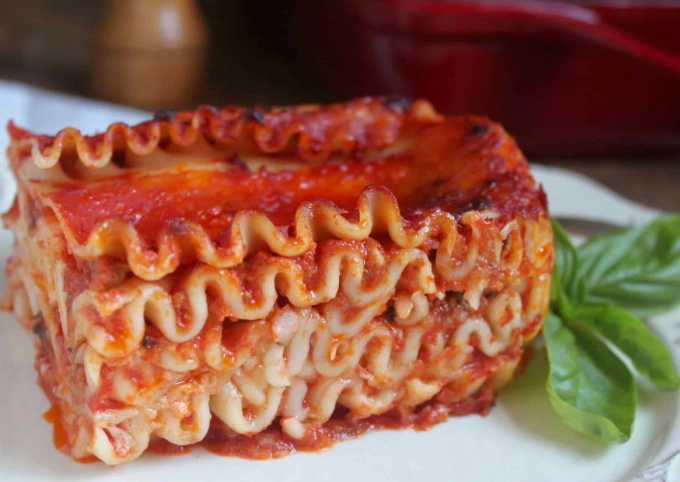
Traditional Italian Recipes by Region: A Culinary Journey from North to South
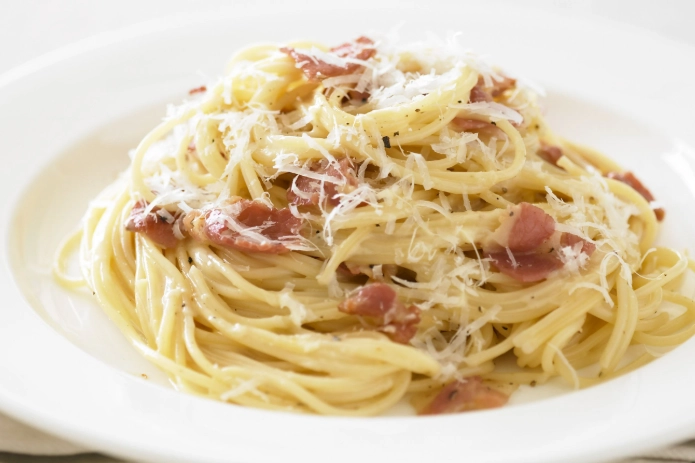
Original Carbonara Recipe: Authentic Italian Sauce & Common Mistakes