Italian vs. Regular Meatballs: The Real Differences Explained
You see "meatballs" on a menu and think you know what you're getting. Then you take a bite in a red-sauce joint in New York and it's one thing. You try the polpette in a trattoria in Bologna and it's something else entirely. The texture, the flavor, the feel in your mouth—it's different. If you've ever wondered why the meatballs in your spaghetti taste nothing like Nonna's, or why your Swedish meatball recipe falls flat when you try to make it "Italian," you're not imagining things. The difference between Italian meatballs and what most of the world calls "regular" meatballs is fundamental, rooted in culture, technique, and intention.
Let's get the big picture out first. Italian meatballs, or polpette, are often lighter, more finely textured, and designed to be part of a dish, simmering in sauce to become one with it. The "regular" meatball—think the American diner classic or the IKEA staple—is frequently denser, larger, and can stand alone as its own feature, often with a gravy or cream sauce poured over it. One isn't better than the other; they're just built for different culinary missions.
What You'll Learn Inside
The Ingredient Showdown: Meat, Binders, and Flavor
This is where the road splits. Open any classic Italian cookbook, like those from the Academia Italiana della Cucina, and you'll find a specific blueprint.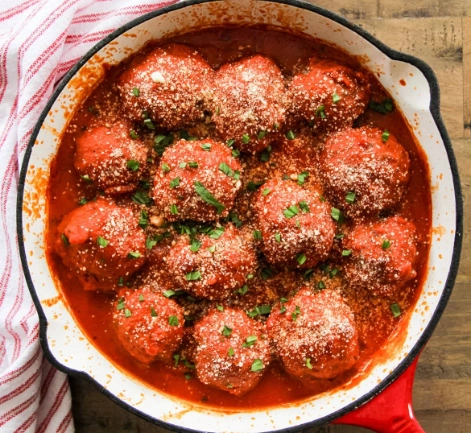
The Meat Blend
Italian meatballs often use a mix of meats. Ground beef is common, but it's frequently cut with ground pork for fat and sweetness, and sometimes even veal for tenderness. The pork isn't just an add-in; it's crucial. In regions like Emilia-Romagna, you might find a 50/50 beef-to-pork ratio. The fat content matters—you want enough to keep them moist during their simmer.
Regular meatballs, especially the American version, often rely on a single meat: ground beef. And not just any beef—leaner blends are common because people fear fat. This is mistake number one for home cooks. The Swedish version uses a beef-pork blend too, but the spicing takes it in a totally different direction.
The Binder & Moisture Agents
Here's a huge, subtle difference most blogs miss. Italian meatballs typically use soaked bread or fresh breadcrumbs moistened with milk or water. This isn't just a filler; it's a texture creator. The soaked bread creates a lighter, almost airy consistency. It's a technique with ancient roots, stretching back to when meat was precious and extending it was necessary, but the result is superior texture.
Regular meatballs? They often call for dry, store-bought breadcrumbs or cracker meal. This absorbs moisture differently, leading to a denser, crumblier, or sometimes grainier texture. It binds, but it doesn't lighten.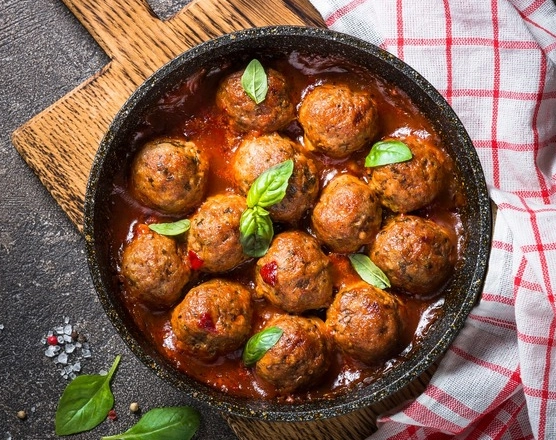
The Flavor Profile
Italian meatball seasoning is about harmony with the tomato sauce. Garlic, finely chopped parsley, grated Parmigiano-Reggiano or Pecorino Romano cheese, a bit of salt, and black pepper. Sometimes a pinch of nutmeg. The cheese is non-negotiable—it adds umami and salt. The focus is on savory, herbal, cheesy notes.
Regular meatball seasoning can be all over the map. The American diner style might use onion powder, garlic powder, Worcestershire sauce. Swedish meatballs famously use allspice and nutmeg as dominant flavors, paired with a creamy gravy. The flavor profile is designed to stand out, not blend in.
| Aspect | Italian Meatballs (Polpette) | "Regular" Meatballs (American/Swedish Style) |
|---|---|---|
| Primary Meat | Blend (e.g., beef & pork) | Often single (beef) or beef/pork blend |
| Key Binder | Soaked bread or fresh breadcrumbs | Dry breadcrumbs or cracker meal |
| Signature Flavorings | Parsley, garlic, Parmesan cheese | Onion/garlic powder, Worcestershire (US); Allspice, nutmeg (Swedish) |
| Texture Goal | Light, tender, fine | Dense, hearty, firm |
| Typical Size | Small to medium (1-2 inch) | Medium to large (2-3 inch+) |
Technique Defines Texture: Why Your Meatballs Are Tough
You can have perfect ingredients and still ruin the texture. The handling is everything. I've seen more meatballs murdered by overmixing than by any sauce.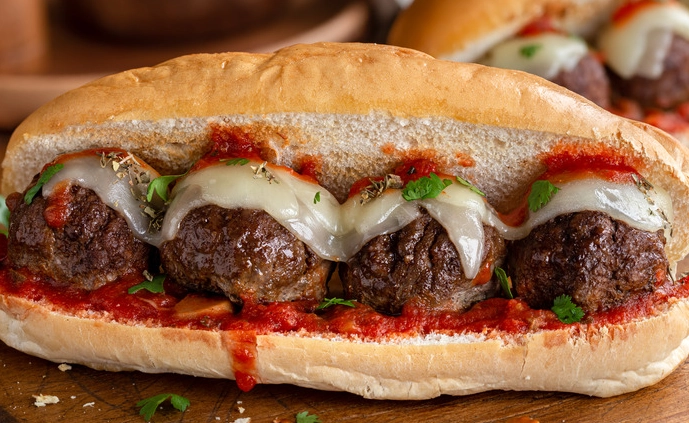
For Italian meatballs, the rule is gentle. You mix the soaked bread, cheese, herbs, and eggs first. Then you gently fold in the meat until just combined. You should still see little streaks of fat. Overworking activates the proteins in the meat, creating a tight, springy, sausage-like texture—the opposite of what you want. You want a loose, almost delicate mixture.
For many regular meatball recipes, the mixing is less critical because the goal is often a firmer, more cohesive ball that holds its shape without a sauce. But the principle still applies: less handling is almost always better.
Another technique point: wet hands. Always keep a bowl of water nearby to wet your hands before rolling. It prevents sticking and helps form smoother balls without compacting the meat.
Cooking Method & The Sacred Sauce Relationship
This might be the most important difference of all, and it's where most home cooks go wrong when trying to make "Italian" meatballs.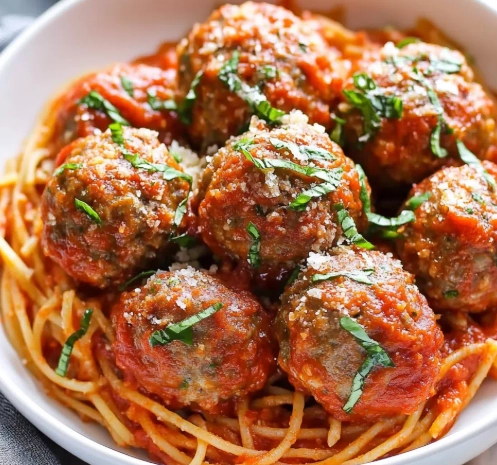
Italian meatballs are almost always browned first and then simmered in sauce. Not baked, not just plopped in raw. You heat olive oil, you brown the meatballs in batches to get a nice crust (the Maillard reaction—it's flavor), and then you transfer them to a pot of simmering tomato sauce. They finish cooking there, for at least 30-45 minutes. This does two magical things: the meatballs infuse the sauce with their meaty, savory flavor, and the sauce keeps the meatballs incredibly moist and tender. They become one entity. According to the U.S. Department of Agriculture food safety guidelines, this simmering ensures they reach a safe internal temperature while transforming the dish.
Regular meatballs have a more varied destiny. American-style meatballs are often baked on a sheet pan, which is easier for large batches but can dry them out. They're then served with sauce on top or on the side. Swedish meatballs are pan-fried and then finished in a creamy gravy. The sauce is a companion, not a cooking medium.
Skipping the browning-and-simmer step for Italian meatballs is like making a BLT without the bacon. You're missing the soul of the dish.
Size, Serving, and Cultural Purpose
In Italy, polpette are often a secondo (main course) or a contorno (side). They can be served with a wedge of lemon, a simple salad, or yes, with pasta—but usually as a separate course or with the pasta as a side. The famous "spaghetti and meatballs" is an Italian-American creation, a glorious one, but it reflects the abundance of the new world. The meatballs got bigger to be a centerpiece.
Regular meatballs, in their various forms, are designed as the star. A plate of Swedish meatballs with lingonberry sauce and mashed potatoes is a complete meal. A sub sandwich stuffed with three giant meatballs is a handheld feast. The cultural purpose is different: satiety and comfort in a single, hefty package.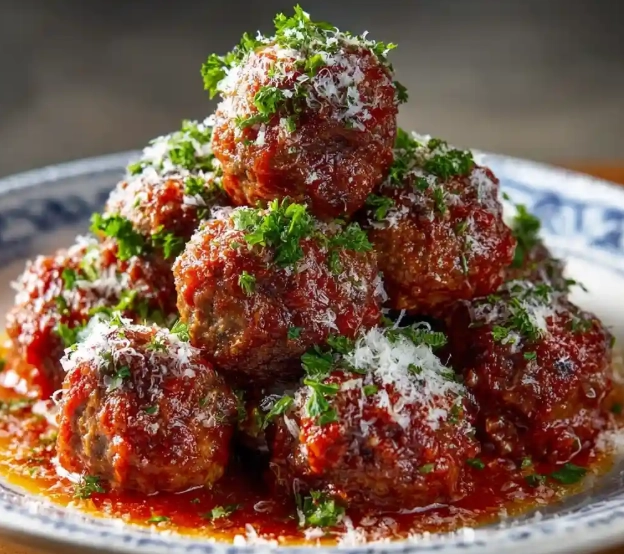
Two Can't-Miss Recipes to Try at Home
To truly understand the difference, you have to make them. Here are two streamlined recipes that highlight the core principles.
Classic Italian Polpette al Sugo
Ingredients: 1 lb ground beef (80/20) & 1/2 lb ground pork, 2 slices white bread (crusts removed), 1/4 cup milk, 1/2 cup grated Parmigiano-Reggiano, 1/4 cup chopped parsley, 2 garlic cloves (minced), 1 large egg, salt & pepper. For sauce: 28oz can crushed tomatoes, 1 onion (halved), 1/4 cup olive oil.
Method: Soak bread in milk, squeeze out excess. Mix bread with cheese, parsley, garlic, egg, S&P. Gently fold in meats. Form into 1.5-inch balls with wet hands. Brown in olive oil. In a separate pot, simmer tomatoes and onion in oil for 10 min. Add meatballs, simmer covered 40 min. Remove onion. Serve.
All-American Diner-Style Meatballs
Ingredients: 1.5 lbs ground beef (85/15), 2/3 cup dry breadcrumbs, 1/2 cup milk, 1 small onion (finely grated), 1 tbsp Worcestershire sauce, 1 tsp garlic powder, 1 large egg, 1 tsp salt, 1/2 tsp black pepper.
Method: Mix milk and breadcrumbs, let sit 5 min. Add all other ingredients, mix until combined. Form into 2-inch balls. Place on parchment-lined baking sheet. Bake at 400°F (200°C) for 18-22 minutes. Serve with brown gravy or marinara sauce.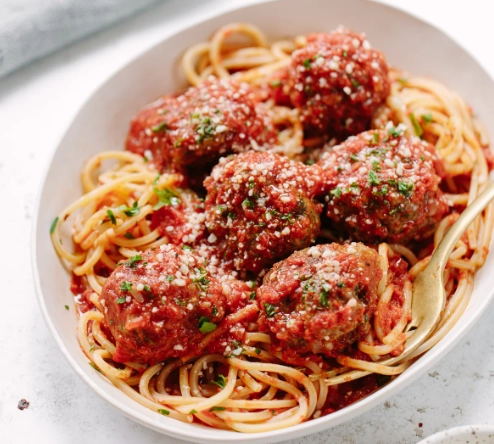
Your Meatball Questions, Answered
Can I use store-bought breadcrumbs for Italian meatballs?
You can, but you'll sacrifice texture. If you must, use "panko" style and soak them in milk for 10 minutes first. The goal is a moist, almost paste-like binder, not a dry powder. Tearing up a stale roll is the better move.
My meatballs always fall apart in the sauce. What am I doing wrong?
Two likely culprits. First, you didn't brown them enough. A proper crust acts as a barrier. Second, your mixture might be too wet (too much milk/egg) or lack a sufficient binder. Chilling the formed meatballs for 20 minutes before browning also helps them hold their shape.
Is it okay to bake Italian meatballs instead of frying and simmering?
For speed and health, yes. For authentic texture and flavor integration with the sauce, no. Baking dries them out and you lose that crucial flavor exchange between meatball and sauce. If you bake, consider adding a cup of your tomato sauce to the baking dish for the last 10 minutes.
What's the best meat blend for the most tender meatball?
For ultimate tenderness, a trio of beef, pork, and veal is classic. But a 50/50 beef and pork mix is excellent and more accessible. The key is fat content—aim for at least 20% total fat across your meats. Lean meat makes for a dry, tough meatball.
Why do some recipes add ricotta cheese to meatballs?
Ricotta is a Southern Italian twist, particularly in baked meatballs or those for subs. It adds incredible moisture, a slight tang, and a melt-in-your-mouth quality. It's a deviation from the classic but a delicious one. If using, reduce or omit the milk in your binder.
The difference between Italian and regular meatballs isn't a minor tweak. It's a different philosophy. One is about integration, lightness, and a balance of flavors meant to marry with a simple tomato sauce. The other is about heartiness, standing tall, and delivering a punch of comfort on its own. Knowing these differences lets you choose the right tool for the job, whether you're aiming for a Sunday gravy masterpiece or a quick weeknight meal. Now go roll up your sleeves and get mixing—gently.
Related Articles
Chopped Italian Sandwich Recipe: Step-by-Step Homemade Guide

Microsoft hollowed out AI unicorn Inflection AI and paid 650 million US dollars
Ultimate Guide to Best Italian Appetizer Recipes for Any Occasion
Authentic Italian Pasta e Fagioli Recipe: A Hearty Classic
What Are the Most Popular Italian Appetizers? A Complete Guide to Antipasti