Proper Italian Meatballs Recipe: Authentic Tips & Secrets
Let's be honest. Most "Italian" meatballs you find are dense, dry hockey pucks swimming in jarred sauce. They're a far cry from the tender, juicy, flavor-packed polpette you'd get in a nonna's kitchen in Rome or Bologna. The good news? The secret isn't some magical ingredient. It's a handful of simple, often overlooked techniques. After years of trial and error (and a few disastrously tough batches), I've nailed down the method that consistently delivers soft, succulent meatballs that melt in your mouth. Forget everything you think you know about packing them tight. We're going light.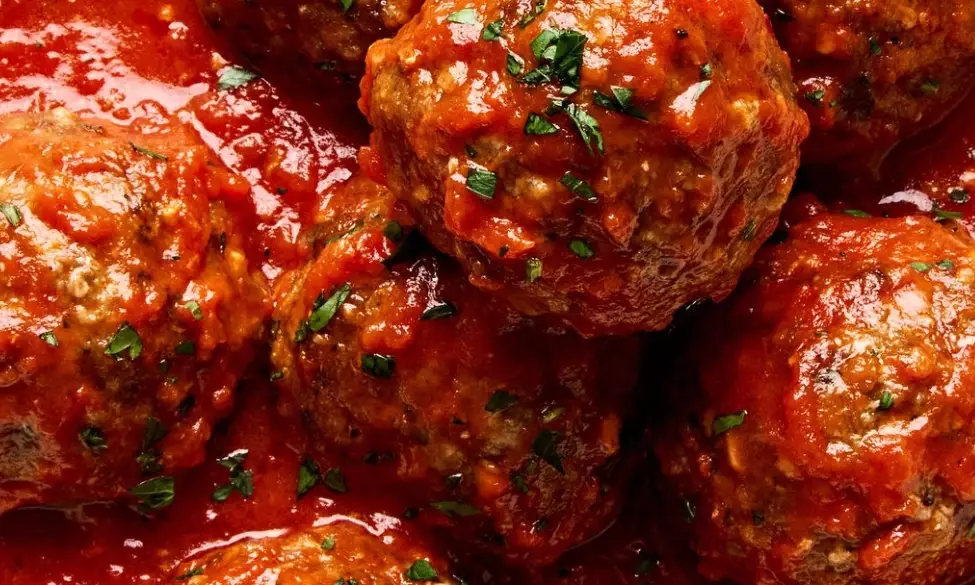
What You'll Find Inside
- The Three Non-Negotiable Principles for Tender Meatballs
- Your Meatball Toolkit: A Breakdown of Every Ingredient
- The Step-by-Step Process: Mixing, Shaping, and Cooking
- The 5 Most Common Meatball Mistakes (And How to Fix Them)
- To Fry, Bake, or Simmer? Choosing Your Cooking Method
- Beyond Spaghetti: How to Serve Your Italian Meatballs
- Your Meatball Questions, Answered
The Three Non-Negotiable Principles for Tender Meatballs
Before we touch a single ingredient, understand these pillars. They're more important than the recipe itself.
1. Fat is Flavor (and Moisture). Lean meat makes lean, sad meatballs. You need a good amount of fat to keep them juicy during cooking. We'll use a blend of meats to achieve this.
2. The Bread Panade is Your Best Friend. This is the biggest game-changer. A panade is a paste made from bread and milk. It binds the meat gently without the toughness that eggs alone can create, and it introduces moisture that gets absorbed during cooking, resulting in an unbelievably tender texture.
3. Handle With Care, Mix With Caution. Over-mixing and compacting the meat develops the proteins, making them tough and springy. Mix just until combined, and form the balls with a light touch.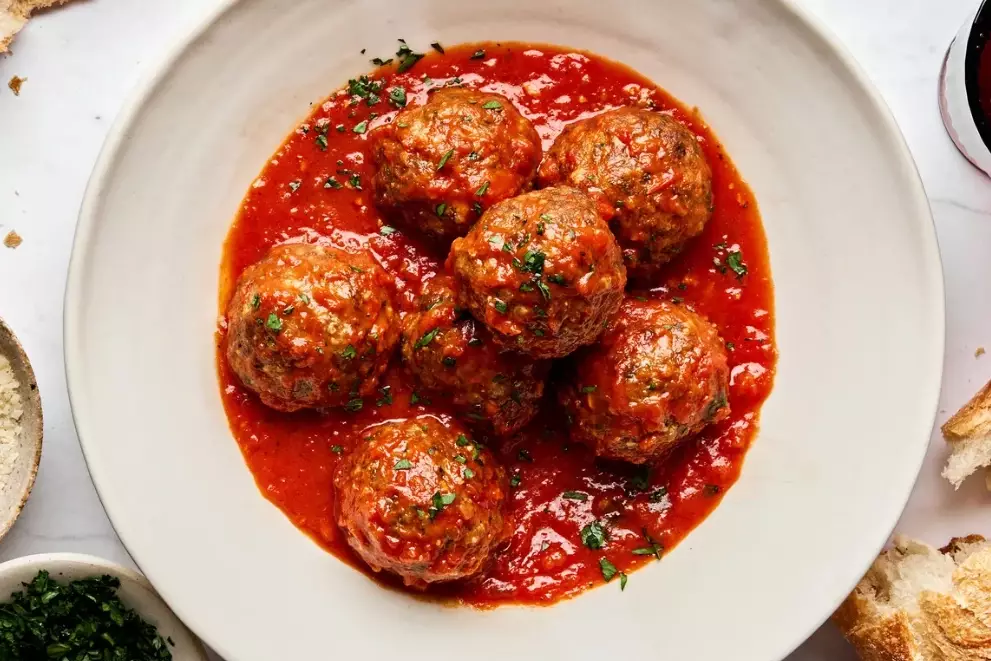
Your Meatball Toolkit: A Breakdown of Every Ingredient
Here’s what you need and why it matters. This isn't just a shopping list.
The Meat Blend (The Foundation): The classic Italian trifecta is equal parts beef, pork, and veal. Veal can be pricey or hard to find, so a 50/50 mix of ground beef (80/20 fat ratio) and ground pork (not sausage) is perfect. The pork adds fat and sweetness. Using just beef often leads to a drier, grainier texture.
The Aromatics: One small yellow onion, finely grated or minced. Grating it releases its juices, which distribute flavor evenly and add moisture. Two cloves of garlic, minced. Some recipes add a handful of finely chopped parsley.
The Binder & Tenderizer: Two slices of good-quality white bread (like ciabatta or a rustic loaf), crusts removed, torn into small pieces. About 1/3 cup of whole milk. One large egg. Freshly grated Parmigiano-Reggiano or Pecorino Romano cheese (about 1/2 cup). This adds salty, umami depth—don't use the pre-grated stuff in a canister; it contains anti-caking agents and won't melt properly.
The Seasonings: Kosher salt, freshly ground black pepper. A tiny pinch of dried oregano (optional, but common in Southern Italian styles).
The Step-by-Step Process: Mixing, Shaping, and Cooking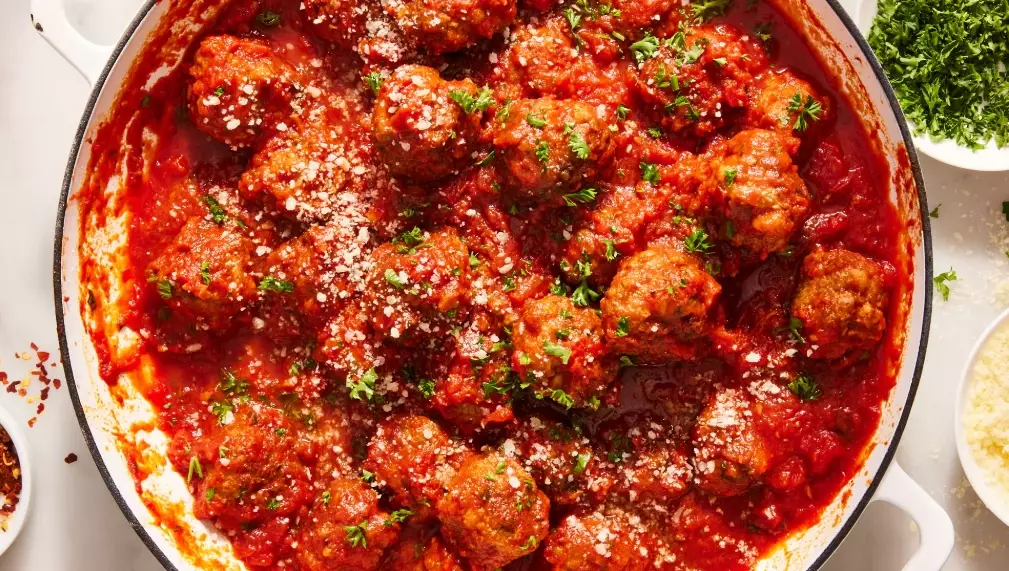
Step 1: Make the Panade
In a large bowl, combine the torn bread and milk. Let it sit for 5-10 minutes until the bread completely soaks up the milk and becomes a mushy paste. Mash it with a fork to ensure no dry lumps remain. This is your secret weapon for tenderness.
Step 2: Gently Combine Everything
To the bowl with the panade, add the grated onion, garlic, egg, grated cheese, salt, pepper, and oregano. Use a fork to mix this slurry until it's fairly uniform. Now, add the ground beef and pork. Here's the critical part: use your hands, but pretend you're handling a cloud. Gently fold and turn the mixture until the meat is just evenly distributed and the other ingredients are incorporated. Stop the second it looks combined. This should take less than a minute. Overworking it is the primary cause of toughness.
Step 3: Test and Shape
Before shaping all the meatballs, do a test. Heat a small skillet with a bit of oil. Take a teaspoon of the mixture, flatten it into a tiny patty, and cook it through. Taste it. This is your only chance to adjust seasoning. Need more salt? Add it now.
With damp hands (prevents sticking), lightly form the mixture into balls. I aim for about 1.5 inches in diameter, roughly the size of a golf ball. Don't roll them aggressively between your palms; just cup your hand and let the meat loosely form a ball with minimal pressure. Place them on a baking sheet.
Step 4: Choose Your Cooking Path
You have two excellent options here, and the choice depends on your final dish.
Option A: The Simmer (My Favorite for Sauce Integration). Bring your homemade or high-quality store-bought marinara sauce to a very gentle simmer in a wide pot. Carefully lower the raw meatballs into the sauce. Cover and let them simmer gently for 25-30 minutes. They'll cook through in the sauce, absorbing its flavor and staying incredibly moist. This is the most authentic method for serving with pasta.
Option B: The Sear & Simmer (For Deeper Flavor). Heat a tablespoon of olive oil in a large skillet over medium heat. Brown the meatballs in batches, turning gently to get color on most sides. This creates a flavorful fond (the browned bits) in the pan. Remove the meatballs, add a splash of red wine to deglaze the pan, scrape up the fond, then add your sauce. Return the meatballs to the sauce and simmer for 20 minutes.
Baking is a third, less traditional option that works for large batches or if you want less hands-on time. Bake at 400°F (200°C) on a parchment-lined sheet for 15-20 minutes, then finish in sauce if desired.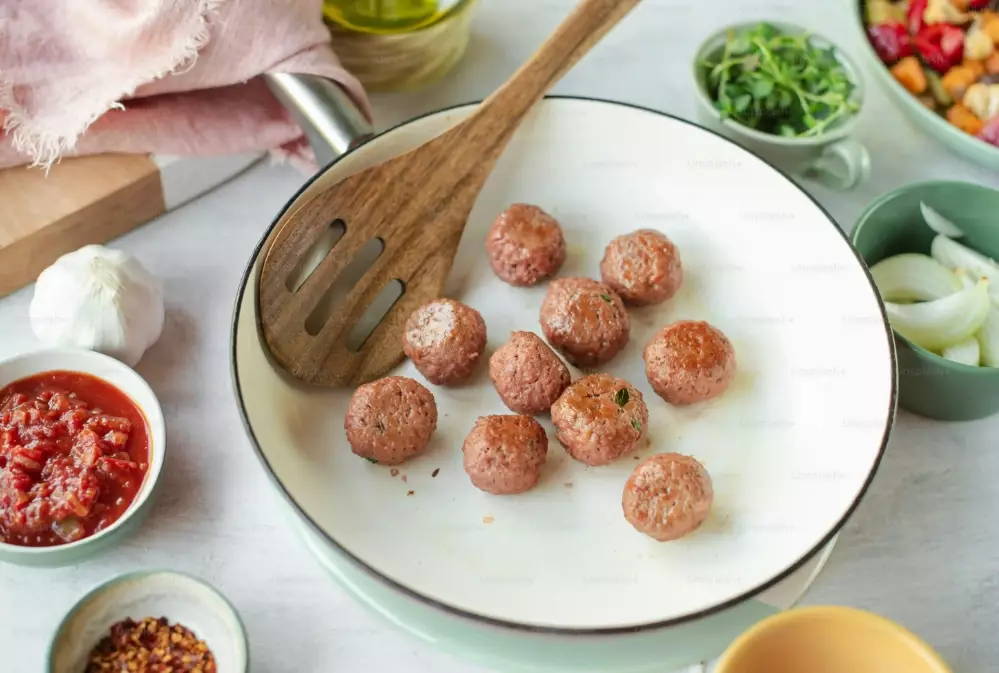
The 5 Most Common Meatball Mistakes (And How to Fix Them)
| The Mistake | The Result | The Fix |
|---|---|---|
| Using only lean ground beef. | Dry, crumbly, lacking richness. | Use a blend with pork (and veal if possible). Embrace the fat. |
| Skipping the panade (bread & milk). | Dense, compact texture. Relies too much on egg for binding. | Always make the panade. It's the key to a tender, moist crumb. |
| Over-mixing the meat. | Tough, rubbery, springy meatballs. | Mix by hand, gently and briefly. Stop as soon as it's combined. |
| Forming the balls too tightly. | Dense interior that squeezes out juices. | Use a light touch with damp hands. They should just hold together. |
| Boiling the sauce after adding meatballs. | Meatballs break apart or become tough. | Maintain the gentlest possible simmer. Bubbles should barely break the surface. |
To Fry, Bake, or Simmer? Choosing Your Cooking Method
I see a lot of debate online about the "best" way to cook them. Here's my take from experience.
Straight Simmering in Sauce: This is the way of many Italian grandmothers. The meatballs poach gently, remaining supremely tender and infusing the sauce with their meaty flavor. The downside? You miss the Maillard reaction (browning) that adds complex flavor. The texture is the softest here.
Searing First, Then Simmering: This is my preferred hybrid. You get that delicious browned crust and fond, which adds a ton of flavor to the final dish. You have to be careful not to break them while turning. The interior is still tender from the subsequent simmer, but with a more complex flavor profile.
Baking: It's convenient for big batches, hands-off, and less messy. The exterior gets a nice all-over roast. However, they can dry out more easily if over-baked. I recommend finishing baked meatballs in sauce for at least 10 minutes to rehydrate them.
My verdict? For the ultimate experience, sear and simmer. For guaranteed tenderness with zero fuss, straight simmer.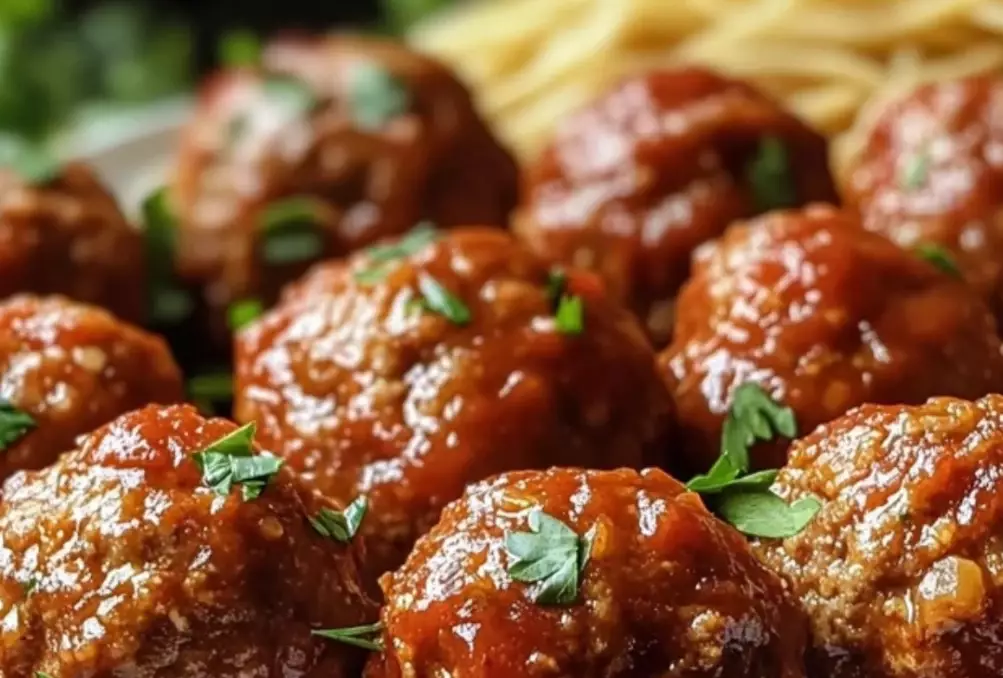
Beyond Spaghetti: How to Serve Your Italian Meatballs
Sure, spaghetti and meatballs is iconic. But don't stop there.
- Meatball Subs: Split a crusty Italian roll, toast it lightly, pile in 3-4 meatballs, top with sauce and melted provolone or mozzarella. A game-changer.
- As a Main Course (Polpette al Sugo): Serve 4-5 meatballs in a shallow bowl with plenty of sauce, a drizzle of good olive oil, and a pile of crusty bread for dipping. Maybe a side of sautéed greens.
- With Creamy Polenta: The soft, creamy texture of polenta is a dream with meatballs and ragù. This is a northern Italian classic.
- Appetizer Size: Make them smaller (3/4 inch), bake them, and serve with a dipping sauce like a spicy arrabbiata or a creamy garlic aioli.
Your Meatball Questions, Answered
My meatballs always fall apart in the sauce. What am I doing wrong?
This usually points to three issues: not enough binder, the sauce is at a rolling boil instead of a gentle simmer, or you're moving them too soon. Ensure your panade is properly soaked and mixed in. Let the meatballs simmer undisturbed for at least 10 minutes before you even think about stirring the pot—they need time to set.
Can I make the meatball mixture ahead of time?
You can, but with a caveat. You can mix everything, cover the bowl tightly, and refrigerate for up to 24 hours. Some say this lets the flavors meld. However, the salt will start to cure the meat, tightening the proteins slightly. For the absolute most tender texture, I prefer to mix and cook within an hour or two.
 What's the best way to freeze cooked meatballs?
Let them cool completely in their sauce. Portion meatballs and sauce into airtight containers or freezer bags, leaving a little headspace. They'll keep for 3 months. Thaw overnight in the fridge and reheat gently in a saucepan. You can also freeze uncooked, shaped meatballs on a parchment-lined sheet pan until solid, then transfer to a freezer bag. Cook from frozen by adding them directly to simmering sauce, extending the cooking time by 10-15 minutes.
Is it okay to use panko or dried breadcrumbs instead of fresh bread?
You can, but the texture will be different. Dried breadcrumbs absorb moisture differently and can lead to a denser, more compact meatball. If you must substitute, use about 1/2 cup of fine, plain breadcrumbs soaked in the milk. The fresh bread panade is superior for achieving that light, tender crumb.
Why do restaurant meatballs sometimes have a uniform red/pink color inside, even when cooked through?
That's often a sign of sodium nitrite, commonly found in curing salts or some pre-mixed "meatloaf" seasonings. It preserves color. Authentic home-cooked meatballs will be grayish-brown inside when fully cooked—that's normal and a sign of real, fresh meat.
Related Articles
Italian Seasoning Chicken Recipe: Easy, Flavorful & Authentic
Easy Chicken Pasta Recipes for Busy Weeknights
Traditional Italian Pasta Sauce: The Complete Guide to Authentic Recipes & Secrets
The Ultimate Guide to Making Authentic Italian Lasagna at Home
Authentic Italian Pasta e Fagioli Recipe: A Hearty Classic