Ultimate Baked Italian Meatballs Recipe: Juicy, Tender & Flavorful
Let's be honest. The internet is flooded with Italian meatball recipes. So why should you trust this one? Because I spent years getting them wrong—dry, tough, bland, you name it—before I cracked the code. This isn't just a recipe; it's a blueprint for the most reliable, juicy, and flavorful baked Italian meatballs you'll ever make at home. Baking them, instead of frying, is the game-changer. It's hands-off, less messy, and gives you consistently perfect results every single time. No more standing over a splattering pan. Let's get into it.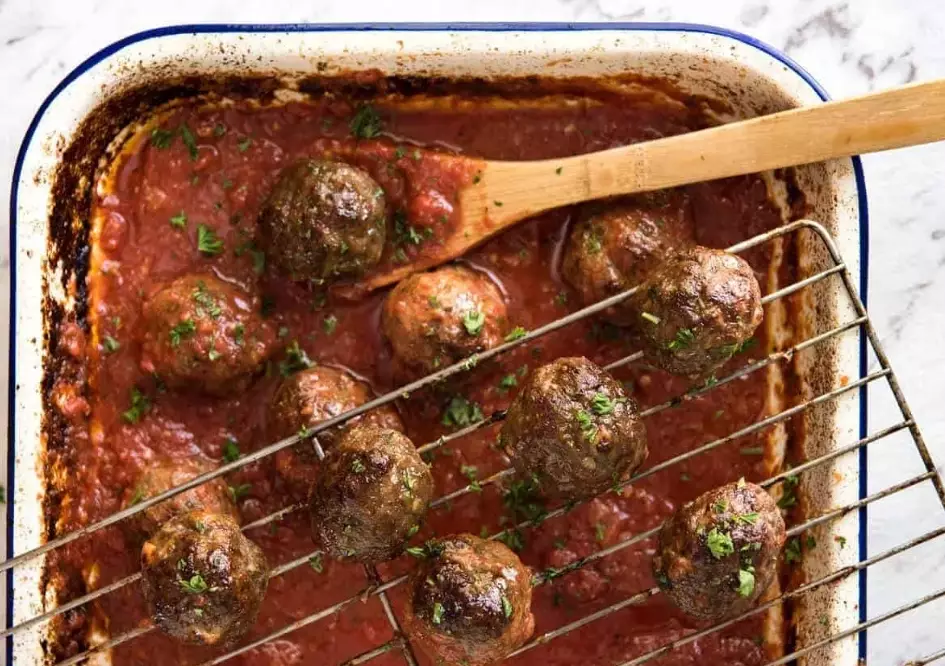
What You'll Find Inside
Why Bake, Not Fry? The Real Benefits
Most traditional recipes call for pan-frying. It creates a nice crust, sure. But it's also a hassle. You have to work in batches, the oil splatters everywhere, and it's easy to end up with meatballs that are charred on the outside but still raw inside.
Baking solves all of that.
Even Cooking: Your oven provides consistent, surrounding heat. Every meatball cooks at the same rate, from the edge of the sheet pan to the center.
Hands-Off Ease: Mix, shape, pop them on a tray, and walk away for 20 minutes. You can prep a salad or finish the sauce.
Healthier & Cleaner: You use significantly less fat. A light spray of oil on the tray is all you need. Your stovetop and walls stay clean.
Here's the kicker—a well-baked meatball is *more* tender. Frying can quickly seize the proteins, tightening them up. Gentle oven heat allows the fats to render and the interior to stay succulent.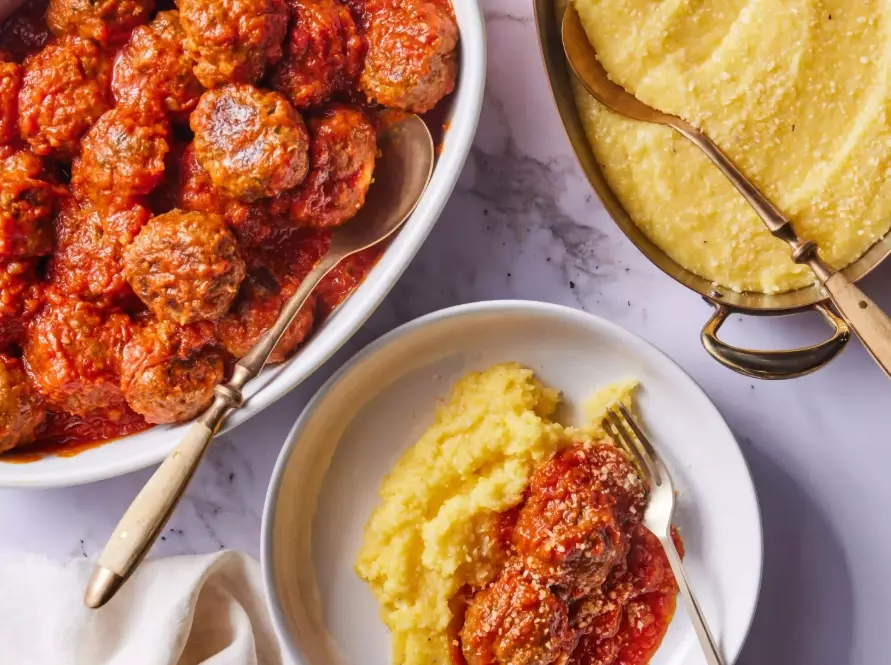
The Meat Blend: Your Foundation for Flavor
This is where most recipes get it wrong. Using only ground beef often leads to a dense, heavy meatball. The secret to authentic texture is a combination. My gold-standard ratio is a mix of ground beef, ground pork, and ground veal.
Why this trio?
- Beef (80/20 lean/fat): Provides deep, savory flavor and structure.
- Pork: Adds fat and a subtle sweetness that lightens the texture.
- Veal: Introduces a delicate, almost gelatinous quality that makes the meatball incredibly tender.
Can't find veal or prefer not to use it? No problem. A 50/50 blend of beef and pork works brilliantly. I avoid using only lean meats like turkey or chicken breast for this recipe—they lack the necessary fat and can dry out too easily in the oven.
The Binder & Seasoning: More Than Just Breadcrumbs
The binder is what holds your meatballs together and keeps them moist. Forget dry, sandy breadcrumbs. We're using fresh bread soaked in milk (a *panade*). This creates a soft, almost custardy interior.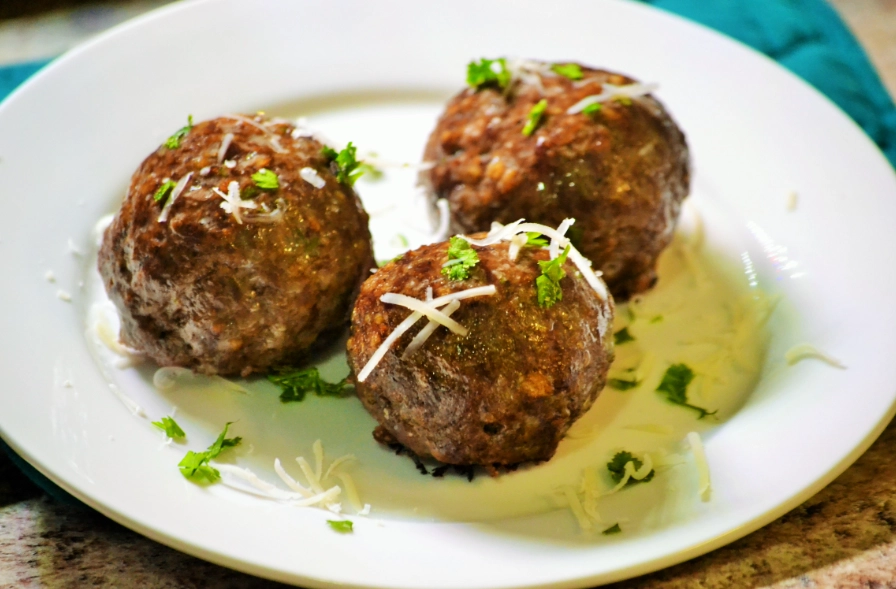
My seasoning philosophy is simple: amplify the meat, don't mask it.
| Ingredient | Role & Why It Matters |
|---|---|
| Fresh Garlic & Onion | Grated, not chopped. This distributes flavor evenly and avoids chunks that can burn. |
| Parmigiano-Reggiano | Freshly grated. It adds salty, nutty umami. The pre-grated stuff contains anti-caking agents that can make the texture gritty. |
| Fresh Parsley | Brightens the flavor. Dried parsley is a sad substitute here. |
| Egg | Just one. It acts as a secondary binder. Too many eggs make the meatballs spongy. |
| Salt & Pepper | Season aggressively. Underseasoned meat is the #1 reason for bland meatballs. |
Step-by-Step Baked Italian Meatball Recipe
Ready to cook? This recipe makes about 20-24 meatballs, perfect for a family dinner with leftovers.
Ingredients You'll Need
- For the Panade: 2 slices of sturdy white bread (crusts removed), 1/3 cup whole milk.
- For the Meat: 1 lb ground beef (80/20), 1/2 lb ground pork, 1/2 lb ground veal (or use an extra 1/2 lb pork).
- Flavor Builders: 1 small onion, finely grated, 3 garlic cloves, finely grated, 3/4 cup freshly grated Parmigiano-Reggiano, 1/4 cup finely chopped fresh parsley, 1 large egg.
- Seasoning: 1 1/2 tsp kosher salt (use 3/4 tsp if using table salt), 1 tsp freshly ground black pepper.
The Process, Demystified
1. Make the Panade. Tear the bread into small pieces into a large bowl. Pour the milk over it and mash with a fork until it forms a smooth, paste-like consistency. Let it sit for 5 minutes.
2. Combine Everything (Gently!). Add the grated onion, garlic, Parmesan, parsley, egg, salt, and pepper to the panade. Mix with a fork until it's a homogenous slurry. Now, add all the ground meat.
Here's the critical part: use your hands to mix, but be gentle. Fold and turn the mixture just until the ingredients are evenly distributed. Overmixing is the enemy of tender meatballs—it develops the proteins and makes them tough, like a sausage.
3. The "Pancake Test." This is my non-negotiable quality check. Before shaping all the meatballs, take a small spoonful of the mixture and fry it in a little oil in a pan. Taste it. Is it seasoned enough? Adjust the main batch if needed. It saves you from a whole tray of underseasoned meatballs.
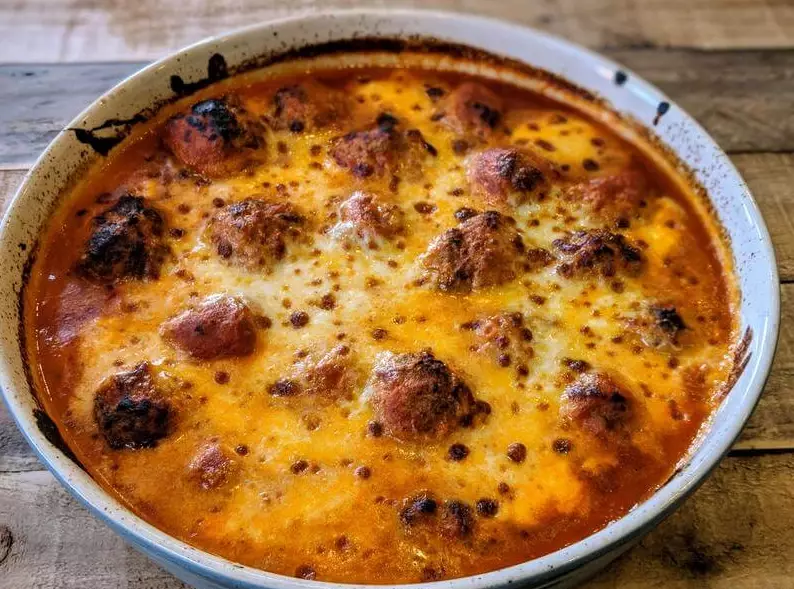
4. Shape and Bake. Preheat your oven to 400°F (200°C). Line a rimmed baking sheet with parchment paper for easy cleanup. Lightly oil your hands and roll the mixture into golf-ball-sized spheres (about 1.5 inches). Place them about an inch apart on the sheet.
Bake for 18-22 minutes, or until they are cooked through, browned on the outside, and register 160°F (71°C) internally on an instant-read thermometer.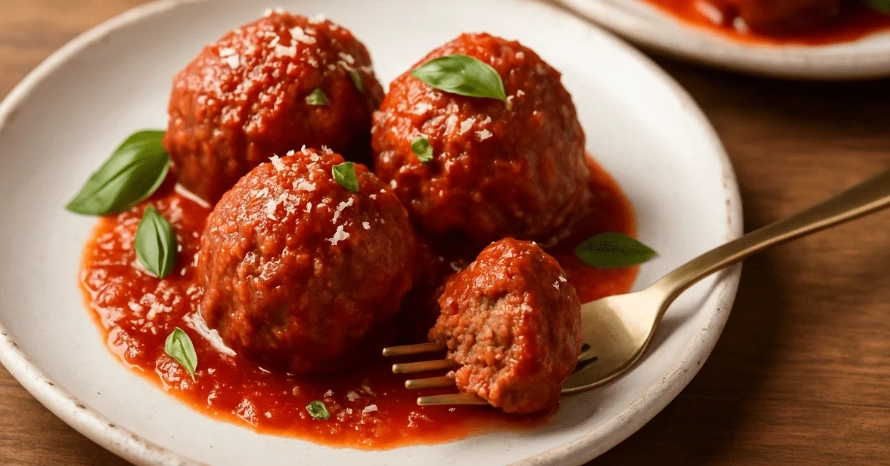
A Simple, No-Cook Tomato Sauce
While the meatballs bake, whip up this dead-simple sauce. It's fresh, vibrant, and the perfect complement.
In a saucepan, heat 1/4 cup of good olive oil over medium-low heat. Add 3-4 thinly sliced garlic cloves and a pinch of red pepper flakes. Cook gently until the garlic is fragrant but not browned—about 2 minutes. Pour in one 28-oz can of whole San Marzano tomatoes. Crush them with your hands or a potato masher right in the pan. Bring to a simmer, season with salt, and let it bubble gently for 15-20 minutes while the meatballs bake. Finish with a handful of torn fresh basil.
For a richer sauce, you can add the baked meatballs directly to the simmering sauce and let them stew for 10 minutes. They'll soak up even more flavor.
Serving & Pairing Ideas
Now for the fun part. These meatballs are incredibly versatile.
The Classic: Toss them with your favorite pasta (spaghetti, rigatoni, or pappardelle) and the tomato sauce. A final shower of Parmesan is mandatory.
As a Main: Serve 3-4 meatballs per person with a side of creamy polenta, mashed potatoes, or a big, crusty piece of garlic bread to mop up the sauce.
For Meal Prep: Let the baked meatballs cool completely, then freeze them in a single layer on a tray before transferring to a freezer bag. Reheat directly from frozen in simmering sauce for 15-20 minutes, or in a 350°F oven until hot.
I often double the recipe on a Sunday. It sets me up for easy dinners all week—meatball subs, chopped into a quick marinara for a pizza topping, or even sliced cold on a sandwich.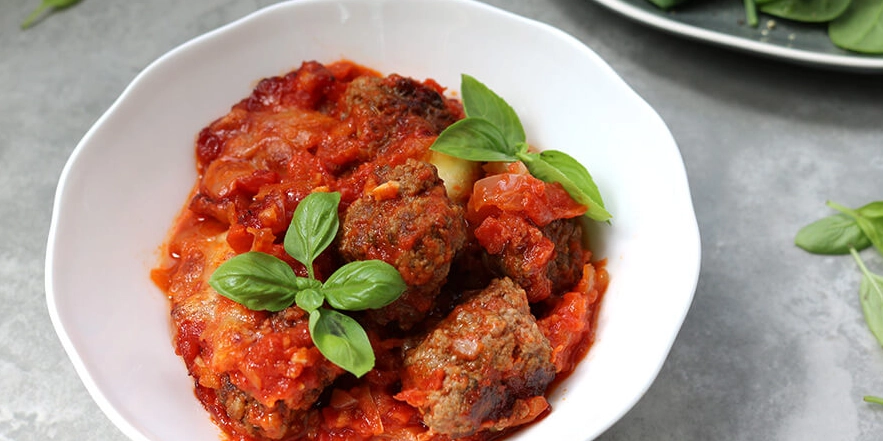
Your Meatball Questions, Answered
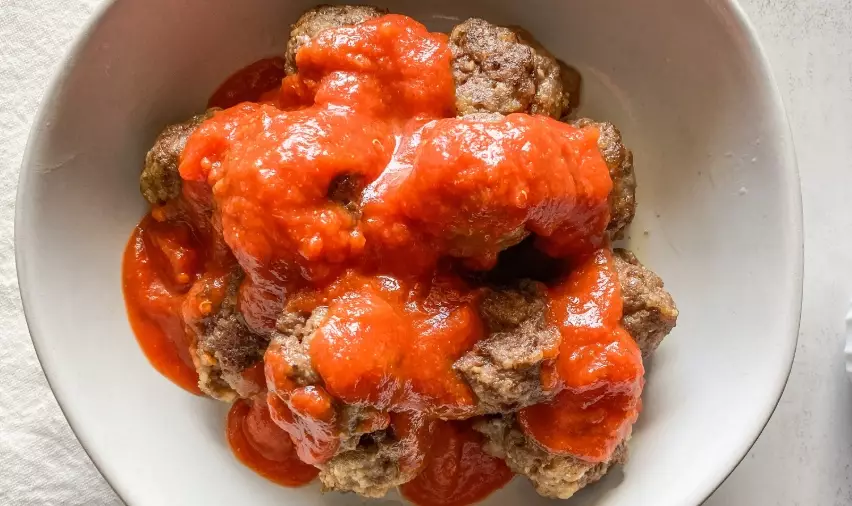 My meatballs always turn out dry. What am I doing wrong?
Related Articles
Traditional Italian Recipes by Region: A Culinary Journey from North to South
Mastering Italian Fish Recipes: From Classic to Coastal
Authentic Italian Dessert Recipes: Easy Tiramisu, Cannoli & More
Classic Italian Vegetable Dishes: A Guide to Authentic Recipes
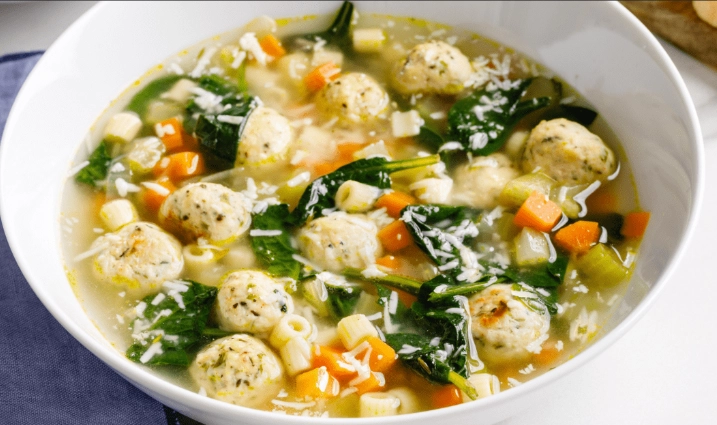
Easy Italian Wedding Soup Recipe (Authentic Flavor, Simple Steps)