Ultimate Guide to Making Authentic Italian Beef at Home
Let's cut to the chase. The best way to make Italian beef isn't about a single trick. It's a system. A sequence of deliberate choices, from the butcher counter to the bun, that transforms a tough cut of meat into something magical—succulent, deeply seasoned, and begging to be piled onto a roll with spicy giardiniera. Most recipes get you in the ballpark, but they miss the subtle details that separate good from legendary. I learned this the hard way after a disappointing batch that tasted more like boiled roast than the layered, juicy masterpiece I craved. After years of tweaking and talking to old-school cooks, here's the method that never lets me down.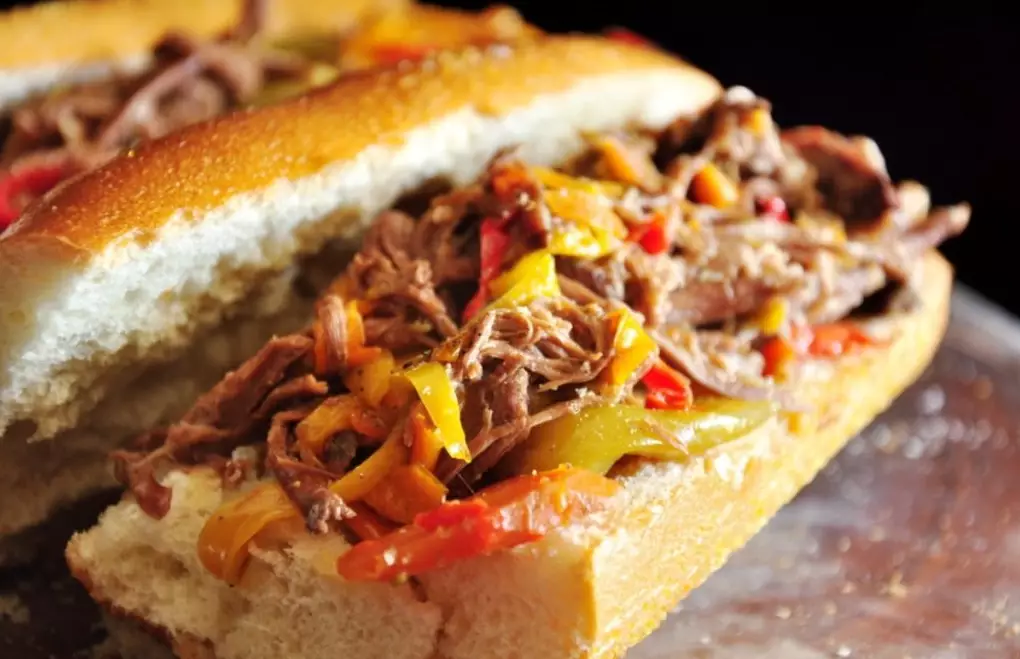
Your Roadmap to Perfect Italian Beef
Step 1: The Non-Negotiable Cut of Beef
This is where most home cooks make their first, and often fatal, mistake. You cannot use a lean cut like sirloin or tenderloin. Italian beef is a poverty-to-riches story, relying on a tough, well-marbled cut that breaks down into tenderness over hours of slow cooking. The collagen and fat are your best friends.
The Champion: Top round (also called inside round) is the undisputed king for authentic Italian beef. It's lean enough to slice paper-thin but has the perfect connective tissue structure. A whole top round roast, about 4-5 pounds, is your ideal starting point.
The Contender: Bottom round (rump roast) works in a pinch. It's a bit tougher and can have more irregular grain, but it's still a great candidate for braising. It's often more affordable.
The Trap to Avoid: Chuck roast. I know, I know. It's the go-to for pot roast. But for Italian beef, it's too fatty and shreds instead of slices. You want slices, not pulled meat. The texture is completely different.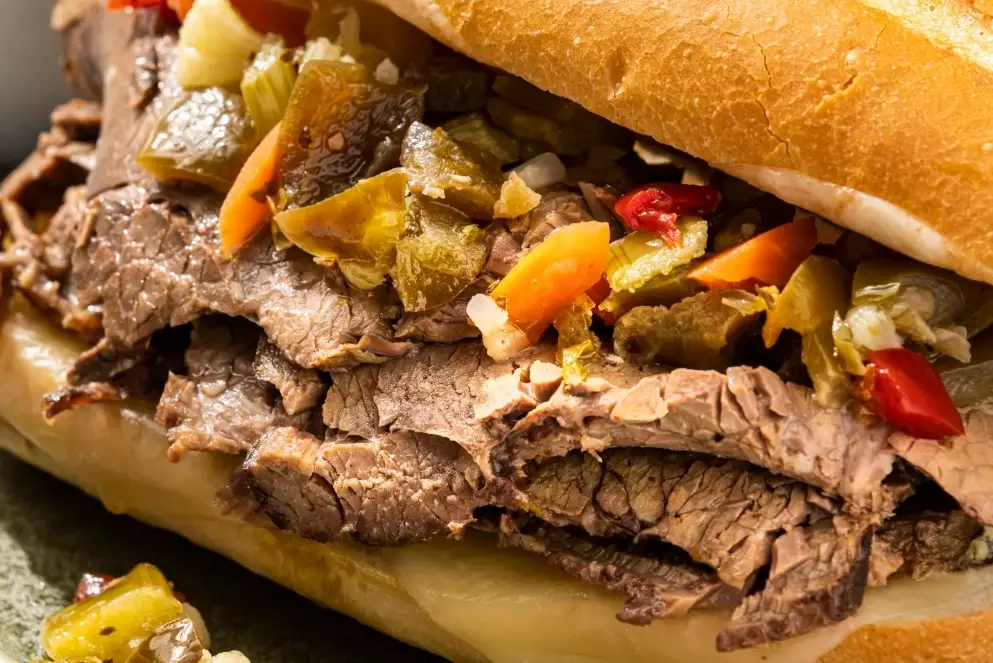
Prepping Your Beef: The First Seasoning
Pat the roast completely dry with paper towels. This is critical for browning. Then, season it aggressively with kosher salt and freshly ground black pepper. I mean, really coat it. The exterior needs to be flavorful, and some of that seasoning will penetrate. Do this at least an hour before cooking, or even overnight in the fridge uncovered for a deeper cure.
Step 2: Building the Flavor Foundation (Broth & Seasoning)
The cooking liquid isn't just water. It's the essence of the dish, the "au jus" that defines it. You're making a concentrated broth as you cook.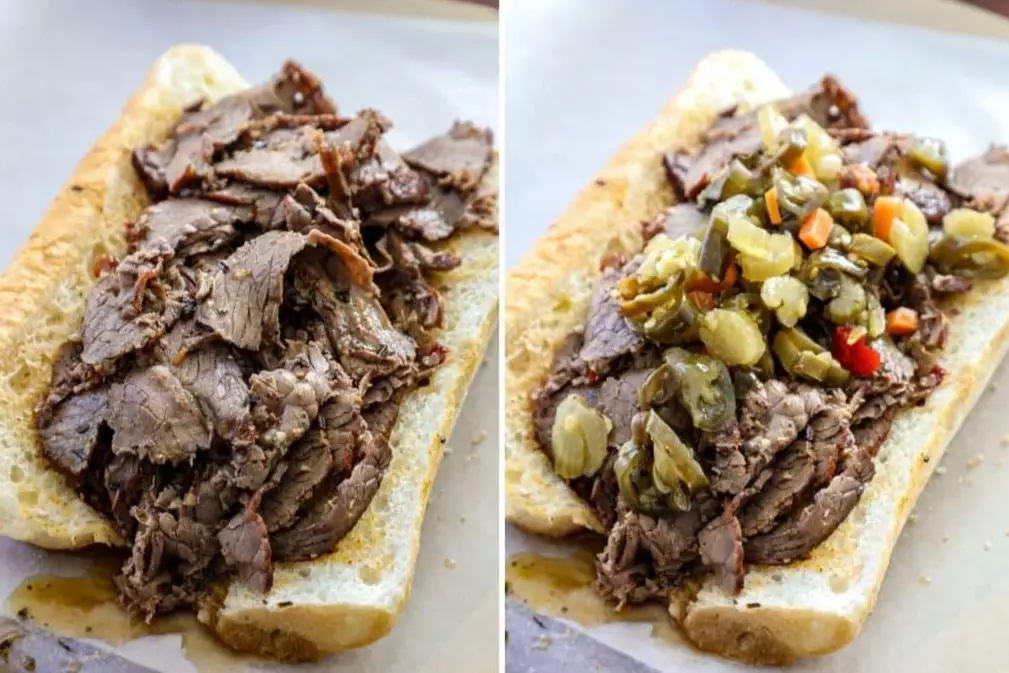
- Sear the Beast: In a large Dutch oven or heavy pot, heat a couple tablespoons of olive oil over medium-high heat. Sear the roast on all sides until you have a deep, brown crust. This isn't just for looks; it creates the fond—those delicious browned bits at the bottom of the pot—which is pure flavor gold.
- The Aromatics: Add a roughly chopped onion, a few smashed garlic cloves, and a couple of halved bell peppers (green are traditional) to the pot. Let them soften and pick up the fond for a few minutes.
- The Liquid & Seasoning: Here's the secret ratio. Pour in enough low-sodium beef broth to come about halfway up the side of the roast. Never submerge it completely—you're roasting in broth, not boiling. Now, the seasoning packet:
- 2 tablespoons dried oregano
- 1 tablespoon dried basil
- 2 teaspoons garlic powder
- 2 teaspoons onion powder
- 1-2 teaspoons crushed red pepper flakes (to taste)
- 1 tablespoon Worcestershire sauce
- 1-2 teaspoons of good quality beef base or paste (like Better Than Bouillon). This is my non-consensus power move. It deepens the beef flavor without making it taste like a stock cube.
Step 3: The Slow Roast & The Crucial Rest
Cover the pot and place it in a preheated 300°F (150°C) oven. Not 350°F. The lower and slower you go, the more tender and sliceable the result.
Cook until the beef is fork-tender but not falling apart. For a 4-pound roast, this usually takes 3 to 3.5 hours. Start checking at the 2.5-hour mark. The internal temperature should be around 200-205°F (93-96°C). This is the sweet spot where collagen has fully melted into gelatin.
While the beef rests, strain the cooking liquid into a saucepan. Skim off the excess fat from the top (leave a little for flavor). Bring it to a simmer and reduce it slightly to concentrate the flavors. This is your au jus. Now is the time to taste and adjust seasoning with salt if needed.
How to Slice Italian Beef
Use a very sharp, thin-bladed slicing knife or an electric knife if you have one. Slice against the grain as thinly as humanly possible. The long muscle fibers in the round roast can be chewy if cut with the grain. Cutting across them shortens the fibers, guaranteeing tenderness. If some pieces are too big, you can give them a rough chop after slicing.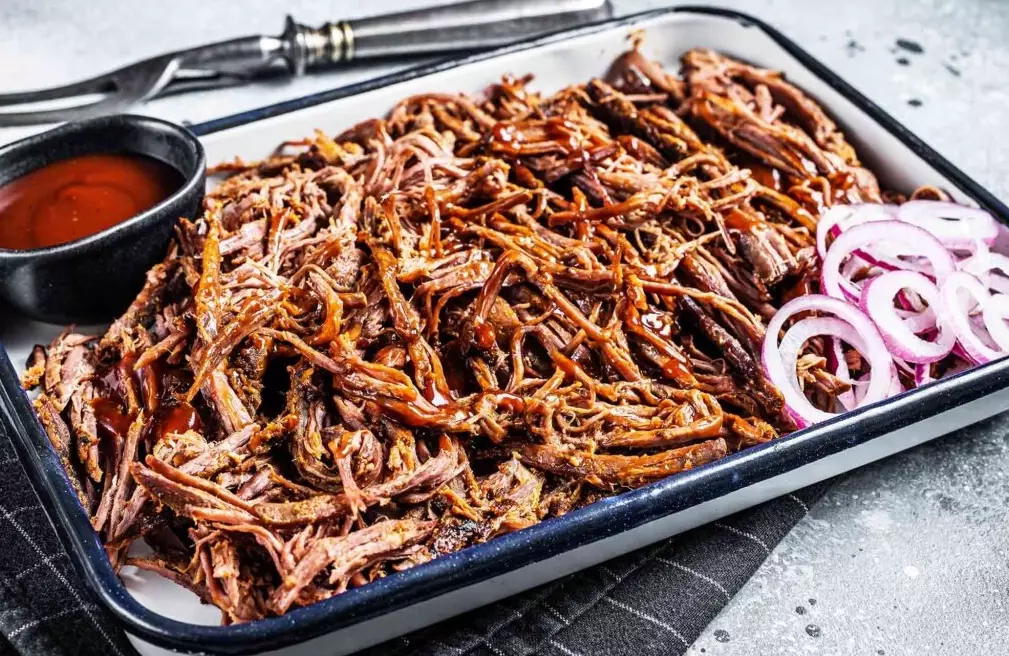
Step 4: Assembly: The "Wet" or "Dipped" Decision
The vessel matters. Use a sturdy, Italian-style roll that can hold up to moisture without disintegrating. A French roll or a hoagie bun works in a pinch, but the crust should have some integrity.
| Style | Method | Experience |
|---|---|---|
| Dry: | Pile sliced beef on roll, top with giardiniera and/or sweet peppers. | Good, but you're missing the point. |
| Wet: | Dunk the sliced beef briefly into the warm au jus before placing on roll. Top as desired. | The standard. Juicy, flavorful, perfect. |
| Dipped: | Assemble the sandwich dry, then quickly plunge the whole sandwich into the au jus for 2-3 seconds. | The Chicago purist's move. Messy, sublime, transformative. |
The Toppings: Hot giardiniera (the pickled vegetable relish with peppers) is non-negotiable for many. You can find it in jars at most grocery stores. Sweet roasted bell peppers are the classic alternative. Why not both?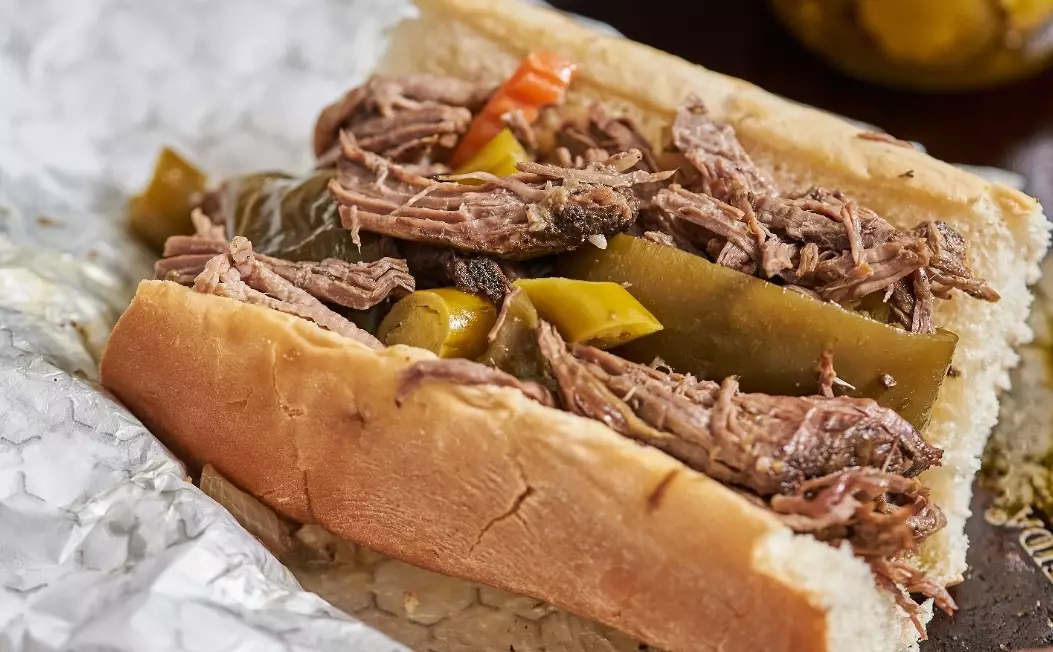
Solving Your Italian Beef Problems
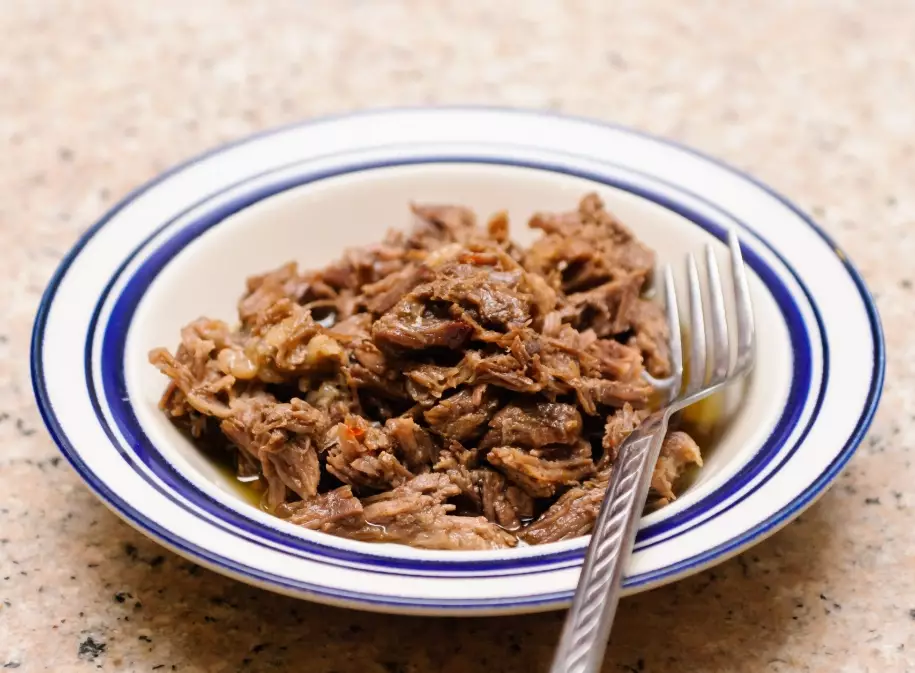 My au jus tastes weak. How do I fix it?
The best way to make Italian beef is a commitment to the process. It's choosing the right warrior (top round), building a flavorful moat (that seasoned broth), and having the patience to let it conquer itself slowly in the oven. The payoff is a sandwich that’s not just a meal, but an experience—juicy, savory, spicy, and utterly satisfying. Skip the takeout line. Your kitchen is about to become the best Italian beef spot in town.
Related Articles
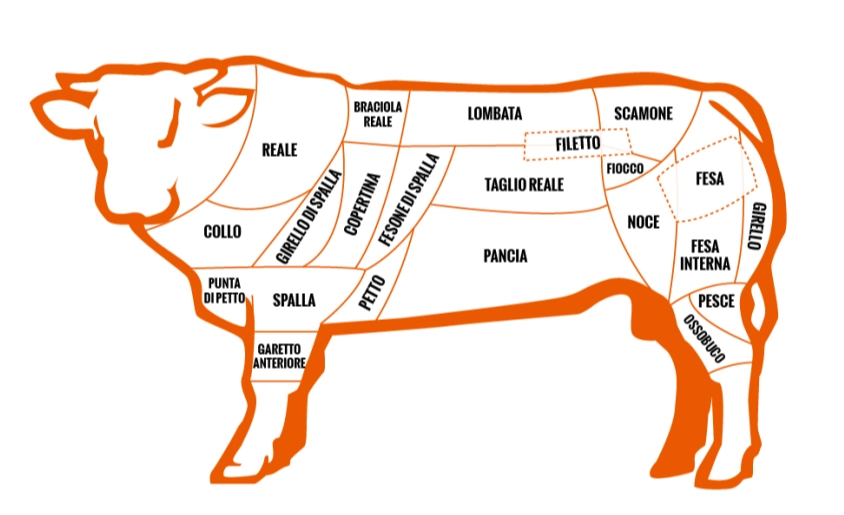
What Cut of Meat Makes Authentic Italian Beef? The Ultimate Guide
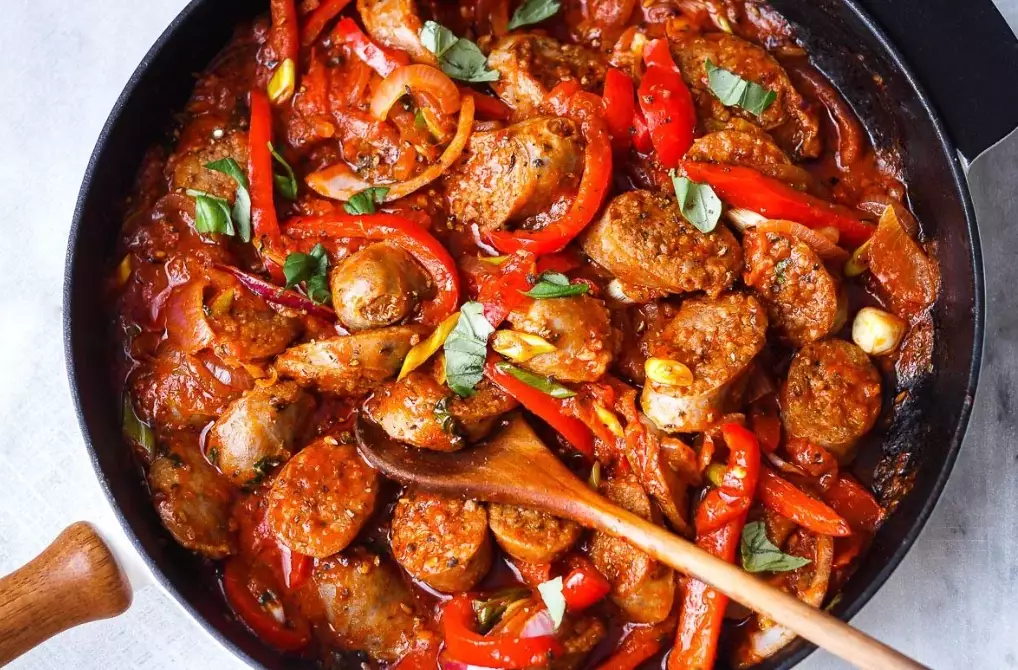
Authentic Italian Sausage Recipe: Tips from a Butcher

Authentic Italian Dessert Recipes: From Tiramisu to Cannoli
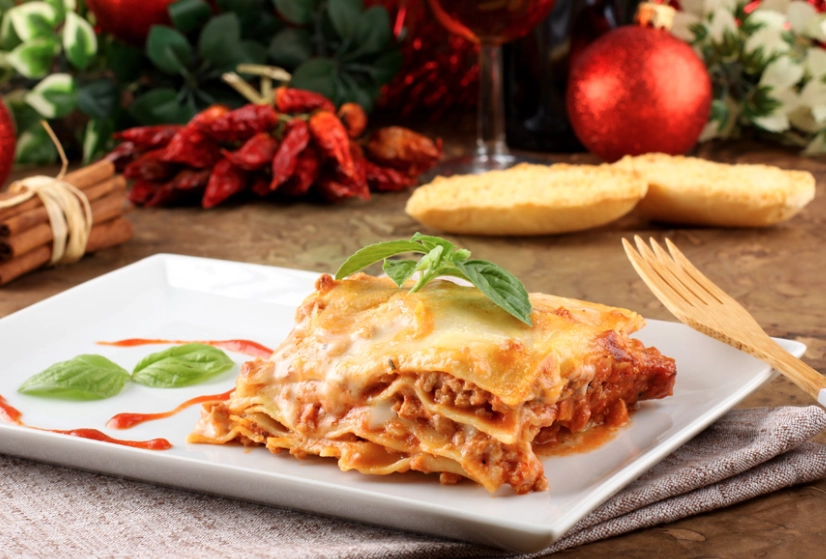
What is a Good Appetizer Before Pasta Dinner? 15+ Expert Picks & Pairing Guide

Best Italian Dessert Recipes for Dinner Party to Impress Your Guests