Ultimate O-Baked Italian Beef Sandwich Recipe at Home
Let's get straight to it. You want that iconic, messy, juice-dripping-down-your-arms Italian beef sandwich, but you don't own a slow cooker or just prefer the control of your oven. Good news: your oven is a powerhouse for creating fall-apart tender, deeply flavored Italian beef that rivals any Chicago spot. Forget the vague recipes online. This is the detailed, tested method that tackles the real questions—cut of meat, cooking time, that crucial au jus, and the bread that won't disintegrate.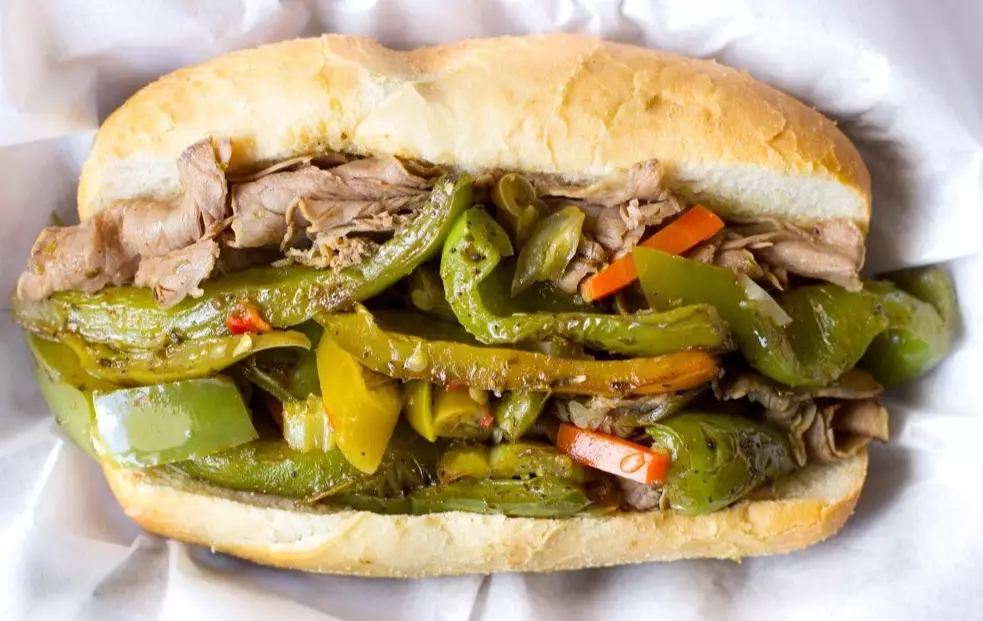
What You'll Find In This Guide
- Why the Oven Wins for Italian Beef
- The Beef Cut Decision: Chuck Roast vs. Bottom Round
- Gathering Your Flavor Arsenal: The Complete Ingredient List
- Step-by-Step Oven Cooking Guide
- Assembling the Perfect Sandwich: More Than Just Meat on Bread
- Avoiding the Common Pitfalls
- Your Italian Beef Questions, Answered
Why the Oven Wins for Italian Beef
Slow cookers are convenient, but ovens provide dry, ambient heat that promotes better browning on the meat's surface (the Maillard reaction), which equals more flavor in your final jus. You also get more evaporation control. Leave the lid slightly ajar for a more concentrated sauce, or keep it tight for a brothier result. It's the difference between a passive appliance and an active tool.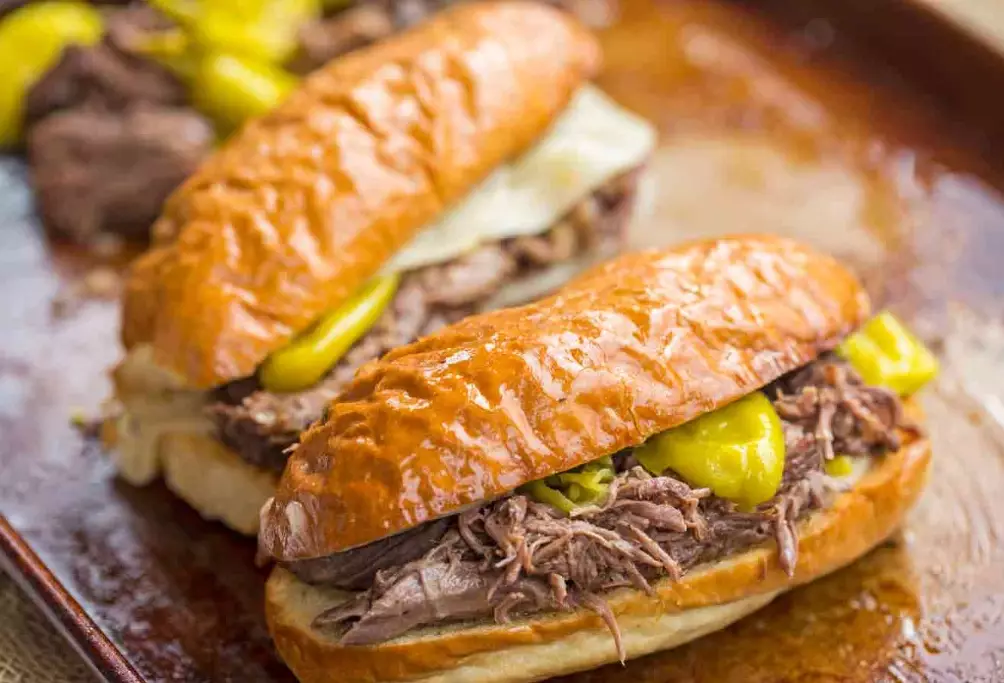
The Beef Cut Decision: Chuck Roast vs. Bottom Round
This choice dictates texture and fat content. Most recipes just say "beef roast." That's not helpful.
| Cut | Fat Content | Final Texture | Best For |
|---|---|---|---|
| Chuck Roast | Higher (marbled) | Extremely tender, shreds easily, richer mouthfeel. | Those prioritizing juiciness and forgiving cooking. My personal go-to. |
| Bottom Round Roast | Leaner | Firm, slices cleanly, traditional deli-style. | Purists who want sliceable beef for a more structured sandwich. |
A 4 to 5-pound roast is the sweet spot. It seems large, but it shrinks, and leftovers freeze beautifully. Don't trim all the fat—it's your flavor insurance.
Gathering Your Flavor Arsenal
Italian beef is about layered seasoning. Here's what you actually need, beyond "spices."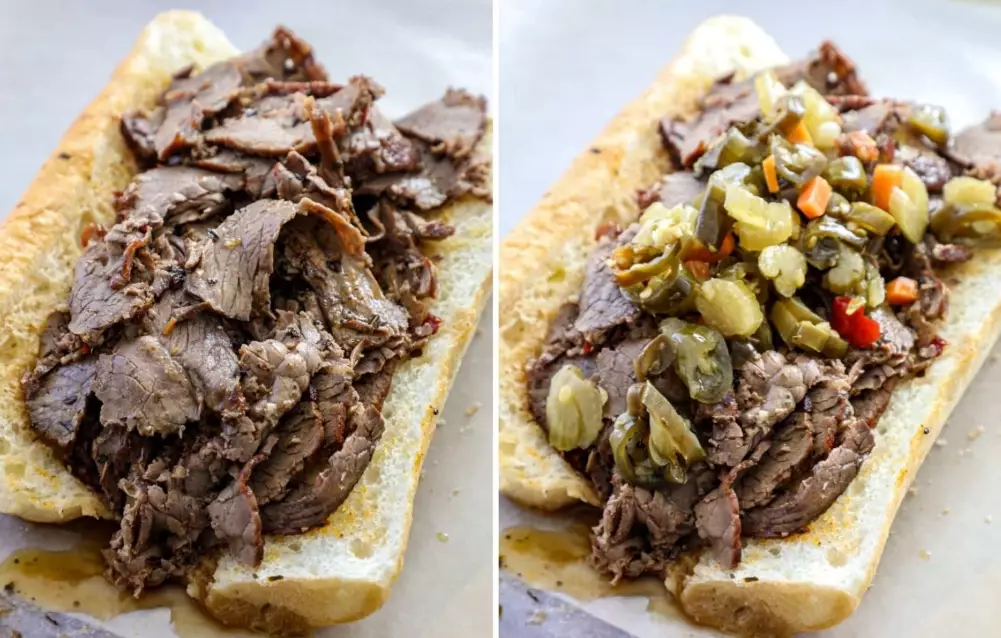
The Core Braising Liquid
This isn't just water. Use a 50/50 mix of beef broth and water. Full broth can be too salty after reduction. A splash of dry red wine (like Chianti) or a tablespoon of red wine vinegar adds necessary acidity to cut the richness.
The Non-Negotiable Seasonings
- Garlic: Minced fresh. Don't use powder here.
- Dried Oregano & Basil: Rubbed between your palms before adding to wake up the oils.
- Crushed Red Pepper Flakes: Adjust for heat. Start with 1 tsp.
- Bay Leaves: Two. Remove them before serving.
- Onion Powder & Dried Minced Onion: They dissolve into the jus, providing a sweet-savory backbone without texture.
Step-by-Step Oven Cooking Guide
1. The Sear (Don't Skip This)
Pat your roast bone-dry. Heat a tablespoon of oil in a large Dutch oven over medium-high heat. Sear on all sides until a deep brown crust forms. This isn't for cooking; it's for flavor. Those browned bits (fond) are gold.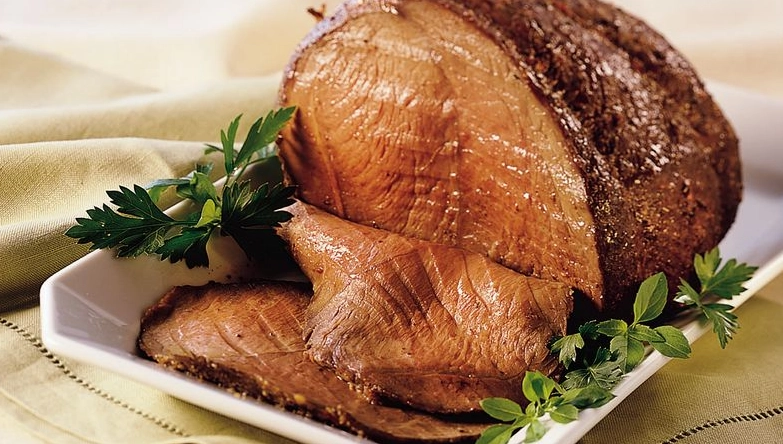
2. Deglaze and Build the Braise
Remove the roast. Add a cup of your liquid mix to the hot pot and scrape up all the fond. This is where the magic starts. Add the remaining liquid, all seasonings, and stir. Place the roast back in—it should be about halfway submerged.
3. The Long, Slow Cook
Cover with a tight-fitting lid. Place in a preheated 300°F (150°C) oven. Not 350°F. The lower temperature prevents the outer meat from toughening before the interior tenderizes.
Cook for 3.5 to 4.5 hours. You're looking for the meat to be easily pierced with a fork and start to pull apart when nudged. A meat thermometer should read 195-205°F for shredding texture.
4. The Two Rest Periods
First rest (for the meat): Transfer the roast to a cutting board, tent with foil, and let it rest for 30 minutes. This allows juices to redistribute. If you shred it now, you'll lose all that moisture to the board.
Second rest (for the jus): While the meat rests, skim excess fat from the braising liquid in the pot. Then, let the liquid settle. The flavor particles will sink, making it easier to strain a clearer jus later.
Assembling the Perfect Sandwich
The meat is only half the battle. A soggy, collapsed sandwich is a failure.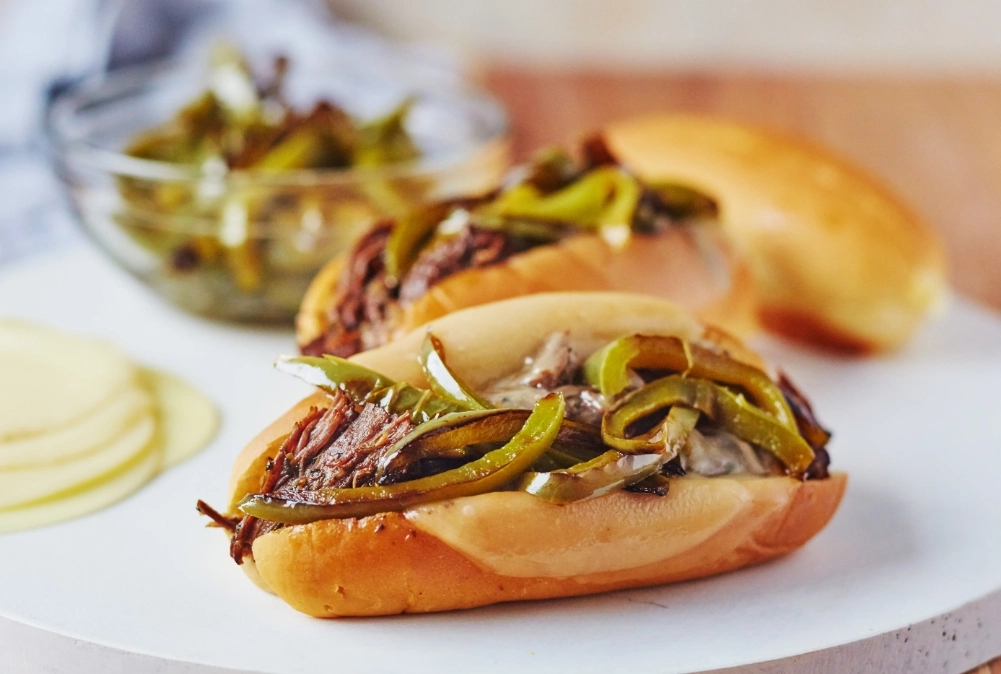
The Bread: It's a Structural Issue
You need a roll with a sturdy crust and soft interior that can absorb juice without dissolving. A French roll or a good quality hoagie roll works. Turano brand French rolls are the Chicago gold standard if you can find them. Avoid soft, fluffy supermarket hot dog buns at all costs.
The Giardiniera: Hot or Sweet?
This pickled vegetable relish is essential. Hot giardiniera (with sport peppers) is traditional. Find it in the pickle or Italian aisle. Chop it finely so it stays on the sandwich. If heat isn't your thing, mild giardiniera or even sautéed bell peppers ("peppers") work.
The Dunk & Assembly
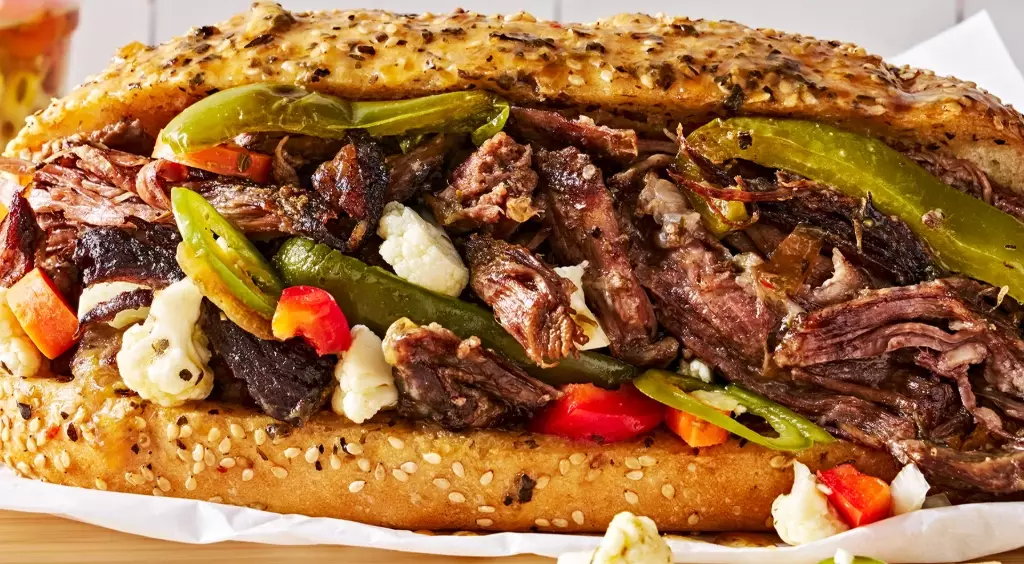
Shred or thinly slice your rested beef. Have your jus warm in a shallow dish. Quickly dip the entire assembled roll (meat inside) into the warm jus for 2-3 seconds—a "dipped" sandwich. For a "wet" sandwich, spoon jus over the meat before closing. Pile high with giardiniera. Have napkins ready.
Avoiding the Common Pitfalls
I've messed this up so you don't have to.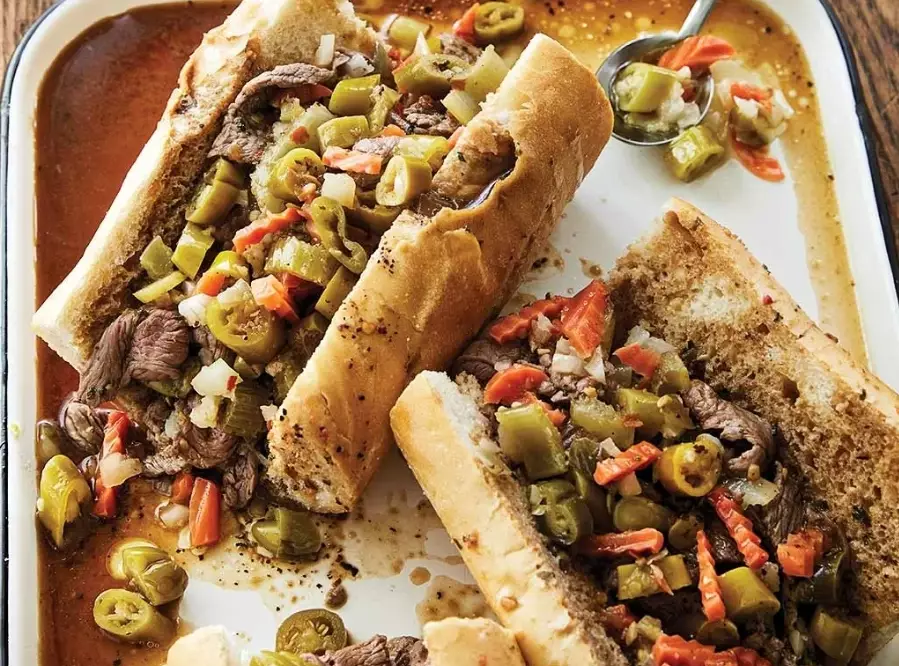
- Pitfall 1: Boiling the Braise. If your liquid is at a rolling boil in the oven, the temperature is too high. It should be at a very gentle simmer. High heat makes meat tough.
- Pitfall 2: Not Enough Salt in the Jus. The meat is seasoned, but the jus needs to be aggressively seasoned too—it's a dipping sauce. Taste and adjust with salt after straining.
- Pitfall 3: Using "Italian Dressing Mix." It contains sugar and stabilizers that will make your jus taste artificial and oddly sweet. Stick to individual dried herbs.
Your Italian Beef Questions, Answered
Can I make Italian beef ahead of time for a party?
It's actually better made a day ahead. Cook, shred, and store the meat in its strained jus in the fridge overnight. The flavors deepen significantly. Reheat gently on the stovetop or in a 300°F oven until warmed through.
My jus turned out too thin and watery. How can I fix it?
Strain the jus into a saucepan and simmer it on the stovetop to reduce and concentrate. You can also make a slurry with 1 tablespoon of cornstarch and 2 tablespoons of cold water, then whisk it into the simmering jus to thicken it slightly. Start with half.
 What's the best way to reheat leftover Italian beef without drying it out?
Never microwave it alone. Place the beef in a small saucepan with a generous amount of its jus. Heat over low heat, stirring occasionally, until steaming. This reheats it in its own moisture. The microwave will turn it into rubber.
I can't find giardiniera. What's a good substitute?
A mix of pickled pepperoncini (chopped) and a separate layer of jarred roasted red peppers will get you close. For heat, add a few dashes of a vinegar-based hot sauce like Tabasco to the mix.
How long can I store cooked Italian beef in the freezer?
Portion the shredded meat with enough jus to cover in airtight containers or freezer bags. It keeps well for up to 3 months. Thaw overnight in the refrigerator before reheating gently on the stove.
The beauty of this oven method is in its control. You can tweak the seasoning, monitor the reduction, and end up with a result that feels genuinely yours—not just the output of an appliance. It's a weekend project that feeds a crowd or sets you up with glorious leftovers. Now you have the details most recipes gloss over. Go get that chuck roast.
Related Articles
What Are Italian Cookies? A Guide to Classic Types and Recipes
The Famous Chopped Salad Recipe: A Step-by-Step Guide to Perfection

Authentic Italian Zeppole Recipe: Easy Homemade Fried Dough Guide
Authentic Italian Peasant Food: Simple Recipes & Where to Eat
The Ultimate Best Italian Seasoning Recipe (Authentic & Easy)