Minestrone: Italy's Most Beloved Soup Explained
Ask anyone who's spent time in Italy, from a nonna in her Tuscan kitchen to a chef in a Roman trattoria, what the most popular soup is, and you'll get the same answer every time: Minestrone. It's not just a dish; it's a philosophy on a spoon. This isn't about fancy techniques or rare ingredients. Minestrone is about resourcefulness, seasonality, and deep, unpretentious flavor. It's the soup that every Italian family has a version of, and the one that consistently tops polls and menus across the country. If Italian cuisine had a national soup, this would be it.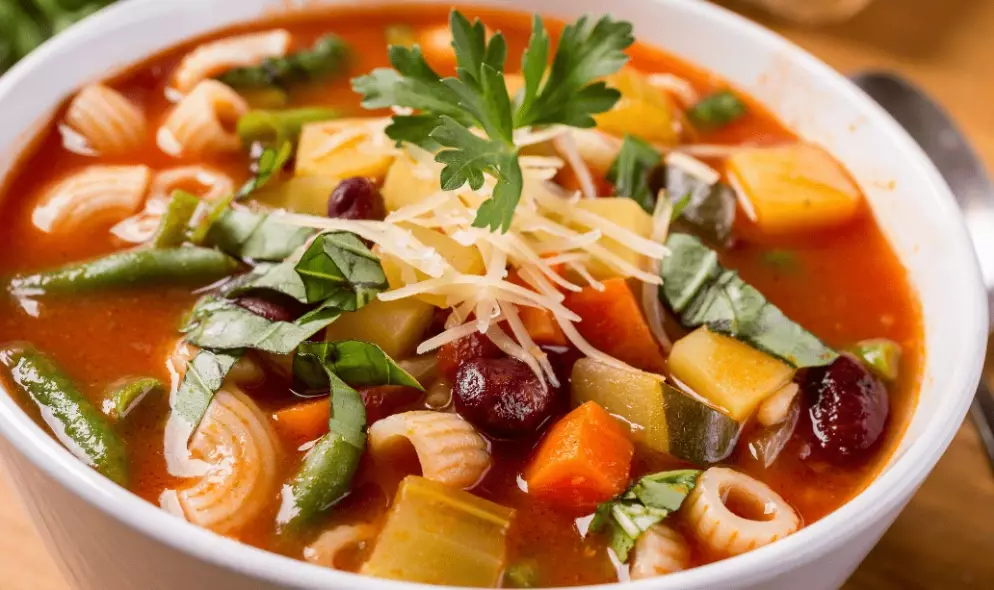
What's Inside This Guide
What Exactly Is Minestrone Soup?
Let's clear something up first. Minestrone isn't one specific recipe. The name comes from "minestra," meaning soup, with the "-one" suffix implying bigness or heartiness. So, it's literally a "big soup." At its core, it's a thick, chunky vegetable soup, often (but not always) containing beans and pasta or rice. There's no official ingredient list, which is its greatest strength.
Think of it as a canvas. The base is a soffritto – a gentle sauté of onion, carrot, and celery. From there, you add whatever vegetables are in season and looking good at the market. Summer might bring zucchini, green beans, and tomatoes. Winter calls for cabbage, kale, potatoes, and leeks. Beans like cannellini or borlotti add protein and creaminess. A small pasta shape like ditalini or small shells, or sometimes rice, provides the carb element. It's all simmered in a light broth until the flavors marry into something far greater than the sum of its parts.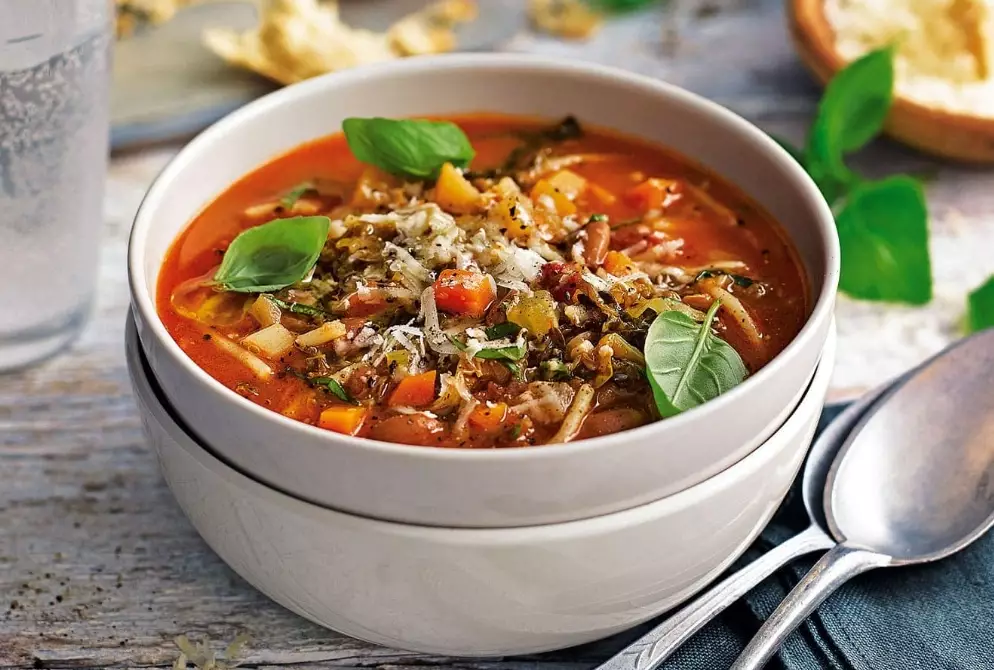
A Quick Note on "Pasta e Fagioli": Often confused with Minestrone, Pasta e Fagioli (pasta and beans) is a different, though related, entity. It's primarily a bean and pasta soup, with vegetables playing a supporting role. Minestrone is vegetable-forward, with beans and pasta as common but not mandatory guests. The line can blur, especially in home kitchens, which is perfectly fine.
Why Is Minestrone So Incredibly Popular?
Its popularity isn't an accident. It hits every note of what people want in food.
It's the ultimate comfort food. A steaming bowl is like a warm hug. It's nourishing, filling, and deeply satisfying without being heavy. It's what you crave on a rainy day or when you need a reset.
It's flexible and forgiving. Forgotten to buy celery? Use leek. No cannellini beans? Chickpeas work. This adaptability made it a peasant dish historically, using what was available, and that practicality remains its charm. You can't really fail.
It's healthy and balanced. Packed with vitamins from a rainbow of vegetables, fiber from beans and whole grains, and light on fat, it's a meal that makes you feel good. The Italian Ministry of Health's dietary guidelines emphasize plant-based foods, and Minestrone is a poster child for this.
It's economical. It stretches inexpensive ingredients into a meal that can feed a crowd or provide lunches for days. It famously tastes better the next day.
I remember my first cooking lesson in Bologna. The chef didn't hand me a recipe. He pointed to the market crate and said, "Pick seven vegetables. Now we make Minestrone." That lesson in improvisation is why it's beloved.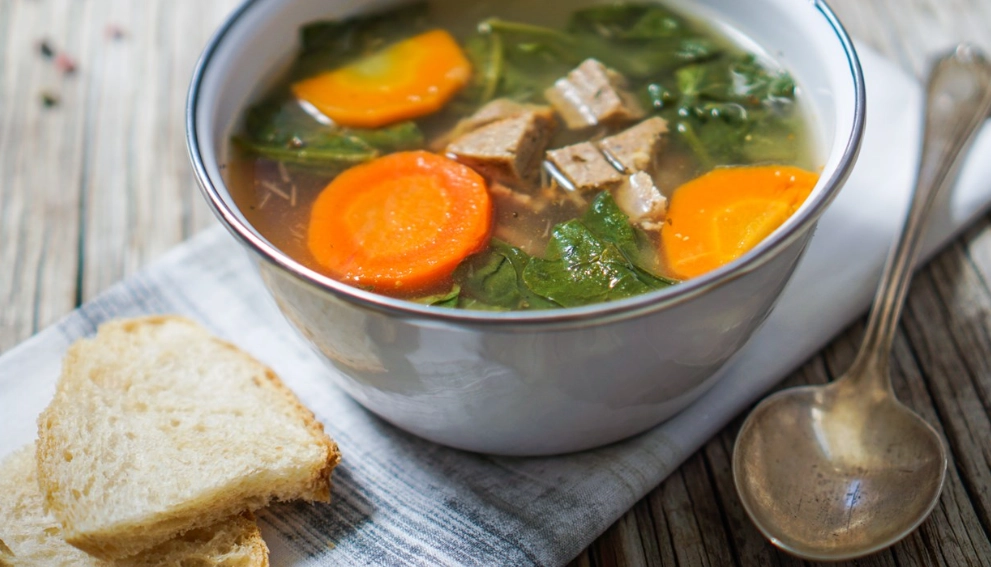
How Minestrone Changes Across Italy
Travel from north to south, and Minestrone morphs with the landscape. Here’s a snapshot of how this soup wears different hats.
| Region | Key Characteristics & Ingredients | Signature Twist |
|---|---|---|
| Liguria (Genoa) | Often includes pesto stirred in at the end. Green beans, potatoes, and borlotti beans are common. | The pesto finale adds a fragrant, herbal punch that is unmistakably Ligurian. |
| Tuscany | Ribollita-style: made with cavolo nero (Tuscan kale), cannellini beans, and day-old bread layered in. Often no pasta. | It's thick enough to eat with a fork after being "re-boiled" (ribollita). A staple of cucina povera. |
| Lombardy (Milan) | Uses rice (like Arborio) instead of pasta. Often includes saffron and pancetta. | Closer to a risotto in soup form, reflecting the region's rice paddies. |
| Campania (Naples) | Tomato-based, with summer vegetables like zucchini and eggplant. Often includes small pasta like ditalini. | Bright, sunny, and heavily influenced by the local tomato culture. |
This regional diversity means you're never eating the "same" soup twice. In Milan, you might get a golden, saffron-kissed version with rice. In a Florence trattoria, you'll be served a dense, bread-thickened Ribollita that's a meal in itself.
Building an Authentic Minestrone: A Step-by-Step Approach
Forget rigid measurements. This is a method, not a formula. Here’s how to think like an Italian nonna.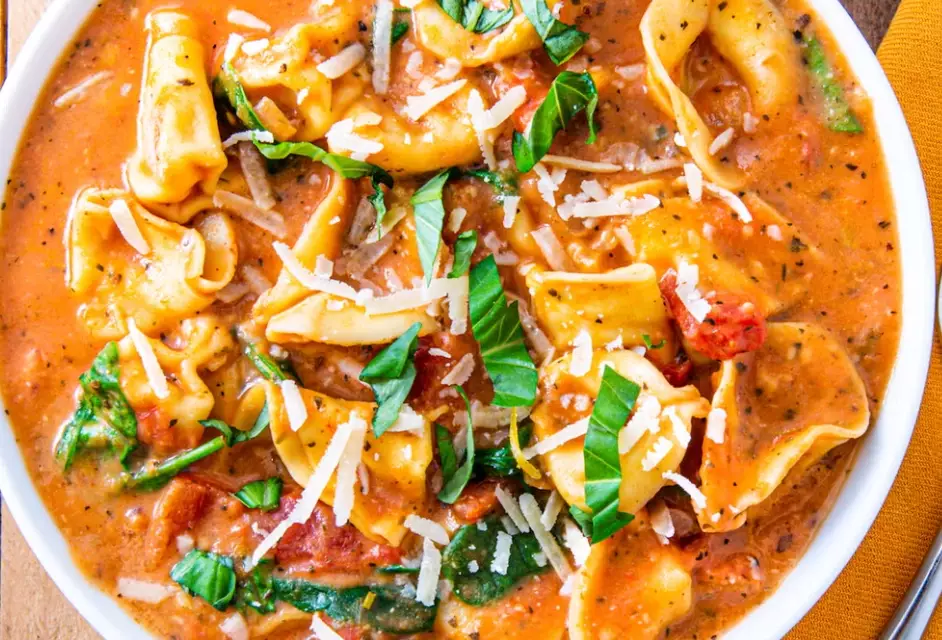
The Foundation: The Soffritto
Start with extra virgin olive oil in a large, heavy pot. Gently cook finely chopped onion, carrot, and celery until soft and sweet, not browned. This builds the flavor base. A common mistake? Rushing this step. Take 10 minutes. It matters.
The Vegetable Additions
Add harder vegetables first (like cubed potatoes, chopped celery root, or diced carrots), let them cook for a few minutes, then add medium-hard veggies (green beans, zucchini). Finally, add leafy greens (spinach, chopped kale) near the end. If using tomatoes (fresh chopped or canned), add them with the medium-hard veggies to let them break down.
The Liquid and Simmer
Cover the vegetables with a light vegetable or chicken broth. Homemade is ideal, but a good-quality low-sodium store-bought works. Bring to a boil, then reduce to the gentlest simmer. Let it bubble away, uncovered, for at least 40 minutes. The slow cooking is what allows the flavors to concentrate and meld.
The Finishing Touches
About 10-15 minutes before serving, add cooked beans (canned, rinsed are fine) and your small pasta or rice. Cook until the pasta is al dente. Remember, the pasta will continue to absorb liquid, so the soup will thicken as it sits. Season well with salt and black pepper. Off the heat, stir in a generous drizzle of your best extra virgin olive oil and a handful of grated Parmigiano-Reggiano.
My non-negotiable tip: Save the rind from your piece of Parmigiano-Reggiano. Toss it into the pot while the soup simmers. It dissolves slowly, adding an incredible depth of umami and silkiness. Fish out any leftover bits before serving.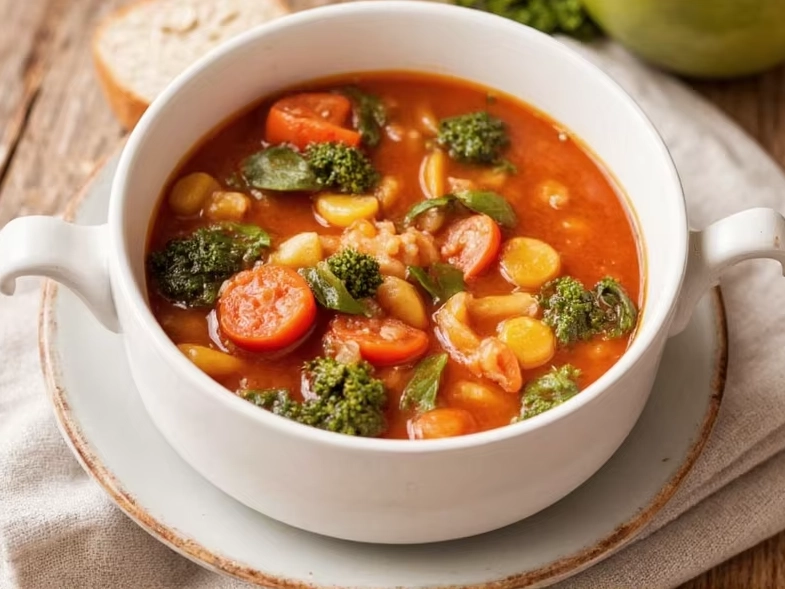
Where to Find Fantastic Minestrone in Italy
While home-made is best, here are a few legendary spots where Minestrone is treated with respect. Always check if it's a seasonal offering.
- Trattoria Milanese (Milan): For the classic Milanese version with rice and saffron. Address: Via Santa Marta, 11. Expect to pay around €12-€15 for a bowl. It's a lunchtime favorite.
- Armando al Pantheon (Rome): Their seasonal Minestrone is a lesson in simplicity and quality. Address: Salita dei Crescenzi, 31. Price: ~€14. Reservations are essential.
- Trattoria Sostanza (Florence): While famous for steak, their Ribollita (Tuscan Minestrone) is arguably the best in the city. Address: Via del Porcellana, 25R. A hearty portion costs about €10. Cash only, no-frills atmosphere.
In smaller towns, your best bet is often the daily fixed-price "menù del giorno" at a family-run trattoria. The soup course is frequently a stunning Minestrone.
Common Mistakes (And How to Avoid Them)
After years of making and eating this soup, here are the pitfalls I see most often.
Overcooking the vegetables into mush. You want distinct textures – a bit of bite in the green bean, a soft but not disintegrated potato. Add vegetables in stages based on cooking time.
Using water instead of broth. The soup will taste flat and watery. Even a simple broth adds a layer of savoriness that water can't provide. If you must use water, be very generous with seasoning and that Parmesan rind.
Adding the pasta directly to the big pot of leftovers. This is a crucial one. If you plan to have leftovers, cook the pasta separately and add it to each bowl when serving. Store the soup and pasta apart. Otherwise, by day two, you'll have a starchy, bloated pasta mess that's absorbed all the liquid. A simple trick that preserves perfection.
Skimping on the final fat. That last drizzle of raw, peppery olive oil and the shower of Parmesan aren't garnish. They're essential seasoning that brightens and enriches the entire bowl. Don't leave them out.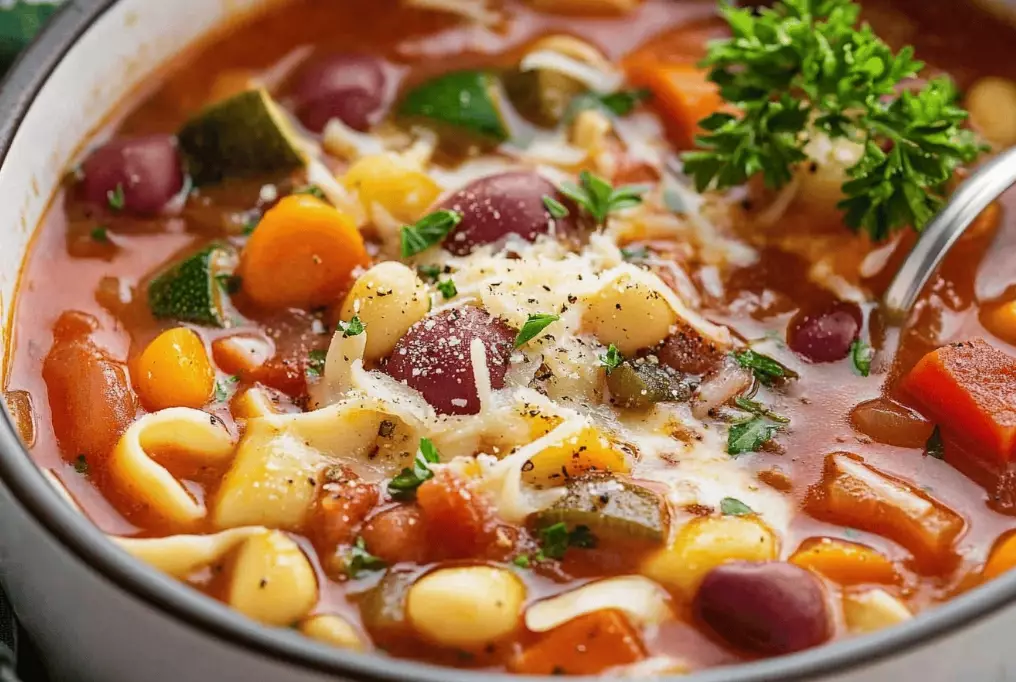
Your Minestrone Questions Answered
 My Minestrone always turns out too watery. How can I thicken it?
Related Articles

Italian Sausage Soup: Authentic Recipes & Pro Tips
Authentic Italian Cuisine Recipes: From Classics to Regional Secrets

Authentic Italian Cannoli Recipe: Crispy Shells & Sweet Ricotta Filling

With an increase of nearly 300%, the leader of "flying cars" took off, fearless
Classic Italian Pasta Recipes: Authentic Dishes You Can Master