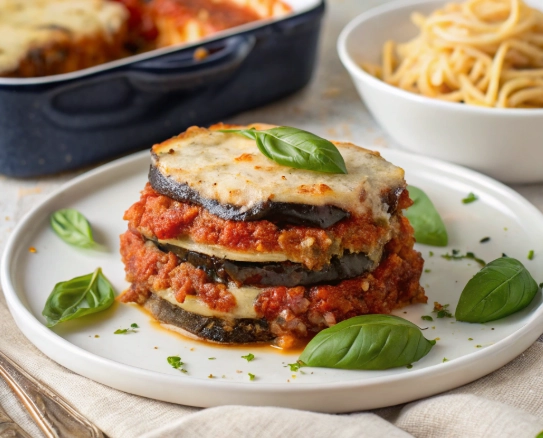
Hearty Italian Sausage Soup Recipes & Cooking Tips
Let's talk about Italian sausage soup. It's not just a meal; it's a hug in a bowl. When the weather turns or you need something deeply satisfying, a pot of soup simmering with good sausage, beans, and greens is the answer. I've been making these soups for years, and I've learned it's less about following a rigid recipe and more about understanding a few key principles. The right sausage makes all the difference, and there are a couple of mistakes almost everyone makes on their first try. We'll get into all of that, plus I'll give you a solid foundation recipe you can tweak forever.
What's Inside?
Picking the Perfect Sausage: It's Not Just About Heat
This is where most recipes just say "use Italian sausage" and move on. Big mistake. The type of sausage you use defines the entire character of your soup. Sweet, hot, mild, fennel-forward—they all create a different experience.
I made a soup once with a generic "Italian-style" sausage from the supermarket. It was bland and greasy. Lesson learned. Now, I either seek out a good butcher or read labels carefully. You want sausage where pork is the first ingredient, not a list of fillers.
| Sausage Type | Flavor Profile | Best Soup Pairing | My Personal Take |
|---|---|---|---|
| Sweet Italian Sausage | Mild, garlicky, with a hint of fennel and sometimes parsley. | Classic Tuscan bean soups, soups with delicate greens like escarole. | My default choice. It's crowd-pleasing and lets the other ingredients shine. |
| Hot Italian Sausage | All of the above, plus a noticeable kick of red pepper flakes. | Hearty soups with kale or potatoes, minestrone, tortellini soups. | Adds a welcome warmth. If you're unsure, mix one hot link with two sweet ones. |
| Sausage with Lots of Fennel | Pronounced licorice-like aroma from fennel seeds. | Rustic soups with lentils or chickpeas. Stands up to strong herbs like rosemary. | An acquired taste. I love it, but it can overpower if you're not a fennel fan. |
| Mild or Breakfast Sausage | Savory, sage-heavy, less garlic. | Potato and sausage chowders, creamy white bean soups. | Not traditionally Italian, but works beautifully for a different, herby flavor. |
A non-negotiable step: remove the sausage from its casing before cooking. Just squeeze it out into the pot. This gives you perfect, rustic crumbles that brown evenly and distribute flavor throughout every spoonful. Trying to chop cooked sausage links never works as well.
Your Go-To Italian Sausage & Bean Soup Recipe
Think of this as your template. Memorize these steps, and you can make a great soup with almost anything in your pantry.
Essential Ingredients (Serves 6)
- 1 lb (450g) sweet Italian sausage, casings removed
- 1 large yellow onion, diced
- 2 carrots, diced
- 2 celery stalks, diced
- 4 cloves garlic, minced
- 1 tbsp tomato paste
- 6 cups chicken or vegetable broth (low-sodium is best)
- 1 can (14.5 oz) diced tomatoes, with their juices
- 2 cans (15 oz each) cannellini beans, rinsed and drained
- 1 bunch lacinato kale (also called Tuscan kale), stems removed, leaves chopped
- 1 tsp dried oregano
- 1 bay leaf
- Salt, black pepper, and red pepper flakes to taste
- Extra virgin olive oil for finishing
- Grated Parmigiano-Reggiano for serving
The Method: Building Layers of Flavor
Start with the sausage. In a large Dutch oven or heavy pot over medium heat, cook the crumbled sausage. Don't stir it too much at first—let it get some good brown color on one side. That browning equals flavor. Once cooked through, use a slotted spoon to transfer it to a bowl, leaving the rendered fat behind.
Cook your soffritto. That's just a fancy word for the onion, carrot, and celery base. Cook them in the sausage fat until the onion is soft and translucent, about 8 minutes. Add the garlic and tomato paste and cook for another minute until fragrant. The tomato paste will darken a bit—this is good.
Deglaze and simmer. Pour in about 1/2 cup of the broth and scrape up all the browned bits stuck to the bottom of the pot. That's pure flavor gold. Add the rest of the broth, diced tomatoes, oregano, bay leaf, and the browned sausage. Bring to a boil, then reduce to a gentle simmer. Let it bubble away for at least 20 minutes.
Finish and serve. Stir in the beans and kale. Cook until the kale is wilted and tender, about 5-7 minutes. Discard the bay leaf. Season with salt, pepper, and a pinch of red pepper flakes if you like more heat. Ladle into bowls, drizzle with a generous thread of good olive oil, and shower with grated cheese.
Beyond the Basics: Creative Soup Variations
Once you've mastered the bean soup, the world opens up. Here are a few directions to run with.
The Creamy Tortellini Version: Swap the beans for a 9-oz package of fresh cheese tortellini. Add them in the last 5-7 minutes of cooking. Finish the soup with a splash of heavy cream or half-and-half for richness. It's decadent and a huge hit with kids.
The "Clean Out the Fridge" Minestrone: Add a diced zucchini and a chopped potato with the carrots. Use a cup of small pasta like ditalini instead of (or with) the beans. Throw in a handful of green beans. It becomes a complete, hearty meal.
The Lentil & Sausage Stew: Replace the canned beans with 1 cup of dried brown or green lentils (rinsed). You'll need to add them with the broth and simmer for 30-40 minutes until tender. The lentils thicken the soup beautifully.
3 Common Mistakes That Ruin Sausage Soup
I've eaten (and made) my share of mediocre soup. These are the pitfalls to avoid.
1. Using the broth straight from the carton without tasting. Store-bought broth varies wildly in saltiness. If your broth is very salty and you then add salty sausage and Parmesan, your soup becomes inedible. Always use low-sodium broth and season at the end.
2. Adding acidic ingredients (like tomatoes or wine) too early. If you add tomatoes before the vegetables have softened, the acid can prevent them from ever getting truly tender. Always let your onions, carrots, and celery cook through first.
3. Skipping the deglazing step. Those brown bits (the fond) are packed with concentrated flavor. Pouring in a little liquid and scraping them up is non-negotiable. It's the difference between a flat-tasting soup and one with deep, complex notes.
Pro Tips for Depth of Flavor & Texture
A few more tricks from my kitchen.
For a richer broth: Add a Parmesan rind to the pot while it simmers. It melts into the soup, adding a subtle umami savoriness. Fish it out before serving.
To control fat: After browning the sausage, you can drain off some of the fat if it looks excessive. Leave about 2 tablespoons for cooking the vegetables.
To thicken without cream: Take a ladleful of beans and a bit of broth, blend it smooth, and stir it back into the pot. It creates a naturally creamy, thick body.
The final flourish: A drizzle of high-quality extra virgin olive oil and a twist of black pepper right in the bowl before eating elevates everything. It's not just garnish; it's an integral layer of flavor and aroma.
Your Italian Sausage Soup Questions Answered
Related Articles
Ultimate Guide to Vegetarian Italian Dinner Party Recipes
Simple Italian Dishes Recipes: Easy Classics You Can Actually Make
Italian Cream Cake Recipe: A Southern Classic with Italian Flair

Pinduoduo invested 10 billion to support new quality merchants, and continued to
Italian Baked Dishes Recipes: From Classic Lasagna to Rustic Focaccia