Chicago Italian Beef Recipe: The Ultimate Homemade Guide
Let's cut to the chase. Most recipes for Chicago Italian beef you find online are missing the point. They give you a decent pot roast, but they don't give you the sloppy, juice-dripping-down-your-arms, flavor-packed experience that defines the real deal. I grew up a block from a legendary beef stand, and I've spent years reverse-engineering what makes it perfect. It's not just about the meat; it's about the gravy, the bread, the giardiniera, and a few tricks most home cooks never consider.
Your Quick Guide to Perfect Italian Beef
The Beef: Heart of the Matter
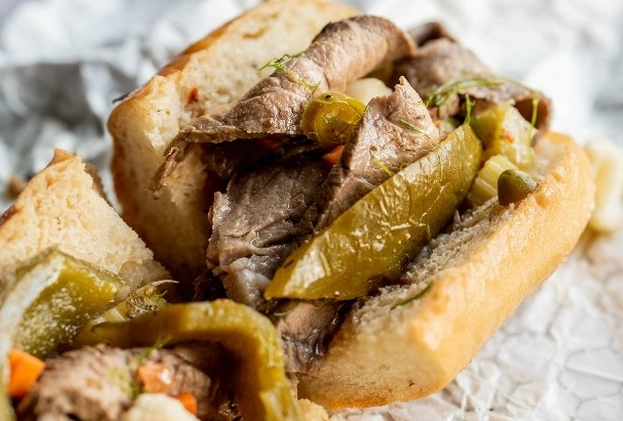
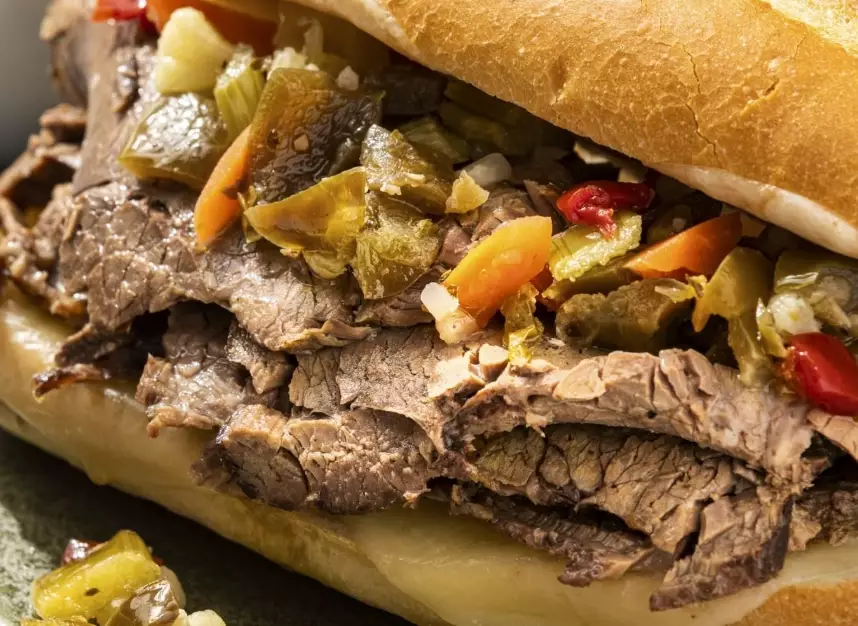
You might think any chuck roast will do. It won't. The texture is everything. Chicago beef stands use a specific cut: the top or bottom round. It's leaner than chuck, which is crucial. Why? Because we're going to slow-cook it until it's fall-apart tender, but we need it to hold together just enough to be sliced paper-thin. A fatty chuck roast will shred into mush, not slice.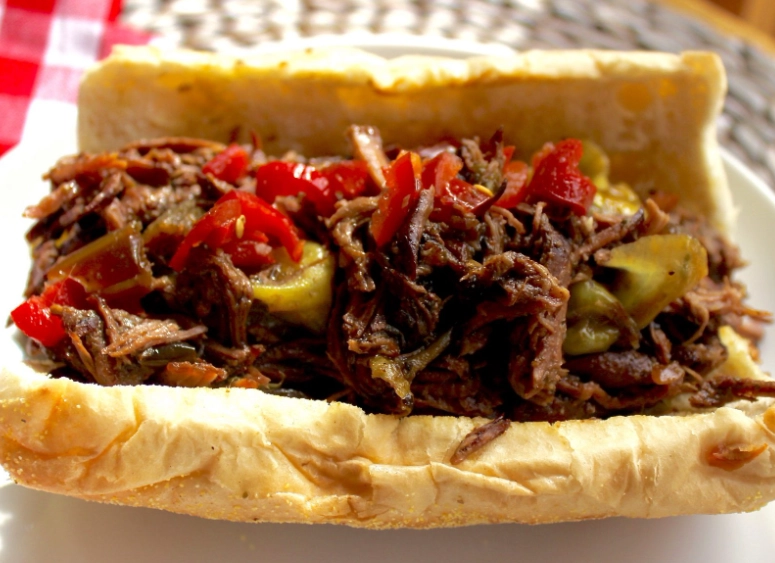
I made this mistake for years. My "beef" was delicious but more like a pulled pork sandwich. Authenticity demands those thin slices that soak up the gravy.
Size matters too. Don't get a giant 6-pound monster. A 3 to 4-pound roast is ideal. It cooks more evenly, and the seasoning penetrates better. Anything bigger, and the outside is over-seasoned before the inside is done.
Beef Cut Showdown: What Works Best?
| Cut of Beef | Best For... | Watch Out For... |
|---|---|---|
| Bottom Round | The authentic choice. Lean, slices beautifully when cooked right. | Can be dry if overcooked. Requires precise timing. |
| Top Round | Very similar to bottom round. Excellent, slightly more tender. | Often more expensive. Can be harder to find. |
| Chuck Roast | Extremely flavorful and forgiving. Falls apart easily. | Will not slice. You'll get a "shredded beef" sandwich, not Italian beef. |
| Sirloin Tip | Good lean option. Tends to be more uniform in shape. | Less marbling means slightly less beefy flavor in the gravy. |
Building the Perfect Gravy
This is where most recipes fall flat. The "juice" or "gravy" isn't an afterthought—it's a core component. It's a seasoned beef broth that the sliced meat takes a bath in. The goal is deep, savory, aromatic, and just salty enough.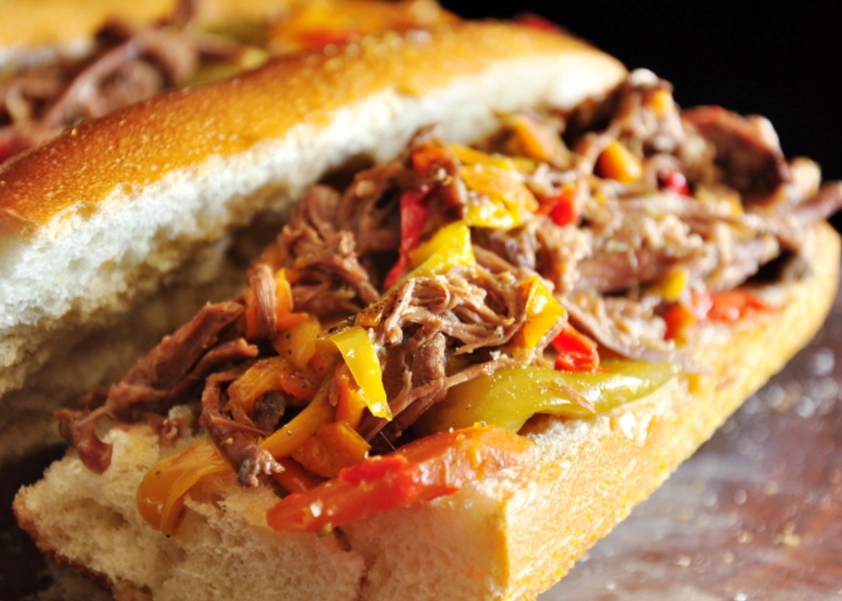
You need three layers of flavor:
- The Foundation: Good beef broth. I use a low-sodium store-bought broth as a base, but I boost it immensely.
- The Aromatics: Onion, garlic, and a massive amount of Italian seasoning. We're talking at least 2 tablespoons dried. Oregano, basil, thyme, rosemary—the works.
- The Secret Weapons: This is my non-consensus bit. First, a tablespoon of soy sauce. It adds umami and color without a soy taste. Second, a few pepperoncini peppers plus a splash of their brine. It gives the gravy a very subtle, background tang that cuts the richness. Don't skip this.
You'll simmer the cooked roast in this gravy after slicing. This step, called "au jus," is non-negotiable. It reheats the meat and lets it drink up all that flavor.
The Non-Negotiables: Bread and Toppings
You could make perfect beef and ruin it here.
The Bread: It must be a long, soft, French-style roll. Not a baguette (too crusty), not a ciabatta (too holey), not a sub roll (often too sweet). It needs a thin, slightly crisp crust and a very soft, airy interior that can absorb juices without disintegrating. Turano or Gonnella brands are the Chicago gold standard. If you can't find them, look for "Italian bread" or "French rolls" at your bakery.
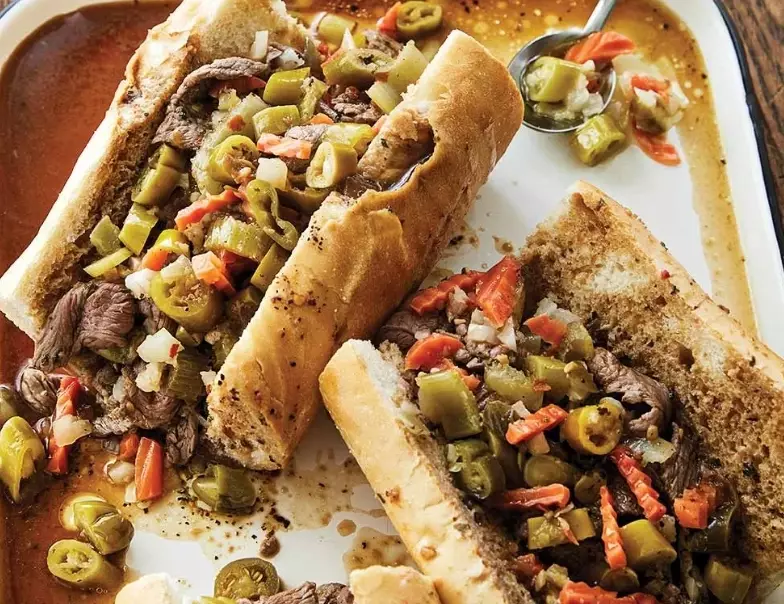
The Giardiniera: This is the spicy, pickled vegetable relish. It's not optional. The crunch and vinegary heat are essential counterpoints to the rich beef. You want the hot giardiniera, not mild. Chop it coarsely if the pieces are too big. The classic Chicago brand is Marconi or Vienna Beef. You can find it online or in well-stocked grocery stores.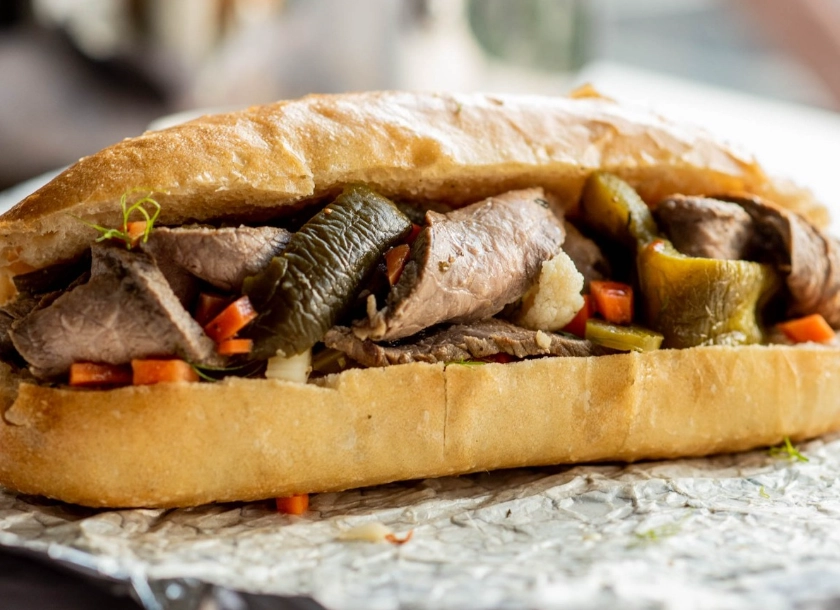
Sweet Peppers: The other classic topping. Simply sauté sliced green bell peppers with onion until very soft. Some places offer "dry" (no gravy) or "dipped" (whole sandwich dipped in gravy). I'm a "wet" advocate—the roll gets a quick dunk in the gravy before assembly. Life-changing.
Step-by-Step Recipe & Cooking Guide
Here’s exactly how to put it all together. This isn't a fussy recipe, but timing is key.
Ingredients You'll Need
- 1 (3-4 lb) bottom round roast
- 2 tbsp olive oil
- 1 large onion, sliced
- 8 garlic cloves, smashed
- 6 cups low-sodium beef broth
- 2 tbsp dried Italian seasoning
- 1 tbsp garlic powder
- 1 tbsp onion powder
- 2 tsp salt (plus more for rubbing)
- 1 tsp black pepper
- 1 tsp red pepper flakes
- 1 tbsp soy sauce
- 4-5 pepperoncini peppers + ¼ cup brine
- 6-8 French/Italian rolls
- 1 jar hot giardiniera
- 2 green bell peppers, sliced (optional)
The Process: Low and Slow is the Way to Go
- Season Aggressively: Pat the roast dry. Rub it all over with a mix of salt, pepper, garlic powder, and half the Italian seasoning. Do this at least an hour before cooking, or ideally overnight in the fridge.
- Sear for Flavor: In a large Dutch oven or heavy pot, heat the olive oil over medium-high. Sear the roast on all sides until deeply browned. This isn't just for looks; it builds the fond (browned bits) that flavor the gravy. Remove the roast.
- Build the Braise: In the same pot, add the onion and garlic. Cook for 5 minutes until softened. Pour in the beef broth, scraping up all the browned bits. Add the remaining Italian seasoning, red pepper flakes, soy sauce, pepperoncinis and brine. Bring to a simmer.
- Cook to Perfection: Return the roast to the pot. The liquid should come about halfway up the sides. Cover and transfer to a preheated 300°F (150°C) oven. Cook for about 3 to 3.5 hours, or until a fork inserts with just a slight resistance. Do not overcook. It should be tender but not shredding.
- Rest and Slice: Remove the roast, tent with foil, and let it rest for 30 minutes. Strain the cooking liquid—this is your gravy. Skim excess fat if desired. While the meat rests, sauté your bell peppers if using.
- The Final Dip: Using a very sharp knife or an electric slicer, slice the beef as thinly as possible across the grain. Place all the sliced beef back into the pot with the strained gravy. Keep it warm on low heat for at least 20 minutes so the meat soaks it all up.
Common Mistakes to Avoid
After teaching this recipe to dozens of friends, I see the same errors pop up.
Overcooking the beef. You're aiming for 195-200°F internal temperature, not 210°F. Use a thermometer. If it shreds when you try to pick up a slice with tongs, it's too far gone.
Using the wrong bread. A hearty, dense roll turns into a soggy sponge. A crusty roll repels the juice. You need that specific soft-yet-sturdy vehicle.
Skipping the post-slice soak. Serving the sliced beef dry on the bread and then spooning gravy over the top is not the same. The meat needs to be saturated through and through. That's what creates the iconic, messy, juicy bite.
Being shy with seasoning. This is a boldly flavored sandwich. The gravy should be highly seasoned. Taste it after straining and don't be afraid to add more salt, pepper, or oregano.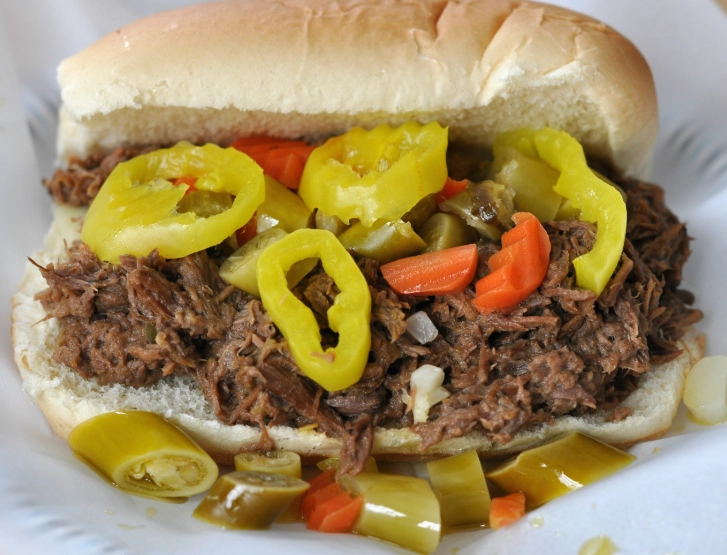
Your Italian Beef Questions Answered
Making a true Chicago Italian beef sandwich at home is a project, but it's one of the most rewarding things you can cook. It's about embracing the mess, layering big flavors, and understanding that every component—from the cut of meat to the final dunk—plays a specific role. Forget the dry, bland versions. Follow this guide, and you'll get the real, glorious, napkin-requiring experience right in your own kitchen.
Trust me, once you get it right, you'll never look at a slow cooker pot roast the same way again.
Related Articles

The "half-year report" of the economy of 31 provinces is released: Inner Mongoli
Ground Italian Sausage Recipes: The Ultimate Guide for Easy & Flavorful Dinners
Top 10 Italian Pasta Dishes: A Guide to Classics
Authentic Italian Love Cake Recipe: The Ultimate 3-Layer Dessert Guide
Traditional Italian Pasta Sauces: A Complete Guide to the Classics