Irresistible Italian Christmas Desserts: Recipes & Traditions
An Italian Christmas table without its iconic desserts feels incomplete. It's not just about sweetness; it's about history, family, and rituals passed down through generations. If you've ever tasted a perfectly light panettone or the buttery crumb of a pandoro, you know they're in a different league from ordinary holiday cakes. But here's the thing most recipes online don't tell you: achieving that authentic texture at home is less about fancy ingredients and more about patience and a few non-negotiable techniques. I learned this the hard way after my first homemade panettone collapsed into a dense brick. Today, I'll guide you through the real secrets, from the essential classics to some stunning regional gems you can actually pull off.
Your Guide to Italian Christmas Sweets
The Essential Duo: Panettone vs. Pandoro
Let's clear up the confusion first. Panettone and pandoro are the twin pillars of an Italian Christmas, but they're wildly different. Choosing the wrong one for your gathering is like serving pumpkin pie at Thanksgiving when everyone expected pecan.
| Characteristic | Panettone | Pandoro |
|---|---|---|
| Origin | Milan (Northern Italy) | Verona (Northern Italy) |
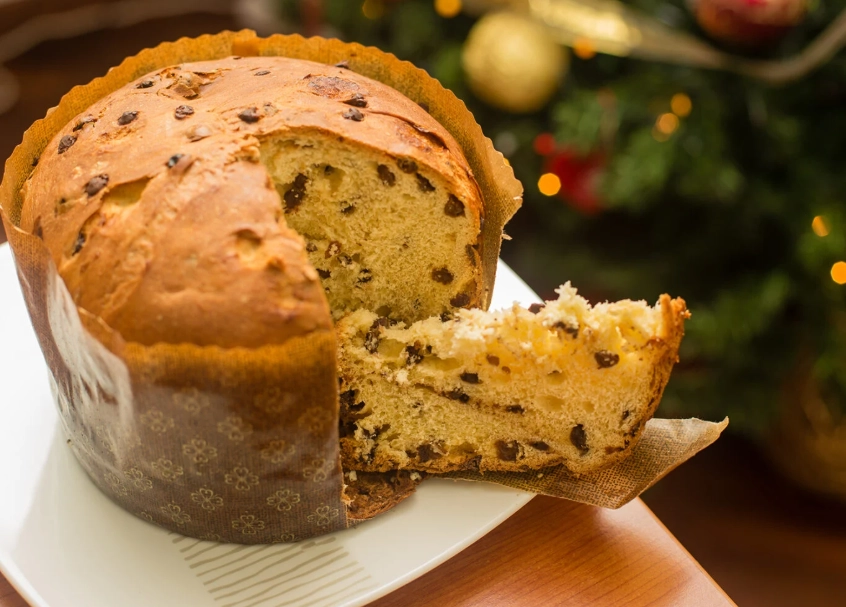
| Shape | Tall, domed cylinder, usually with paper collar | Star-shaped (8 or 10-pointed) when sliced |
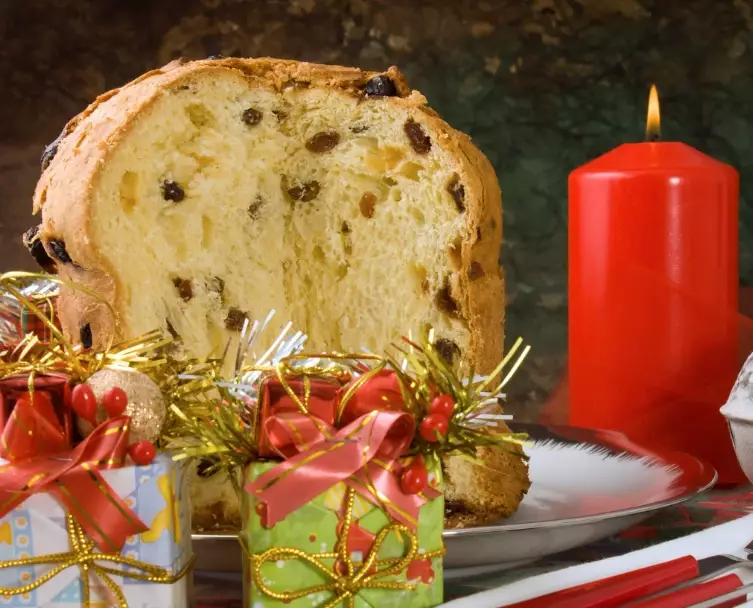
| Texture & Flavor | Light, airy, sourdough-like crumb with candied orange, lemon zest, and raisins. | Extremely soft, buttery, and vanilla-scented. No fruit. Often dusted with powdered sugar to resemble a snowy mountain. |
| Key Ingredients | Natural starter (lievito madre), eggs, butter, candied citrus. | Copious amounts of butter and egg yolks, vanilla, no fruit. |
| Serving Style | Sliced like a cake, often enjoyed with sweet wine (Moscato or Spumante) or a morning coffee. | Sliced vertically into tall wedges, always served with a heavy snowfall of powdered sugar just before eating. |
| My Personal Take | I love the complex, tangy flavor, but the candied fruit quality is crucial. Cheap, brightly colored fruit ruins it. | The simpler, richer cousin. It’s harder to mess up and is often a safer crowd-pleaser for those who dislike fruitcake textures. |
Most home bakers are intimidated by both, but panettone is the true technical challenge. The rise depends entirely on a strong, active lievito madre (sourdough starter). Using instant yeast as a shortcut gives you a sweet bread, not panettone. The texture will be wrong.
How to Make Classic Panettone at Home
I'm not going to sugarcoat it—this is a project. It takes 3-4 days. But the result is a point of pride no store-bought version can match. This recipe adapts traditional methods for a home kitchen, based on principles from the Accademia dei Maestri Pasticceri Italiani (Academy of Italian Master Pastry Chefs).
Authentic Homemade Panettone
Yield: 1 large panettone (about 2 lbs) | Active Time: 1.5 hours | Total Time: 3-4 days (including starter feeding)
Special Equipment Needed: Panettone paper molds (7-inch tall), stand mixer, kitchen scale (grams are essential), candy thermometer.
Ingredients
For the First Dough (Primo Impasto):
- 150g active lievito madre (sourdough starter), refreshed and at peak
- 100g bread flour (type "00" or high-protein)
- 2 large egg yolks (room temperature)
- 20g granulated sugar
- 15g unsalted butter, softened
For the Final Dough:
- All of the First Dough
- 300g bread flour
- 150g granulated sugar
- 6 large egg yolks (room temperature)
- 150g unsalted butter, very soft but not melted
- 12g fine sea salt
- Zest of 1 organic orange and 1 organic lemon
- 1 tsp pure vanilla extract
- 150g high-quality mixed candied orange and citron peel, chopped
- 100g golden raisins, soaked in warm rum or orange juice for 1 hour, drained
Step-by-Step Process
Day 1: Create the First Dough. In a stand mixer with the paddle, combine the lievito madre, flour, egg yolks, sugar, and butter. Mix on low until a sticky dough forms. Transfer to a lightly oiled bowl, cover tightly, and let ferment at room temperature (72-75°F) for 8-12 hours, until nearly tripled in size. It should be bubbly and airy.
Day 2: Build the Final Dough. Place the first dough back in the mixer bowl. Add the new flour, sugar, egg yolks, and vanilla. Use the dough hook and mix on medium-low for 10-15 minutes. This is the critical window. The dough must become smooth, elastic, and start to pull away from the sides. It will be sticky—that's normal.
Now, with the mixer running, add the soft butter one tablespoon at a time, waiting for each to be fully absorbed before adding the next. This can take 10 minutes. Finally, add the salt, citrus zests, and the drained fruits. Mix just until incorporated.
The Shaping & Final Proof. Scrape the very soft, rich dough into your prepared panettone mold, filling it just over halfway. Use wet hands to smooth the top. Cover loosely with plastic and let rise in a warm, draft-free spot (not too hot!) for 4-6 hours, until the dough crests about 1 inch above the mold rim. This slow rise is key for the iconic structure.
Baking. Preheat your oven to 350°F (180°C). Just before baking, make a shallow cross cut on top and place a small pat of butter in the center. Bake for 45-50 minutes. The real trick? You must cool it upside down. Immediately upon removing it from the oven, skewer two long wooden dowels or chopsticks through the bottom of the paper mold. Suspend the panettone upside down between two tall jars or over a large pot. Let it hang for a full 6-8 hours until completely cool. This prevents collapse.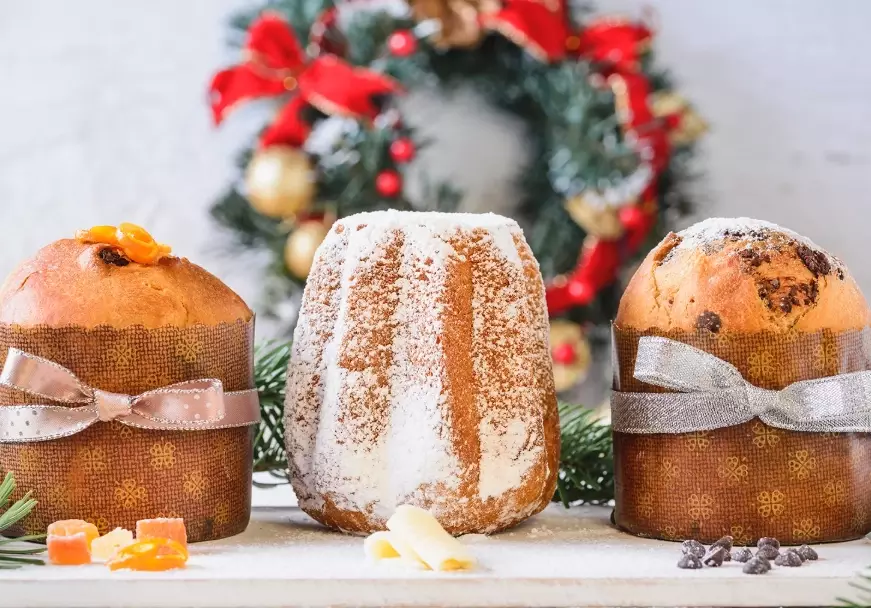
Where most home bakers fail: They under-mix the dough before adding butter, or they add butter that's too cold or all at once. The fat won't emulsify into the gluten network, leading to a greasy, dense crumb. Also, skipping the upside-down cooling guarantees a sunken top.
Beyond the Classics: Regional Christmas Treats
Italy's Christmas dessert scene is a regional mosaic. Here are three stunning alternatives that are often easier to execute and bring incredible flavor to your table.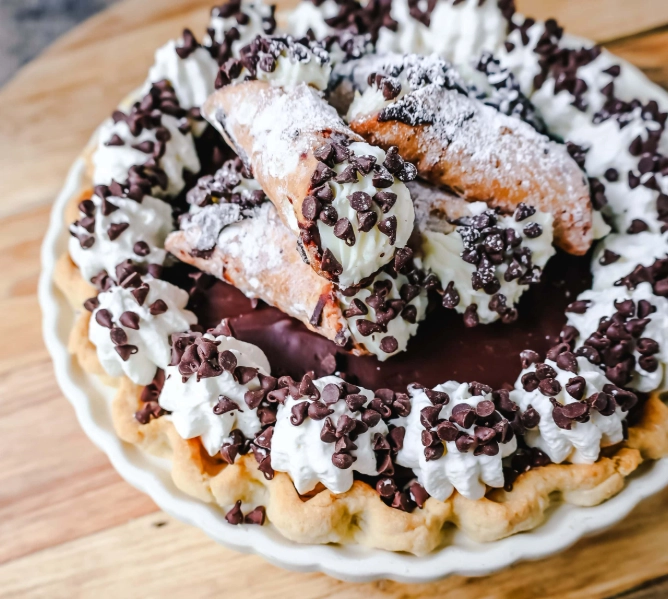
1. Torrone – The Quintessential Nougat
This crunchy or chewy nougat from Cremona is a festive staple. The commercial stuff is fine, but homemade torrone is revelatory. The challenge is hitting the exact sugar temperature (the "hard crack" stage around 310°F/154°C). Use a reliable thermometer. The classic version uses honey, egg whites, toasted almonds, and hazelnuts, pressed between two sheets of edible rice paper (ostia). A less stressful variation is a soft, chocolate-dipped version using honey and nut pastes.
2. Cartellate – Fried Pastry from Puglia
Imagine delicate, golden ribbons of fried dough, drenched in warm vincotto (cooked grape must) or honey, and sprinkled with chopped walnuts or colored sprinkles. That's cartellate. The dough is simple (flour, white wine, oil), but the shaping is an art—rolling, cutting, and twisting into a rose-like shape. They're addictive, not overly sweet, and the texture is sublime. They keep for weeks in a tin, making them perfect for holiday gifting.
3. Panforte – Siena's Spiced Fruit Slab
Panforte is the ancient ancestor of fruitcake, but infinitely better. It's a dense, chewy disc packed with nuts (almonds, hazelnuts), candied fruit, honey, and a bold mix of spices like cinnamon, coriander, and black pepper. It's baked just until set, then dusted with a blizzard of powdered sugar. You slice it into tiny, rich wedges. The key is toasting the nuts deeply for maximum flavor. Store it wrapped; it matures and improves over weeks.
Expert Tips to Avoid Holiday Baking Disasters
After years of trial and error (and some memorable failures), here's what I wish I knew sooner.
- Temperature is Everything. Ingredients for enriched doughs (panettone, pandoro) MUST be at room temperature. Cold eggs or butter will seize the dough and halt fermentation.
- Weigh, Don't Measure. Baking is chemistry. A cup of flour can vary by 20+ grams. A $20 digital scale is your best investment for consistent results.
- Source Your Fruit Wisely. For panettone, seek out Italian-style candied citrus peel, which is softer and less cloyingly sweet than the bright green and red supermarket variety. It makes all the difference.
- Embrace Long, Slow Proofs. Rushing the rise with excessive heat creates large, unstable air bubbles that collapse in the oven. A steady, cool room temperature yields a finer, stronger crumb.
- Don't Fear the Freezer. Most of these desserts freeze beautifully. Wrap cooled panettone or pandoro tightly in multiple layers of plastic wrap and foil. Thaw overnight at room temperature. It will taste freshly baked.
Your Italian Christmas Dessert Questions Answered
Related Articles
Master Classic Italian Dishes: Recipes & Secrets from Pasta to Tiramisu
The Ultimate Guide to a 3 Course Vegetarian Italian Meal
Ultimate Guide to Spaghetti Pasta Recipes: Easy, Authentic & Creative
Traditional Italian Salad Names: A Guide to Authentic Recipes & History
Italian Christmas Dinner Courses: A Complete Traditional Feast Guide