Top 50 Italian Desserts: From Tiramisu to Cannoli
Italian desserts are a world beyond tiramisu. Sure, that coffee-soaked marvel is iconic, but it's just the opening act. The real story is in the regional pastries, the festive breads, the simple fruit concoctions, and the frozen treats that change from Sicily to Piedmont. I've spent years eating my way through Italy, from fancy pasticcerie to nonna's kitchen, and the variety is staggering. This isn't just a list; it's a roadmap to 50 essential Italian sweets, why they matter, and how you can truly experience them.
Your Sweet Journey Starts Here
- The Undisputed Classics: Italy's Most Famous Desserts
- Regional Treasures: Sweet Discoveries Across Italy
- Festive & Family-Style Desserts
- Frozen, Fruit & Light Bites
- How to Choose and Enjoy Italian Desserts Like a Local?
- What Are the Biggest Mistakes to Avoid When Making Italian Desserts?
- Your Italian Dessert Questions Answered
The Undisputed Classics: Italy's Most Famous Desserts
These are the heavy hitters, the ones you'll find on menus worldwide. But there's a gap between the global version and the authentic one.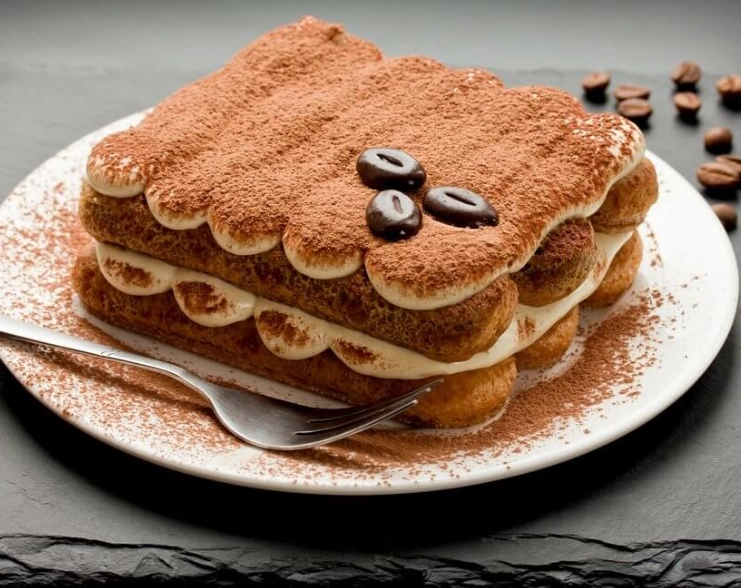
Tiramisu: The king. Originating from Veneto, the debate is fierce (Venice? Treviso?). The authentic version uses mascarpone, eggs, sugar, savoiardi (ladyfingers) dipped in espresso with a dash of Marsala wine (not rum or amaretto, usually). A common mistake? Using cream cheese or whipped cream to stabilize it—it should be rich and creamy, not fluffy. For a benchmark, try the classic version at Le Café in Venice or the legendary Pompi in Rome (Via Albalonga, 7b). Price: €6-€9 per portion.
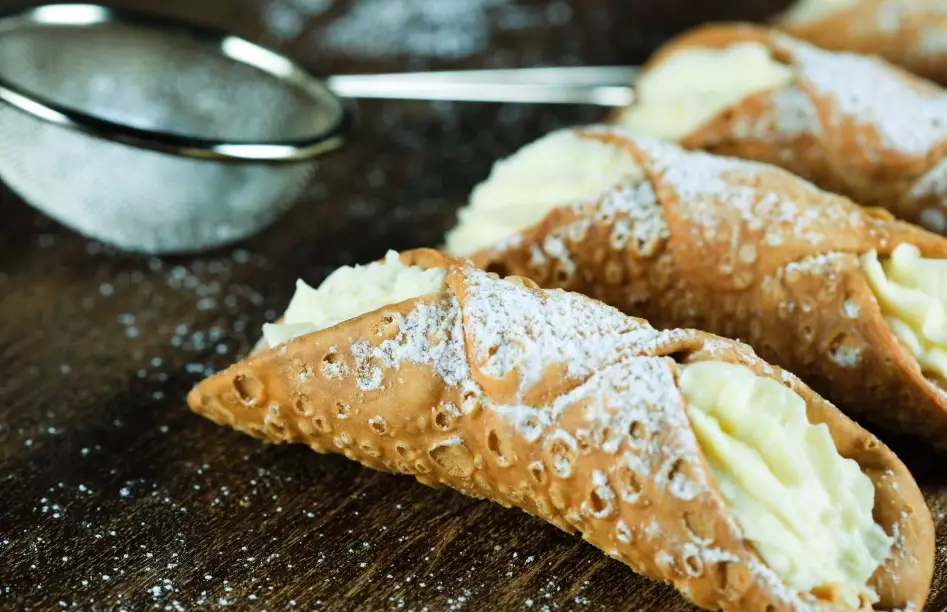
Cannoli: Sicily's gift. The shell must be shatteringly crisp, filled to order with sweetened ricotta (often with chocolate chips or candied fruit). A soggy, pre-filled cannolo is a crime. The ricotta should be sheep's milk for the best flavor. In Palermo, Pasticceria Cappello (Via Colonna Rotta, 68) is an institution. In NYC, you're getting closer at places like L'Arte del Gelato in Chelsea Market, but the shell texture is rarely the same.
Panna Cotta: "Cooked cream" from Piedmont. Its simplicity is deceptive. The gelatin must be perfectly bloomed and dissolved to achieve a silky, wobbly texture—not rubbery. It's traditionally served with a berry coulis or caramel (caramello). A great test of a restaurant's finesse.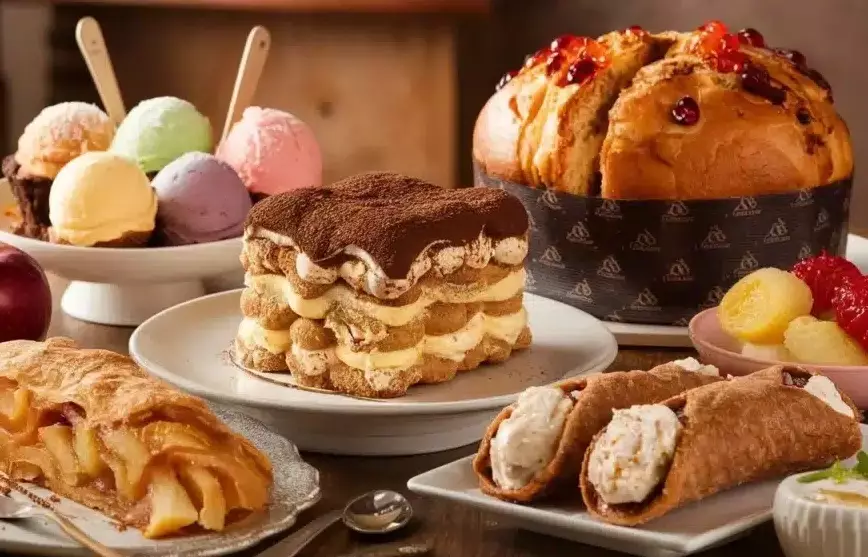
Gelato: Not just "Italian ice cream." It has less butterfat and less air churned in than American ice cream, making it denser and more flavor-forward. Authentic gelato is served at a slightly higher temperature, so it's soft, not rock-hard. Look for natural colors (pistachio should be earthy brown-green, not neon). In Florence, Gelateria dei Neri (Via dei Neri, 9/11) is a local favorite.
More Classics You Must Know
- Affogato: A dessert and a drink. A scoop of vanilla gelato "drowned" in a shot of hot espresso. The ultimate after-dinner pick-me-up.
- Zabaglione (Sabayon): A warm, frothy custard made by whisking egg yolks, sugar, and Marsala wine over a bain-marie. Often served with berries or alone.
- Panettone & Pandoro: The Christmas rivals. Panettone (Milan) is a tall, domed sweet bread with raisins and candied fruit. Pandoro (Verona) is a golden, star-shaped butter bread dusted with powdered sugar. I lean towards Pandoro for its buttery simplicity, but a high-quality artisanal panettone (like those from Motta or Bauli) is a revelation.
- Cantucci con Vin Santo: Tuscan almond biscuits baked twice (hence "biscotti") to be rock-hard. You dip them into a small glass of sweet Vin Santo wine, which softens them perfectly.
Regional Treasures: Sweet Discoveries Across Italy
This is where the magic happens. Italy was unified less than 200 years ago, and dessert traditions are fiercely local.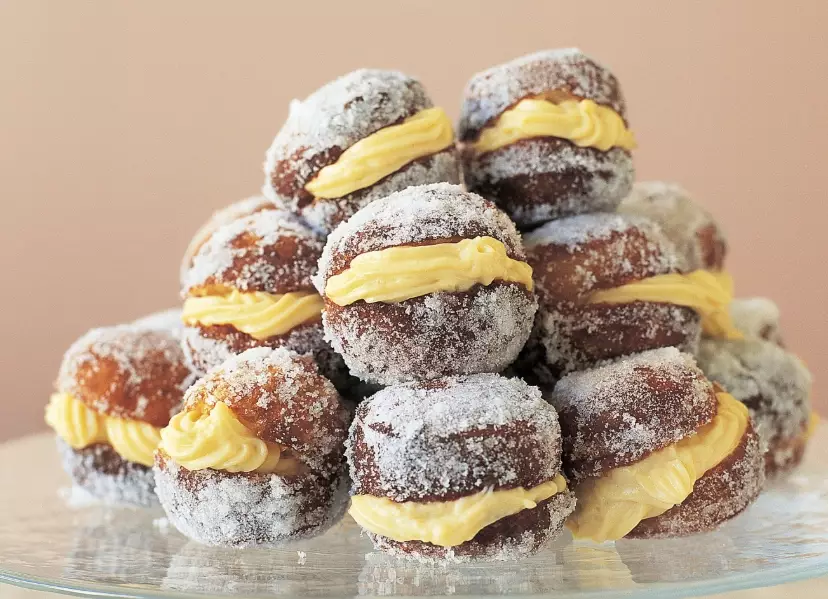
| Dessert | Region | Key Ingredients | Flavor Profile & Where to Try |
|---|---|---|---|
| Sfogliatella (Riccia & Frolla) | Campania (Naples) | Layered pastry, semolina, ricotta, citrus | Crispy, honeyed layers (Riccia) or soft shortcrust (Frolla). Pasticceria Pintauro in Naples (Via Toledo, 275) is historic. |
| Pastiera Napoletana | Campania | Cooked wheat, ricotta, candied fruit, orange blossom water | A fragrant, dense Easter tart. The wheat berries give a unique texture. Found everywhere in Naples during Easter. |
| Cassata Siciliana | Sicily | Sponge cake, ricotta, marzipan, candied fruit | Sweet, colorful, and iconic. The marzipan shell is key. Pasticceria Costa in Palermo is famous. |
| Bigne al Caffè | Piedmont | Choux pastry, coffee cream | Like a profiterole filled with intense coffee pastry cream. A Turin classic at cafes like Baratti & Milano. |
| Torta della Nonna | Tuscany | Shortcrust pastry, pastry cream, pine nuts | "Grandma's cake" – simple, comforting, with a buttery crust and toasted pine nuts. |
| Amaretti | Lombardy | Sweet & bitter almonds, sugar, egg whites | Chewy or crunchy almond macaroons. The town of Saronno is the epicenter. Perfect with coffee or crumbled into desserts. |
| Seadas (or Sebadas) | Sardinia | Semolina pastry, fresh pecorino cheese, honey | A savory-sweet fried pastry with melted cheese inside, drenched in bitter honey. An unforgettable flavor clash. |
The list goes on: Bologna's Certosino (a spiced Christmas cake), Liguria's Pandolce (a fruited bread), Rome's Maritozzo (a sweet bun filled with whipped cream), Apulia's Pasticciotto (a shortcrust pastry filled with custard, eaten warm for breakfast). Each tells a story of local ingredients and history.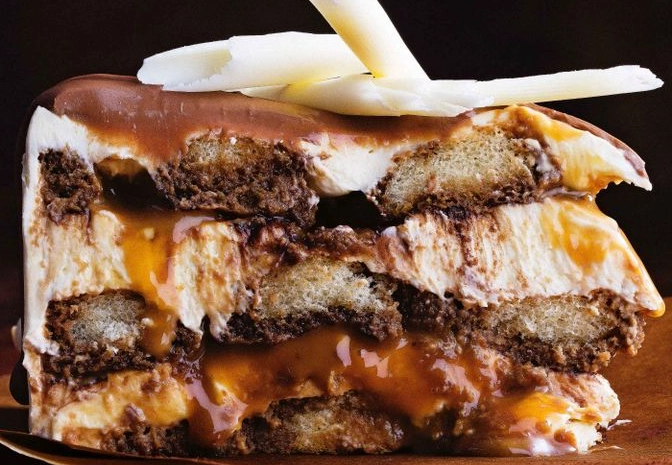
Festive & Family-Style Desserts
Many Italian sweets are tied to seasons and celebrations, meant to be shared.
Colomba Pasquale: The Easter "dove" shaped cake, similar to panettone but topped with almonds and pearl sugar. Lighter, often with a citrus note.
Struffoli (Naples) / Cicerchiata (Central Italy): Deep-fried dough balls bound with honey and decorated with colorful sprinkles. A Christmas centerpiece that's impossibly moreish.
Castagnaccio: A Tuscan chestnut flour cake with pine nuts, rosemary, and raisins. It's gluten-free, dense, and not very sweet—an acquired taste that grows on you, especially with a glass of sweet wine.
Frozen, Fruit & Light Bites
For when you want something sweet but not heavy.
- Granita: Sicily's masterpiece. A semi-frozen slush made with water, sugar, and flavor (coffee, almond, lemon, strawberry). Served with a brioche for breakfast in Palermo. A world away from a sugary 7-Eleven Slurpee.
- Sorbetto: Dairy-free fruit ice. The purity of the fruit is everything. Lemon (limone) is the ultimate test.
- Pesche Ripiene (Stuffed Peaches): From the north. Halved peaches filled with amaretti crumbs, sugar, and egg, then baked. Simple, rustic, and delicious.
- Crostata: The Italian jam tart. A buttery shortcrust (pasta frolla) filled with apricot, cherry, or berry jam. The quintessential home dessert.
- Biscotti (generic term): Beyond cantucci, there are dozens: Baci di Dama (lady's kisses), Brutti ma Buoni (ugly but good), Amaretti, Savoiardi (ladyfingers). Perfect for dipping.
To hit our 50, let's quickly name more essentials: Zuppa Inglese, Semifreddo, Torta Caprese (flourless chocolate-almond), Biscotto di Prato, Panforte di Siena, Torrone, Bussolà (Venetian butter cookies), Frittelle (Carnival fritters), Bomboloni (filled doughnuts), Meringata, Crema Fritta (fried custard), Fichi Mandorlati (figs with almonds), Mostaccioli, Pignolata, Susamielli... you get the idea. The diversity is immense.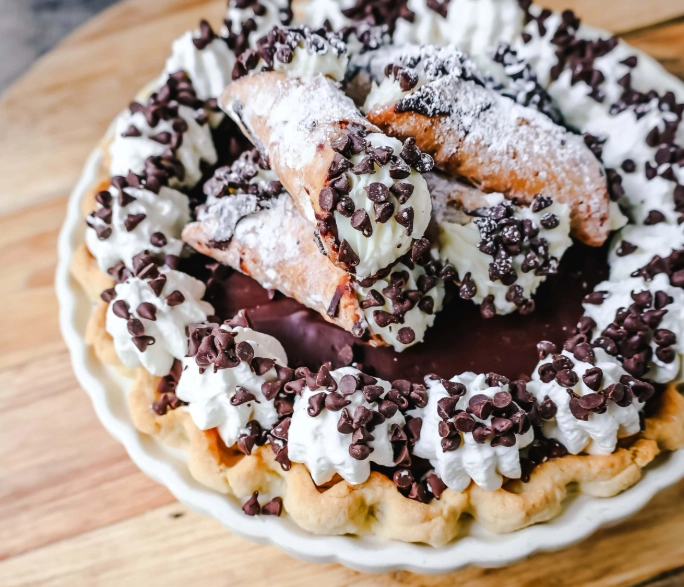
How to Choose and Enjoy Italian Desserts Like a Local?
Don't just order tiramisu everywhere. Match the dessert to the time and place.
At Breakfast (Colazione): It's acceptable to have something sweet. A cornetto (Italian croissant, plain or filled with jam, cream, or chocolate) with a cappuccino. In Sicily, granita con brioche. In the south, a pasticciotto.
At a Pasticceria: Go in the morning for the freshest selection. Point at what looks good. Many items are sold by weight (al etto). Get a small assortment to try. Always pair with an espresso.
After a Meal: Italians often have just fruit or a small sweet. Affogato, a piece of torta, or a few biscotti with a digestivo (like limoncello or amaro) are common. A full, heavy dessert after a multi-course meal is less typical.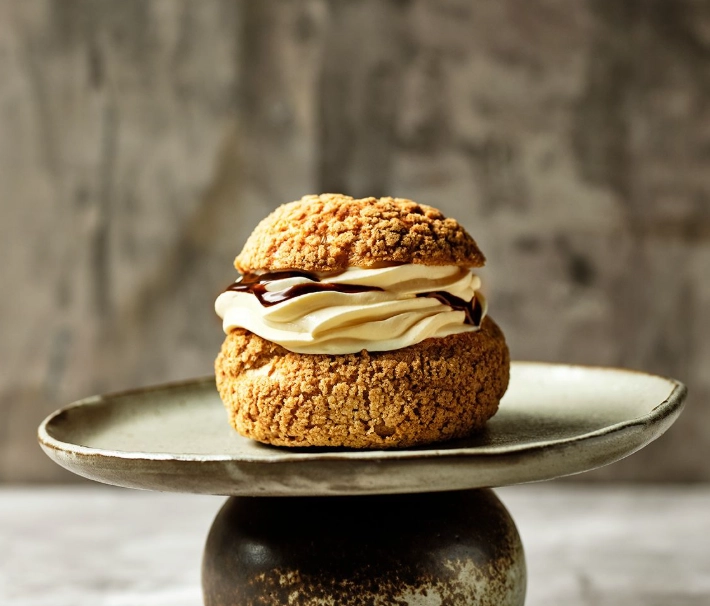
What Are the Biggest Mistakes to Avoid When Making Italian Desserts?
From my own kitchen disasters and watching others:
Overcomplicating Tiramisu: Adding layers of fruit, chocolate sauce, or liqueurs masks the beautiful balance of coffee, mascarpone, and cocoa. Keep it pure.
Using Low-Fat or Substitute Dairy: Italian desserts rely on the richness of mascarpone, ricotta, and cream. Using low-fat versions leads to a watery, bland result. Don't do it.
Not Toasting Nuts: Recipes with pine nuts, almonds, or hazelnuts assume you'll toast them first. This step is non-negotiable for unlocking flavor. I've forgotten, and the difference is night and day.
Rushing the Resting Time Cannoli filling needs time for the flavors to meld. Tiramisu needs hours to set and for the flavors to marry. Gelato needs to "ripen" in the freezer after churning. Patience is part of the recipe.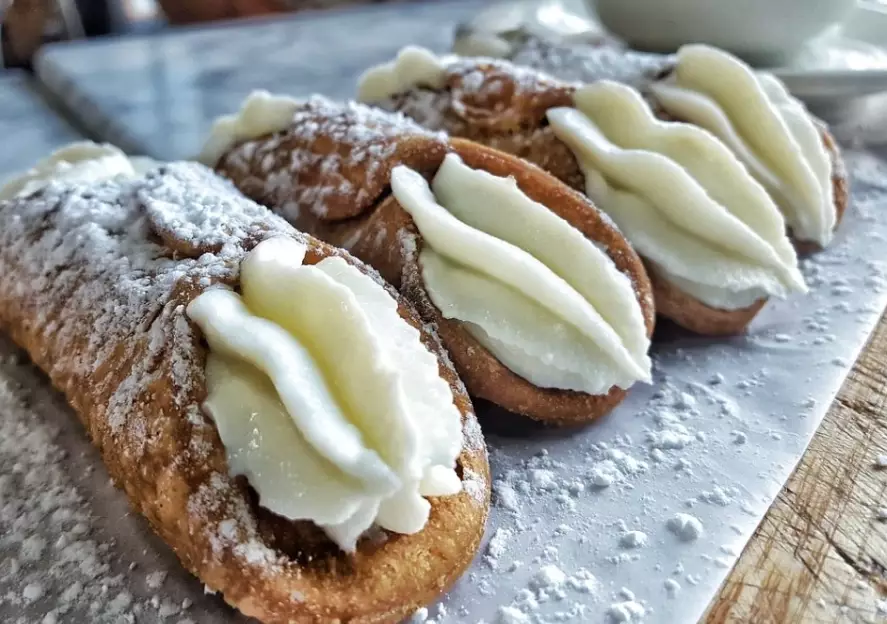
Your Italian Dessert Questions Answered
Is it worth making cannoli shells from scratch, or should I buy them?
If you have the time and a good cannoli tube mold, making them is rewarding and guarantees crispness. But it's a skill—rolling the dough thin enough, frying at the right temperature. For most home cooks, sourcing high-quality, fresh shells from an Italian deli or online specialty retailer is the smarter move. The critical part is filling them right before serving to prevent sogginess.
Why does my homemade panna cotta never have that perfect, silky texture?
The issue is almost always the gelatin. You must "bloom" it in cold water first, then dissolve it completely in warm (not boiling) cream mixture. Any undissolved granules will create rubbery spots. Also, avoid over-chilling; 4-6 hours is usually sufficient. Overnight can sometimes make it too firm.
What's the best Italian dessert for someone who doesn't like overly sweet treats?
Look to the fruit-based and less sugary options. Granita (especially lemon or coffee), a simple fruit sorbetto, castagnaccio (the chestnut cake), or cantucci with Vin Santo (the wine provides the sweetness). Also, dark chocolate gelato (cioccolato fondente) tends to be more bitter and less sweet than its American counterpart.
Can I find good versions of regional Italian desserts outside of Italy?
It depends heavily on the immigrant community. Cities with large Italian-American populations (NYC, Boston, Philadelphia, Chicago) often have excellent bakeries specializing in the classics from their ancestors' regions. For example, you'll find amazing cannoli and sfogliatella in Boston's North End. For more obscure regional sweets, you might need to seek out specialized online shops or, honestly, plan a trip. The quality of ingredients, like specific types of ricotta or chestnut flour, is hard to replicate perfectly.
What's one underrated Italian dessert more people should try?
Seadas from Sardinia. It breaks all the dessert rules. The combination of warm, salty, stretchy sheep's milk cheese inside a crispy fried pastry, all drizzled with bitter, aromatic honey (like corbezzolo) is mind-blowing. It's not a gentle dessert; it's a bold statement of flavor that perfectly represents Sardinia's rugged landscape. Most people outside Italy have never heard of it, which is a shame.
Related Articles
Mastering Homemade Italian Pasta: A Complete Guide to Fresh Pasta Recipes
Simple Italian Vegetarian Recipes: 5 Easy Dishes for Weeknights
Master Italian Meatball Recipes: Secrets from Nonna's Kitchen

The global economy has ushered in a remarkable transformation after the new crow
Authentic Italian Cannoli Recipe: Crispy Shells & Sweet Ricotta Filling