Best Italian Dessert Recipes: Classics & Regional Gems
Let's be honest. When you think of Italian dessert recipes, tiramisu probably pops up first. It's everywhere. But after spending a summer learning from home cooks in Emilia-Romagna and Sicily, I realized the best Italian desserts aren't just a checklist of famous names. They're stories. They're about the texture of a cannolo shell shattering just right, the wobble of a perfectly set panna cotta, and the regional secrets you won't find on most restaurant menus. The magic lies in the details everyone glosses over.
This isn't another generic list. We're diving into the classics with a critical eye—pointing out where most recipes go wrong—and then venturing off the map to uncover gems that deserve your oven time. Forget dry, overly sweet versions. We're aiming for authenticity you can taste.
Your Sweet Journey Awaits
The Unbeatable Trio: Mastering the Classics
You have to walk before you run. These three form the bedrock. But a standard recipe will only get you 70% there. Here's how to nail the other 30%.
Tiramisu: The Coffee-Soaked Benchmark
The biggest mistake? Soggy ladyfingers. Most recipes just say "dip quickly." That's useless. The window is about 1.5 seconds per side—just enough to absorb the strong, cold espresso (never hot, it turns them to mush) but retain a slight core of crunch. Use a wide, shallow dish for your coffee dip to control the process.
And the mascarpone mixture? If it's runny, you probably over-whipped it or added warm ingredients. Everything must be cold. The eggs (use only the yolks for a richer, traditional texture) and sugar are gently heated over a bain-marie (a double boiler) just to pasteurize them, then whipped until pale and thick. Let this cool completely before folding in the cold mascarpone. Rushing this step is the #1 reason for a loose, soupy tiramisu.
Cannoli: The Crisp Tube of Joy
Store-bought shells are a crime. They're stale and often taste like cardboard. Making the shells is easier than you think, but the devil's in the dough. You need a sturdy, not-too-sweet dough with a splash of vinegar or wine (this inhibits gluten, keeping it tender) and a cannoli tube mold. Fry them in 375°F (190°C) oil until golden and blistered.
Now, the filling. Ricotta. Don't even think about the grainy, wet stuff from a tub. You need whole-milk ricotta, drained overnight in a cheesecloth-lined sieve in the fridge. This is non-negotiable. Beat it smooth with powdered sugar, a hint of vanilla, and mini chocolate chips. Fill the shells only right before serving, or they lose their signature crackle.
Panna Cotta: The Deceptively Simple Elegance
"Cooked cream." Sounds simple. Yet, so many end up with a rubbery, gelatinous blob or a sad, loose puddle. The issue is almost always gelatin. Too much, and it's bouncy; too little, and it won't set. A perfect ratio is about 2.5 grams of powdered gelatin (one standard packet in the US) per 500ml (about 2 cups) of dairy.
Here's the trick no one tells you: Bloom the gelatin in cold liquid (milk or a bit of cream), then dissolve it over very low heat. Never let it boil vigorously. The flavor should be subtle—real vanilla bean is worth it here. And let it set slowly in the fridge for at least 6 hours, preferably overnight. I had a panna cotta in Rome once that was so firm it bounced on the plate. It was terrible. Aim for a gentle, creamy wobble.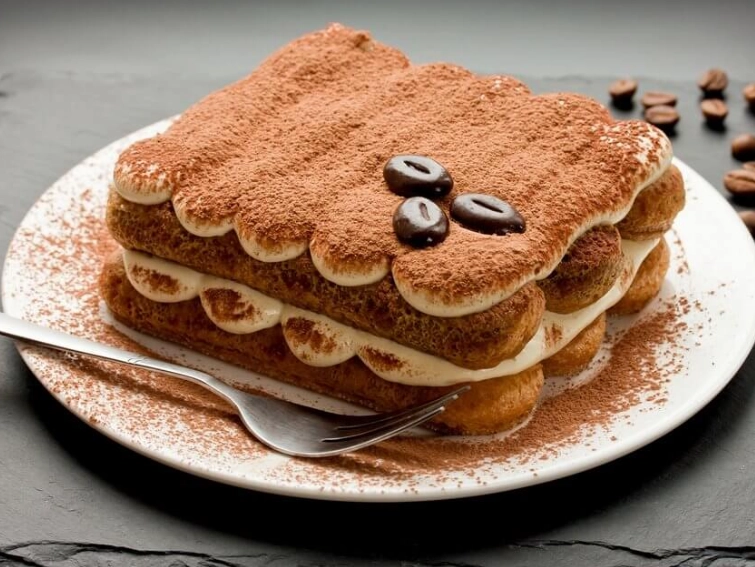
| Dessert | Key Ingredient (Don't Compromise) | Most Common Pitfall | Pro Tip for Texture |
|---|---|---|---|
| Tiramisu | Fresh, cold mascarpone cheese | Soggy ladyfinger base | Dip ladyfingers 1.5 seconds/side in cold espresso. |
| Cannoli | Whole-milk ricotta, drained overnight | Soggy or stale shells | Fill shells immediately before serving. |
| Panna Cotta | Heavy cream (at least 35% fat) | Rubbery or loose consistency | Use 2.5g gelatin per 500ml dairy; never boil. |
Regional Treasures You Need to Try
Italy's real dessert magic is hyper-local. These are the recipes that make Italians argue passionately about whose nonna makes it best.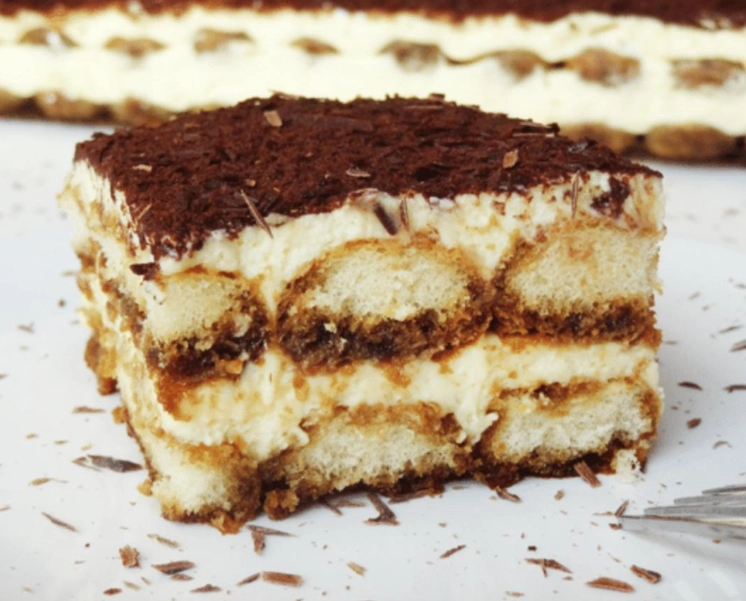
Sicilian Cassata: This isn't the neon-green slice you might see. A true cassata Siciliana is a round sponge cake soaked in liqueur, layered with sweetened ricotta (again, drained!), candied fruit, and encased in a stunning shell of green marzipan. It's a project, but the balance of moist cake, rich filling, and almond paste is unreal. Most versions outside Sicily are far too sweet and artificial.
Neapolitan Pastiera: A Easter specialty from Naples that deserves year-round attention. It's a wheat berry and ricotta tart perfumed with orange blossom water. The cooked wheat berries give it a unique, pleasantly chewy texture. Finding the right orange blossom water (not too potent) is key. A good recipe from a source like Giallo Zafferano (Italy's leading cooking site) is your best bet here.
Piemonte's Bonet: Imagine a cross between flan and chocolate pudding, amped up with amaretti cookies and rum. It's baked in a water bath, resulting in an incredibly smooth, dense texture. The crushed amaretti cookies thicken it and give a subtle almond crunch. It's comfort food in a cup, and almost unknown outside its region.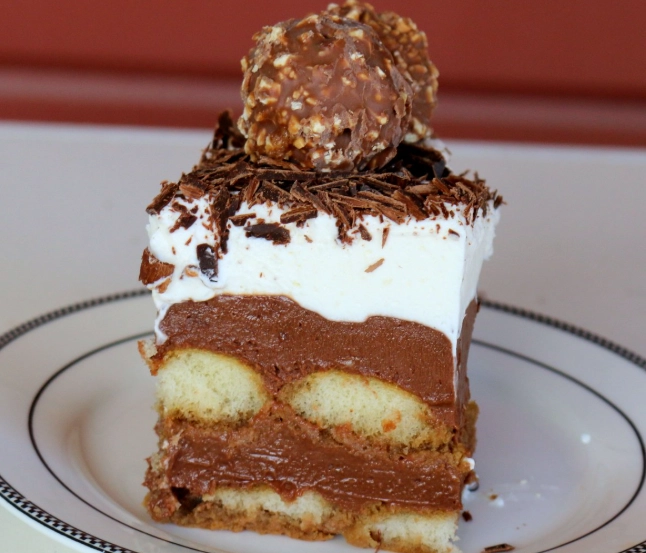
Where to Find Authentic Recipes: For true regional specialties, skip generic international sites. Look for Italian-language blogs or trusted English translators like Giallo Zafferano or recipes curated by organizations like Academia Barilla, which focus on traditional methods.
The Non-Negotiable Tips & Tools
Good ingredients are a start, but technique is everything.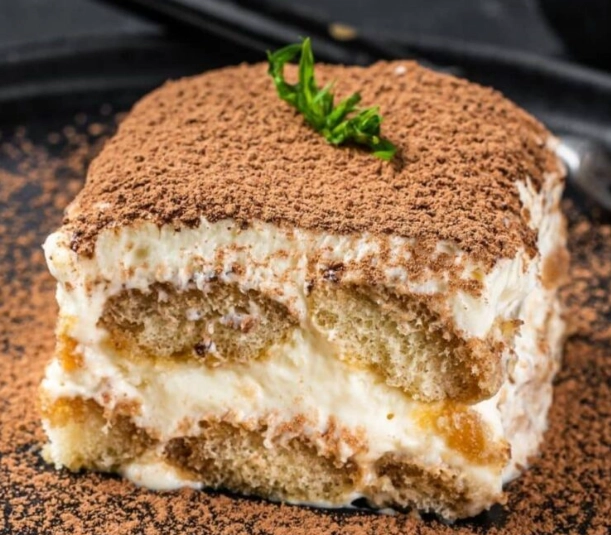
Room Temperature is a Myth (Mostly). For creams, mascarpone, and butter in certain doughs, cold is your friend. It helps maintain structure. The "room temp" rule really only applies to eggs for whipping into sponges.
Weigh Your Ingredients. A cup of flour can vary by 20%. For consistent results, especially in delicate doughs, a digital kitchen scale is the best $20 you'll spend. European recipes (including the best Italian ones) use grams for a reason.
Your Palate is the Final Judge. Italian desserts are often less sweet than their American counterparts. Taste your ricotta filling or pastry cream before assembling. You can always add a touch more sugar, but you can't take it out.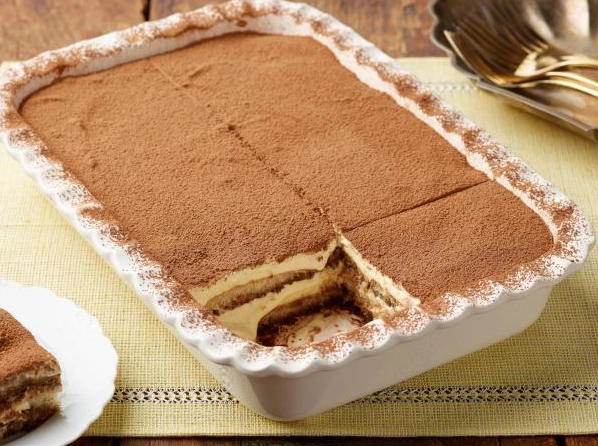
A Word on "Authenticity": Recipes evolve. The tiramisu served in Treviso today isn't the same as 50 years ago. Don't get dogmatic. The goal is to capture the spirit—balanced flavors, great texture, and joy in sharing. If you prefer a slightly less sweet version, that's okay. You're cooking for your table, not a museum.
Your Burning Questions, Answered
Related Articles

Sausage Dinner Ideas: What Meals Can I Make with Sausages?
Homemade Italian Ice Recipe: Smooth, Grain-Free & Authentic

Rescue the market requires real money, not IPO suspension
Authentic Italian Dessert Recipes: Easy Tiramisu, Cannoli & More

Performance exploded! Sungrow Power Supply made a huge profit of tens of billion