Italian Seasoning Without Marjoram: A Complete Recipe & Guide
You're ready to make your own Italian seasoning. You've got the jars lined up, but there's a problem: no marjoram. Maybe you're allergic, maybe your local store is out, or perhaps you just don't like its particular sweet-pine flavor. Here's the good news: you can absolutely create a robust, authentic-tasting Italian herb blend without it. In fact, skipping marjoram might even lead you to a blend you prefer. This isn't about making a "lesser" version; it's about building a balanced, versatile seasoning from the ground up, tailored to what you have and love.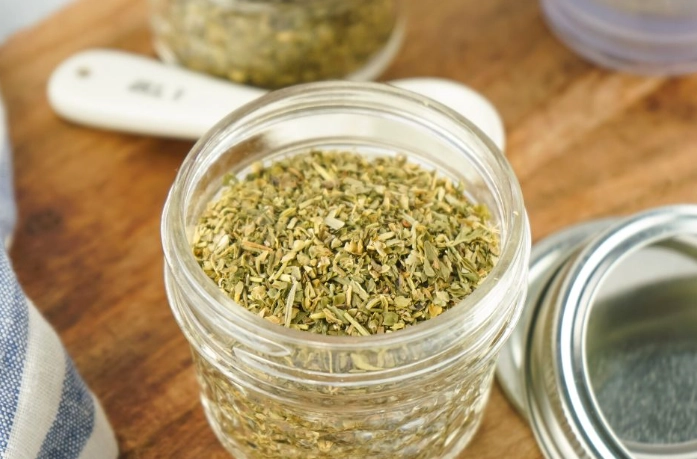
What’s Inside This Guide
Why You Might Skip Marjoram (It's Not Just About Allergy)
Marjoram is a classic component, a cousin to oregano with a milder, sweeter, and slightly floral note. But its absence isn't a disaster. It's an opportunity. I've found many home cooks treat pre-mixed blends as gospel, afraid to deviate. That's the first mistake. Italian seasoning is a concept, not a patented formula.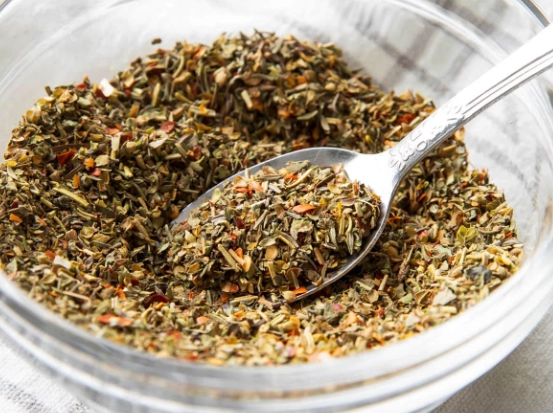
Let's talk about flavor. If you remove marjoram, you're primarily removing that gentle sweetness. The blend can risk leaning too heavily into the earthy, pungent notes of oregano and the sharpness of basil. The goal, then, is to reintroduce balance through other means. Think about why you're omitting it.
For those with a marjoram allergy (it's in the mint family, alongside oregano and basil), the concern is finding safe substitutes that don't trigger a reaction while mimicking the intended role in the flavor orchestra. For everyone else, it's about crafting a taste you genuinely enjoy more.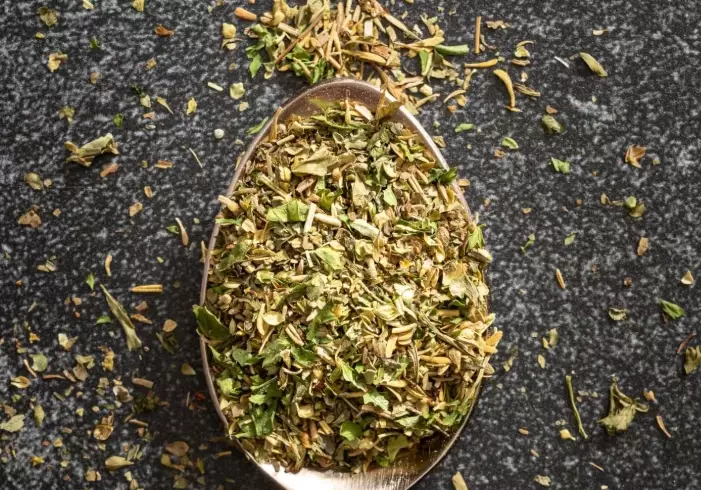
The Core No-Marjoram Italian Seasoning Recipe
This is my workhorse recipe, developed after years of tweaking. It uses common dried herbs and creates a balanced, multi-purpose blend. The key is the ratio. Too much oregano, and it tastes like pizza shop floor sweepings. Too much basil, and it gets dusty. This ratio works.
The Classic Proportions
Gather your dried herbs. The quality here is non-negotiable. Open each jar and smell them. If they don't smell like much, they won't taste like much. Old, stale herbs are the number one reason homemade blends fail.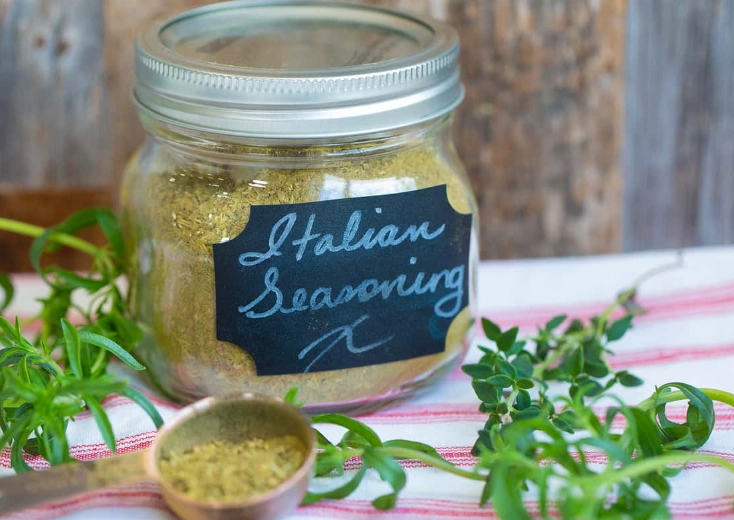
| Herb | Proportion (Parts) | Role in the Blend |
|---|---|---|
| Dried Oregano | 3 | The backbone. Provides earthy, pungent depth. Use Greek or Mediterranean oregano for best flavor. |
| Dried Basil | 3 | The bright, sweet, slightly peppery note. Balances oregano's bitterness. |
| Dried Thyme | 2 | The secret weapon. Adds a subtle, savory complexity and a touch of warmth that often compensates for marjoram's absence beautifully. |
| Dried Rosemary (crushed) | 1 | The piney, sharp accent. Use sparingly and ensure it's finely crushed, or it can be woody. |
| Dried Sage (rubbed) | 1 | Optional, but recommended. A tiny bit adds a warm, savory, almost peppery layer that rounds things out. Don't overdo it. |
| Red Pepper Flakes (optional) | 1/2 | For a hint of heat. Completely customizable. |
| Garlic Powder & Onion Powder | 1 each (optional) | Not traditional in some purist blends, but they add an instant savory base that makes the blend ready-to-use. |
How to Make It: The Process Matters
Measure all your herbs according to the parts ratio above. A "part" can be a tablespoon, a quarter cup—whatever scales for your needs. Combine them in a bowl.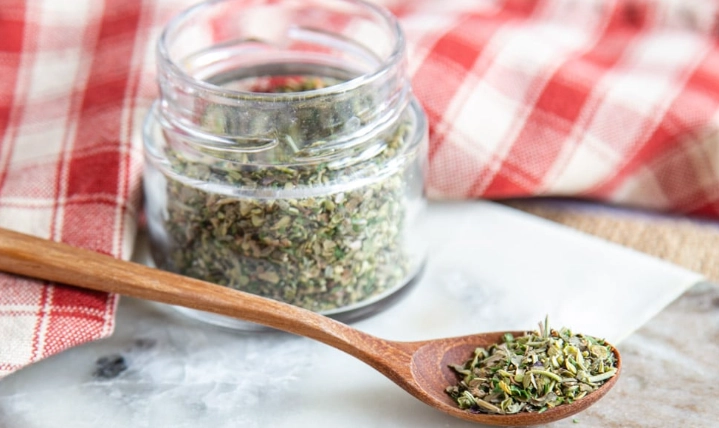
Now, here's the step most recipes skip: crush and wake the herbs. Don't just stir. Use your fingers to gently rub the mixture between your thumb and fingers for 30 seconds. You're not making powder; you're releasing the essential oils trapped in the dried leaves. You'll smell the difference immediately—the aroma will become vibrant and combined, not just separate notes in a jar.
Transfer to an airtight jar. A mason jar is perfect. Label it with the date. Store it away from light and heat. That's it.
How to Use Your Homemade Italian Seasoning Blend
This is where your custom blend shines. Because you control the salt and additives (commercial blends often have salt, anti-caking agents, and less-than-ideal herbs), you can be more generous.
- For a Quick Pasta Sauce: Sauté a minced garlic clove in olive oil for 30 seconds until fragrant (not brown!). Add a can of crushed tomatoes, 2 heaping teaspoons of your blend, and a pinch of sugar. Simmer for 15 minutes. Taste. The flavor is clean and direct.
- On Roasted Vegetables: Toss chopped zucchini, bell peppers, and red onion with olive oil and 1 tablespoon of your seasoning. Roast at 425°F (220°C) until caramelized. The thyme and rosemary really pop here.
- For the Ultimate Garlic Bread: Mix 4 tablespoons of softened butter with 1 teaspoon of your seasoning and 1 minced garlic clove. Spread on split bread, wrap in foil, and bake.
- In Meatballs or Meatloaf: Add 1.5 tablespoons per pound of ground meat (beef, pork, turkey) along with your breadcrumbs and egg. It binds and flavors perfectly.
The beauty of a salt-free blend is you season with salt separately, giving you total control over the final dish's saltiness.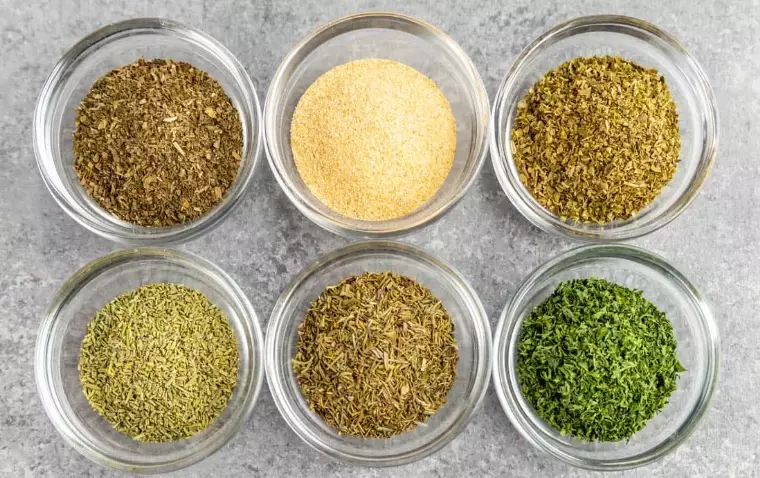
Expert Tips & Storage: Keeping Your Herbs Vibrant
Your homemade Italian seasoning will be at its peak for about 3-4 months. After that, the flavors slowly fade. To maximize shelf life:
Always use completely dry utensils to scoop it out. Any moisture introduces mold.
Store in a dark cupboard, not on the counter next to the stove. Heat and light are flavor killers. The USDA's FoodKeeper app suggests dried herbs and spices are best kept in cool, dark places for optimal quality, though they don't specify exact timelines for blends.
Consider making smaller batches more frequently. A half-cup batch lasts my two-person household a couple of months with regular use. It's fresher, and you can tweak the next batch based on what you liked or didn't like about this one. Maybe next time, you add a bit of fennel seed for a sausage-like note, or some dried lemon peel for brightness.
Your Italian Seasoning Questions, Answered
I'm making a big batch of tomato sauce for canning. Will this no-marjoram blend hold up during the long processing time?
It holds up better than fresh herbs, but the flavor will mellow. For canning, I recommend using the dried blend at the beginning of your sauce's simmer (not just before canning) to allow the flavors to fully integrate and soften. Consider a slightly heavier hand—maybe an extra 1/2 teaspoon per quart. The robust oregano and thyme base stands up to long cooking quite well.
Can I use fresh herbs instead of dried to make a small, immediate-use batch?
Absolutely, but it's a different product. The flavor will be brighter and more volatile. Use three times the amount of fresh herbs compared to dried (e.g., 3 parts fresh oregano instead of 1 part dried). Chop everything finely and mix. Use it immediately or within a day or two, as it will wilt. It's perfect for mixing into softened butter for steak or tossing with warm, just-cooked pasta.
What's the best single herb to add if I only have one and want an "Italian" flavor on chicken?
Skip the idea of a single herb mimicking a blend. Instead, go straight for dried thyme or oregano. Pound a chicken breast thin, drizzle with oil, and press a generous amount of either herb onto both sides with some salt and garlic powder. Pan-fry. Thyme gives a more rustic, French-ish vibe; oregano is unmistakably Mediterranean. Both work because they're strong, primary flavors in the original blend.
If I'm also allergic to oregano, what's a safe, flavorful base for my Italian-style blend?
This requires a bigger pivot. Use dried basil as your new primary herb (4 parts). Boost savory depth with thyme (3 parts) and a tiny bit of rubbed sage (1/2 part). For the missing pungency, add a very small amount of ground black pepper and a pinch of sumac (if available) for tang. It won't taste like standard Italian seasoning, but it will be a delicious, savory, allergy-friendly herbal mix for similar applications.
Related Articles
Easy Italian Wedding Soup Recipe (Authentic Flavor, Simple Steps)
Simple Italian Sausage Recipes for Dinner: Easy & Flavorful Family Meals
5 Traditional Italian Dishes: Authentic Recipes & Where to Try Them
Hearty Italian Sausage Soup Recipe: Easy & Flavorful Comfort Food

The Ultimate Italian Sandwich Recipe: A Step-by-Step Guide
Easy Crusty Italian Bread Recipe: Homemade Ciabatta & Focaccia
Top 10 Italian Dinner Dishes: A Curated Guide for Authentic Meals

The global economy has ushered in a remarkable transformation after the new crow

Tesla VS BYD: A new wave of insurance for electric car giants
Master Classic Italian Dishes: Recipes & Secrets from Pasta to Tiramisu
Authentic Italian Chicken Breast Recipes: Fast, Healthy & Flavorful Dinners

Best Italian Sausage Pasta Recipes: Easy, Creamy & Spicy Ideas
Ultimate Braciole Recipe: Authentic Italian Beef Rolls in Tomato Sauce
Easy Italian Appetizers: Simple Recipes & Party Platters
Authentic Italian Pasta Recipes: From Carbonara to Pesto
Italian Vinaigrette vs Italian Dressing: The Real Difference Explained

The Most Popular Cocktail in Italy: A Deep Dive into the Aperol Spritz
Mastering Homemade Italian Pasta: A Complete Guide to Fresh Pasta Recipes

Simple Italian Holiday Dinner Recipes: Effortless & Authentic Feasts
Perfect Homemade Italian Gnocchi Recipe: Light & Fluffy
Master the Classics: The Best Italian Recipes You Need to Know

With an increase of nearly 300%, the leader of "flying cars" took off, fearless
Authentic Italian Beef Recipe: Slow-Cooked Chicago-Style Sandwiches

Authentic Italian Holiday Dinner Recipes for a Festive Feast

The largest IPO in the A-share market in 13 years has been terminated, and it wa

Performance exploded! Sungrow Power Supply made a huge profit of tens of billion
Authentic Italian Family Meal Recipes: From Antipasti to Dolce

Ultimate Italian Sliders Recipe: Party-Perfect and Irresistible

Still have to rely on Zhengzhou Foxconn? The truth about the swing between Apple
Leave a Comment