Master the Italian Seasoning Ratio: A Chef's Guide to Perfect Blends
I remember the first time I tried to make my own Italian seasoning. I just grabbed handfuls of dried oregano, basil, and thyme from the bulk bins, mixed them in a jar, and felt pretty proud. Then I used it on a chicken dish. Something was off. It tasted harsh, one-note, and nothing like the warm, aromatic flavor I loved from my favorite Italian restaurant. That's when I realized it wasn't about the herbs themselves—it was about the Italian seasoning ratio. Getting those proportions wrong is the difference between a flat, bitter dust and a complex, harmonious blend that makes your kitchen smell like a Tuscan trattoria.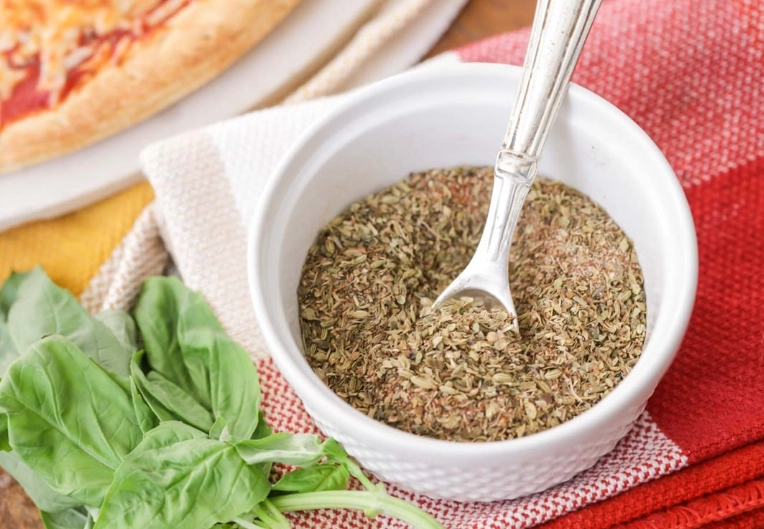
Most store-bought blends are a letdown. They're often heavy on cheap fillers like dried parsley and use low-quality, stale herbs that lost their soul (and their oil) years ago. Making your own isn't just cheaper; it's a total flavor upgrade. But to do it right, you need a blueprint. A map. You need to understand the why behind the how much.
What's Inside: Your Quick Guide
Why Getting the Italian Seasoning Ratio Right is a Game Changer
Think of your spice blend like a band. If every instrument is playing at the same volume, it's just noise. You need a lead, some solid backing, and subtle accents. Italian seasoning works the same way.
Oregano is often the lead—robust, slightly peppery, a bit pungent. But let it dominate, and it overpowers everything, leaving a medicinal aftertaste. Basil provides sweet, floral notes, the essential backing vocalist. Rosemary and thyme are your accent instruments, adding piney and earthy depth. Marjoram is the secret harmony, a smoother cousin to oregano that rounds out the edges. Get the balance wrong, and one note shouts down the rest.
A study on herb synergy from the Flavor Science research community (you can search for "herb flavor synergy studies") suggests that certain compounds in herbs can enhance or mute each other. The right Italian herb blend recipe leverages this. It's not magic; it's culinary science.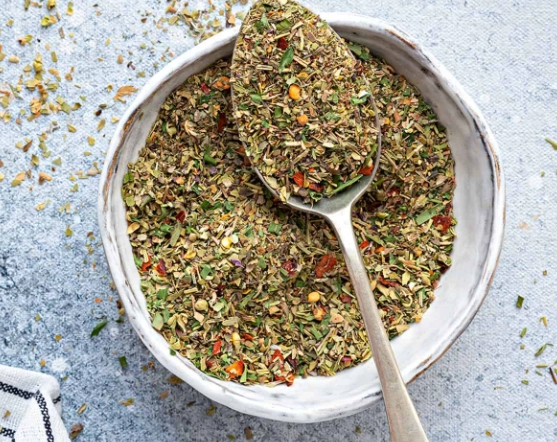
The Classic Italian Seasoning Ratio Blueprint
After testing dozens of variations—and ruining a few pots of sauce in the process—this is the foundational homemade Italian seasoning ratio I always come back to. It's balanced, versatile, and works as a brilliant starting point for almost everything.
I measure by volume (like tablespoons) for simplicity, but weighing gives you ultimate precision. The key is using the same measure for all parts.
| Herb | Ratio (Parts) | Role in the Blend | Flavor Profile |
|---|---|---|---|
| Dried Oregano | 3 | The Foundation | Pungent, earthy, slightly bitter |
| Dried Basil | 3 | The Sweet Balance | Sweet, floral, slightly minty |
| Dried Marjoram | 2 | The Smooth Harmonizer | Sweet, delicate, citrus-pine |
| Dried Thyme | 2 | The Earthy Depth | Earthy, slightly minty, lemony |
| Dried Rosemary | 1 | The Pungent Accent | Piney, sharp, resinous |
| Red Pepper Flakes (Optional) | ½ | The Heat Kick | Spicy, fruity heat |
What this means in practice: For a small batch, use tablespoons: 3 tbsp oregano, 3 tbsp basil, 2 tbsp marjoram, 2 tbsp thyme, 1 tbsp rosemary. For a large batch, use cups. The relationship stays the same.
Understanding Each Herb's Role: It's More Than Just Flavor
To truly master the Italian seasoning ratio, you need to know your players. Here’s a deeper dive.
Oregano vs. Marjoram: The Critical Pair
This is where most blends fail. They use oregano as a blunt instrument. Marjoram is oregano's sweeter, more delicate sibling. Using them together in a 3:2 ratio (as in our blueprint) creates a sophisticated, rounded base. The oregano gives punch, the marjoram softens it. Skip the marjoram, and your blend will taste harsher, less complex.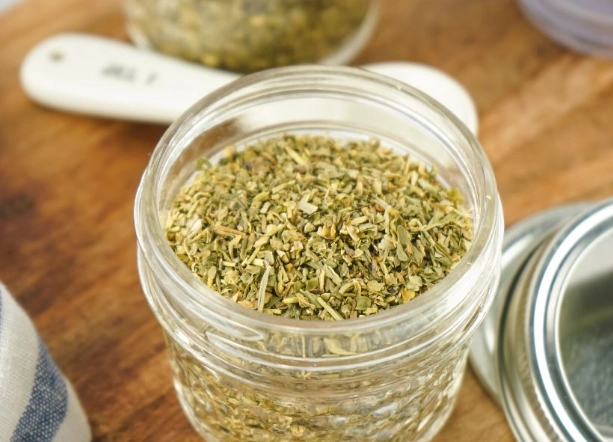
Basil: The Non-Negotiable Sweetness
Dried basil loses a lot of its fresh magic, but it retains a crucial sweet, anise-like quality. It directly counters the potential bitterness of oregano. Never let your oregano proportion exceed your basil. They are partners.
Thyme and Rosemary: Use Sparingly, But Use Them
Thyme adds a lovely, earthy undertone. Rosemary is powerful—it's the herb you notice in a single bite. That's why it gets only 1 part. Too much rosemary makes your entire dish taste like rosemary, not like Italian seasoning. Think of it as seasoning the blend itself.
How to Adjust Your Italian Seasoning Ratio for Specific Dishes
The classic ratio is your all-purpose workhorse. But you're the chef. Tweak it.
For Pizza & Focaccia: Boost the oregano. Try a 4:3:2:2:1 ratio (oregano:basil:marjoram:thyme:rosemary). The robust oregano stands up to baking and tangy tomato sauce. A pinch of fennel seeds (crushed) is a fantastic addition here.
For Roasted or Grilled Meats (Chicken, Lamb, Pork): Emphasize the woody herbs. Try a 2:2:2:3:2 ratio. More thyme and rosemary complement the savory, caramelized flavors of meat beautifully. Add a teaspoon of granulated garlic to this mix.
For Tomato-Based Pasta Sauces & Soups: Go heavy on the sweet herbs. A 3:4:3:2:1 ratio works wonders. The extra basil and marjoram melt into the long-cooked sauce, creating a sweet, aromatic backbone without bitterness.
For a Vibrant, Salad-Friendly Blend: Use the classic ratio but add 1 part dried lemon zest and ½ part dried parsley. It brightens everything up.
3 Common Italian Seasoning Ratio Mistakes (And the Expert Fix)
Mistake 2: Ignoring the quality of individual herbs. Your blend is only as good as its weakest link. If your oregano is three years old and smells like dust, your blend will too. Buy small quantities from a store with high turnover, or better yet, from a dedicated spice merchant. Smell them before you buy. They should be fragrant, not just colorful.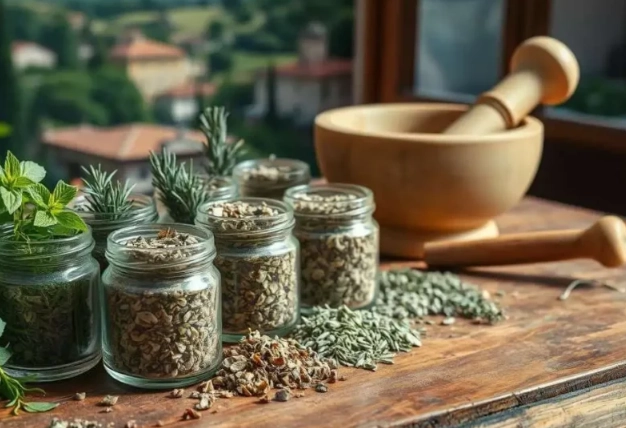
Mistake 3: Grinding everything into a fine powder. You want a coarse mix, not dust. Powdered herbs lose their volatile oils instantly and can become bitter. A coarse blend releases flavor gradually during cooking. Use a mortar and pestle for a gentle crush, or just mix them whole in a jar.
Storage is part of the ratio game, too. A perfect blend ruined by a sunny windowsill is a tragedy. Keep it in a dark, cool cupboard in an airtight jar. The U.S. Department of Agriculture recommends storing dried herbs away from heat and light to preserve flavor and shelf life. Most homemade blends peak within 3-4 months.
Your Italian Seasoning Ratio Questions, Answered
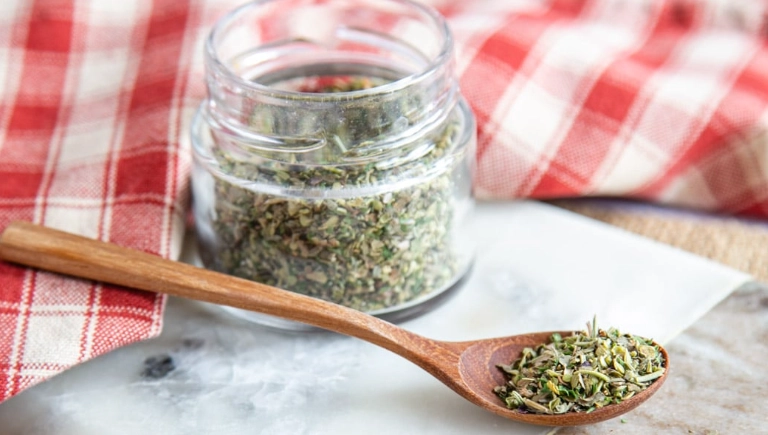

So, grab your jars and measuring spoons. Forget the vague pinches and handfuls. Start with the 3:3:2:2:1 blueprint. Make a batch. Smell it. Then, make it your own. That's the real secret—the perfect Italian seasoning ratio is the one that makes your food taste like home.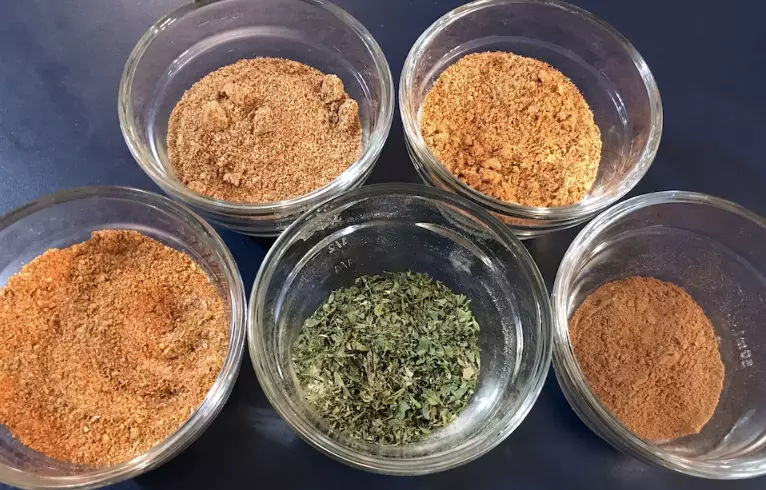
Related Articles
Traditional Italian Baked Ziti Recipe: Authentic Step-by-Step Guide
Ultimate Guide to Italian Meatball Recipes: From Classic to Creative
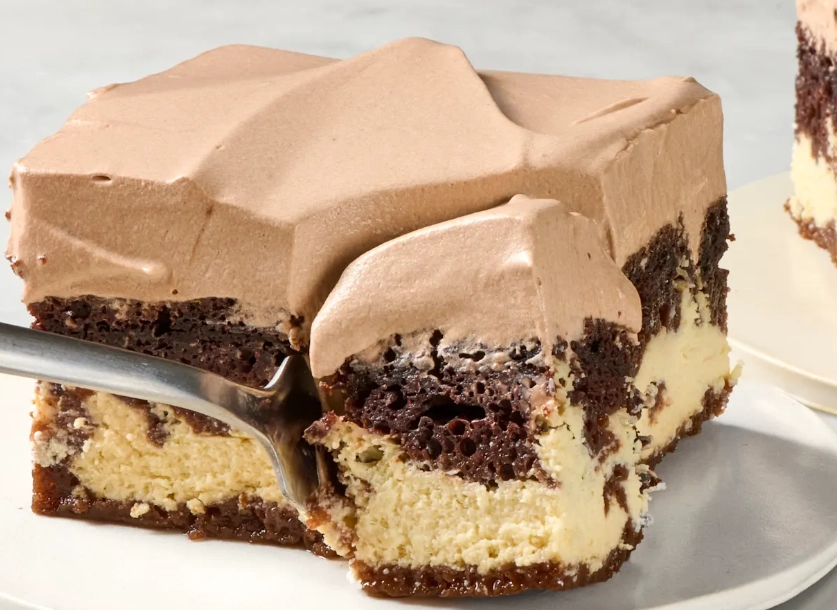
Authentic Italian Love Cake Recipe: The Ultimate 3-Layer Dessert Guide
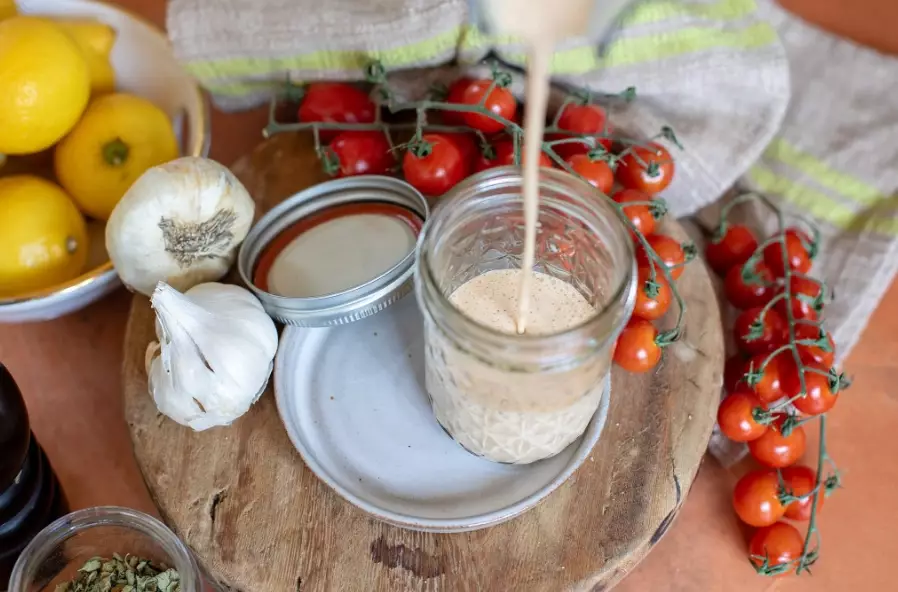
Zesty Italian Dressing Recipe: Easy Homemade Guide
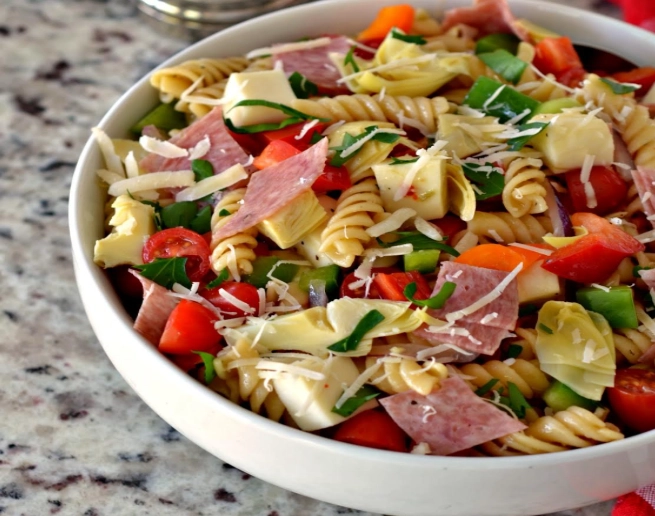
Easy Italian Regional Recipes: Authentic Dishes You Can Actually Make

Simple Italian Cocktail Recipes: Easy Classics & Modern Twists

Authentic Italian Cannoli Recipe: Crispy Shells & Sweet Ricotta Filling
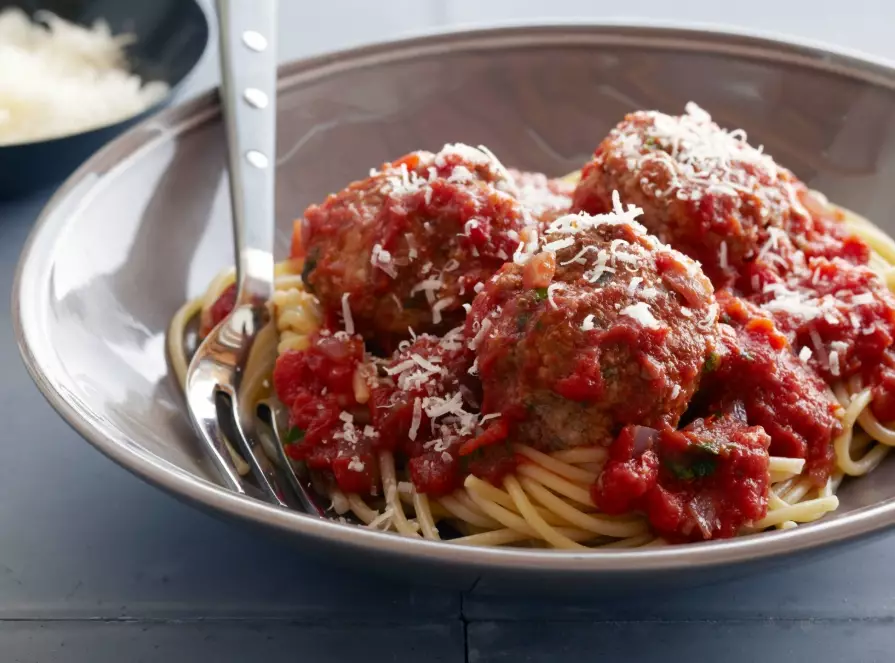
The Ultimate Guide to Authentic Italian Meatballs: A Family Recipe
Authentic Gremolata Recipe: The Simple Italian Condiment That Elevates Any Dish
The Best Pasta Carbonara Recipe: Authentic Roman Secrets Revealed

Ultimate Guide to the Top 10 Italian Desserts You Must Try
Classic Italian Vegetable Dishes: A Guide to Authentic Recipes
Ultimate Guide to Vegetarian Italian Dinner Party Recipes
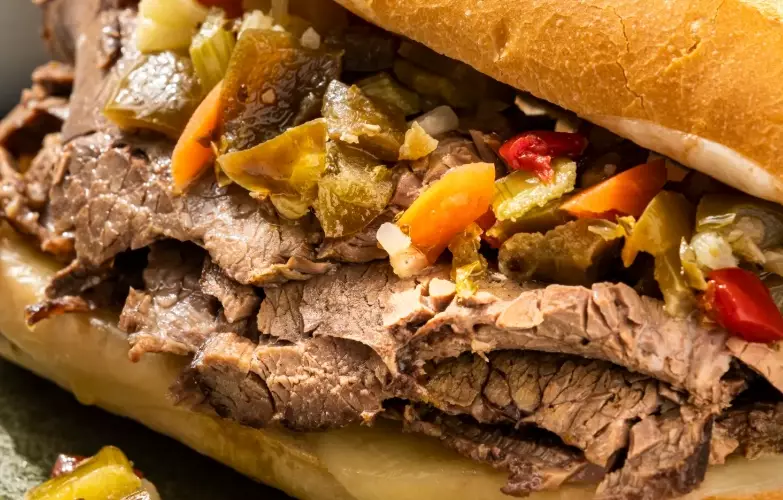
Authentic Italian Beef Recipe: The Ultimate Chicago-Style Sandwich Guide

Classic Italian Bread Recipe: Authentic & Easy Homemade Loaf
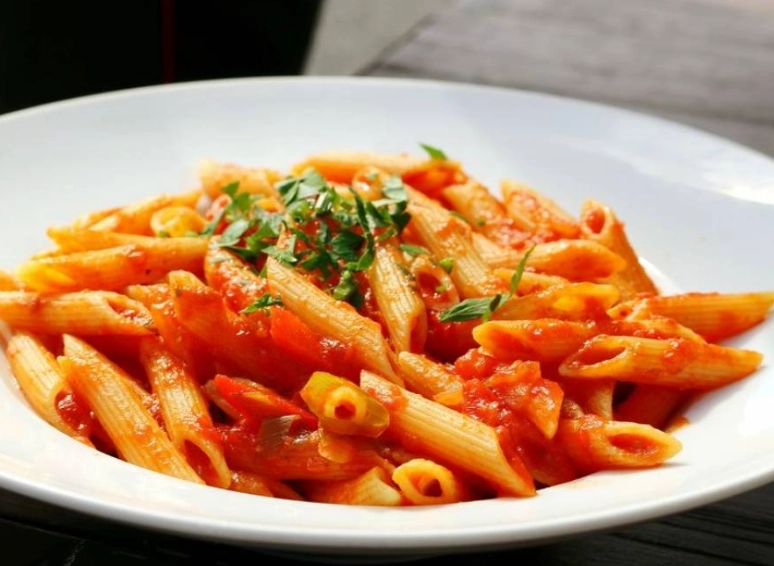
Authentic Italian Pasta Recipes: From Carbonara to Pesto
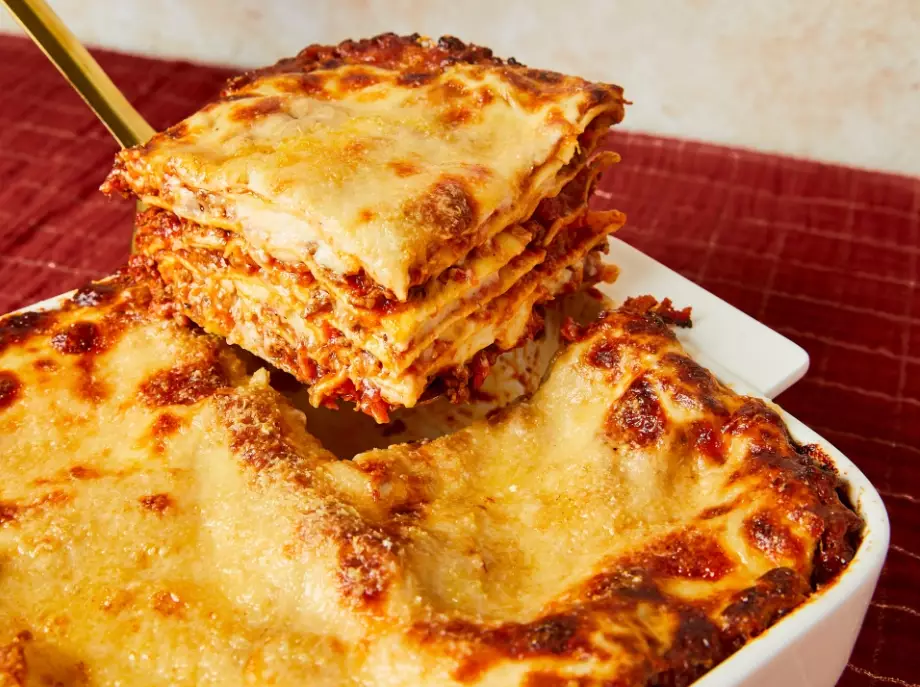
The Ultimate Guide to Making Authentic Italian Lasagna at Home

Ultimate Guide to Italian Sausage Recipes: From Classic to Creative

Unique Italian Cocktails: Beyond the Aperol Spritz

Is Xiaomi Auto dumped?
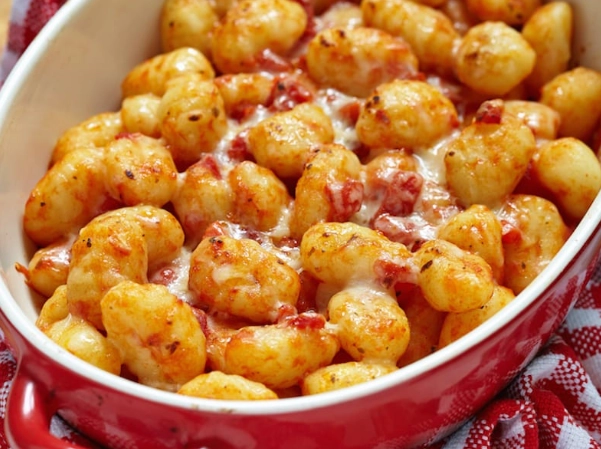
Easy Italian Dinner Recipes You Can Make Tonight
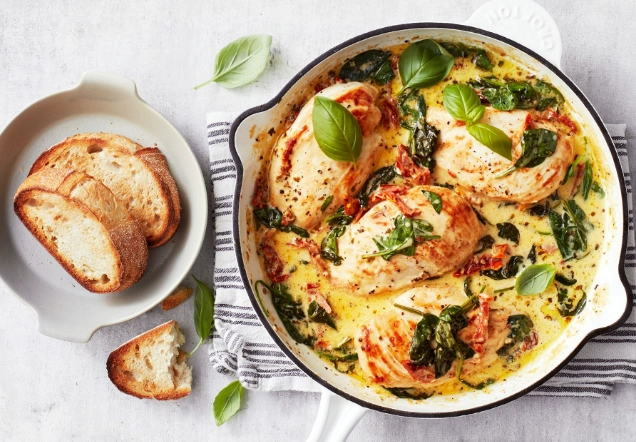
Authentic Italian Dinner Recipes from Regional Cuisines
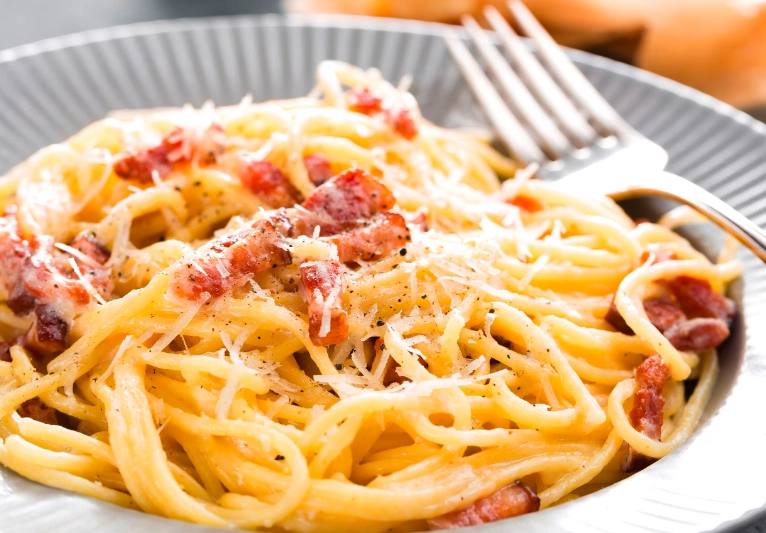
Authentic Carbonara Recipe: Traditional Italian Pasta Without Cream
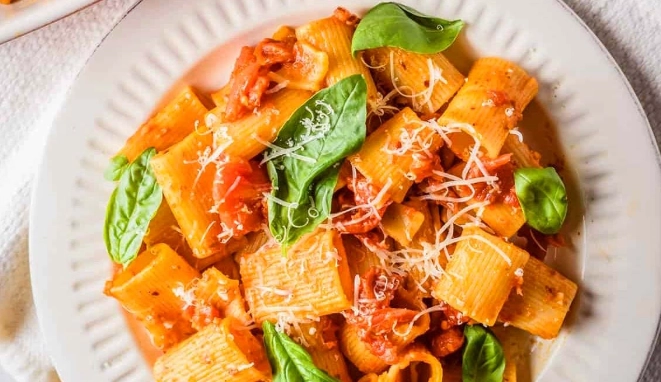
Master Classic Italian Dishes: Recipes & Secrets from Pasta to Tiramisu
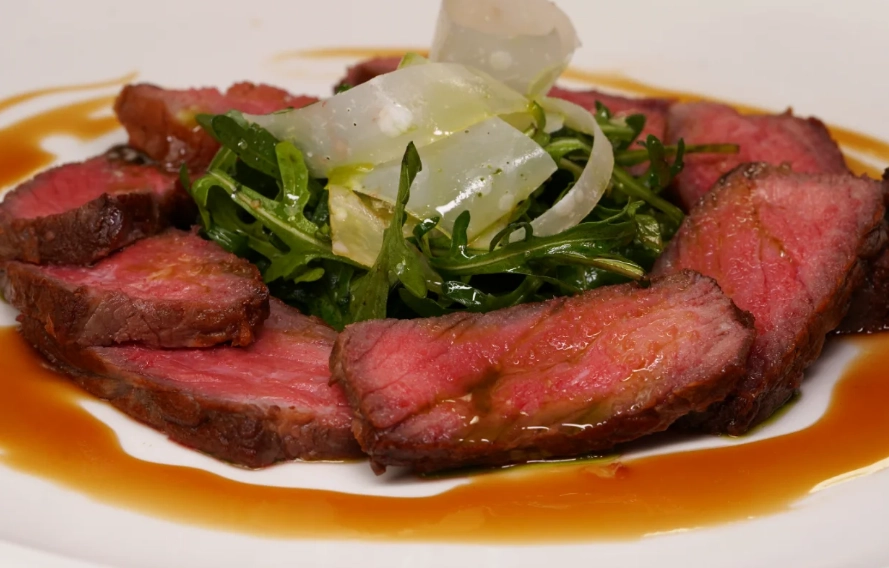
Authentic Italian Steak Recipe: Bistecca alla Fiorentina Guide
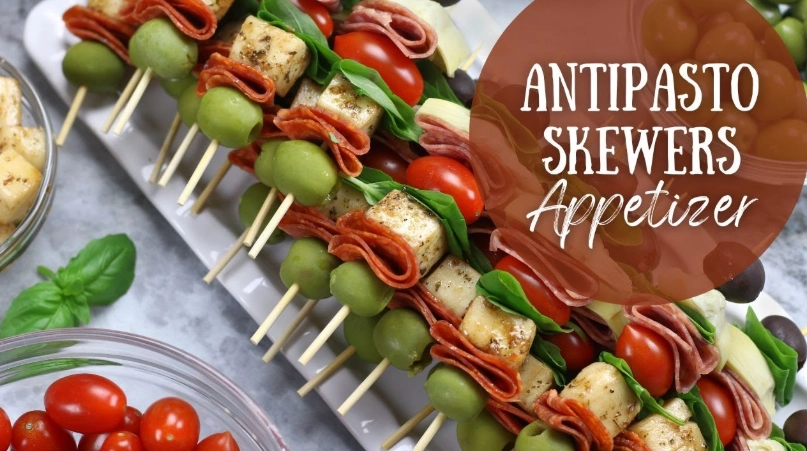
Make-Ahead Italian Appetizers: Stress-Free Recipes & Tips for Any Gathering

Authentic Italian Holiday Dinner Recipes for a Festive Feast
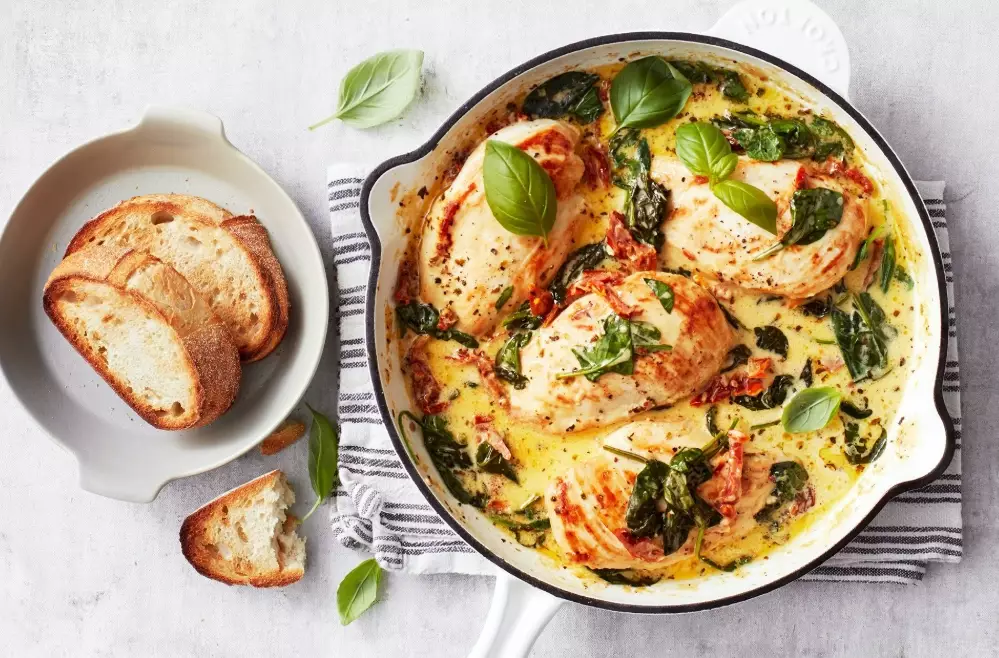
Authentic Italian Chicken Recipes: From Classic Pollo alla Cacciatora to Modern Favorites
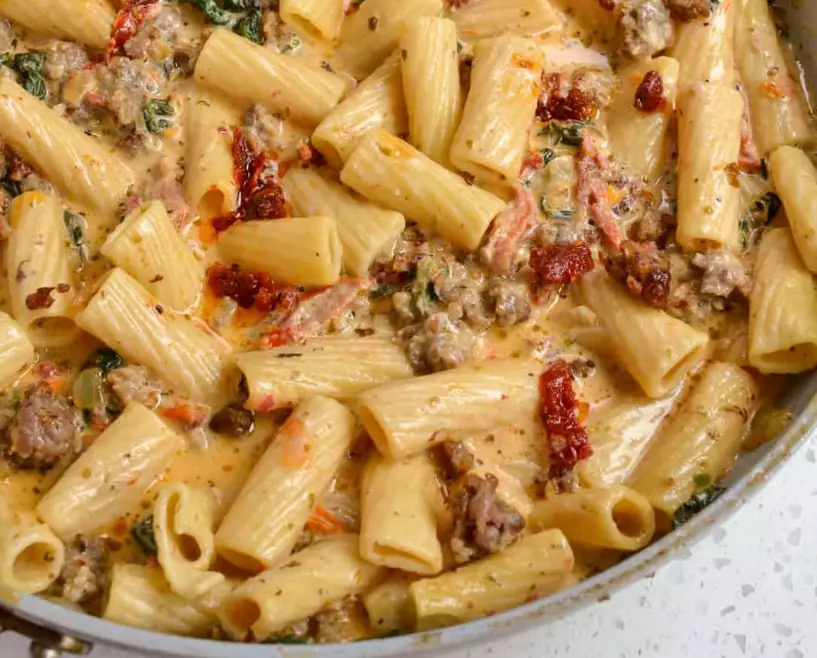
Italian Sausage Recipes: From Classic Pasta to Grilled Skewers

Leave a Comment