Your Complete Guide to Italian Seasoning Substitutes (Flavorful & Easy)
You're halfway through making a big pot of Sunday gravy or seasoning chicken for the grill, and you reach for the Italian seasoning jar. It's empty. We've all been there. The good news? You absolutely do not need to run to the store. With a few common dried herbs, you can make a spot-on Italian seasoning substitute that might even taste better than the pre-mixed stuff. Or, you can pivot to a single herb or a different blend already in your cabinet. This guide walks you through every option, from the ideal homemade mix to clever last-minute swaps, so your dinner is saved and full of flavor.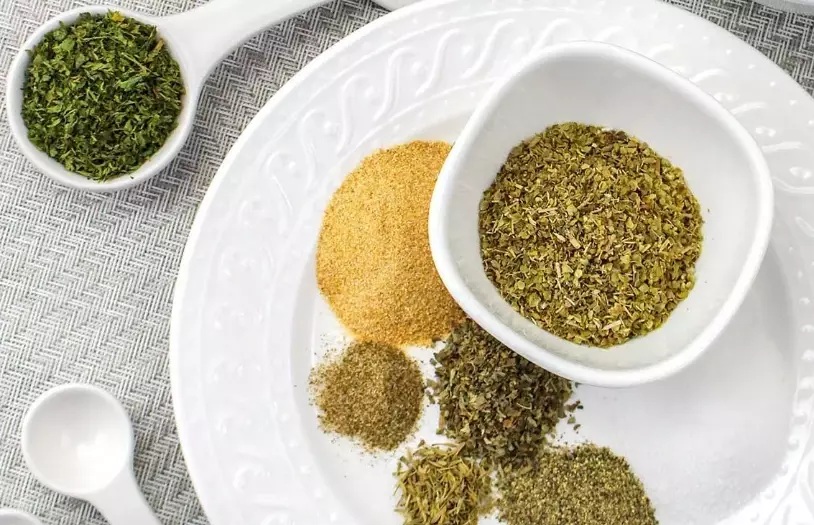
What's Inside This Guide
What Actually Is Italian Seasoning?
Let's start with the target. Commercial Italian seasoning is a dried herb blend. There's no official recipe, but most versions from McCormick or other major brands lean heavily on a core trio: oregano, basil, and marjoram. Thyme, rosemary, and sometimes sage or red pepper flakes fill out the blend. The goal is a versatile, savory, slightly floral mix that screams "Mediterranean." Knowing this baseline is key because your substitute should aim for that same balance—herbaceous, earthy, with a hint of sweetness from the basil and marjoram.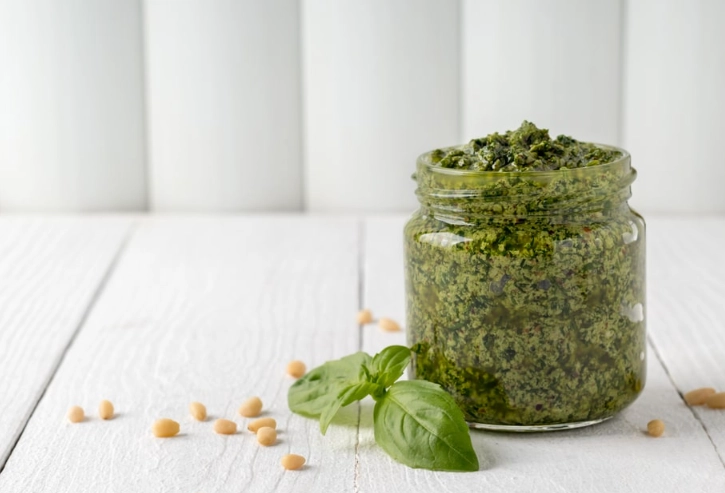
If you only have one of these, you're not out of luck, but the flavor profile will shift. Oregano alone is more pungent and sharp. Basil alone is sweeter and less complex. That's why a blend, even a simple two-herb one, usually works better.
The Best Homemade Italian Seasoning Substitute
This is your gold standard. Making your own blend takes two minutes and lets you control the flavor. I find most store-bought blends are too heavy on the oregano, which can taste dusty. My preferred ratio, tweaked over years, dials back the oregano slightly and boosts the marjoram for a smoother, more aromatic result.
My Go-To Homemade Italian Seasoning Recipe:
Grab a small bowl and mix these dried herbs. The measurements are by volume (like teaspoons).
- 3 parts dried oregano (that's your base)
- 3 parts dried basil (for sweetness)
- 2 parts dried marjoram (the secret for complexity)
- 1 part dried thyme (earthy notes)
- 1 part dried rosemary, finely crushed (piney kick)
- Optional: ½ part crushed red pepper flakes, ½ part dried sage or fennel seeds.
Mix it well. Store it in an old spice jar. Use it 1:1 for any recipe calling for Italian seasoning. I promise, once you try this, you might not go back to the store-bought version.
What if you're missing one component? No marjoram? Double the oregano. No thyme? It's okay, the blend will still work. The core is really the oregano-basil-marjoram trio.
Single Herb & Common Blend Swaps
Maybe you don't have all the separate herbs to make the perfect blend. That's fine. Look in your pantry for these common stand-ins. They won't be identical, but they'll work beautifully in a pinch.
| Substitute | What It Is & Ratio | Best Used For | One Thing to Watch |
|---|---|---|---|
| Dried Oregano | The dominant flavor in most blends. Use it alone at about ¾ the amount of Italian seasoning called for. | Pizza sauce, tomato-based pasta sauces, Greek-inspired dishes. | Can be bitter if overused. Taste as you go. |
| Herbes de Provence | A French blend with thyme, marjoram, rosemary, savory, and often lavender. It's a fantastic cousin. | Use 1:1. Excellent for roasted chicken, vegetables, stews. | The lavender (if present) can be surprising. It works better in savory dishes than you think, but avoid it for a super classic Italian meatball. |
| Poultry Seasoning | Contains sage, thyme, marjoram, rosemary. Often has savory, nutmeg notes. | Use about ½ to ¾ the amount. Great for meatballs, stuffings, seasoning ground meat. | The sage is strong. Don't use this for a delicate lemon-butter sauce. |
| Dried Basil + Dried Thyme | A simple two-herb combo. Use equal parts of each, totaling the amount of Italian seasoning needed. | Marinara sauce, soups, sprinkling on garlic bread. | It will lack the pungency of oregano. Add a tiny pinch of black pepper for depth. |
I used Herbes de Provence once when I was at a vacation rental and it was the only herb blend there. I made a roasted vegetable pasta, and everyone asked for the "secret ingredient." It works.
What About Using Fresh Herbs?
This is where many recipes online give vague advice. Swapping dried for fresh isn't a simple 1:1 swap because fresh herbs have water and a milder, brighter flavor. Dried herbs are concentrated.
The General Rule of Thumb
Use three times the amount of fresh herbs for dried. So, if a recipe needs 1 teaspoon of dried Italian seasoning, you'd use about 1 tablespoon of a fresh herb mix.
How to Make a Fresh Herb Substitute
Finely chop equal parts fresh oregano, basil, and thyme. Rosemary and marjoram are harder to find fresh, so don't worry if you skip them. This fresh mix is phenomenal added at the very end of cooking—stirred into a finished pasta sauce, sprinkled over a cooked pizza, or mixed into meatball meat. If you add it too early, the delicate flavors cook out.
A warning: Fresh basil can turn black if added to very acidic sauces too early. Add it last minute for color and peak flavor.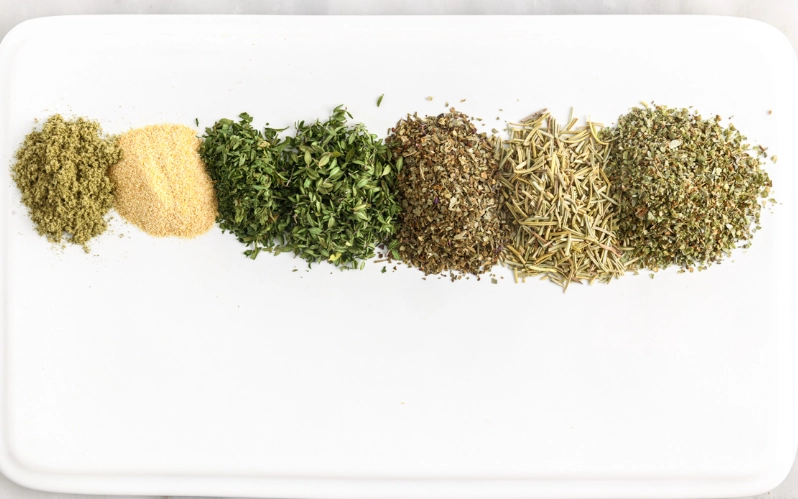
How to Choose the Right Substitute
Your dish dictates the best swap. Don't just grab the first herb jar you see.
For Tomato-Based Sauces (Marinara, Bolognese): The homemade blend is king. Second choice? Dried oregano or the basil-thyme combo. The acidity of tomatoes needs those robust herbs.
For Poultry, Pork, or Roasted Vegetables: Herbes de Provence or poultry seasoning shine here. Their earthy, savory notes complement the natural flavors perfectly.
For Salad Dressings, Olive Oil Dips, or Finishing: Fresh herbs are your best bet. Or, use a very high-quality dried oregano on its own.
For Meatballs, Meatloaf, or Sausage: A blend with sage and fennel notes (like poultry seasoning, or add a pinch of fennel seed to your homemade mix) is traditional and delicious.
3 Common Mistakes to Avoid
After helping countless friends in their kitchens, I see the same errors repeatedly.
1. Treating All Substitutes as 1:1 Swaps. This is the big one. Poultry seasoning is potent. Using a full tablespoon when the recipe calls for a tablespoon of Italian seasoning will make your dish taste like Thanksgiving stuffing. Start with less, taste, and add more.
2. Ignoring the Dry vs. Fresh Rule. Throwing in a teaspoon of chopped fresh basil where dried is required will result in almost no flavor. Conversely, using a teaspoon of dried basil in a fresh salad will be gritty and overwhelming.
3. Over-relying on Oregano. Oregano is strong. If it's your only substitute, use a light hand. Its flavor can dominate and become medicinal if you're not careful. Balance it with a tiny bit of something sweet, like a pinch of sugar or a splash of balsamic vinegar in sauces.
Your Italian Seasoning Substitute Questions, Answered
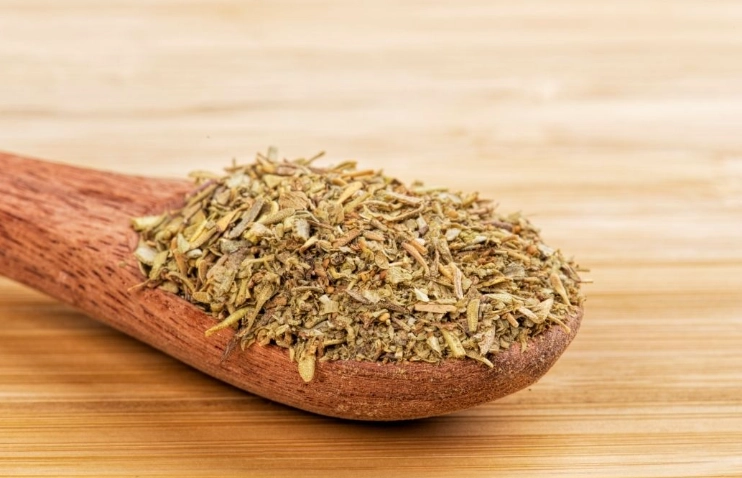
The bottom line? Lacking Italian seasoning isn't a cooking crisis—it's an opportunity to get creative with your spices. Start with the homemade blend if you can. If not, match the substitute to your dish using the guide above. Your food will be flavorful, and you might just discover a new favorite herb combination along the way.
Related Articles

The scale of securities lending and securities lending has dropped by more than

Industry Observation|Running at a new speed of trade finance, Bohai Bank's "Boyi
5 Traditional Italian Dishes: Authentic Recipes & Where to Try Them

Master Old School Italian Recipes: Authentic Pasta, Ragù & More

Best Italian Cocktails: From Classic Negroni to Modern Aperitivo
A Typical Italian Dinner at Home: The Real Menu & Traditions
Top 10 Italian Foods: The Ultimate List of Must-Try Dishes
Authentic Italian Meatballs Recipe: Tender, Juicy & Full of Flavor
Ultimate Guide to the Best Italian Meatball Recipe
Best Italian Baked Dishes Recipes: Authentic & Easy to Make
Pasta Italian Dressing Salad Recipes: The Ultimate Guide
Authentic Italian Beef Recipe: Slow-Cooked Chicago-Style Sandwiches

Sudden good news! The RMB surged 300 points, 4,100 A-shares rose, and banks that
Italy's Most Traditional Dish: The Definitive Guide to Authentic Cuisine
Italian Soup Recipe: Classic Minestrone & Hearty Ribollita Made Easy
Easy Crusty Italian Bread Recipe: Homemade Ciabatta & Focaccia
Authentic Italian Tomato Sauce Recipe: Secrets from a Home Cook

When going on a long vacation, are electric cars really more "cowardly" than fue

The RMB exchange rate against the US dollar rose to a high point this year

Unique Italian Cocktails: Beyond the Aperol Spritz
Traditional Italian Salads: A Guide to Freshness Beyond Caesar
Italian Seasoning Chicken Recipe: Easy, Flavorful & Authentic
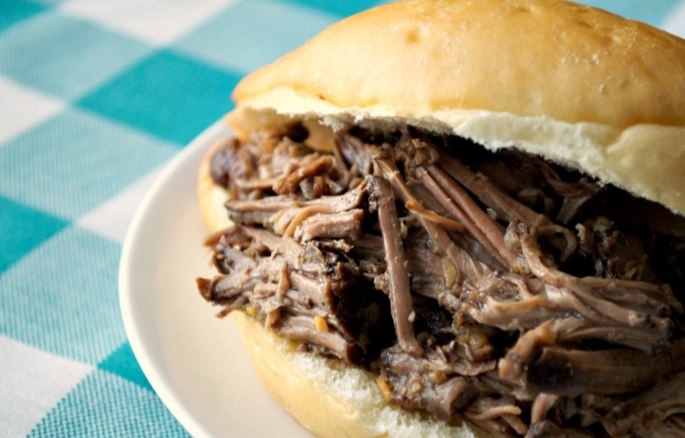
Ultimate Italian Beef Crock Pot Recipe: Tender & Juicy
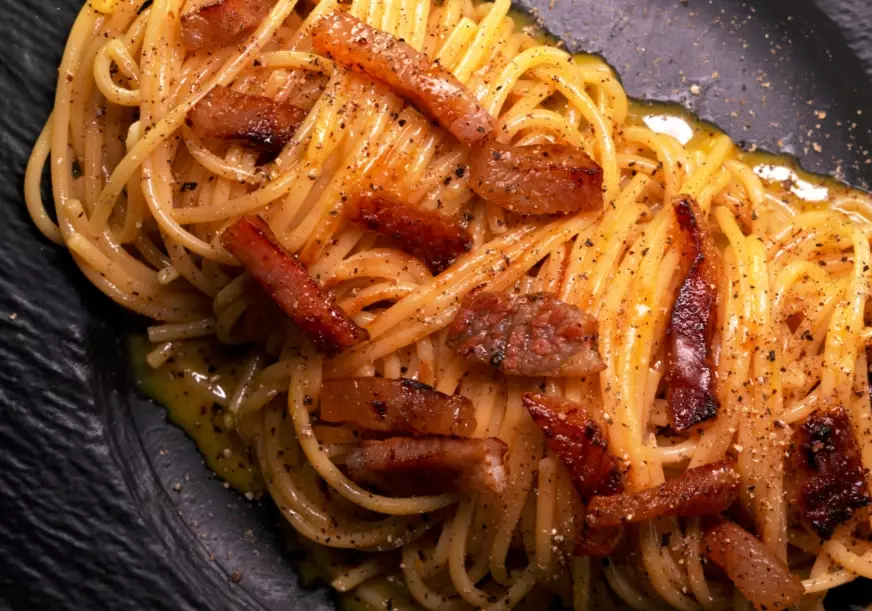
Authentic Carbonara Recipe: The ONLY Way to Make It Right

Ultimate Guide to the Top 10 Italian Desserts You Must Try
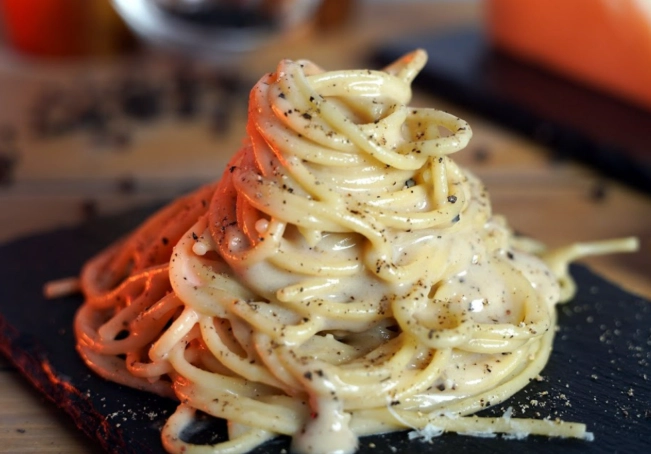
Master Italian Pasta Recipes: Classics, Regional Gems & Pro Tips
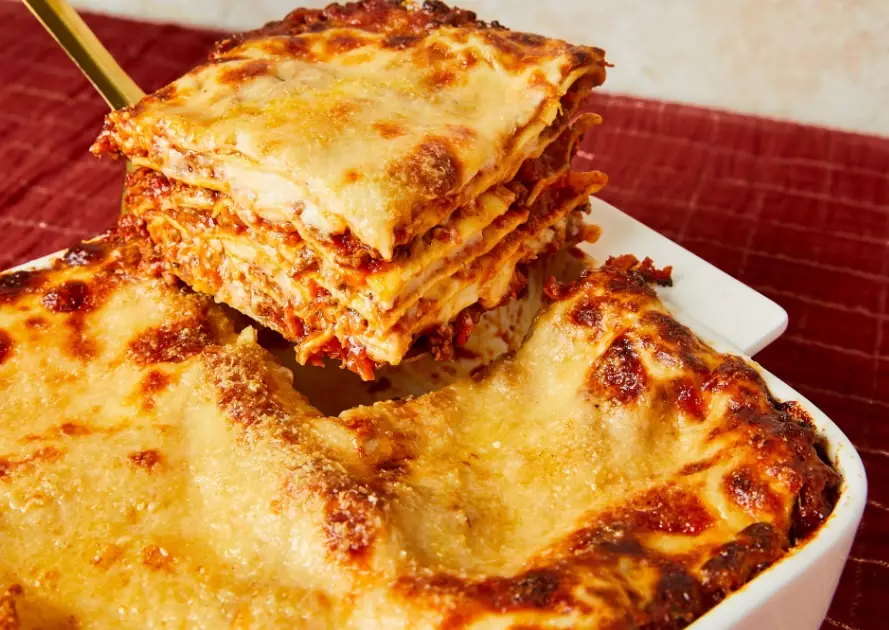
Italian Lasagna Recipe: Authentic Homemade Lasagna Guide
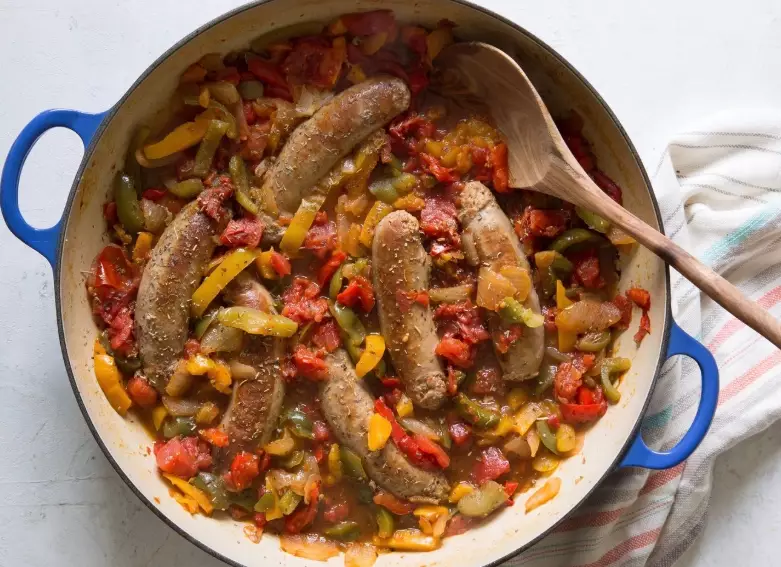
Sweet Italian Sausage Recipes: From Classic Pasta to Creative Feasts
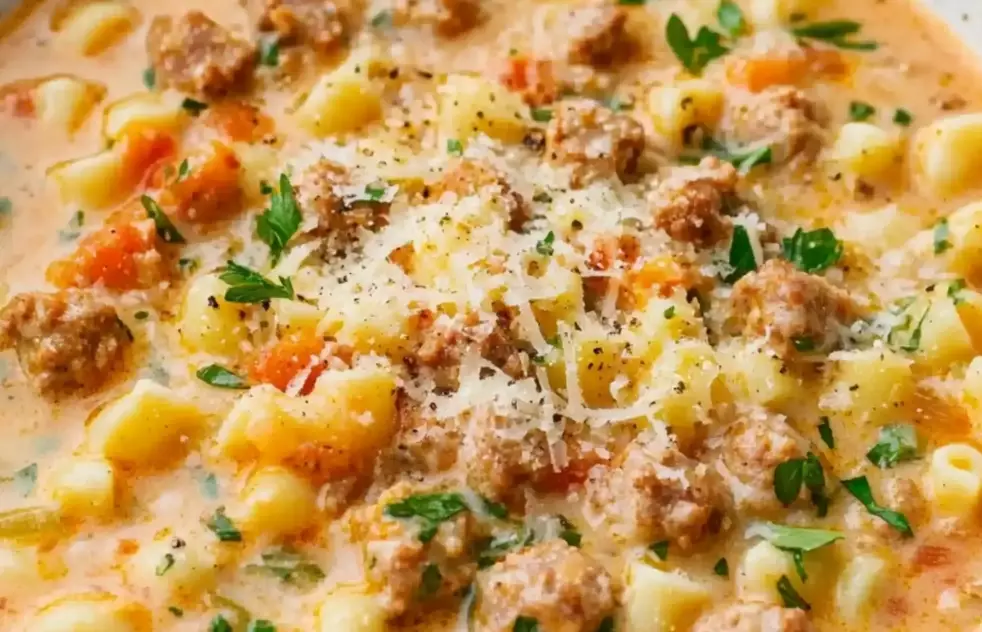
Italian Sausage Soup: Authentic Recipes & Pro Tips
Leave a Comment