The Ultimate Best Italian Seasoning Recipe (Authentic & Easy)
Let's be honest. That jar of Italian seasoning in your spice cabinet? It's probably been there for years. It smells faintly of hay and tastes like a vague memory of herbs. I used to buy them too, until I spent a summer cooking in a family-run trattoria outside Bologna. The difference between their food and mine wasn't just skill—it was the foundation. Their herb blend was alive. Making your own homemade Italian seasoning isn't just a cute DIY project; it's the single fastest way to upgrade about 80% of your weeknight cooking. This recipe is the one I've settled on after a decade of tweaking. It balances earthiness, brightness, and a hint of warmth perfectly.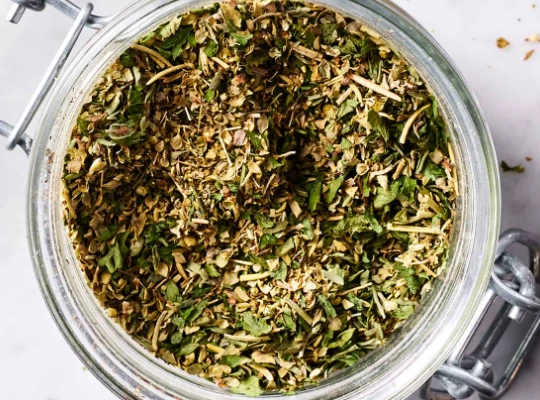
What's Inside This Guide
Why This Homemade Blend Beats Store-Bought Every Time
It comes down to three things: freshness, control, and cost.
Freshness is obvious but critical. Pre-ground herbs in a factory lose their volatile oils—the things that make them fragrant and flavorful—at an alarming rate. By buying whole dried leaves and crumbling them yourself, you preserve so much more of that character. The first time you open your jar of homemade blend, the aroma will hit you. It's a game-changer.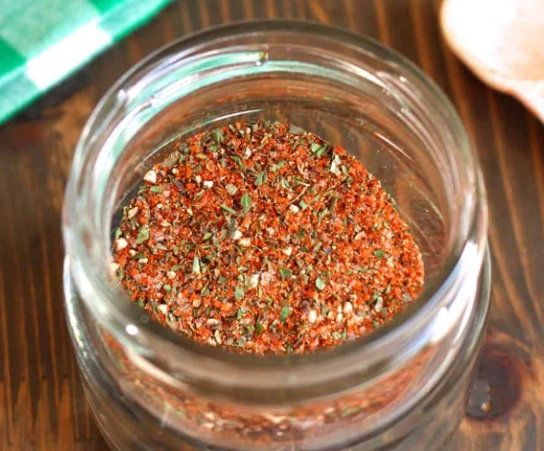
Control is where you become the chef. Hate the licorice punch of fennel? Reduce it. Love the piney kick of rosemary? Add more. Store-bought versions often use the cheapest available herbs, sometimes bulked up with stems and dust. You choose the quality.
Cost? Let's break it down. A 1.5oz jar of a name-brand Italian seasoning blend costs around $5-$6. For that price, you can buy small bags of bulk dried oregano, basil, thyme, and marjoram that will make four times the amount. It's a no-brainer.
The Core Ingredients, Deconstructed
Think of a classic Italian herb blend like a band. You need a solid rhythm section, a lead melody, and some harmony. This is my lineup.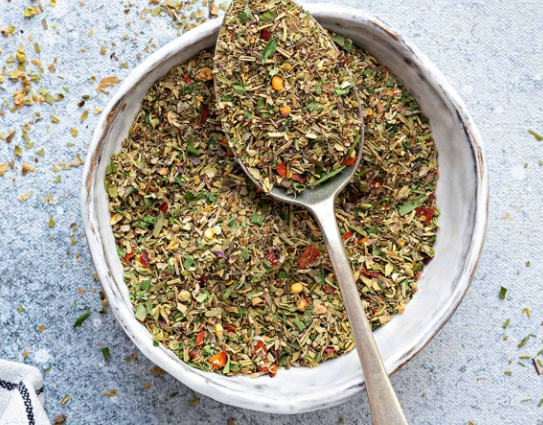
The Essential Cast (The Rhythm Section)
- Dried Oregano: The backbone. It's earthy, slightly bitter, and robust. It can stand up to long cooking. Don't skimp here. Look for whole dried Mexican oregano if you can find it—it's more floral than the Mediterranean variety, and in my opinion, superior.
- Dried Basil: The sweet, anise-like note. It's brighter than oregano but fades faster. We use it for its top notes.
- Dried Thyme: The subtle, tea-like complexity. It adds a layer of savory depth that makes the blend feel complete.
- Dried Marjoram: Oregano's sweeter, gentler cousin. This is the secret weapon that rounds out the rough edges and adds a touch of floral sweetness.
The Supporting Players (Harmony & Melody)
- Dried Rosemary: Piney and powerful. A little goes a long way. We'll crush it finely so it doesn't feel like eating needles.
- Crushed Red Pepper Flakes: Just a hint. Not for heat, but for a very subtle, warm complexity. You shouldn't taste "spicy."
- Garlic Powder (Not Salt!): The umami booster. It dissolves and distributes evenly. Use powder, not granulated, for quicker blending.
- Onion Powder: Same idea as garlic. Adds a sweet-savory base note.
The Optional Soloist
- Dried Sage: Earthy and slightly peppery. Fantastic in blends for meaty dishes or poultry. I add it in the fall and winter.
- Fennel Seeds (lightly crushed): That distinct Italian sausage flavor. If you love that profile, add a teaspoon. If you're unsure, leave it out.
The Step-by-Step Best Italian Seasoning Recipe
This makes about 3/4 cup of blend, which fits perfectly in a standard 4oz mason jar.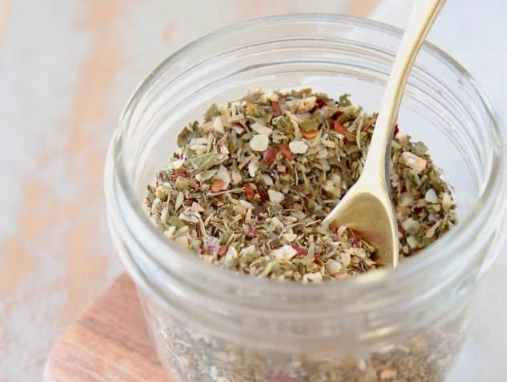
Gathering Your Herbs
You don't need a fancy spice shop. The bulk section of any decent grocery store (like Whole Foods or a local co-op) is perfect. Buy organic if it's within budget—herbs are one place where it often makes a noticeable difference in flavor potency.
Here's the exact ratio I've landed on. It's a starting point. Next time, you can adjust.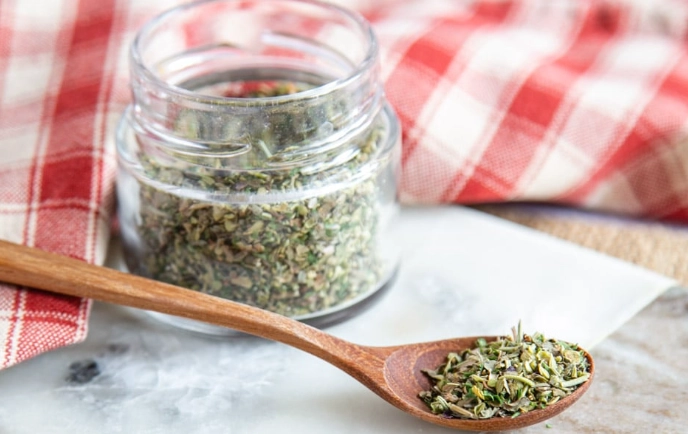
- 3 tablespoons dried oregano
- 3 tablespoons dried basil
- 2 tablespoons dried thyme
- 2 tablespoons dried marjoram
- 1 tablespoon dried rosemary
- 1 teaspoon garlic powder
- 1 teaspoon onion powder
- 1/2 teaspoon crushed red pepper flakes
- 1/2 teaspoon fine sea salt (optional, but helps flavors "pop")
- 1/4 teaspoon freshly ground black pepper
The "No-Food-Processor" Method
1. Prep the rosemary. This is the only herb that might need a machine. If your dried rosemary is very woody, give it a few pulses in a spice grinder or mortar and pestle. You want small bits, not a powder. If it's already fairly brittle, you can skip this.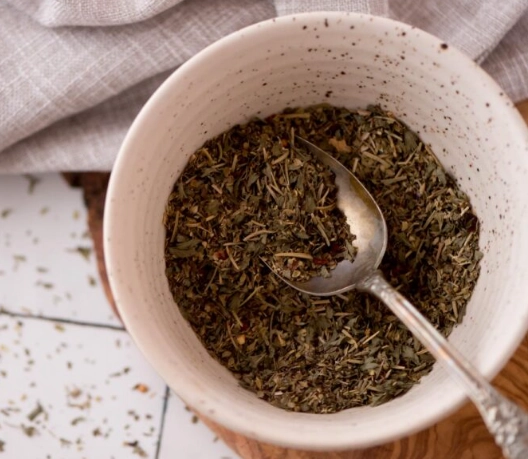
2. Combine everything. In a medium bowl, add all the herbs and powders. If you're adding optional sage or fennel, add it now.
3. The crucial step. Use your fingers. Gently rub the mixture between your thumb and fingers for about 30 seconds. You're not pulverizing it. You're just breaking up any clumps of basil or oregano, releasing the oils, and helping the garlic and onion powder integrate. You'll smell it immediately.
4. Store it. Funnel it into an airtight jar. A mason jar is ideal. Label it with the date. That's it.
The whole process takes less than 5 minutes. Seriously.
How to Use Your Italian Herb Blend: Beyond Pasta Sauce
Obviously, it's killer in marinara or a quick aglio e olio. But here's where it becomes a kitchen workhorse.
For Chicken: Mix 2 tablespoons of your blend with 1/4 cup olive oil and the juice of half a lemon. Coat chicken breasts or thighs and roast. The herbs form a gorgeous crust.
For Roasted Vegetables: Toss chopped potatoes, zucchini, bell peppers, or carrots with olive oil and a hearty sprinkle of the blend before roasting. The herbs caramelize slightly.
In Meatballs or Meatloaf: Add 1-2 tablespoons directly to your ground meat mixture along with your breadcrumbs and egg. It eliminates the need for a dozen separate spice jars.
Simple Salad Dressing: Whisk 1 teaspoon of the blend into 1/3 cup olive oil, 2 tablespoons red wine vinegar, a pinch of salt, and a dab of Dijon mustard.
Garlic Bread Upgrade: Mix softened butter with minced fresh garlic, a tablespoon of the blend, and some grated Parmesan.
Pro Storage Tips Most Blogs Miss
Don't put it in a pretty jar next to the stove. Heat, light, and moisture are the enemies of dried herbs.
Store it in a cool, dark cupboard. A pantry is perfect. Not on the counter or windowsill.
Use it within 6 months. Yes, it will last longer, but the flavor peak is around 3-6 months. You'll use it up fast. Write the date on the jar.
Shake the jar before each use. The finer powders (garlic, onion) can settle at the bottom. A quick shake redistributes everything.
Your Italian Seasoning Questions, Answered
So, toss that old jar. Spend five minutes and a few dollars in the bulk aisle. This one simple act—making your own best Italian seasoning recipe—will make your cooking taste more intentional, more vibrant, and honestly, more like you know what you're doing. Because you will.
Related Articles
Old Fashioned Italian Cookie Recipes: A Taste of Tradition
Perfect Homemade Italian Gnocchi Recipe: Light & Fluffy
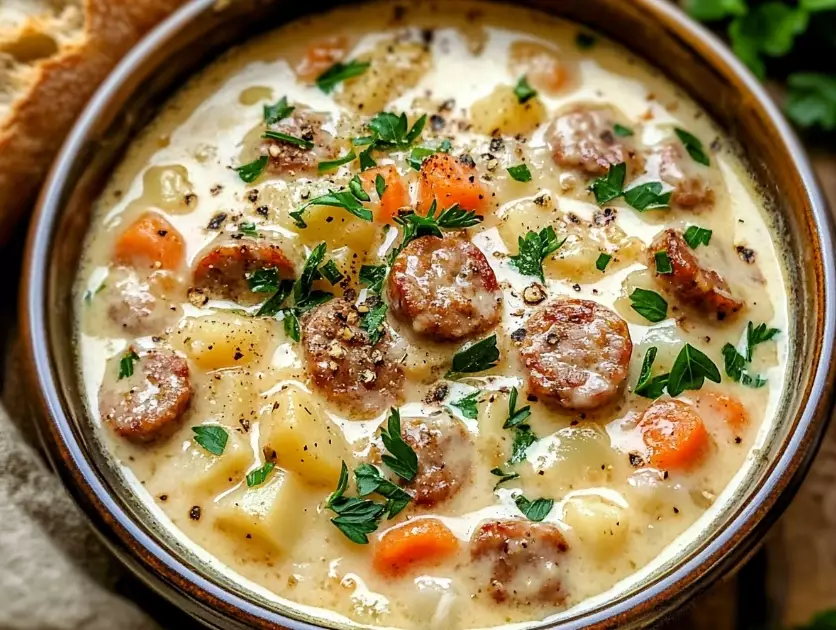
Hearty Italian Sausage Soup Recipe: Easy & Flavorful Comfort Food
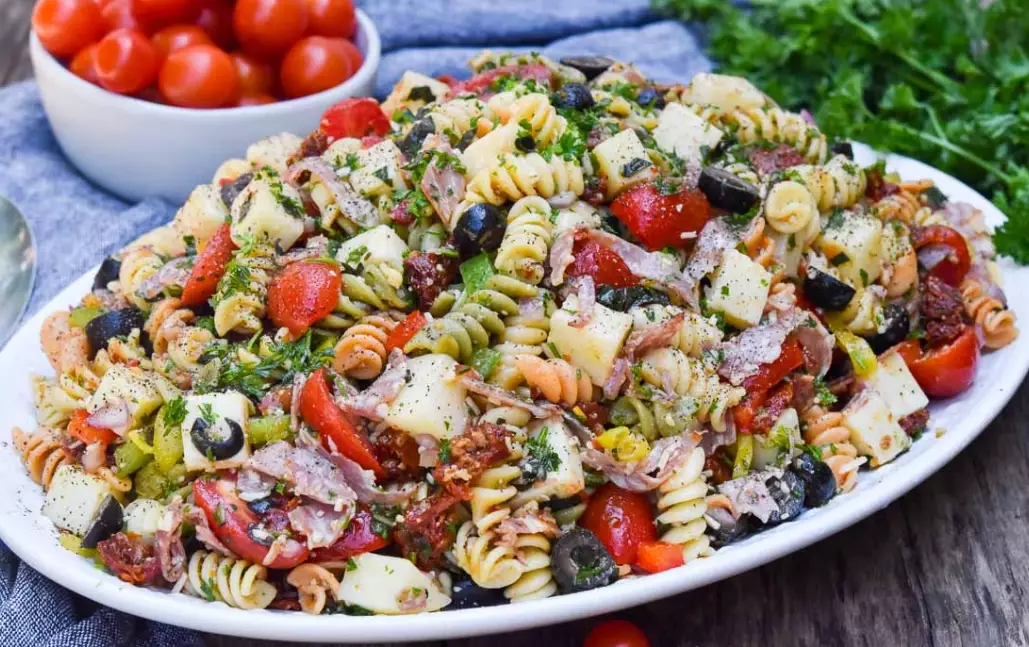
Pasta Italian Dressing Salad Recipes: The Ultimate Guide

Ultimate Guide to Classic Italian Cookie Recipes: Authentic & Easy

Thailand car market survey: sales and prices plunged, and Sino-Japanese competit
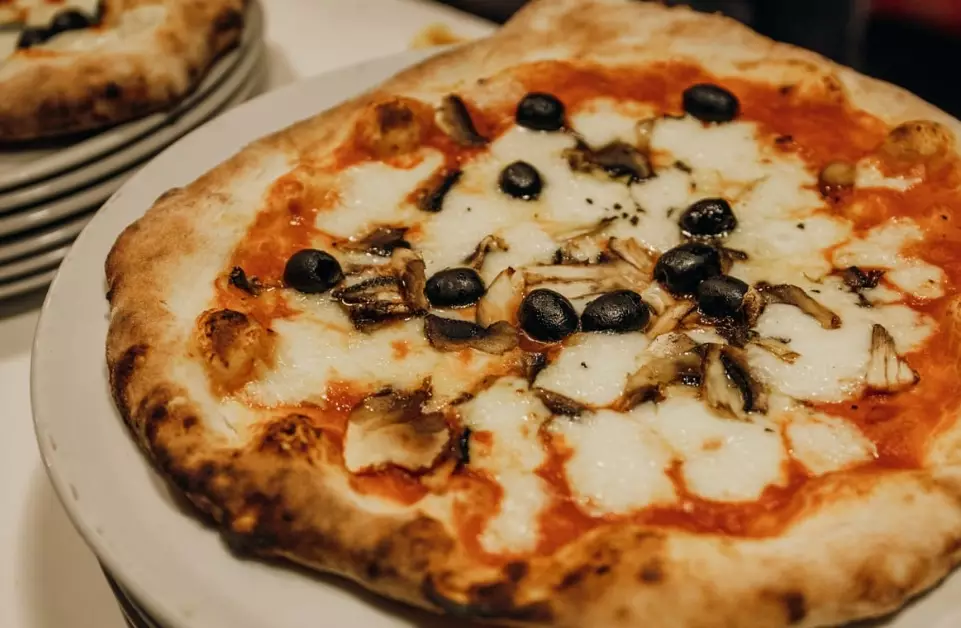
Authentic Italian Pizza Recipe: A Step-by-Step Guide
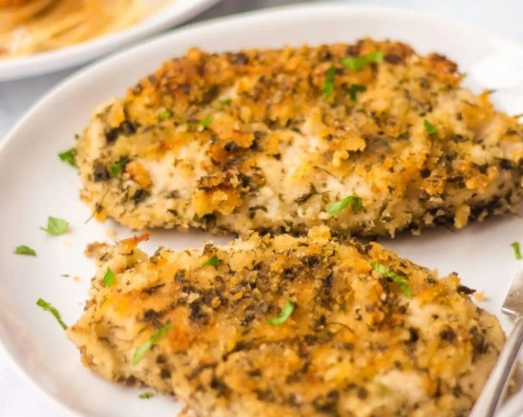
Traditional Italian Dinner Party Recipes: An Authentic Menu from Start to Finish
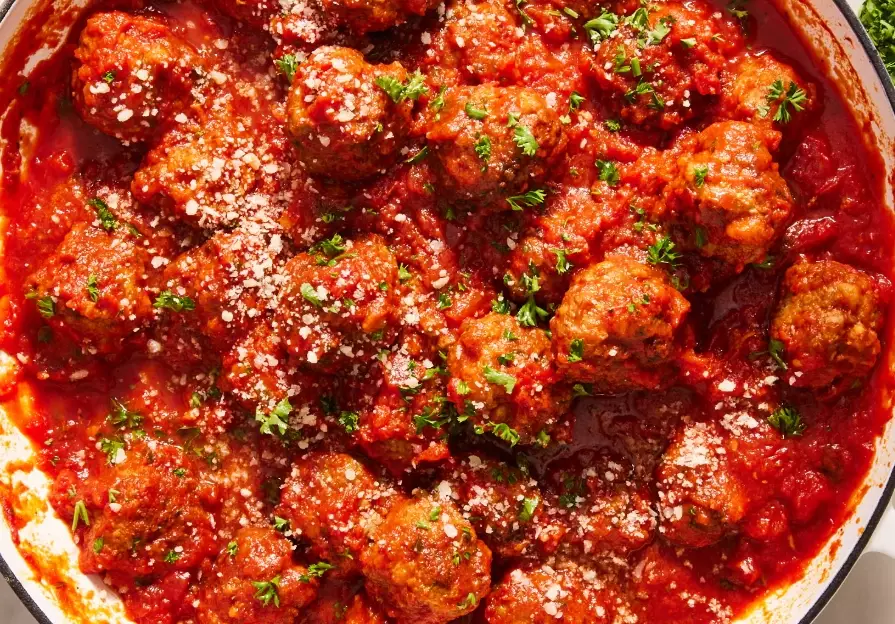
Authentic Italian Meatballs Recipe: Nonna's Secret for Tender & Flavorful Polpette

Microsoft hollowed out AI unicorn Inflection AI and paid 650 million US dollars
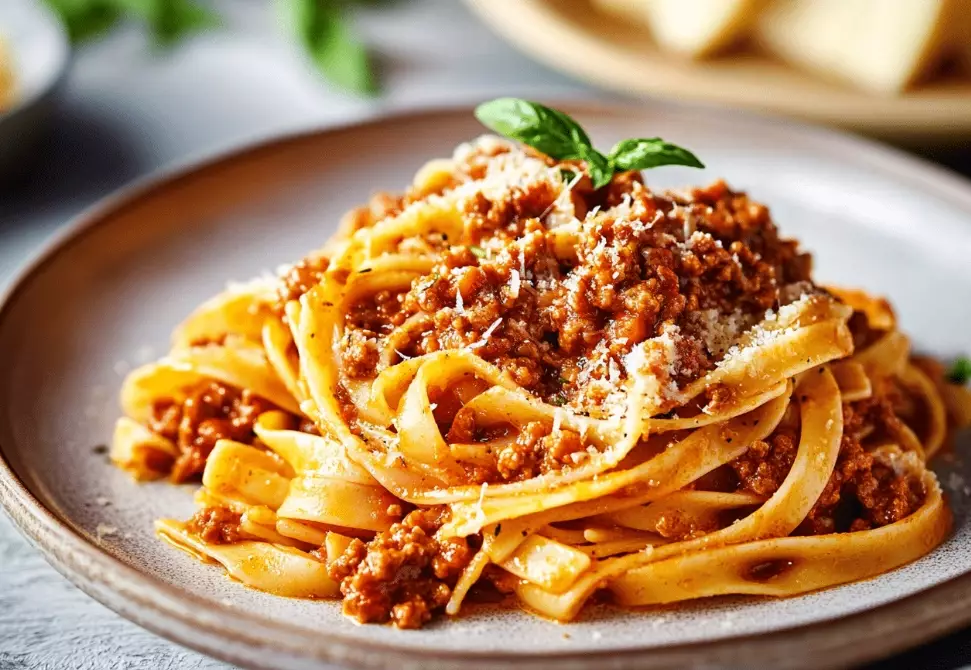
Classic Italian Bolognese Recipe: Master the Authentic Ragu
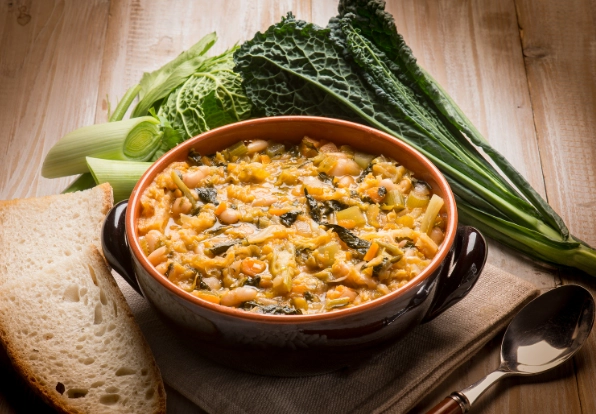
Authentic Italian Peasant Food: Simple Recipes & Where to Eat
Easy Italian Baked Dinner Recipes: Lasagna, Chicken Parm & More
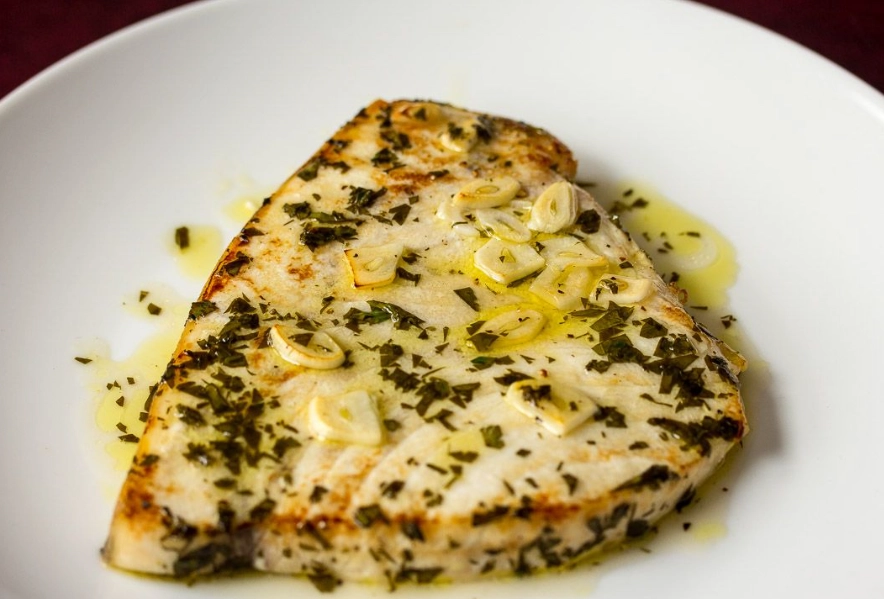
Mastering Italian Fish Recipes: From Classic to Coastal
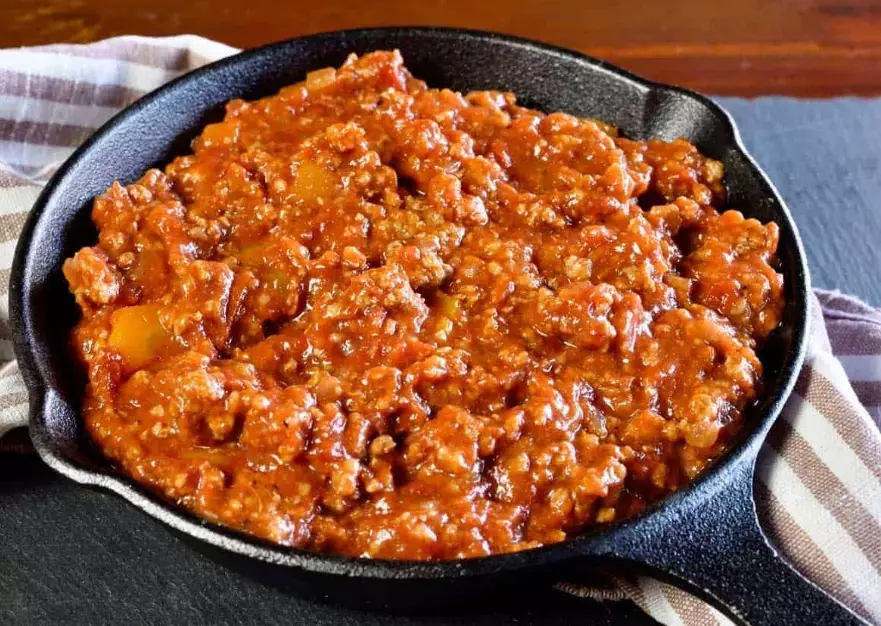
Authentic Italian Bolognese Recipe: The Real Ragù from Bologna
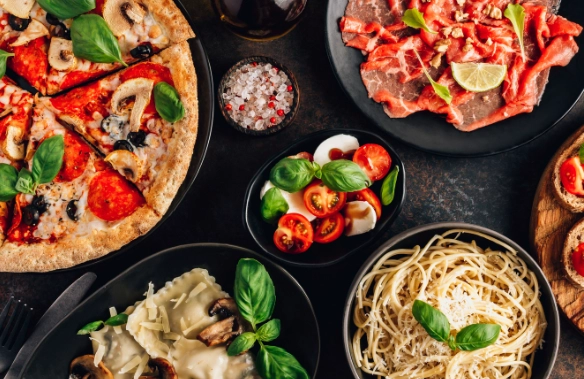
What Is Authentic Italian Food? A Guide to Regional Classics & Home Cooking
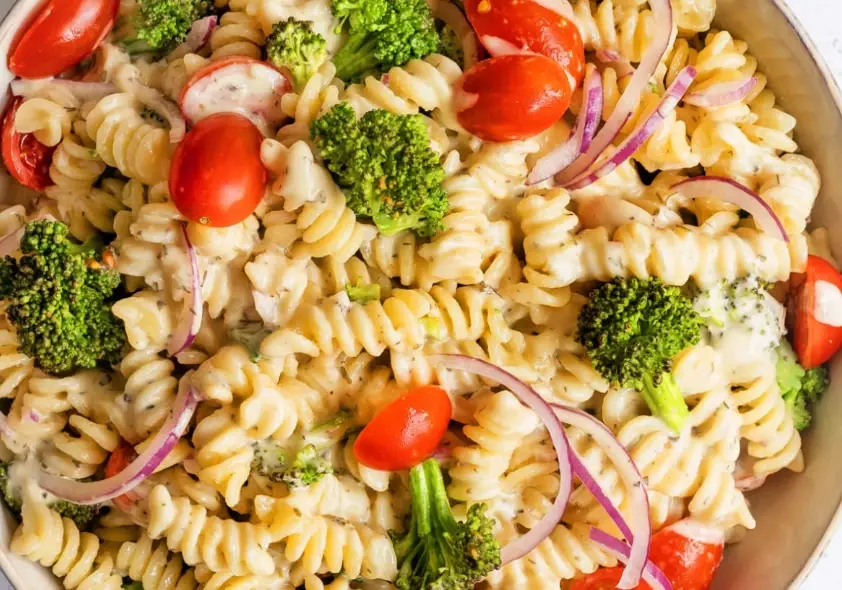
Perfect Pasta Salad Recipe with Homemade Italian Dressing
Authentic Italian Dinner Recipes & Essential Secrets Explained

Simple Italian Cookie Recipes: 3 Classics You Can Master

Best Italian Sausage Pasta Recipes: Easy, Creamy & Spicy Ideas
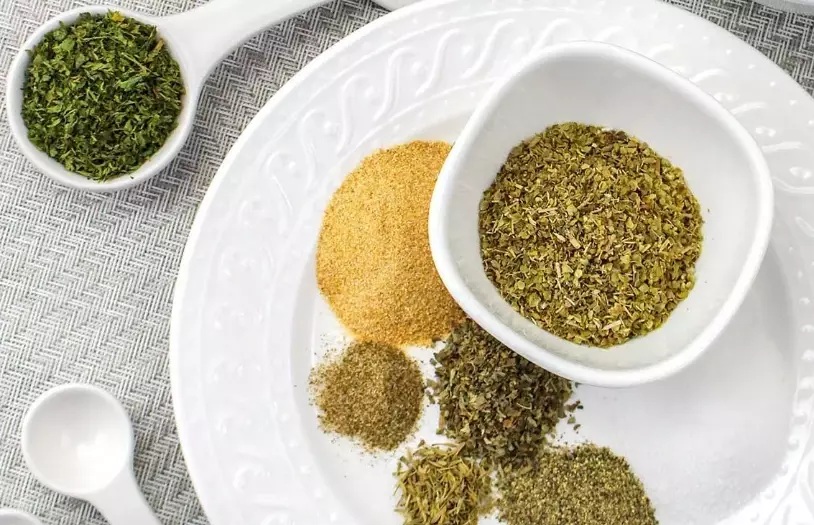
Your Complete Guide to Italian Seasoning Substitutes (Flavorful & Easy)
Italian Pasta Salad Recipe: The Ultimate Guide for Perfect Results
Top 10 Pasta Dishes: Must-Try Italian Classics & Expert Tips
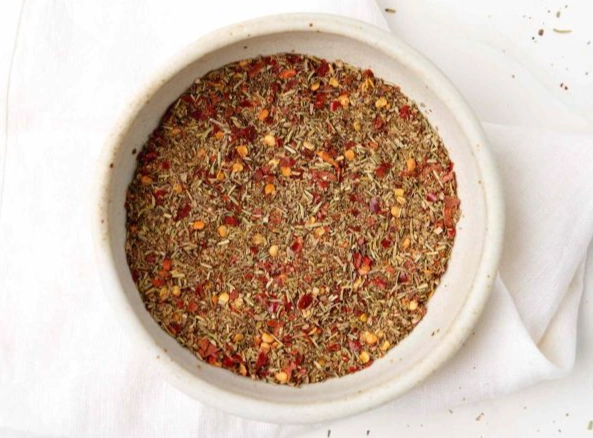
Unlock Flavor: 5 Essential Italian Seasoning Recipes & Pro Tips

Restarting private investment|"Caijing" special report
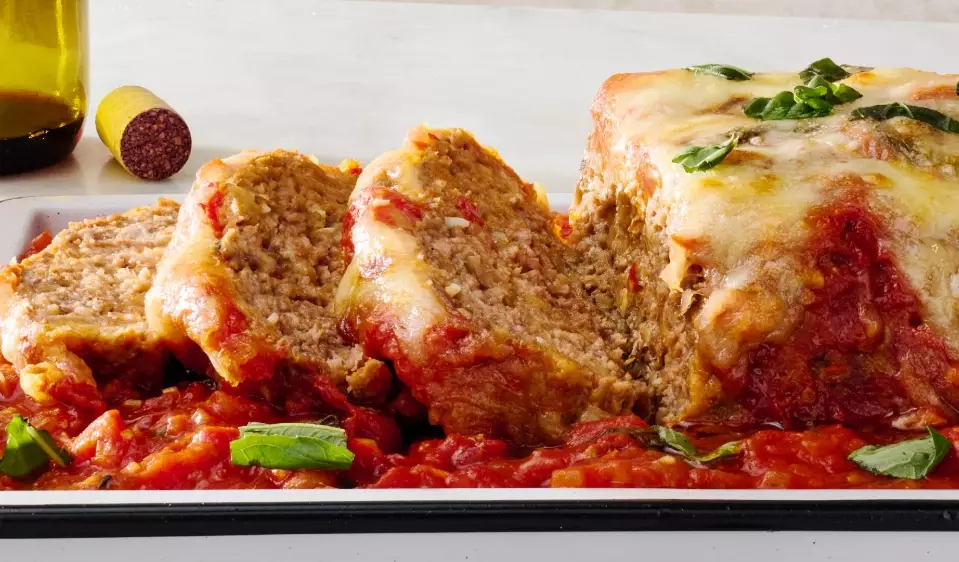
Master Italian Meatloaf: Authentic Family Recipe
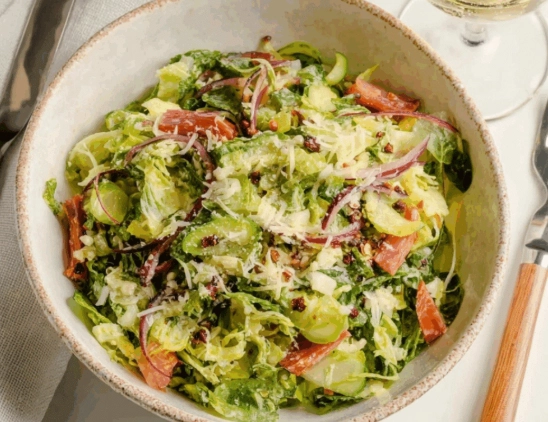
The Famous Chopped Salad Recipe: A Step-by-Step Guide to Perfection

Master Old School Italian Recipes: Authentic Pasta, Ragù & More
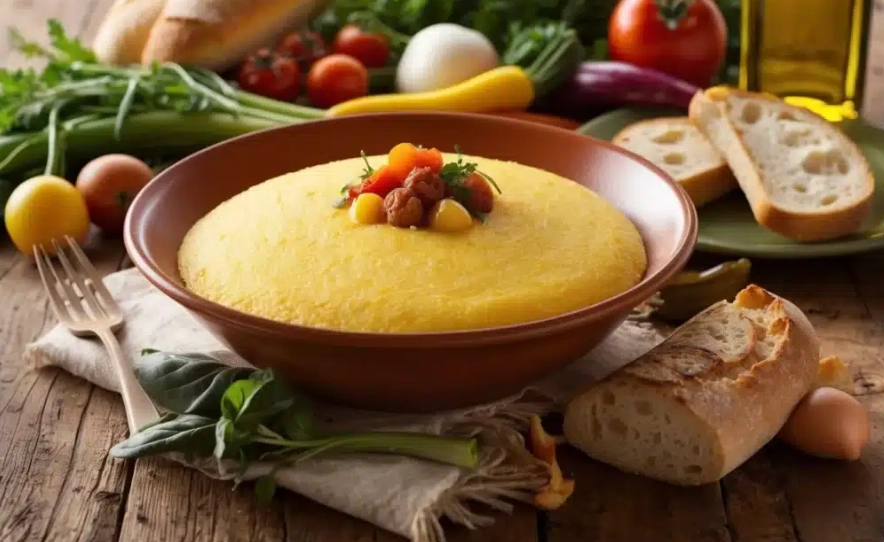
How to Make Perfect Italian Polenta: Creamy, Grilled & Fried Recipes
Leave a Comment