Ultimate Guide to the Top 10 Italian Desserts You Must Try
Italy's culinary genius isn't confined to pasta and pizza. The realm of Italian desserts, or dolci, is a universe of its own, where simplicity meets profound flavor. Everyone knows Tiramisu. But what about the other nine classics that complete the top tier? This isn't just a list; it's your roadmap to experiencing the soul of Italy through its sweets. We're going beyond names to uncover where they're from, what makes them special, and crucially, where you can taste the absolute best versions, from Sicily to Venice.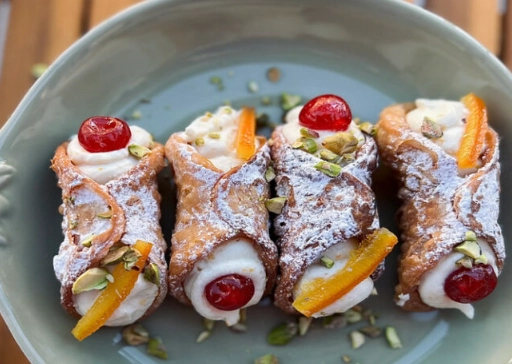
Your Sweet Journey Awaits
- 1. Tiramisu: The Iconic "Pick-Me-Up"
- 2. Panna Cotta: Silken Simplicity
- 3. Cannoli: Sicily's Crispy Masterpiece
- 4. Gelato: Not Just "Italian Ice Cream"
- 5. Affogato: The Grown-Up Dessert
- 6. Tartufo: The Chocolate Bomb
- 7. Zeppole: Festive Fried Dough
- 8. Panettone vs. Pandoro: The Christmas Rivals
- 9. Sfogliatella: Naples' Layered Wonder
- 10. Semifreddo: The Frozen Mousse
- Your Italian Dessert Questions Answered
1. Tiramisu: The Iconic "Pick-Me-Up"
Let's start with the heavyweight champion. Tiramisu's layers of coffee-soaked ladyfingers (savoiardi) and mascarpone cream are globally famous. But the name means "pick me up" or "cheer me up," and a great one really does.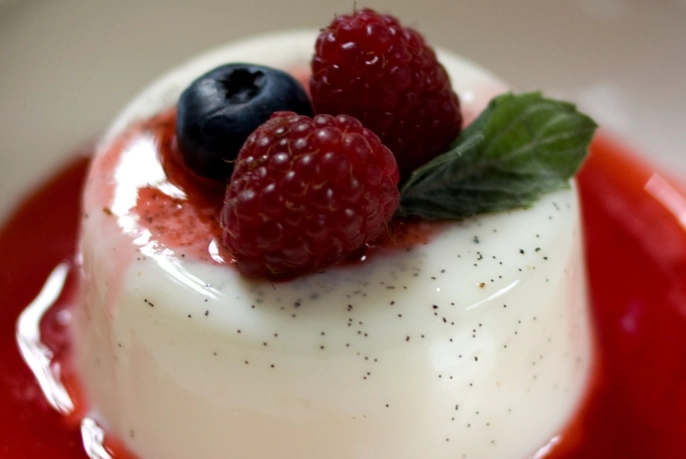
The Origins & The Authentic Touch
Its birth is claimed by both the Veneto region and Piedmont in the 1960s. Forget fancy liqueurs in the original—it's just strong espresso, eggs, sugar, mascarpone, and a dusting of cocoa. The mascarpone is key. It should be from Lombardy, rich and slightly tangy.
2. Panna Cotta: Silken Simplicity
Translating to "cooked cream," Panna Cotta is the elegant, wobbly cousin of crème caramel. It's from Piedmont and is deceptively simple: cream, sugar, and gelatin, set and served with a berry coulis or caramel sauce.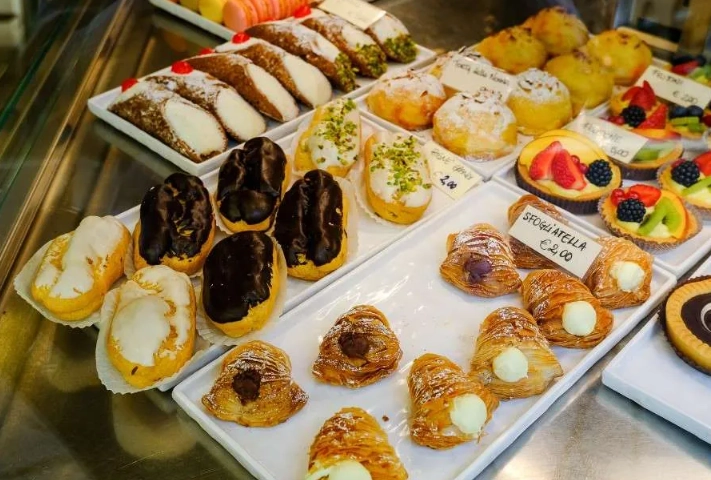
Its beauty is in its texture. It should be supremely smooth, jiggly but firm enough to hold its shape on a spoon. It's the perfect palate cleanser after a rich meal.
3. Cannoli: Sicily's Crispy Masterpiece
Imagine the crispest, most delicate fried pastry shell, filled to order with sweet, creamy ricotta studded with chocolate chips or candied fruit. That's a cannolo. The singular is cannolo, the plural cannoli. Getting that right already makes you sound like you know your stuff.
Why Freshness is Non-Negotiable
The biggest crime against cannoli is a pre-filled shell. A proper pasticceria will fill the shell only when you order it, preventing the pastry from becoming soggy. The ricotta should be sheep's milk ricotta for an authentic, grainier texture and deeper flavor.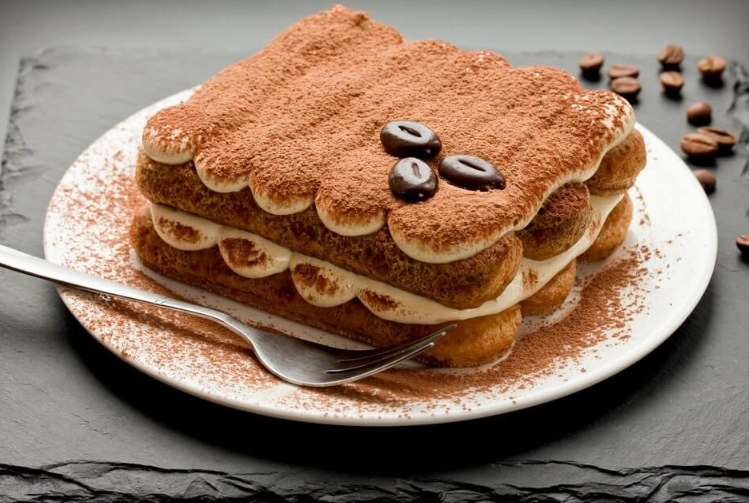
4. Gelato: Not Just "Italian Ice Cream"
This is a category unto itself. Gelato has less butterfat and less air churned into it than American ice cream. The result? A denser, more intense flavor that melts silkily on the tongue.
How to Spot Artisanal Gelato
Avoid mounds of brightly colored gelato. Authentic, artisanal gelato is often stored in flat metal tins (pozzetti) with lids. Natural colors are muted: pistachio should be a earthy green, not neon. Banana is greyish, not yellow.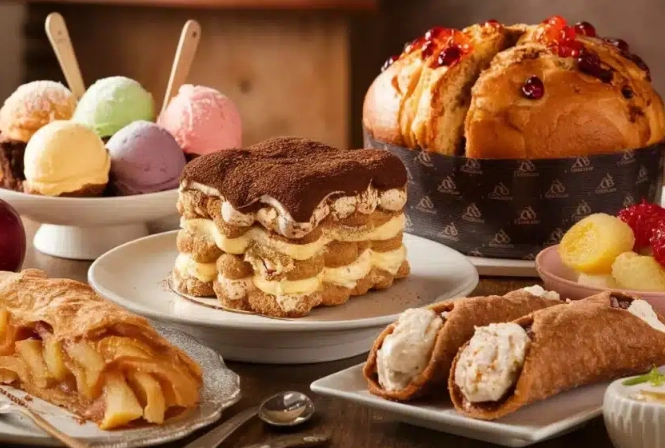
- Giolitti, Rome (Via degli Uffici del Vicario, 40): A historic spot loved by locals and tourists. Their rice flavor (riso) is a unique must-try. A medium cup is about €4.
- Gelateria della Passera, Florence: Tiny, off-the-beaten-path, with exceptional seasonal flavors.
- Gelato Di San Crispino, Rome (near the Trevi Fountain): Famous for its pristine, high-quality ingredients. Less whimsical, more purist.
5. Affogato: The Grown-Up Dessert
The simplest concept, the most satisfying execution. A scoop of high-quality vanilla gelato or fior di latte (milk cream) gelato, "drowned" (affogato) with a shot of piping hot espresso. The hot and cold, bitter and sweet combination is magic. It's not overly sweet, making it the ideal end to a lunch or a quick afternoon treat at a café.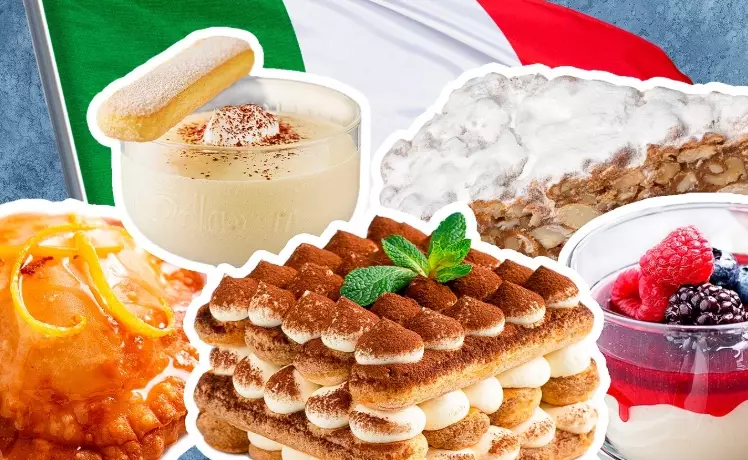
6. Tartufo: The Chocolate Bomb
Born in Pizzo, Calabria, the classic Tartufo is a frozen dessert ball. It typically has a core of gelato (often chocolate and hazelnut), sometimes with a liquid cherry or syrup center, encased in a shell of hard chocolate or cocoa powder. It's served frozen solid, a single, decadent portion.
The name means "truffle," which it resembles. For the ultimate experience, seek out the Tartufo di Pizzo IGP, which has a protected geographical status.
7. Zeppole: Festive Fried Dough
These are Italy's answer to doughnuts, particularly associated with Saint Joseph's Day (March 19th). They come in two main styles: fried choux pastry balls, often filled with custard, jelly, or ricotta; or a more bread-like fried dough dusted with powdered sugar.
You'll find them at street festivals and in bakeries. They're best eaten warm, fresh from the fryer. The ricotta-filled version, especially in Rome, is a personal favorite for its contrast of crispy shell and creamy, slightly citrusy filling.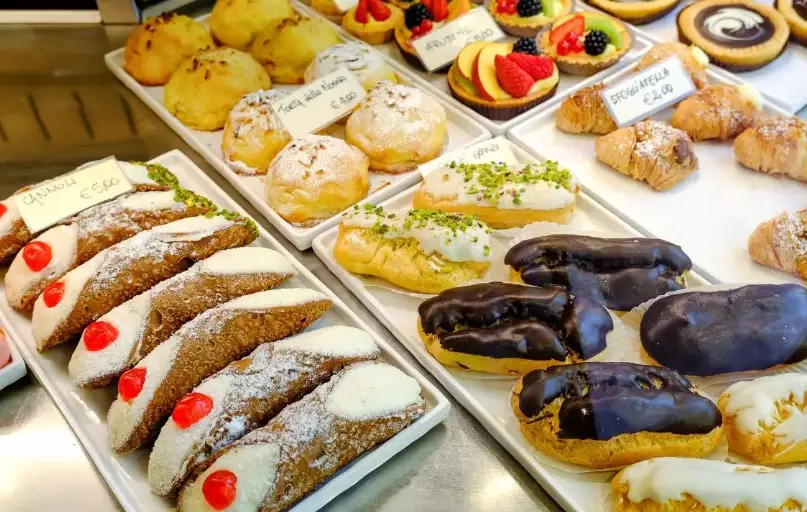
8. Panettone vs. Pandoro: The Christmas Rivals
No Italian Christmas is complete without one (or both) of these tall, domed cakes.
Panettone (from Milan) is a yeasted bread cake studded with raisins and candied citrus peel. It's light, airy, and has a distinct domed top. A good panettone should be moist and fragrant.
Pandoro (from Verona) means "golden bread." It's a buttery, egg-rich cake without any fruit, baked in a star-shaped mold and dusted with vanilla-scented powdered sugar to resemble a snowy mountain. It's richer and more cake-like than panettone.
9. Sfogliatella: Naples' Layered Wonder
This Neapolitan pastry is a feat of baking. Sfogliatella means "small, thin leaf/layer," and that's exactly what it is: countless layers of flaky, crisp pastry (for the riccia type) or a smoother, shell-like pastry (for the frolla type), filled with a sweet semolina, ricotta, and citrus filling.
The sfogliatella riccia is the more iconic, with its dramatic, crispy, layered shell that shatters when you bite into it. It's a must-try with a morning coffee in Naples.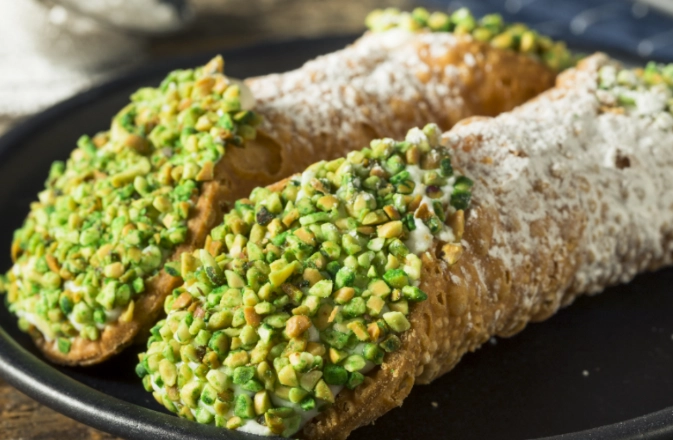
10. Semifreddo: The Frozen Mousse
Literally "half-cold," semifreddo is a frozen dessert with the texture of a frozen mousse or parfait. It's made by folding whipped cream into a custard base (often with egg whites or zabaglione) and freezing it. It's smoother and airier than gelato and doesn't require churning.
It comes in countless flavors—hazelnut (nocciola), almond (mandorla), coffee, chocolate. A slice of pistachio semifreddo, slightly softened, is a thing of beauty. It's a staple dessert in trattorias, often presented as a elegant slice garnished with berries or a sauce.
Your Italian Dessert Questions Answered
What is the most popular Italian dessert globally?
Without a doubt, it's Tiramisu. Its combination of coffee, cream, and cocoa is universally appealing, and it's been adapted (and sometimes bastardized) worldwide. However, Gelato runs a very close second as Italy's most famous edible export.
I'm visiting Rome. Where can I find the best gelato that isn't a tourist trap?
Move away from the immediate vicinity of major monuments. In the Trastevere neighborhood, try Fiocco di Neve or Otaleg (which is "gelato" spelled backwards). Near the Vatican, Old Bridge Gelateria is a longstanding favorite with locals and offers generous portions. Look for the signs mentioned earlier—natural colors, metal tins.
Can I find good cannoli outside of Sicily?
Absolutely, but you need to be selective. Any reputable Sicilian pastry shop in major Italian cities will make excellent cannoli. In Milan, try Pasticceria Marchesi. In Rome, as mentioned, I Dolci di Nonna Vincenza. The rule remains: if you see a display case full of pre-filled cannoli, walk away. The shell must be filled to order.
What's a lesser-known Italian dessert I should try?
Seek out Sbrisolona. It's a crumbly, rustic tart from Mantua made with cornmeal, almonds, and butter. It's meant to be broken by hand, not cut with a knife. The texture is coarse and sandy (the name comes from sbriciolare, to crumble), and it's fantastically addictive with a glass of dessert wine like Vin Santo.
Is it true Italians eat dessert for breakfast?
It's more accurate to say they eat pastries for breakfast. A quick colazione at a bar often involves a cornetto (the Italian croissant, usually less buttery and often filled with jam, cream, or custard) and a cappuccino. Eating a slice of Tiramisu or Panna Cotta at 8 AM would raise eyebrows, but a sweet pastry is perfectly normal.
Related Articles
Authentic Italian Sausage Recipe: Tips from a Butcher
A Complete Guide to the Traditional Southern Italian Christmas Dinner Feast
Authentic Italian Love Cake Recipe: The Ultimate 3-Layer Dessert Guide
Traditional Italian Salad Names: A Guide to Authentic Recipes & History
Pasta Italian Dressing Salad Recipes: The Ultimate Guide
The Ultimate Guide to Authentic Italian Meatballs: A Family Recipe
Authentic Pasta Carbonara Recipe: The Real Italian Way
Most Famous Italian Cookies: A Guide to Italy's Beloved Biscotti & Beyond
Master the Classics: The Best Italian Recipes You Need to Know
Best Italian Salads You Can Actually Make at Home
Authentic Italian Green Beans Recipe: A Classic Nonna's Method

What is the dispute over the open and closed source of large models?

Restarting private investment|"Caijing" special report
Authentic Italian Eggplant Recipes: From Parmigiana to Caponata

What Side Dishes to Serve with Sausage? 15 Perfect Pairings & Recipes

Best Italian Cocktails: From Classic Negroni to Modern Aperitivo
Authentic Carbonara Recipe: The Real Italian Way (No Cream!)
What are the 4 Classic Italian Dishes? A Food Lover's Guide

Ground Italian Sausage Recipes: The Ultimate Guide for Easy & Flavorful Dinners
The Best Pasta Carbonara Recipe: Authentic Roman Secrets Revealed

Authentic Italian Christmas Cookie Recipes to Bake at Home

Two 1 billion US dollars of large model financing, Internet giants are starting
Authentic Italian Pasta e Fagioli Recipe: A Hearty Classic
The Heart of Italy on Your Plate: Timeless Traditional Italian Recipes & Kitchen Wisdom

The Most Popular Cocktail in Italy: A Deep Dive into the Aperol Spritz
What Is the Most Popular Italian Dish? Top Contenders Revealed
Authentic Gremolata Recipe: The Simple Italian Condiment That Elevates Any Dish
Authentic Italian Vegetarian Appetizers: Recipes, Tips & Menus
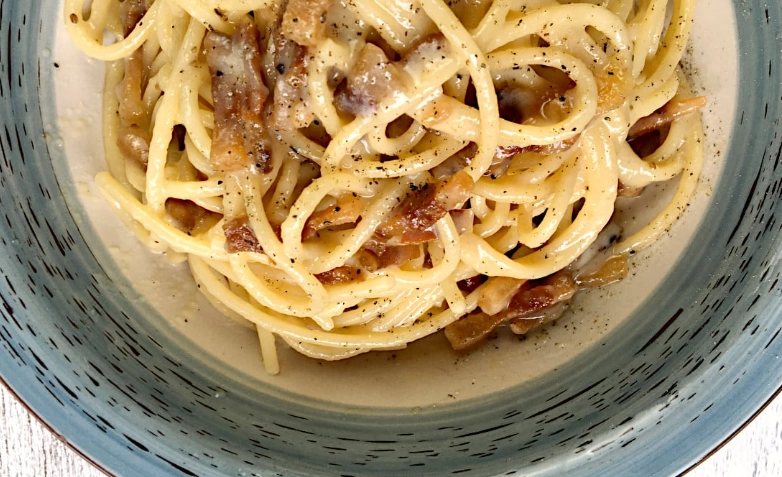
Authentic Spaghetti Carbonara Recipe: The Real Italian Method (No Cream!)
Leave a Comment