What Are Italian Cookies? A Guide to Classic Types and Recipes
Ask someone about Italian cookies, and they'll probably mention biscotti. That's a good start, but it barely scratches the surface. The world of Italian cookies is vast, regional, and deeply tied to tradition. It's not just about what's served with coffee; it's about Christmas, weddings, local festivals, and nonna's secret recipe box. So, what are considered Italian cookies? They're a category of sweet, often dry biscuits that range from twice-baked and rock-hard to soft, chewy, and almond-filled. They're less about overwhelming sweetness and more about texture, nuts, citrus, and anise.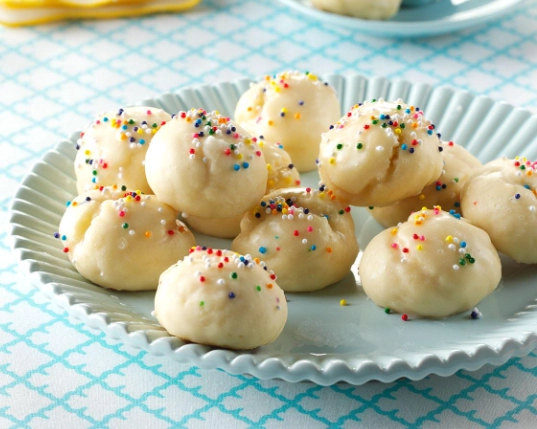
I remember my first trip to a pasticceria in Rome, overwhelmed by trays of cookies I couldn't name. That confusion is common. This guide will clear it up.
Your Quick Guide to Italian Cookies
The Italian Cookie Universe: More Than Just Biscotti
In Italy, the word "biscotti" literally means "twice-cooked." It's a technical term, not just the name for those long, almond-studded sticks we dunk in coffee. That specific cookie is called cantucci or biscotti di Prato. This is the first big mix-up. Generalizing all Italian cookies as "biscotti" is like calling every pasta "spaghetti."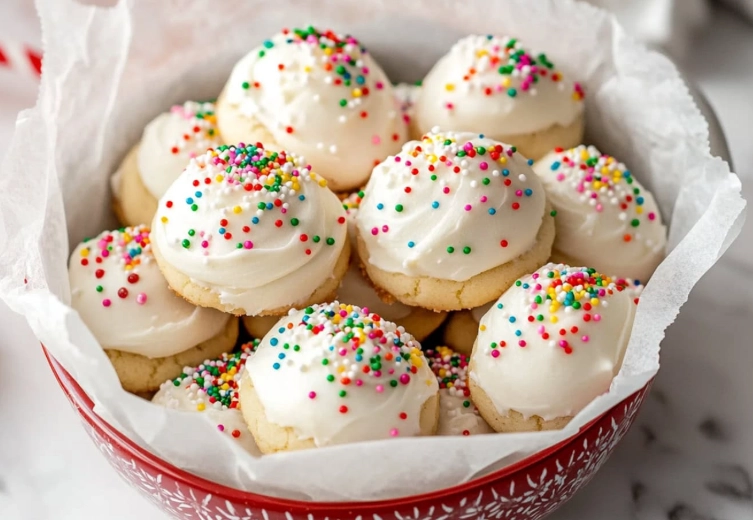
What defines this category? A focus on shelf-stable, often dry textures. Many are designed to last for weeks in a tin, perfect for dipping in sweet wine like Vin Santo or a strong espresso. They're typically less buttery than American cookies, relying on olive oil, nuts, eggs, and flavors like anise, lemon, and almond. According to resources from the Accademia Italiana della Cucina (Italian Academy of Cuisine), these cookies are considered part of the "piccola pasticceria" (small pastries) tradition, distinct from cakes and tarts.
They serve a purpose. Some are festive, like ricciarelli for Siena's Palio. Others are everyday, like simple frollini with morning milk.
5 Must-Know Classic Italian Cookies
Let's get specific. Here are the heavy-hitters, the ones you'll see everywhere from Sicily to the Alps.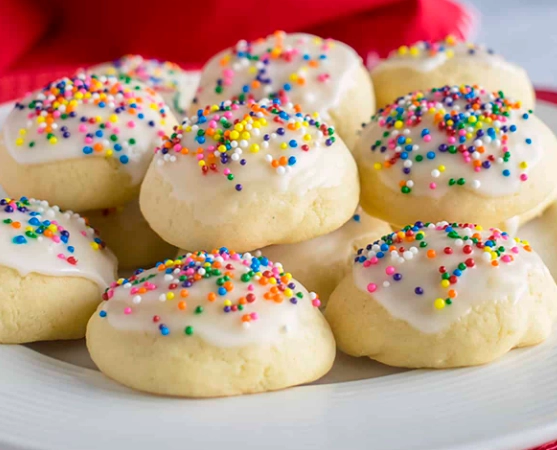
1. Biscotti (Cantucci)
The poster child. Dry, crunchy, packed with almonds. They're baked as a loaf, sliced, and baked again. Perfect for dipping. A common mistake? Using butter. Traditional cantucci from Prato use only flour, sugar, eggs, almonds, and pine nuts—no fat. Adding butter makes them cakey, not crunchy. Serve them with Vin Santo for the real deal.
2. Amaretti
These are the chewy, almond-flavored domes. They're made with sweet and bitter apricot kernels (or almond paste), sugar, and egg whites. They come in two textures: amaretti morbidi (soft) and amaretti secchi (crisp). The crisp ones are often wrapped in paper. They're gluten-free by nature, a fact many stores don't highlight.
3. Pizzelle
Thin, crisp waffle cookies made in a special iron. They taste of anise or vanilla. You'll see them stacked high at Italian-American festivals. They're incredibly versatile—eat them plain, roll them into cannoli shells while warm, or dust them with powdered sugar.
4. Ricciarelli
Soft, chewy almond cookies from Siena. They're made with almond paste, have a distinctive diamond shape, and are dusted with powdered sugar. The texture should be moist and marzipan-like inside. If they're dry, they're not fresh.
5. Savoiardi (Ladyfingers)
Yes, these are Italian cookies. Light, dry, spongy fingers of cake. Their dryness is their superpower—they soak up coffee and liqueur in desserts like tiramisu without falling apart. Don't use soft sponge cake as a substitute; it turns to mush.
Beyond these five, the list goes on: Baci di Dama (lady's kisses), Brutti ma Buoni (ugly but good), Ossa dei Morti (bones of the dead) for All Saints' Day. Each has a story.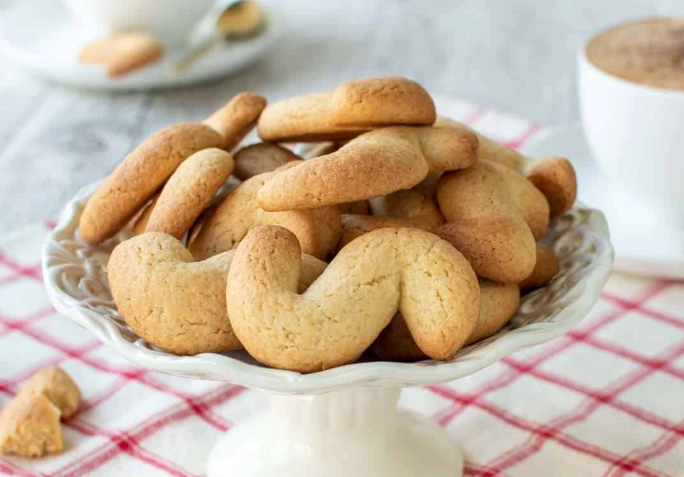
Regional Gems You Need to Try
Italy's regions are like separate countries with their own cookie jars.
Sicily
This island is a cookie powerhouse. Biscotti regina are sesame-covered rings. Paste di mandorla are colorful, marzipan-based fruits. Everything here has Arab influences—sesame, almonds, citrus, honey.
Sardinia
Look for pardulas or formaggelle, small tartlets filled with fresh cheese (ricotta or pecorino) and saffron. They're savory-sweet and unlike anything else.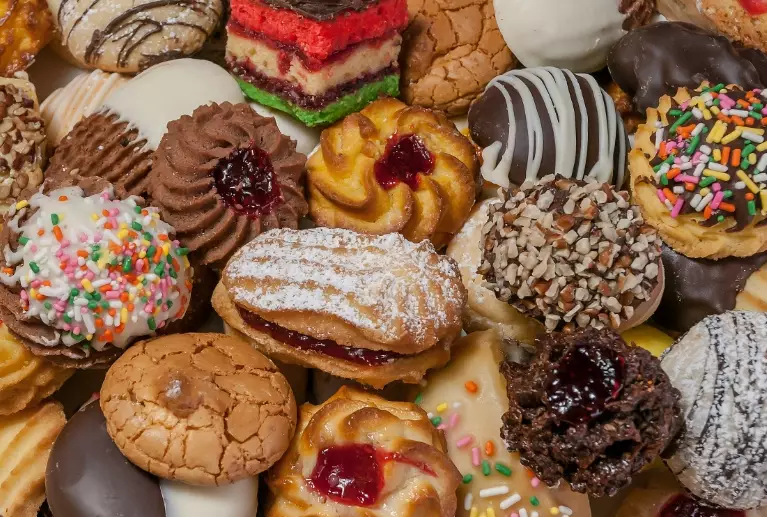
Naples & Campania
Famous for raffiuoli and susamielli, hard, ring-shaped cookies spiced with pepper and cloves, often served at Christmas. They're an acquired taste—spicy, not sweet.
Lombardy & the North
Here, butter is king. You'll find richer, shorter doughs. Biscotti di San Colombano are a good example. Polenta sometimes makes its way into cookie dough for texture.
My personal favorite hidden gem? Panforte from Siena. Okay, it's more of a fruit and nut slab, but it's cut and eaten like a cookie. It's dense, spicy, and incredible with a glass of dessert wine.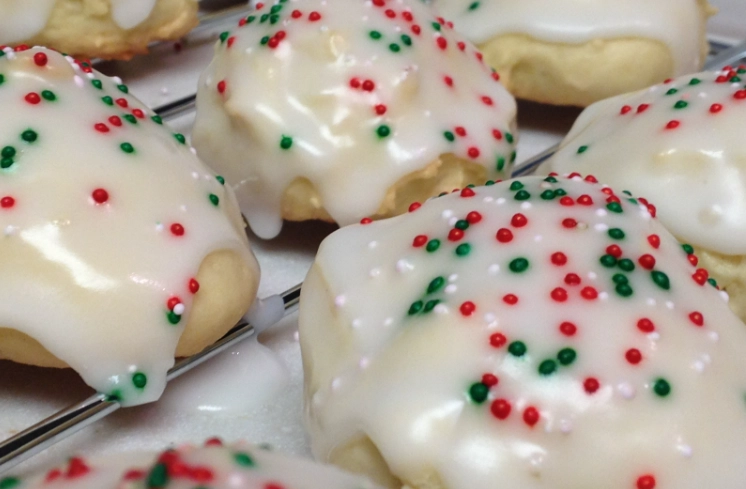
Buying and Baking Authentic Italian Cookies
You don't need a plane ticket.
Where to Buy the Real Deal
Skip the international aisle of big supermarkets. Go to Italian specialty stores or online retailers that import directly. Brands like Baldi, Matilde Vicenzi, and Loacker (for wafers) are reliable. For amaretti, look for Lazzaroni or Bistefani. Check the ingredients: real almonds, not just "almond flavor."
In many US cities, Italian bakeries in old neighborhoods are your best bet. In Boston's North End, Modern Pastry and Mike's Pastry have classic assortments. In New York, Veniero's in East Village has been selling pizzelle and biscotti for over a century.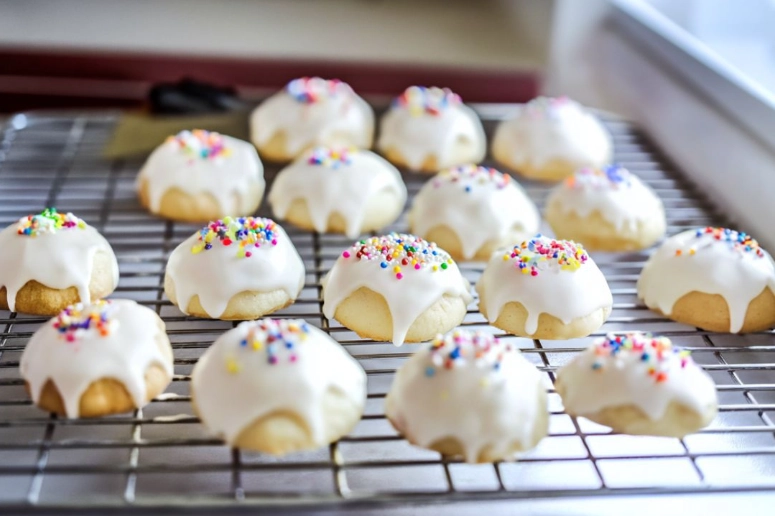
Baking Them at Home: The One Rule
You can bake these. Recipes are simple. The one non-negotiable rule? Weigh your ingredients. Baking is chemistry, especially with dry cookies. A cup of flour can vary by 20 grams; that's the difference between crisp and tough. Get a digital scale. It's the single best tip for consistent Italian cookies.
Start with a classic cantucci recipe. Toast your almonds first. Let the dough rest before the first bake. Don't slice them warm, or they'll crumble. Wait until they're just cool enough to handle.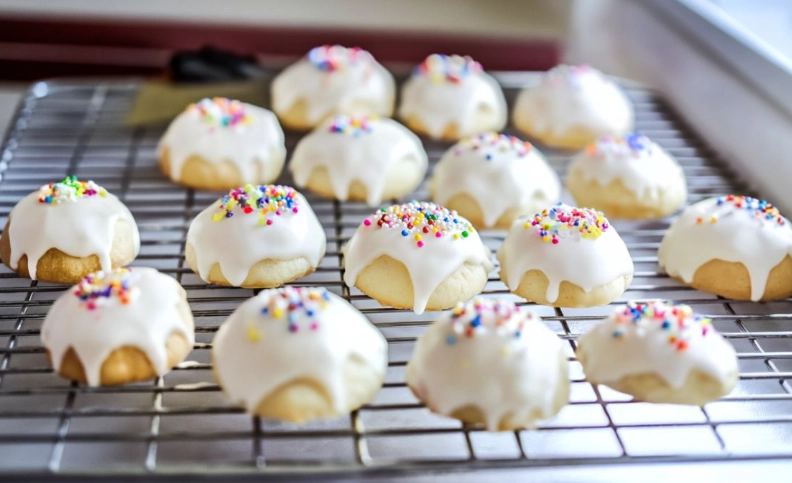
A common baking fail? Over-creaming butter and sugar for doughs that shouldn't be fluffy. For many Italian cookies, you just mix until combined.
Your Italian Cookie Questions, Answered
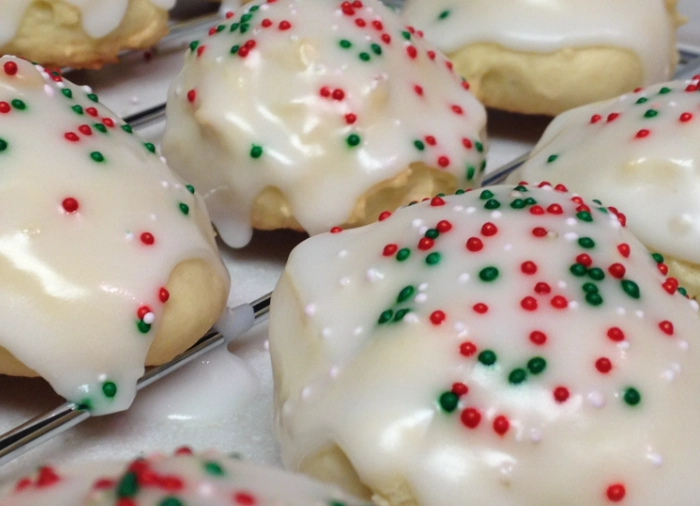
So, what are considered Italian cookies? They're a delicious, diverse world of baked goods defined by tradition, region, and practicality. It's about the crunch of a cantucci in your espresso, the chewy surprise of an amaretti, and the delicate pattern of a pizzelle. Start with the classics, explore the regions, and don't be afraid to get your scale out and bake. You'll discover there's far more to it than that one cookie you always dunk.
Related Articles
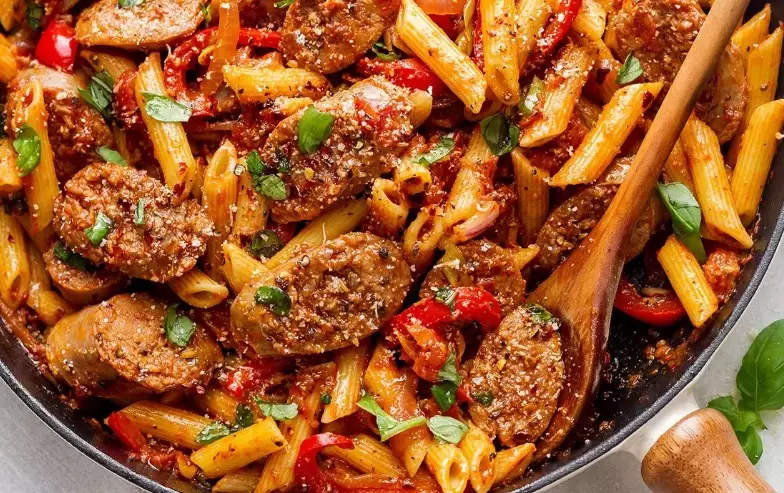
Italian Sausage Pasta Recipes: A Complete Guide to Classic Comfort Food
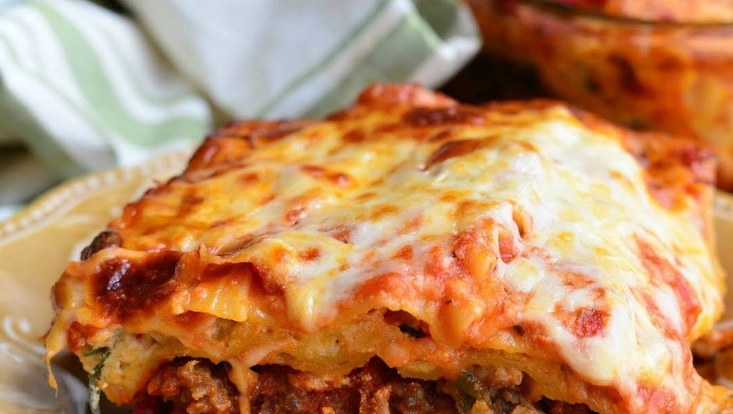
Authentic Ricotta Lasagna Recipe: Creamy Layers & Pro Tips
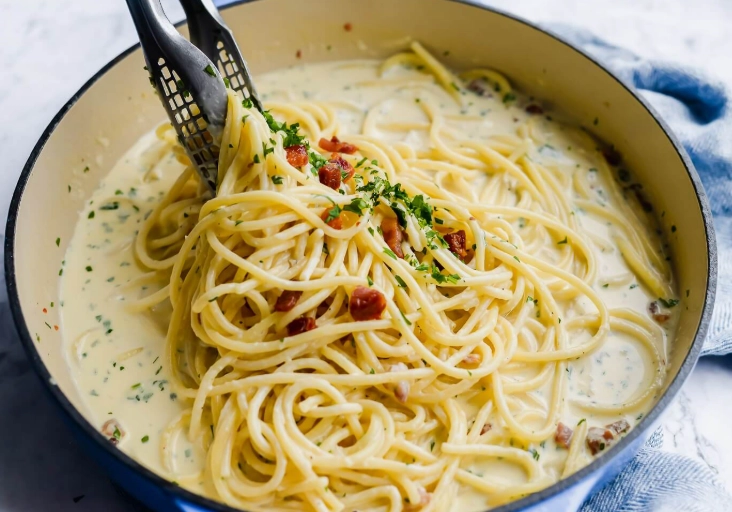
Authentic Carbonara Recipe (No Cream!): The Real Italian Way
Traditional Italian Recipes from Scratch: The Heart of Home Cooking
How to Assemble Italian Sliders: The Ultimate Guide for Perfect Party Food

Sold out! BYD official: The order is extremely large, the stock price has risen
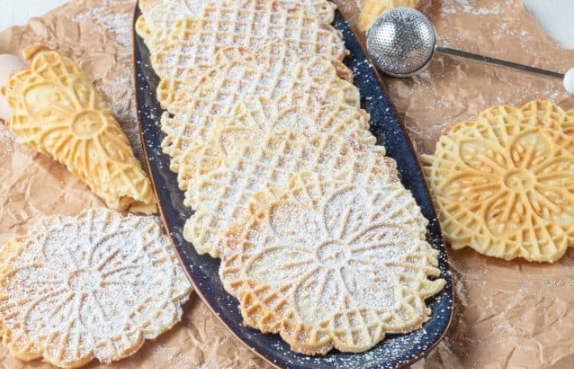
Creative Pizzelle Recipe Variations: From Classic Anise to Chocolate & More
Old Fashioned Italian Cookie Recipes: A Taste of Tradition
Authentic Italian Love Cake Recipe: The Ultimate 3-Layer Dessert Guide
Authentic Italian Chicken Breast Recipes: Fast, Healthy & Flavorful Dinners
Master Old School Italian Recipes: Authentic Pasta, Ragù & More
Easy Italian Holiday Dinner Recipes: Stress-Free Feasts for Any Celebration
Easy Italian Appetizers: Simple Recipes & Party Platters
Easy Italian Sausage Recipes for a Delicious Dinner | Quick & Flavorful
Easy Italian Regional Recipes: Authentic Dishes You Can Actually Make
What is the Traditional Drink of Italy? The Definitive Guide
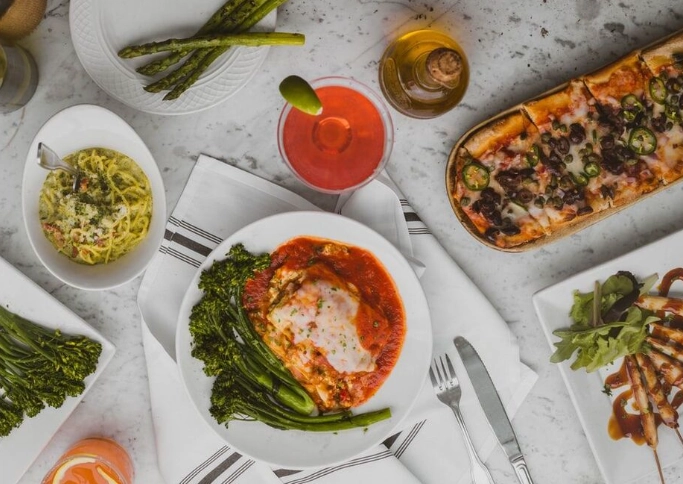
What are the 4 Classic Italian Dishes? A Food Lover's Guide
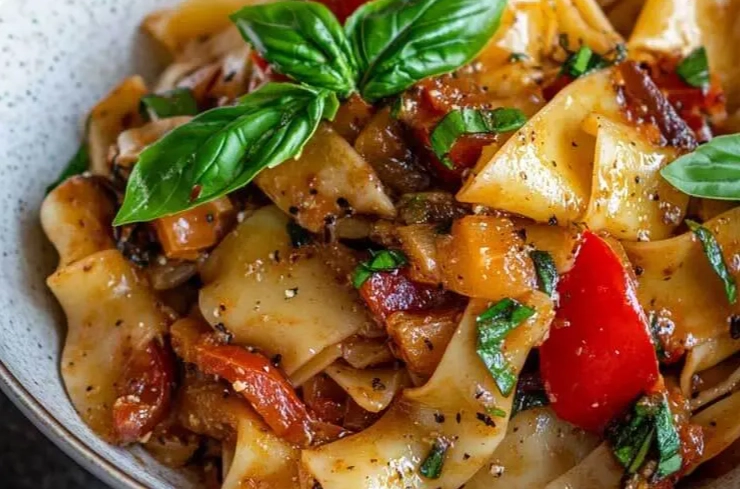
Authentic Italian Drunken Noodles Recipe (Pasta alla Ubriaca)
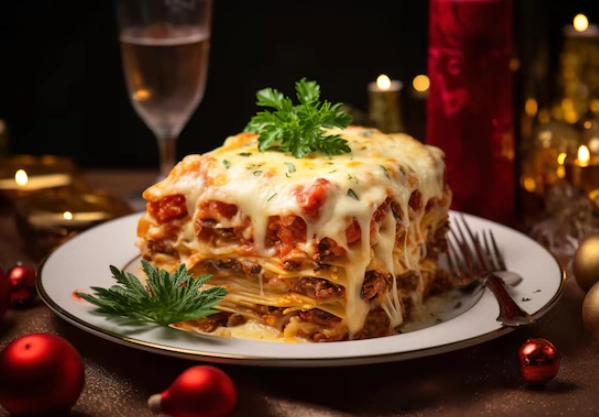
Authentic Italian Christmas Recipes: Traditional Dishes & Festive Menus
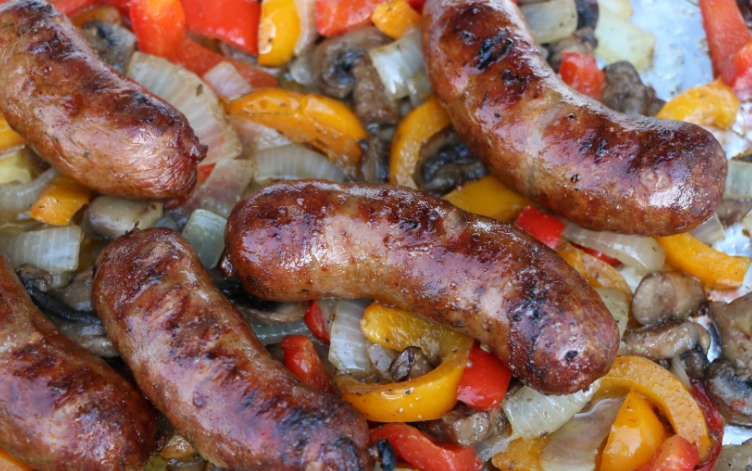
Perfect Pairings: What to Serve with Italian Sausage for Dinner

Still have to rely on Zhengzhou Foxconn? The truth about the swing between Apple
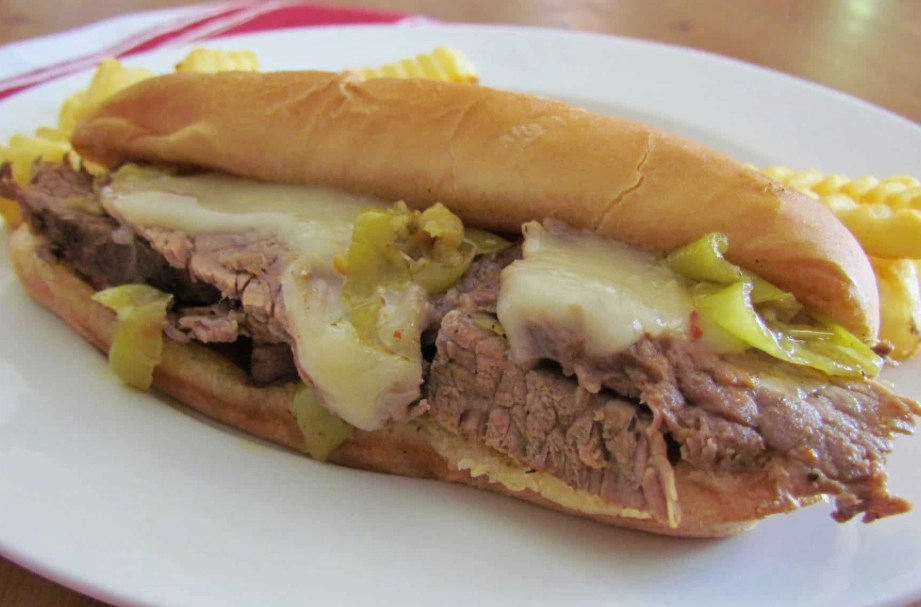
Authentic Italian Beef Sandwich Recipe | Easy Homemade Guide
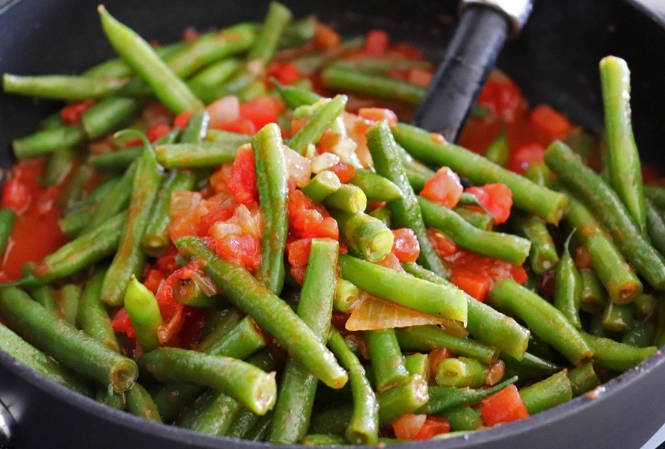
Authentic Italian Green Beans Recipe: A Classic Nonna's Method
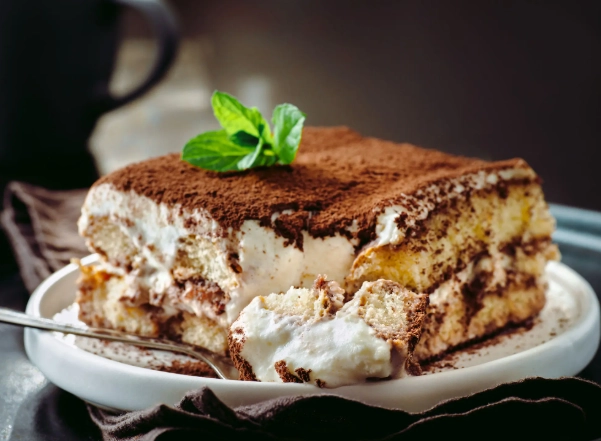
Ultimate Guide to Classic Italian Dessert Recipes from Tiramisu to Cannoli
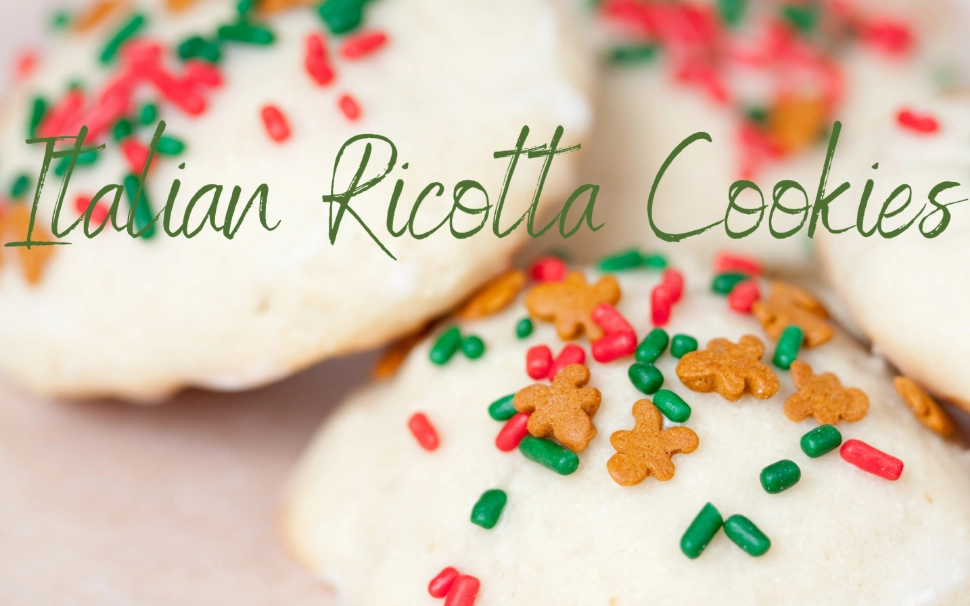
Authentic Italian Cookie Recipes: From Biscotti to Amaretti
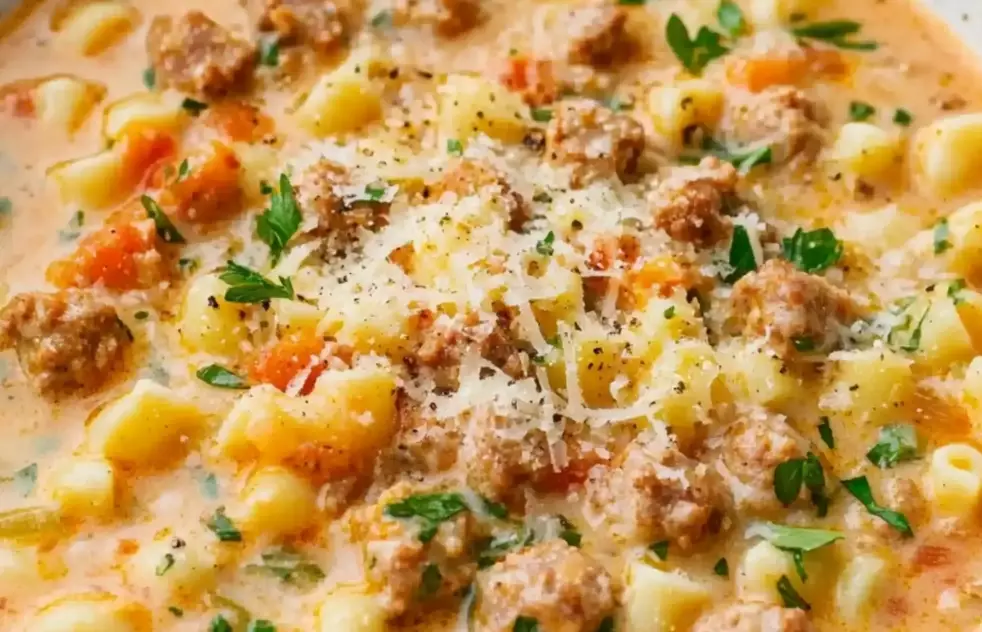
Italian Sausage Soup: Authentic Recipes & Pro Tips
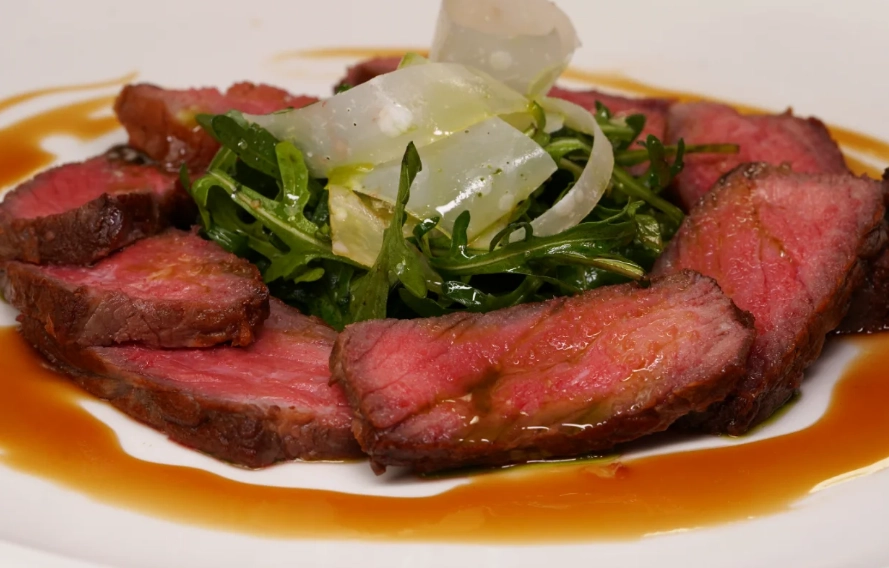
Authentic Italian Steak Recipe: Bistecca alla Fiorentina Guide
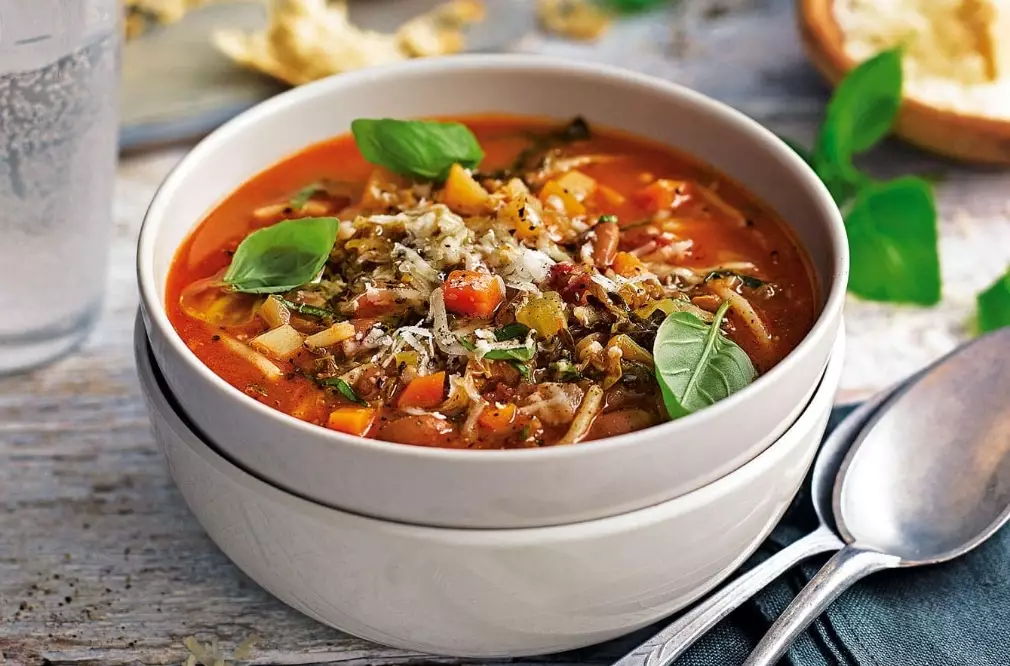
Italian Soup Recipe: Classic Minestrone & Hearty Ribollita Made Easy
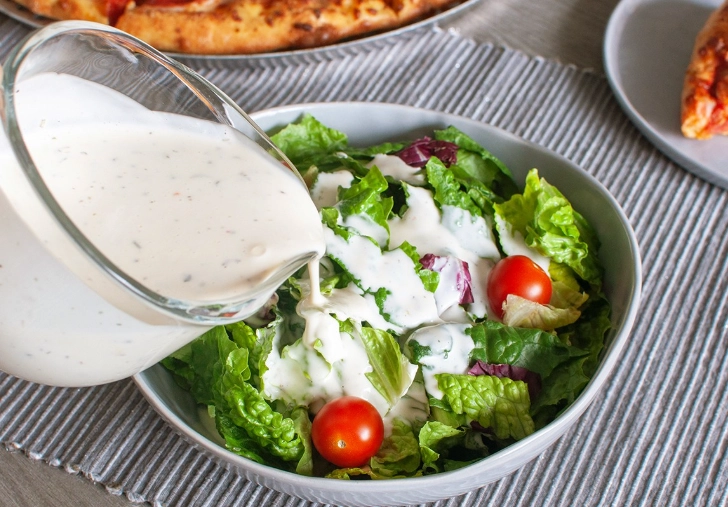
Easy Creamy Italian Dressing Recipe (Better Than Store-Bought)
Leave a Comment