Traditional Italian Cookie Recipes: Biscotti, Amaretti & More
Forget the store-bought versions. The real magic of Italian cookies lies in their simplicity, their regional stories, and the specific techniques passed down through generations. We're not just talking about sweets; we're talking about Biscotti designed for dipping in Vin Santo, about Amaretti so light they seem to defy gravity, and about almond-paste confections that melt in your mouth. I've spent years baking these, learning from nonne in Italy and through plenty of my own kitchen disasters. Let's get straight to the point: here are the authentic recipes and the insider tricks most online guides completely miss.
What You'll Find in This Guide
Biscotti Deconstructed: The Twice-Baked Truth
Everyone knows biscotti are twice-baked. But here's the first big mistake home bakers make: they think "twice-baked" means "rock hard." Authentic biscotti from Prato, the town that made them famous, have a definitive crunch but also a slight give. They're meant to release flavor when dipped, not break your teeth.
The Core Recipe (Classic Almond)
Ingredients: 2 cups all-purpose flour (00 tipo is ideal), 1 cup sugar, 3 large eggs, 1 cup whole almonds (skin-on, toasted), 1 tsp baking powder, pinch of salt, zest of 1 orange or lemon.
The Critical Steps:
First, mix the dry ingredients. Whisk the eggs and sugar until just combined—you're not making a cake, so no need for fluffy volume. Fold in the dry mix, then the almonds. The dough will be sticky and shaggy. This is normal. Flour your hands and shape it into two flat logs, about 12 inches long and 3 inches wide, on a parchment-lined sheet. Bake at 350°F (175°C) for 25-30 minutes until golden and firm to the touch.
Let them cool completely. This is non-negotiable. Slicing warm logs is the top reason for crumbly biscotti. Use a serrated bread knife and slice on a diagonal about 3/4-inch thick. Lay the slices cut-side down on the sheet. For the second bake, reduce the oven to 325°F (160°C). Bake for 10-15 minutes per side, flipping once. You want them dry and lightly toasted, not deeply browned.
The type of flour matters more than you think. While all-purpose works, using Italian "00" flour, which is finer and lower in protein, gives a more delicate, traditional crumb. If you can find it, it's worth the swap.
The Secret to Cloud-Like Amaretti Cookies
Amaretti from the town of Saronno are the gold standard. They're chewy, intensely almond-flavored, and have that iconic cracked top. The secret isn't just almond flour; it's the ratio of sweet to bitter almond and the use of ammoniac (baker's ammonia or ammonium carbonate).
Most recipes substitute baking powder. It works, but you lose that specific airy, dry interior texture. Baker's ammonia produces more gas and leaves no aftertaste as it evaporates completely. You can find it online or in specialty stores. Handle it with respect—the smell is strong when mixing, but it bakes out.
Pro Tip: If you must use baking powder, use half the amount and add an extra egg white. Whip the egg whites to soft peaks before folding them into the almond paste mixture. This incorporates air and mimics some of the lift you lose without ammonia.
Amaretti Morbidi vs. Secchi
There are two main types: morbidi (soft and chewy) and secchi (crisp and dry). The difference often comes down to the inclusion of a cooked sugar syrup or a higher proportion of egg white. For home bakers, starting with a morbidi recipe is more forgiving. They should be soft in the center, not cakey, with a slightly crisp shell from being rolled in powdered sugar before baking.
Ricciarelli di Siena: A Chewy Almond Masterpiece
These Tuscan diamonds are my personal favorite. They're made from almond paste, egg whites, and sugar, often flavored with orange zest. The texture is uniquely soft, chewy, and moist. The biggest challenge? Getting them to hold their iconic diamond shape without spreading into puddles.
The trick is in the preparation of the dough, or rather, the paste. You need to let it rest, wrapped tightly, in the refrigerator for at least 24 hours. This allows the almond flour to fully hydrate and the flavors to meld. The dough becomes firmer and much easier to handle. Shape them, dip them in powdered sugar, and let them dry on the sheet for an hour before baking. This forms a skin that helps them keep shape.
Don't overbake them. Ten minutes at 320°F (160°C) is often enough. They should remain pale on top with just the faintest hint of gold on the bottom. They'll feel soft when you take them out but firm up as they cool.
The Nonna-Approved Tips You Won't Find Elsewhere
After countless batches and conversations with Italian home bakers, here are the subtle points that separate good cookies from great ones.
Weigh Your Ingredients. This is critical for almond-based cookies. A cup of almond flour can vary in weight by 20% depending on how it's packed. Inconsistency is the enemy.
Toast Your Nuts and Flour. For biscotti, toasting the almonds deepens their flavor. For ricciarelli, toasting the almond flour lightly in a dry pan for a few minutes before using it removes raw flavor and enhances the nuttiness. Let it cool completely before proceeding.
The "Egg White Age" Myth. Many recipes call for aged egg whites. For amaretti and ricciarelli, room temperature egg whites are far more important than age. They whip better and incorporate more evenly. Just separate them and let them sit on the counter for 30 minutes.
Parchment Paper is Your Best Friend. Never skip it. Silicone mats can sometimes prevent proper browning on the bottom for cookies like biscotti.
One more thing. The Accademia Italiana della Cucina (Italian Academy of Cuisine) works to preserve these traditional recipes. Looking at their documented versions is a great way to check authenticity.
Your Italian Cookie Questions, Answered

Related Articles
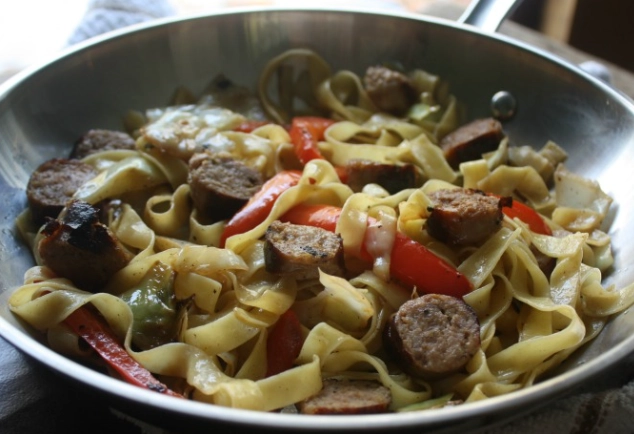
Simple Italian Sausage Dinners: Quick Recipes for Busy Nights
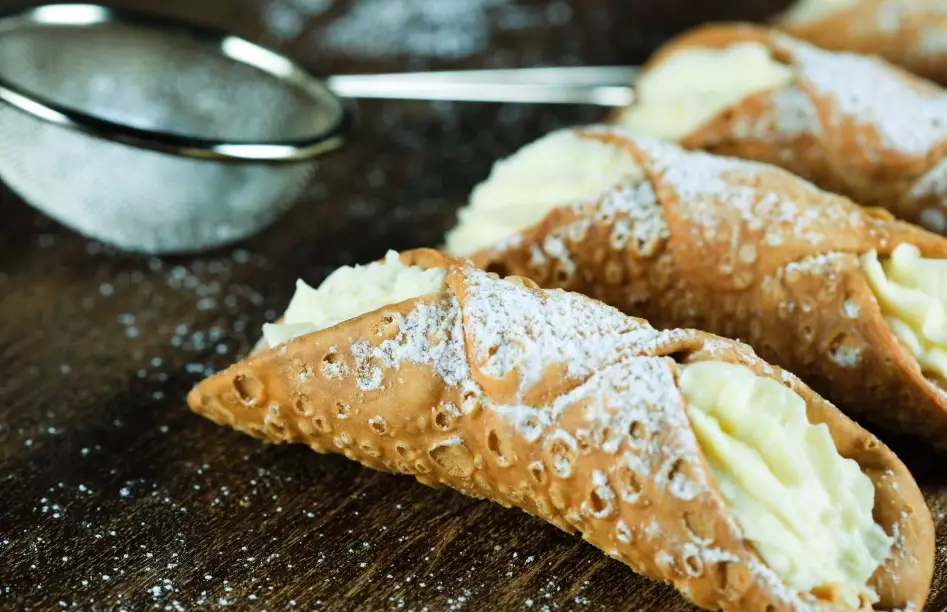
Authentic Italian Cannoli Recipe: Crispy Shells & Sweet Ricotta Filling

Sold out! BYD official: The order is extremely large, the stock price has risen
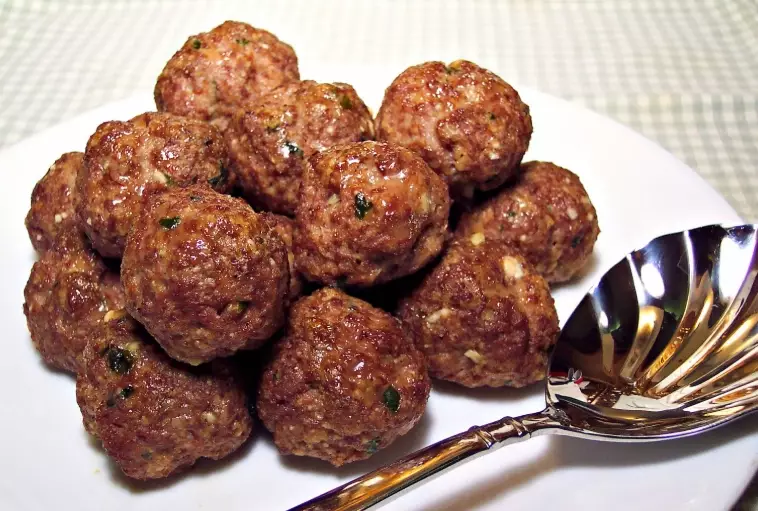
Authentic Italian Meatballs Recipe: Tender, Juicy & Full of Flavor
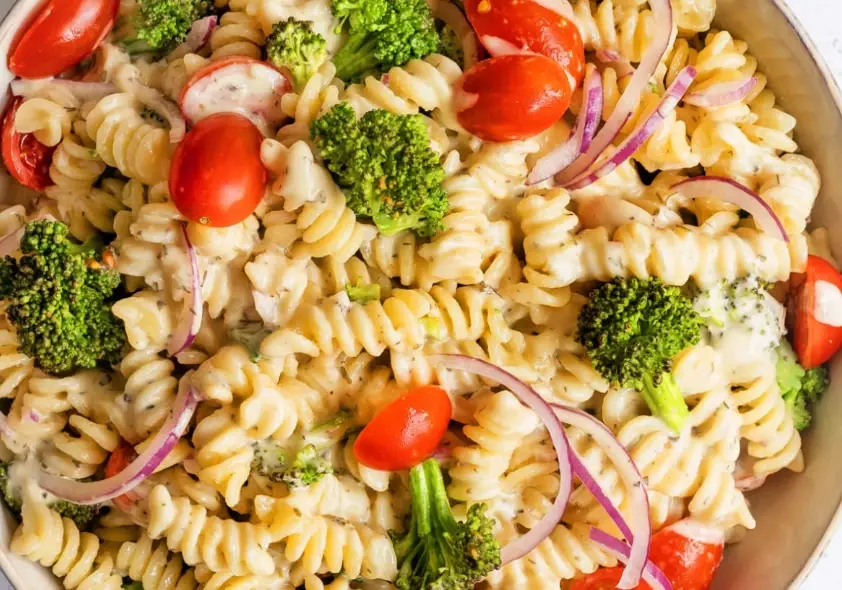
Perfect Pasta Salad Recipe with Homemade Italian Dressing
Authentic Italian Beef Sandwich Recipe | Easy Homemade Guide
Best Vegetarian Italian Dishes: Recipes & Cooking Tips
Authentic Pasta Carbonara Recipe: Original Italian Method (No Cream!)
Italian Buttercream Recipe: How to Make Perfectly Smooth Frosting
Authentic Italian Appetiser Recipes for Your Next Gathering

Classic Italian Bread Recipe: Authentic & Easy Homemade Loaf

With an increase of nearly 300%, the leader of "flying cars" took off, fearless
Ultimate Italian Margarita Recipe: How to Make the Perfect Amaretto Sour Twist
Traditional Italian Cookie Recipes: Biscotti, Amaretti & More
Ultimate Guide to Italian Meatball Recipes: From Classic to Creative

Breaking through 1.2 billion kilowatts, China has achieved its commitment to win
Unlock Flavor: 5 Essential Italian Seasoning Recipes & Pro Tips
Sweet Italian Sausage Recipes: From Classic Pasta to Creative Feasts
Italian Cream Cake Recipe: A Southern Classic with Italian Flair
Top 10 Italian Dishes You Must Try: Authentic Flavors Explained
Ultimate Guide to Classic Italian Dessert Recipes from Tiramisu to Cannoli

Three years and five visits to the Hong Kong Stock Exchange, can Wumart realize
Authentic Italian Salad Dressing Recipe: Easy, Zesty & Homemade
Ultimate Guide to Italian Sandwich Recipes: From Classics to Modern Twists
Authentic Italian Eggplant Recipes: From Parmigiana to Caponata
Traditional Italian Salads: A Guide to Freshness Beyond Caesar

Sausage Dinner Ideas: What Meals Can I Make with Sausages?
The Ultimate Italian Sandwich Recipe: A Step-by-Step Guide
Traditional Italian Recipes from Scratch: The Heart of Home Cooking
Leave a Comment