Classic Italian Salad Mix Ingredients & Homemade Recipe
You see it on menus everywhere, from casual trattorias to fine dining spots: the simple, refreshing Italian salad mix. It's often called Insalata Mista or Insalata Verde. But when you try to recreate it at home, the bagged "Italian blend" from the grocery store never quite hits the mark. It's either too bitter, too bland, or just feels... wrong. That's because a true Italian salad mix isn't a random toss of greens. It's a carefully balanced composition of textures and flavors, designed to cleanse the palate and complement rich pasta or meat dishes. Let's break down exactly what goes into it, why each ingredient matters, and how you can build a perfect one yourself.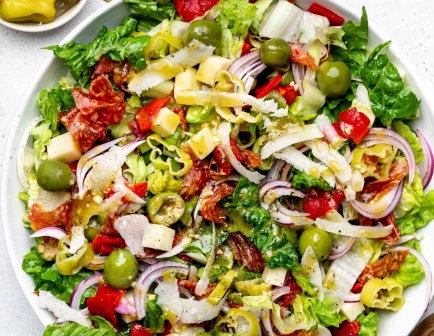
Your Quick Guide to Italian Salad Mix
Essential Greens in an Italian Salad Mix
The base is everything. In Italy, salads are rarely built on just one type of lettuce. The goal is a mix of textures: crisp, tender, and slightly bitter. Here are the non-negotiables.
1. Romaine Lettuce (Lattuga Romana)
This is the backbone, providing the crucial crunch. Forget the wilty outer leaves. You want the pale, sweet heart of the romaine, chopped into bite-sized pieces. It's sturdy enough to hold the dressing without getting soggy immediately. A common pitfall? Using only the dark green, tougher outer leaves which can be more bitter.
2. Arugula (Rucola or Rocket)
This is the secret weapon. A handful of arugula adds that signature peppery, slightly bitter kick that defines an Italian salad for many people. It cuts through the richness of the meal. Don't overdo it—it should be an accent, not the main event. Baby arugula is milder; mature arugula brings more punch.
3. Radicchio
That beautiful purple leaf isn't just for color. Radicchio brings a distinctive, assertive bitterness and a wonderful crisp texture. The Chioggia variety (round like a small cabbage) is most common. Tear it into pieces. If you find it too bitter, soak it in ice water for 10 minutes before using. This step is a game-changer few home cooks know about.
The Texture Trio: Think of it this way—Romaine is the crisp crunch, Arugula is the tender pepper, and Radicchio is the colorful, bitter snap. Getting the ratio right (about 5 parts romaine to 1 part each of arugula and radicchio) is more important than the exact ingredients.
The Supporting Cast: Classic Vegetables & More
Beyond the greens, you'll often find a few key additions. These are not all mandatory at once, but they appear consistently.
| Ingredient | Role in the Salad | Prep Tip |
|---|---|---|
| Cherry or Grape Tomatoes | Bursts of sweetness and acidity. Halved or quartered. | Use the sweetest you can find. In winter, roasted peppers can be a better substitute. |
| Red Onion | Sharp, pungent bite. Always used thinly sliced. | Soak slices in ice water for 5-10 mins to mellow the harshness. This is a pro move. |
| Carrots (Julienned) | Subtle sweetness and great texture contrast (crunchy but different from lettuce). | Peel and cut into matchsticks, don't grate. Grated carrot turns mushy and wet. |
| Fennel (Finocchio) | A distinctly Italian touch. Adds a wonderful anise-like flavor and fantastic crunch. | Slice paper-thin with a mandoline. Use both the bulb and some of the fronds as garnish. |
| Cucumber | Cooling, hydrating element. Usually peeled and sliced. | If seeds are large, scoop them out with a spoon to prevent a watery salad. |
You might also find black olives (like Gaeta or Taggiasca), shaved Parmesan (Parmigiano-Reggiano, not the pre-grated stuff), or canned tuna in more substantial versions. But the core Insalata Mista usually sticks to the greens and a few veggies.
What is the Dressing on an Italian Salad?
This is where many imitations fail spectacularly. A classic Italian salad dressing is NOT a creamy, thick, or sugary concoction. It is a simple, vibrant vinaigrette known as condimento all'aceto or salsa verde (in its simplest form). Its primary job is to enhance, not smother.
The absolute core ingredients are:
- Extra Virgin Olive Oil (EVOO): The star. Use the best fruity, peppery oil you can afford. It should taste good enough to dip bread in.
- Wine Vinegar or Lemon Juice: Red wine vinegar is traditional, offering a mellow acidity. White wine vinegar or fresh-squeezed lemon juice are also common. Balsamic vinegar is not traditional for a simple green salad—it's too sweet and heavy. Save it for Caprese or drizzling over strawberries.
- Salt: Fine sea salt. It's crucial for balancing the acidity and waking up the greens.
- Black Pepper: Freshly ground.
That's it. No mustard, no honey, no garlic (usually—though a rubbed clove in the bowl is an old trick), and certainly no dried "Italian seasoning" herb blends.
How to Make Italian Salad Dressing from Scratch
Let's make it foolproof. I've been making this for years, and the ratio never fails.
- Choose your vessel: A small bowl or a clean jam jar.
- The Ratio: Remember 3:1. Three parts oil to one part acid. For a salad for four, that's 6 tablespoons of EVOO to 2 tablespoons of red wine vinegar or lemon juice.
- Season First: Add a big pinch of salt and several grinds of pepper to the acid. Whisk or shake to dissolve the salt slightly. This is key—seasoning the acid base helps it emulsify better with the oil.
- Add Oil Slowly: Drizzle in the oil while whisking vigorously, or put everything in the jar and shake like crazy for 30 seconds.
- Taste and Adjust: Dip a piece of lettuce in. Needs more salt? More acid? Adjust. The dressing should taste a bit sharp on its own—it will mellow once on the greens.
Common Mistakes & Pro Tips for Assembly
I've eaten enough soggy, overdressed, or bland "Italian" salads to write a book. Here’s how to avoid the usual traps.
Mistake #1: Dressing the salad too early. Dress the salad right before serving. The salt in the dressing will draw water out of the greens, making them wilt. Toss with your hands—it's gentler and more thorough than tongs.
Mistake #2: Using a wooden salad bowl that's never washed. That "seasoned" bowl often just holds rancid oil. Wash your bowl. If you want garlic flavor, rub a cut clove on the inside of the clean bowl before adding greens.
Mistake #3: Neglecting the water content of your veggies. Wash your greens, but then dry them thoroughly. A salad spinner is essential. Water on the leaves will dilute your dressing, making it weak and causing it to slide off.
Pro Tip for Leftovers: If you think you might have leftovers, dress individual portions. Keep the undressed salad in a large container lined with a paper towel to absorb moisture. It'll stay crisp for days.
Your Italian Salad Questions Answered
So, there you have it. The next time you wonder what's in that refreshing salad at your favorite Italian restaurant, you know it's not magic—it's a thoughtful combination of crisp romaine, peppery arugula, bold radicchio, and a few fresh vegetables, all brought together by a perfectly balanced oil and vinegar dressing. Skip the pre-mixed bag, grab a head of romaine, and taste the difference authenticity makes.
Related Articles
Top 10 Italian Dishes Veg: Best Vegetarian Pasta & Mains Guide
Ultimate Guide to the Best Italian Meatball Recipe

Breaking through 1.2 billion kilowatts, China has achieved its commitment to win
Simple Italian Vegetarian Recipes: 5 Easy Dishes for Weeknights
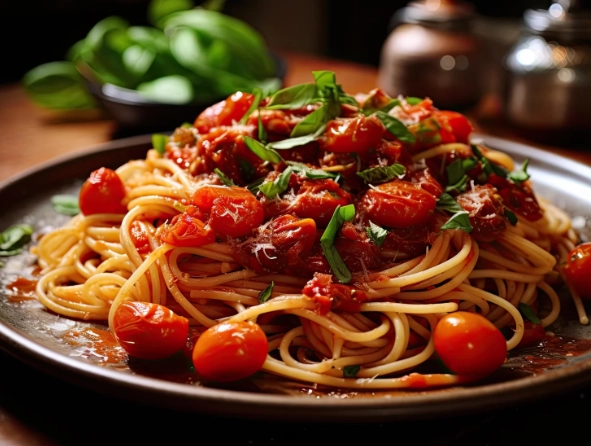
Authentic Italian Cuisine Recipes: From Classics to Regional Secrets
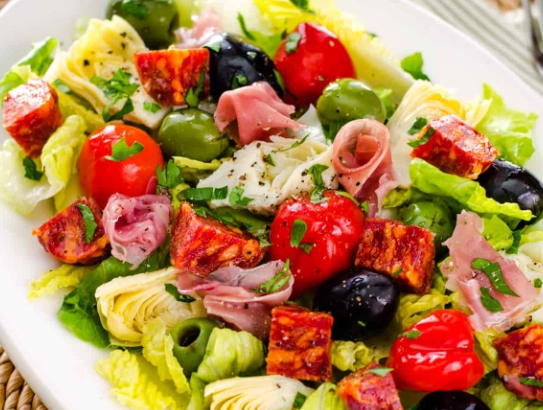
Traditional Italian Salad Names: A Guide to Authentic Recipes & History
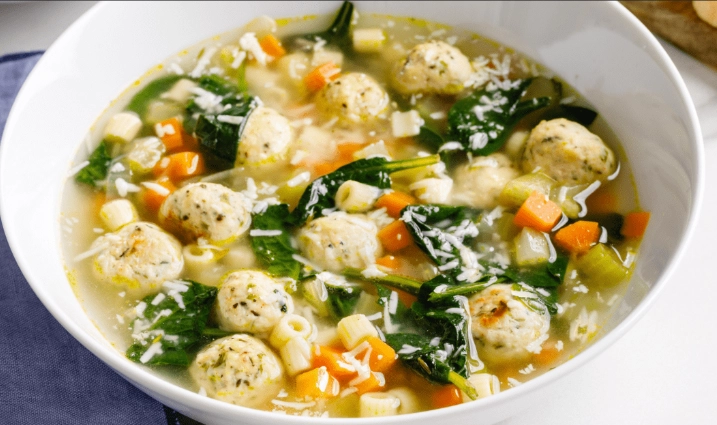
Easy Italian Wedding Soup Recipe (Authentic Flavor, Simple Steps)

Authentic Italian Cocktail Recipes: From Classics to Modern Twists
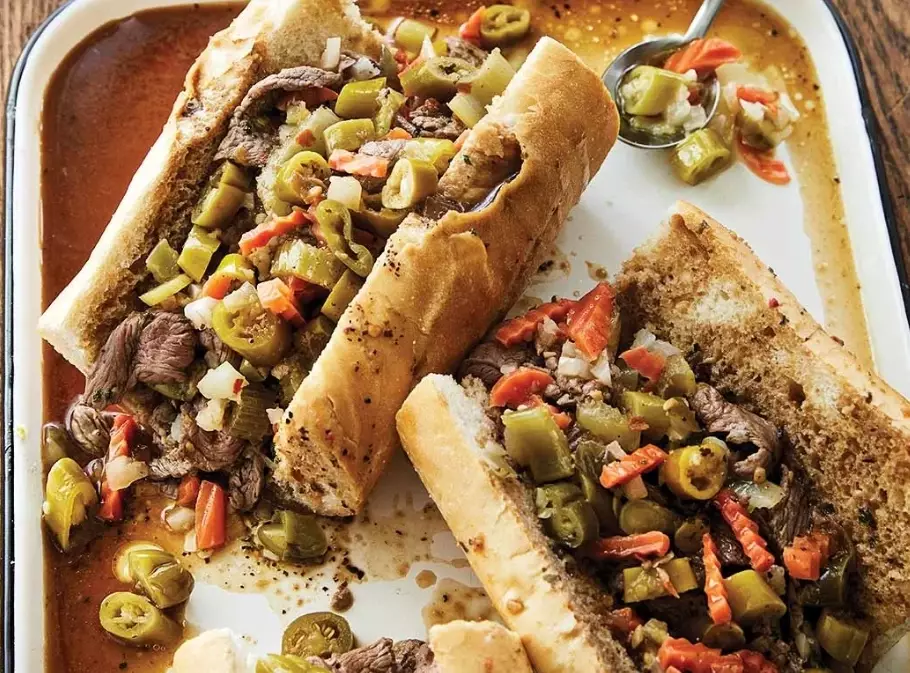
Authentic Italian Beef Recipe: Slow-Cooked Chicago-Style Sandwiches
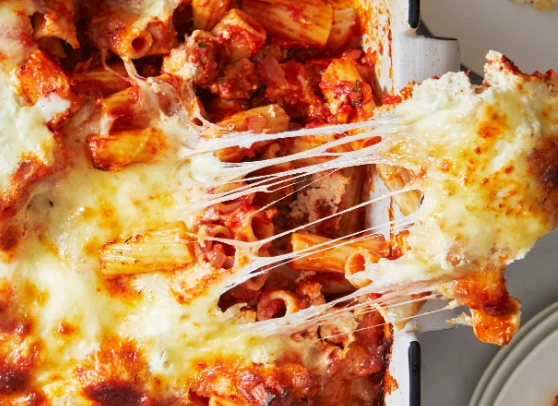
Ultimate Guide to Classic Italian Baked Pasta Dishes
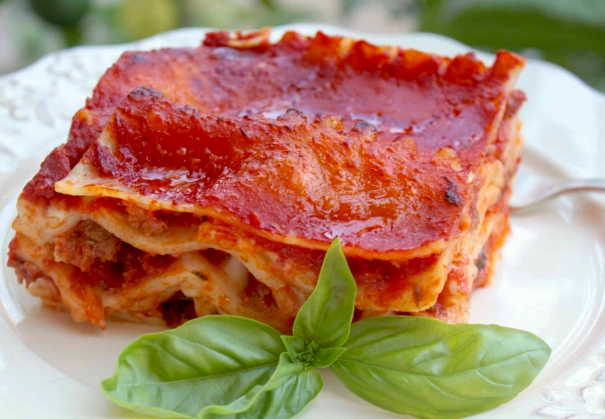
Authentic Italian Recipes: Your Ultimate Guide to Mastering Classics at Home
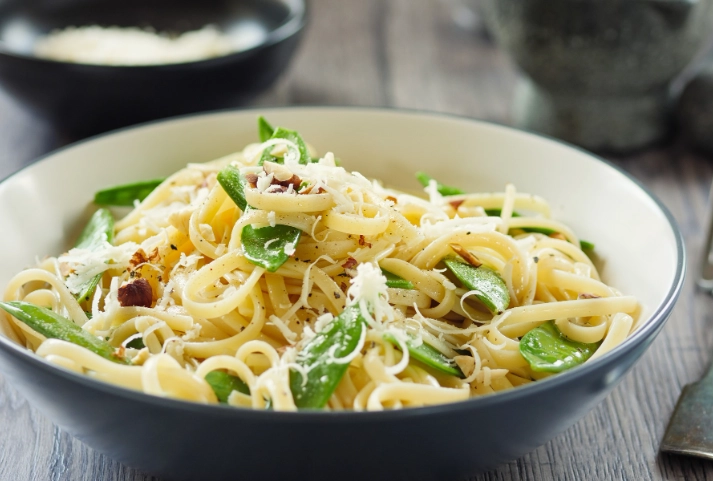
Classic Italian Pasta Recipes: Authentic Dishes You Can Master
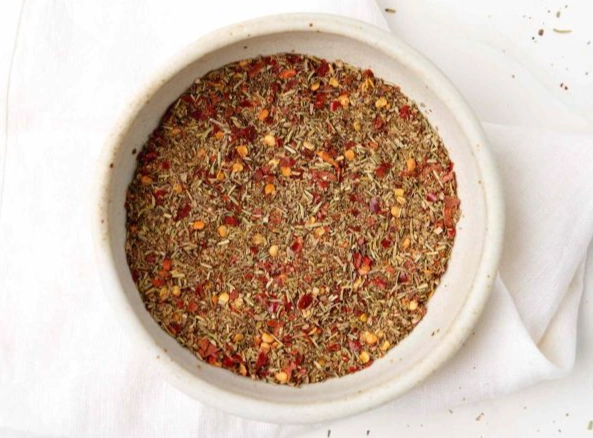
Unlock Flavor: 5 Essential Italian Seasoning Recipes & Pro Tips
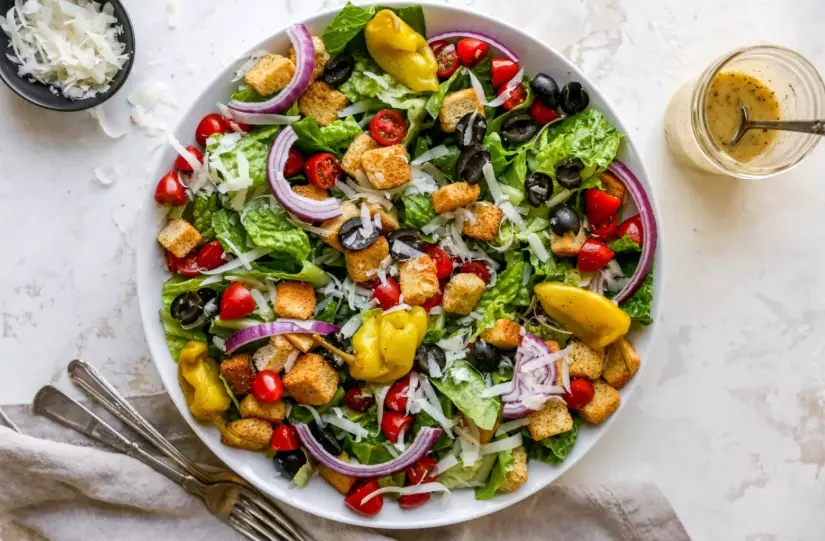
Best Italian Salads You Can Actually Make at Home
Easy Authentic Italian Minestrone Soup Recipe & Secrets
Ultimate Italian Beef Crock Pot Recipe: Tender & Juicy
4 Famous Italian Pastas: Types, History & Cooking Guide
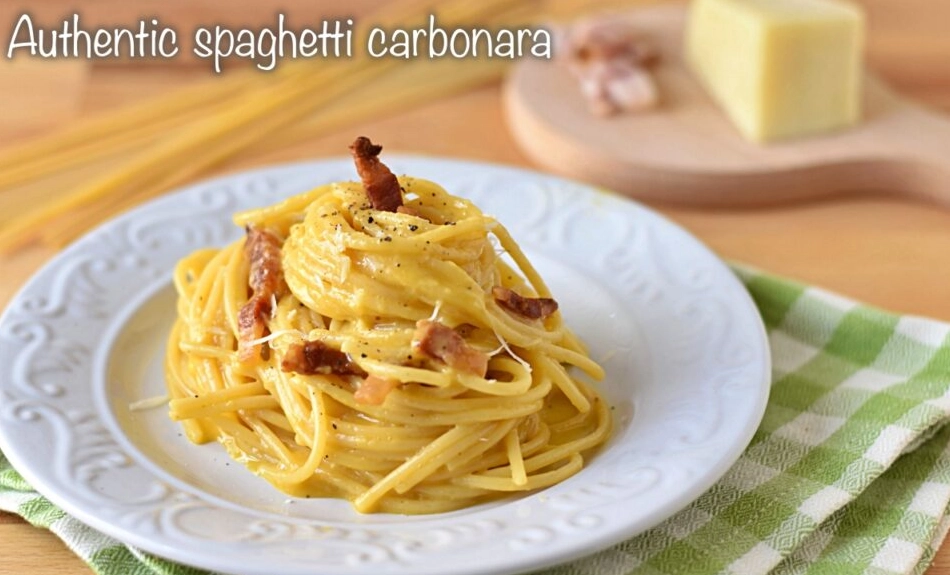
Authentic Carbonara Recipe: The Real Italian Way (No Cream!)

The Most Popular Cocktail in Italy: A Deep Dive into the Aperol Spritz

The only Olympic TOP partner in China's consumer goods industry: Mengniu's pursu
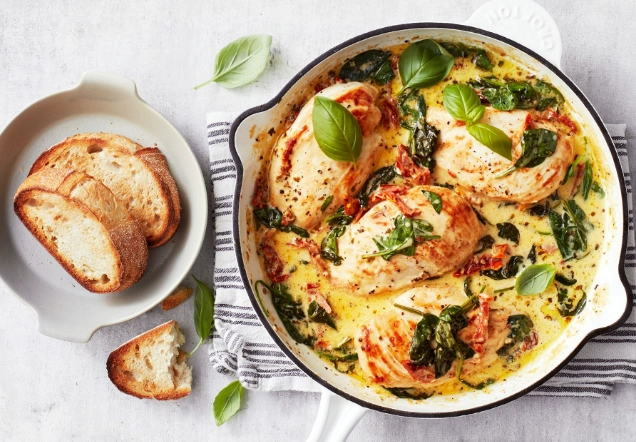
Authentic Italian Dinner Recipes from Regional Cuisines
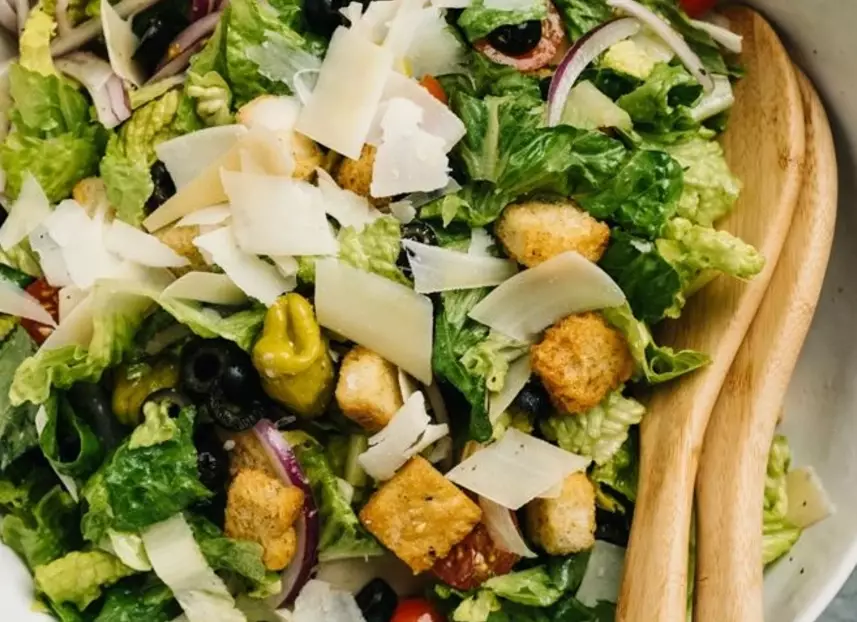
Italian Salad Recipe: Authentic, Easy & Delicious Step-by-Step Guide
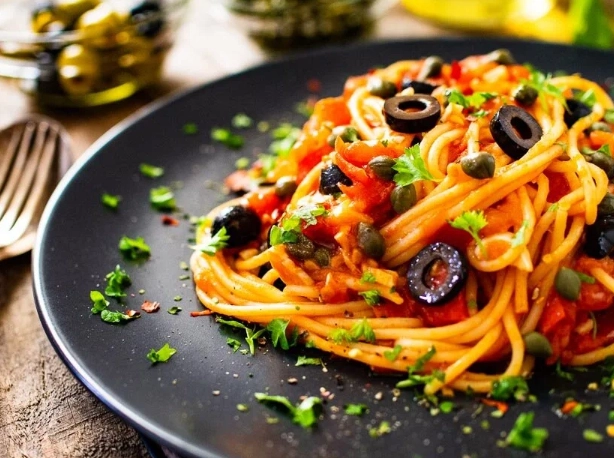
Top 10 Italian Dinner Dishes: A Curated Guide for Authentic Meals
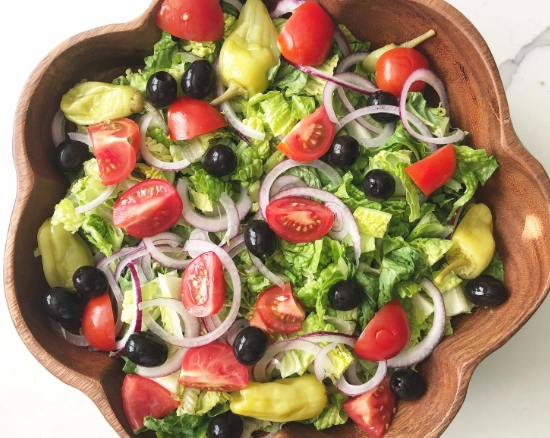
Simple Italian Salad Recipes: Easy, Authentic & Delicious
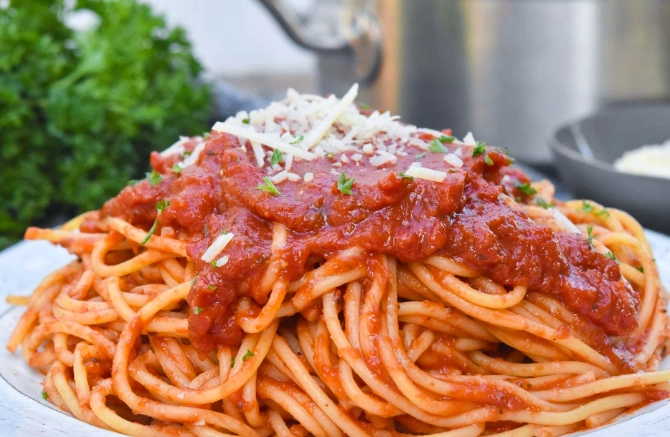
Traditional Italian Pasta Sauce: The Complete Guide to Authentic Recipes & Secrets
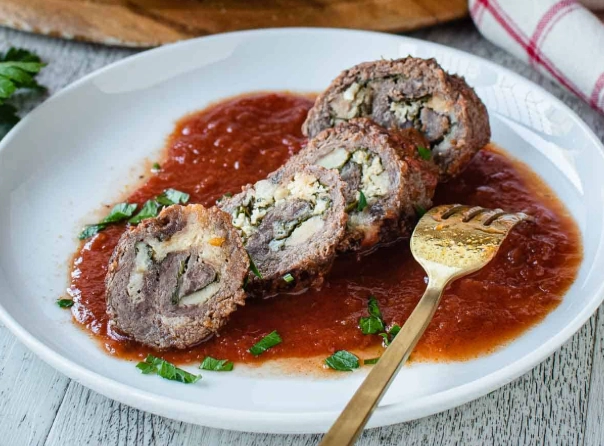
Italian vs American Braciole: The Real Differences Explained
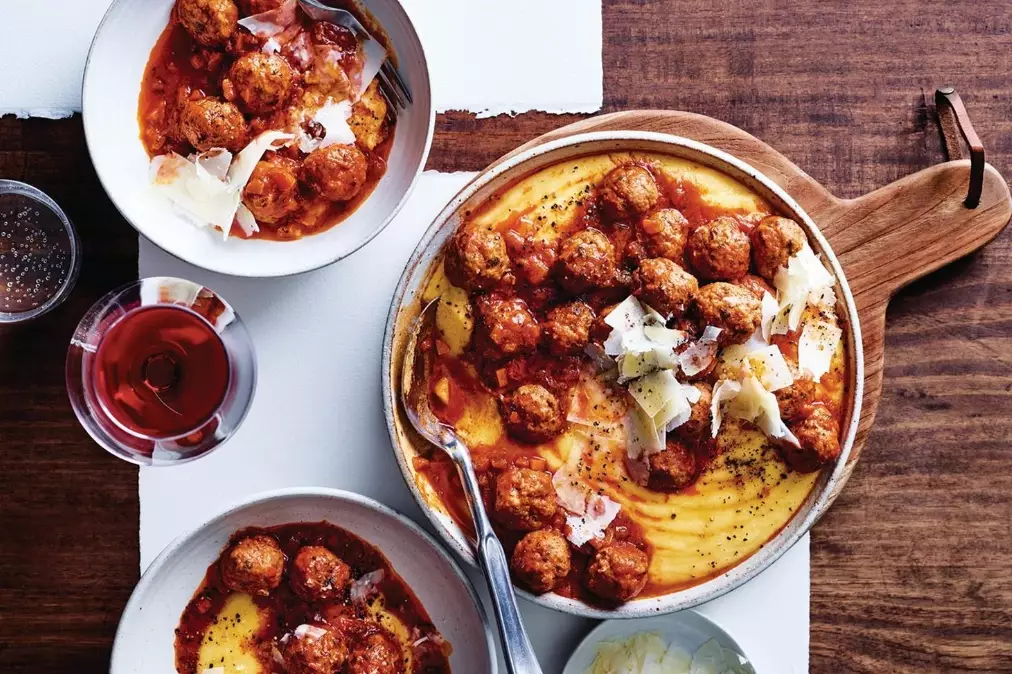
Authentic Italian Recipes: Secrets from a Roman Kitchen

Three years and five visits to the Hong Kong Stock Exchange, can Wumart realize
Healthy Italian Vegetarian Recipes: Flavorful Main Dishes Made Easy
Leave a Comment