Traditional Italian Salad Names: A Guide to Authentic Recipes & History
Ask most people outside Italy to name an Italian salad, and you'll probably hear "Caesar salad." Here's the thing—that salad isn't Italian at all. It was invented in Tijuana, Mexico. The real traditional Italian salad names tell stories of regions, seasons, and la cucina povera (the cuisine of the poor), transforming simple, fresh ingredients into dishes that are central to the meal, not an afterthought. From the sun-drenched tomatoes of Campania to the bitter greens of the North, each salad has a name rooted in place and purpose. Let's cut through the misconceptions and dive into what these names really mean, how to make them authentically, and where you can taste the real deal.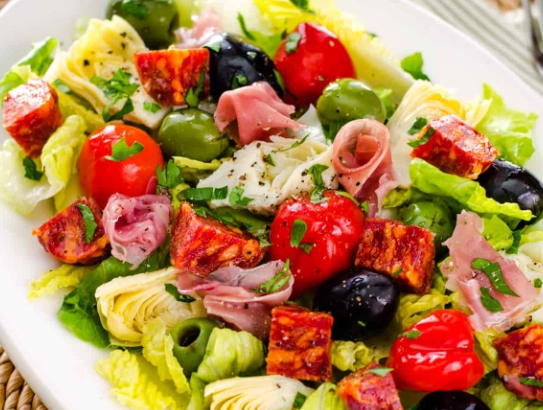
What's Inside?
Salads Named by Region & Place
In Italy, geography is destiny, especially for food. A salad's name often serves as its birth certificate.
Insalata Caprese
From the island of Capri. This is summer on a plate. It's deceptively simple: ripe tomatoes, fresh mozzarella (fior di latte for the classic, mozzarella di bufala for luxury), basil, extra virgin olive oil, salt. No balsamic glaze. Ever. I've seen it drizzled over perfect Caprese in tourist spots, and it physically hurts. The sweetness fights the clean, milky, and herbal notes. The magic is in the quality. The tomatoes must be room temperature and fragrant. The olive oil should be a vibrant, peppery new harvest. If your ingredients aren't singing, you're just eating sliced cheese and tomato.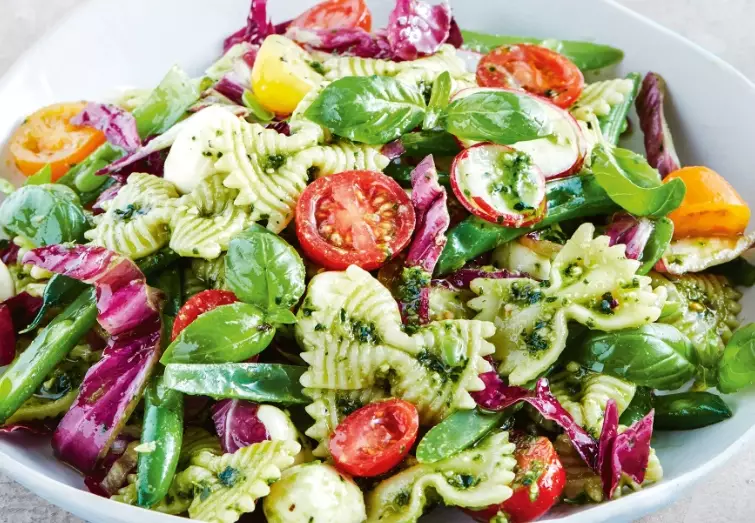
Panzanella
A Tuscan masterpiece born from thrift. Stale bread is its heart. You soak it in water, then squeeze it out before mixing with tomatoes, red onion, cucumber, and basil. The dressing is always a simple salmoriglio of oil, vinegar, salt, and pepper. The biggest error? Using fresh bread. It turns into a soggy, gluey mess. You need the sturdy, porous structure of day-old (or older) Tuscan bread, which has no salt, to soak up the juices without disintegrating. It's a textural revelation—chewy, juicy, and bright all at once.
Insalata di Riso
You'll find this in the Lombardy and Veneto regions, especially at sagre (local food festivals). It's a hearty, picnic-style salad with rice (usually short-grain like Originario), tuna, olives, pickled vegetables (giardiniera), hard-boiled eggs, and peas, all bound with mayonnaise. It's the antithesis of a light green salad and is a full meal. The rice must be cooked al dente and cooled properly, or it becomes a starchy block.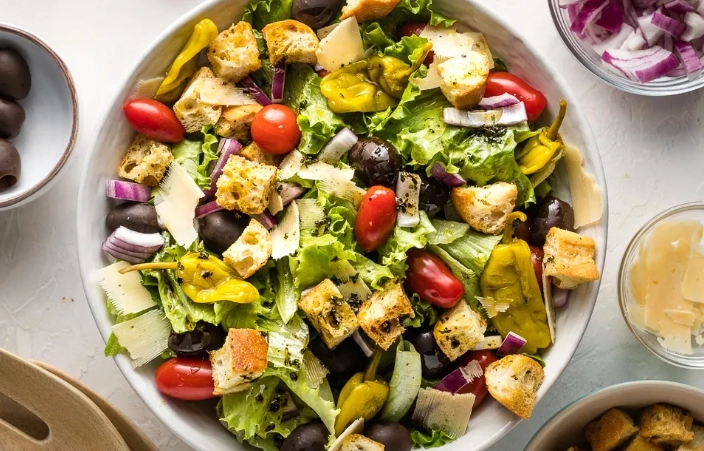
Pro Tip from a Roman Chef: "Americans overdress salads. In Italy, we season greens with salt first, then a light gloss of oil, maybe a drop of vinegar. The goal is to enhance, not drown. The leaves should glisten, not swim."
Salads Named by Their Star Ingredient
Sometimes the name just tells you exactly what you're getting. No mystery, just delicious focus.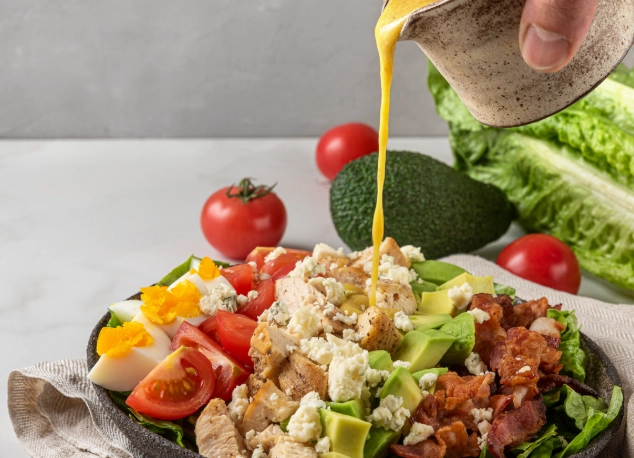
| Salad Name | Key Ingredient(s) | Region of Origin | Key Characteristic |
|---|---|---|---|
| Insalata di Finocchio e Arancia | Fennel, Orange | Sicily | Refreshing, sweet-anise crunch; often has black olives. |
| Insalata di Mare | Mixed Seafood (mussels, squid, shrimp) | Coastal areas nationwide | Cooked seafood, dressed with lemon, oil, parsley. A primo or light main. |
| Insalata di Radicchio | Radicchio (especially Treviso) | Veneto | Bitter, colorful; often paired with beans, pancetta, or walnuts. |
| Insalata di Patate | Potatoes | Countrywide (varies) | Warm potato salad, often with onions, parsley, white wine vinegar. |
Take Insalata di Finocchio e Arancia. It's a Sicilian winter staple. The trick is to slice the fennel paper-thin, preferably with a mandoline, and to supreme the oranges to remove all pith. The combination with salty olives and a drizzle of wild fennel pollen (if you can find it) is unforgettable. It cuts through rich pasta dishes perfectly.
Insalata di Mare is a menu staple in trattorias along the Amalfi Coast or in Liguria. The seafood is always lightly boiled or poached, never overcooked. The dressing is never creamy. It's a lesson in simplicity where the quality of the catch is everything.
The One Mistake Everyone Makes with Italian Salads
Beyond overdressing, there's a conceptual error. Many think of Italian salads as a bowl of lettuce. But often, lettuce isn't the star. Think of Carciofi alla Romana (braised artichokes) served at room temperature—that's a salad. Or Peperonata (stewed peppers). These are contorni (side dishes) that function as salads.
The true common thread is seasonality and locality. You won't find a true Caprese in a good Italian restaurant in January. They'll serve an Insalata di Inviolata (endive and walnut salad) instead. This rigid adherence to what's fresh and local is what separates an authentic Italian salad from a generic "house salad."
I once asked a producer at the Mercato di Campagna Amica in Rome why they don't grow more out-of-season produce for demand. He shrugged. "It doesn't taste right. Why would we eat it?" That mindset is in every traditional recipe.
Where to Taste Authentic Italian Salads
Reading recipes is one thing, tasting them in context is another. If you're planning a trip, or just want to vet your local Italian spot, here's what to look for.
In Rome: For a classic Insalata Romana (hearts of romaine, anchovy dressing), head to a old-school trattoria in Trastevere like Da Enzo al 29. It's sharp, salty, and crisp. Expect to pay around €8-10. They're open for lunch and dinner, but go early or reserve.
In Florence: You must try Panzanella here. Trattoria Sostanza (also known as "Il Troia"), while famous for its butter chicken, does a stellar version in summer. It's about €9. A rustic, no-frills place with shared tables.
In Sicily (Palermo): The Insalata di Finocchio e Arancia at Antica Focacceria San Francesco is a revelation amidst the chaos of the Vucciria market. It's cheap, maybe €5, and the perfect palate cleanser after their famous pani ca meusa (spleen sandwich). Open from late morning until late.
At Home: Your best bet for authentic ingredients is to seek out specialty importers or Italian markets. For olive oil, look for a harvest date on the bottle. For canned tuna for an Insalata di Riso, get Italian tonno pinna gialla (yellowfin) in olive oil. It's firmer and more flavorful.
Your Questions, Answered by a Chef
Related Articles
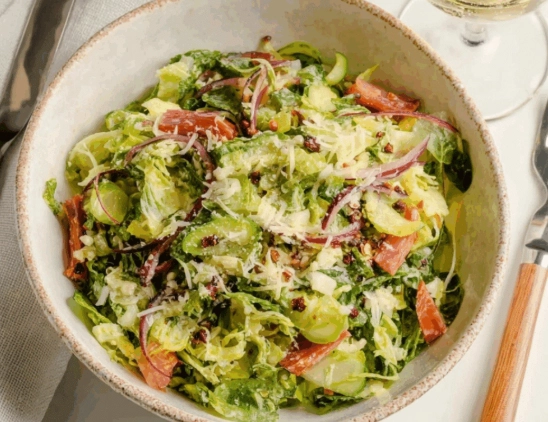
The Famous Chopped Salad Recipe: A Step-by-Step Guide to Perfection
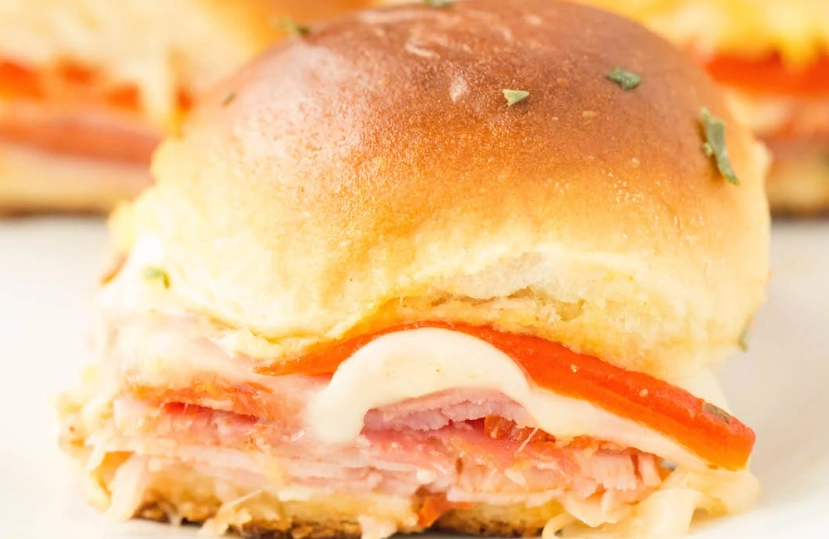
How to Assemble Italian Sliders: The Ultimate Guide for Perfect Party Food
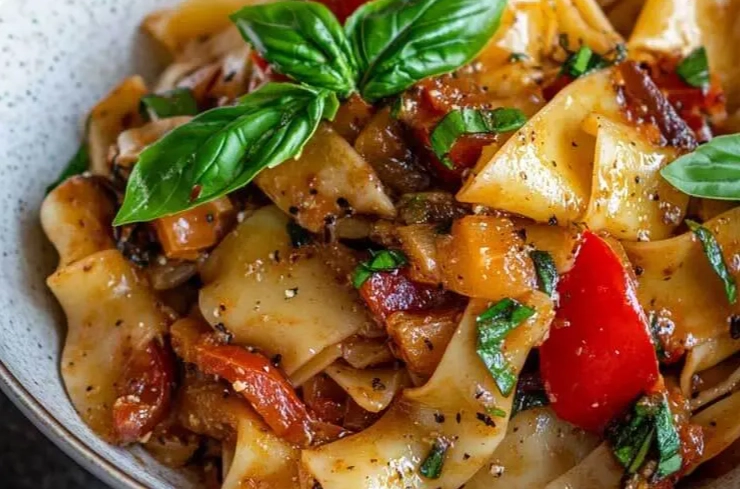
Authentic Italian Drunken Noodles Recipe (Pasta alla Ubriaca)
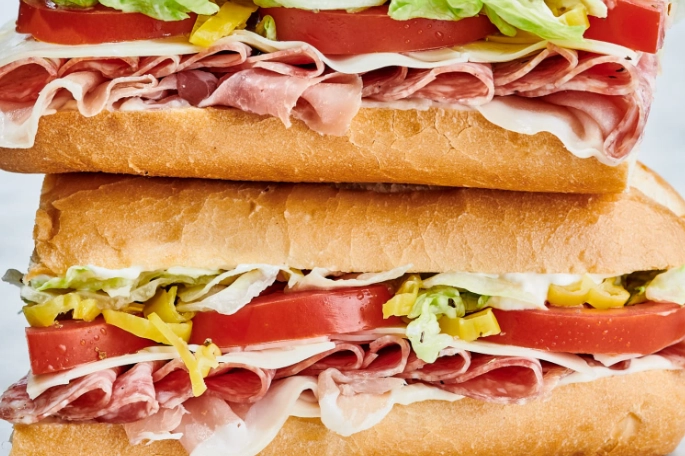
Ultimate Guide to Italian Sandwich Recipes: From Classics to Modern Twists
Authentic Pasta Carbonara Recipe: Original Italian Method (No Cream!)
A Typical Italian Dinner at Home: The Real Menu & Traditions
Easy Creamy Italian Dressing Recipe (Better Than Store-Bought)
Cold Italian Appetizers: The Ultimate Guide to Antipasti & Finger Foods
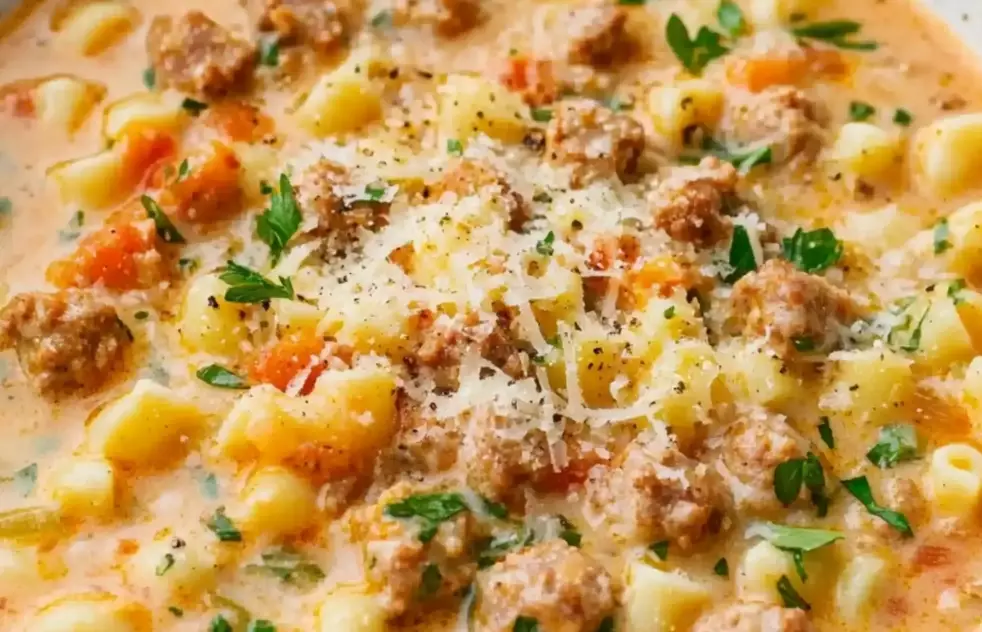
Italian Sausage Soup: Authentic Recipes & Pro Tips
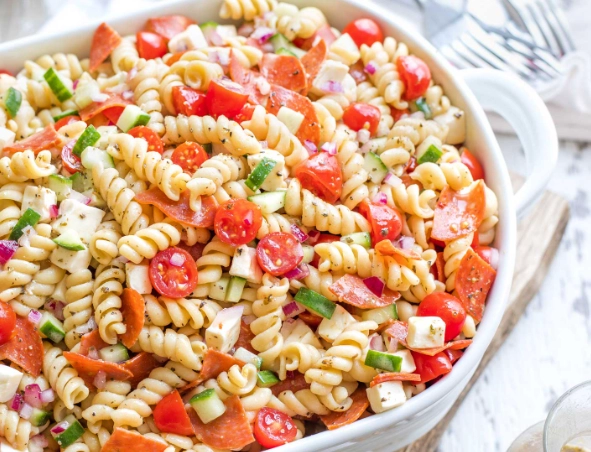
Authentic Italian Pasta Salad Recipe: Easy & Flavorful

Authentic Italian Cocktail Recipes: From Classics to Modern Twists

Geely and Zeekr have the best semi-annual reports, half of which rely on sales g
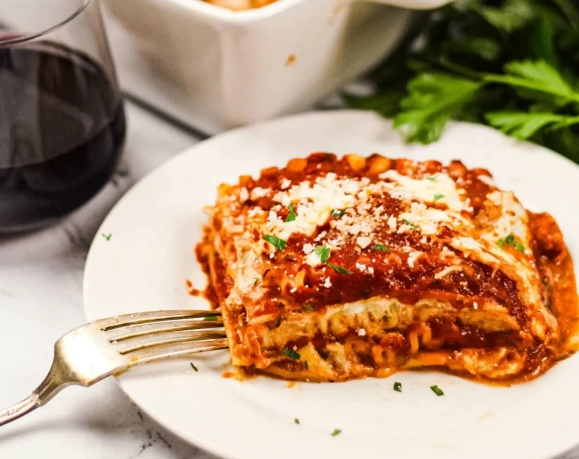
Authentic Italian Dinner Recipes & Essential Secrets Explained
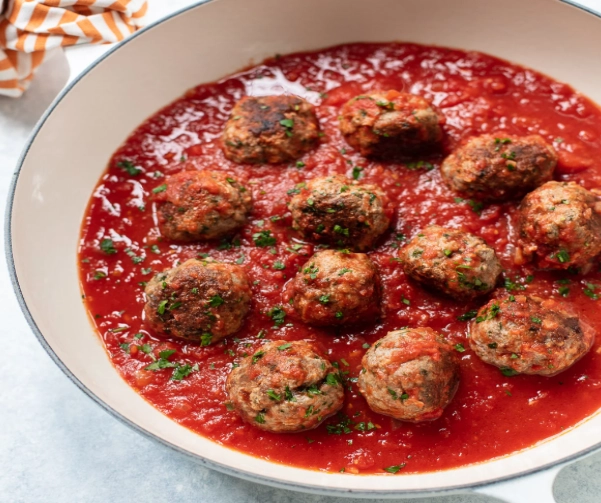
Ultimate Guide to the Best Italian Meatball Recipe
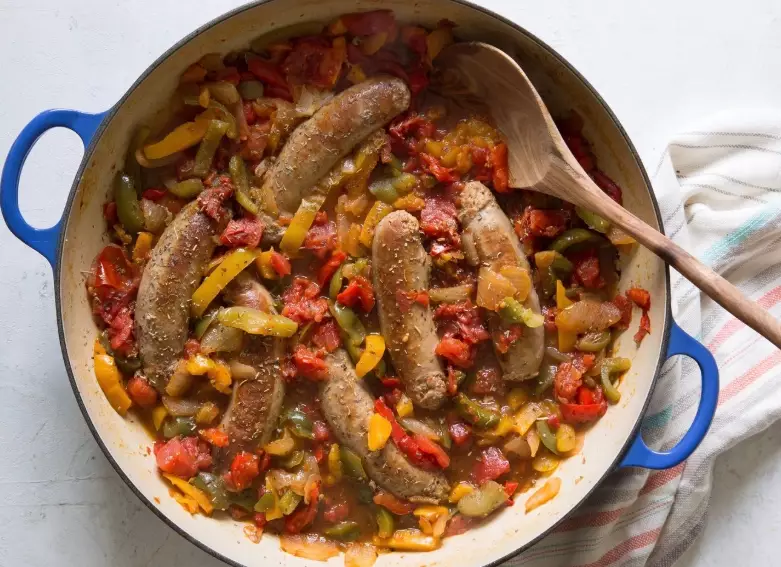
Sweet Italian Sausage Recipes: From Classic Pasta to Creative Feasts

Best Italian Sausage Pasta Recipes: Easy, Creamy & Spicy Ideas
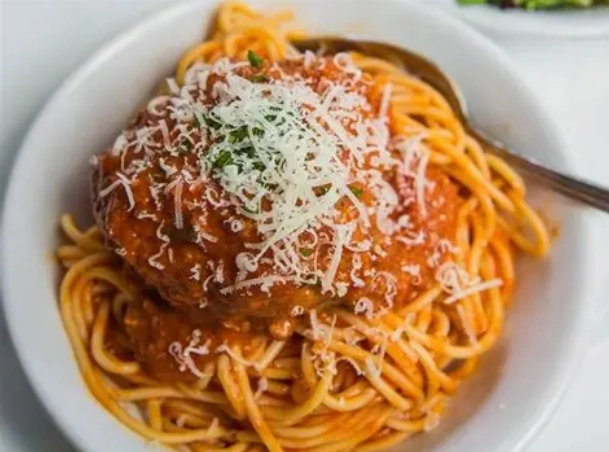
Traditional Italian Pasta Sauces: A Complete Guide to the Classics
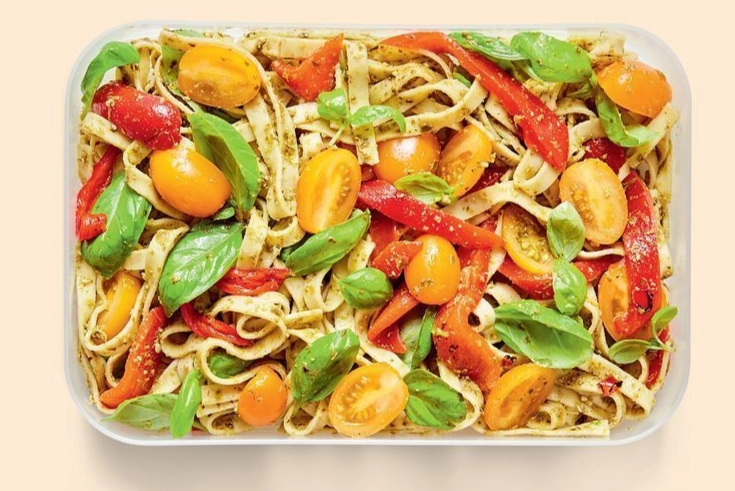
Easy Italian Dressing Noodle Salad Recipe: Perfect for Summer

Perfect Pairings: What to Serve with Italian Sausage for Dinner
Traditional Italian Salad Names: A Guide to Authentic Recipes & History

With an increase of nearly 300%, the leader of "flying cars" took off, fearless

The Most Popular Cocktail in Italy: A Deep Dive into the Aperol Spritz
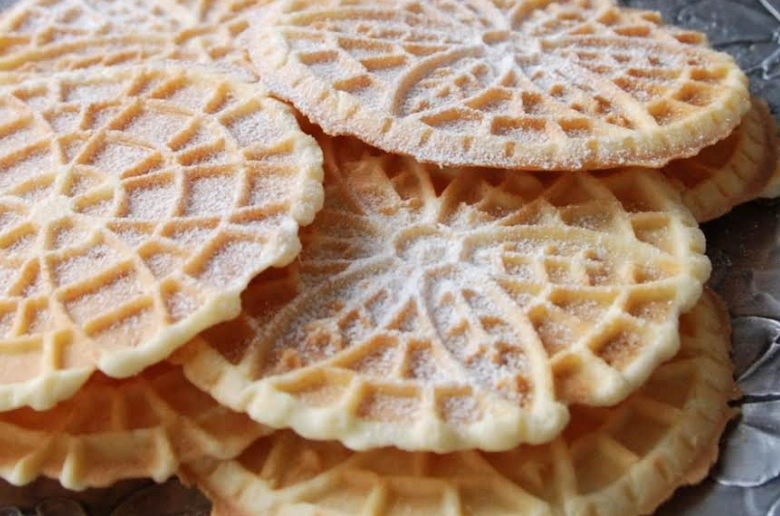
Ultimate Italian Pizzelle Recipe: Crispy, Authentic & Easy
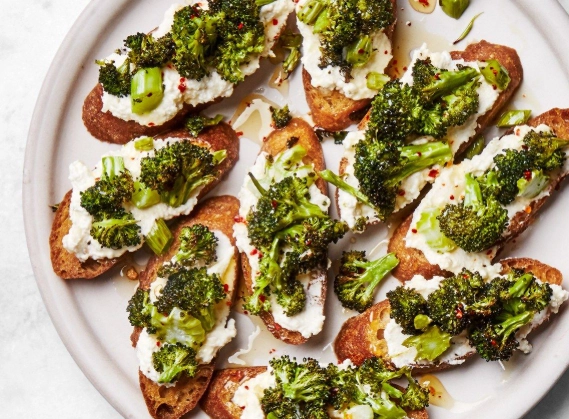
Easy Italian Appetizers: Simple Recipes & Party Platters
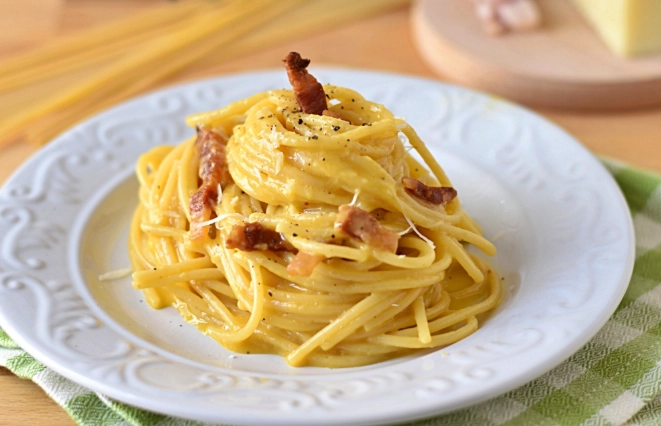
The Best Pasta Carbonara Recipe: Authentic Roman Secrets Revealed
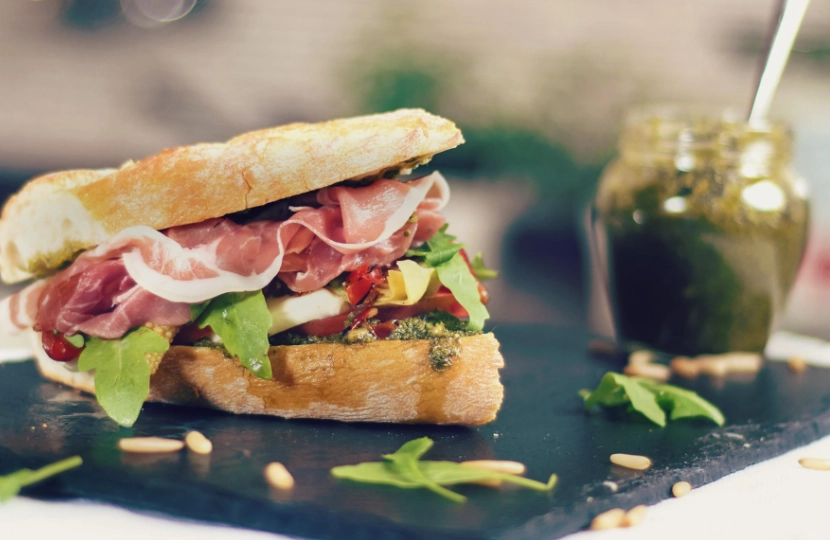
The Ultimate Italian Sandwich Recipe: A Step-by-Step Guide
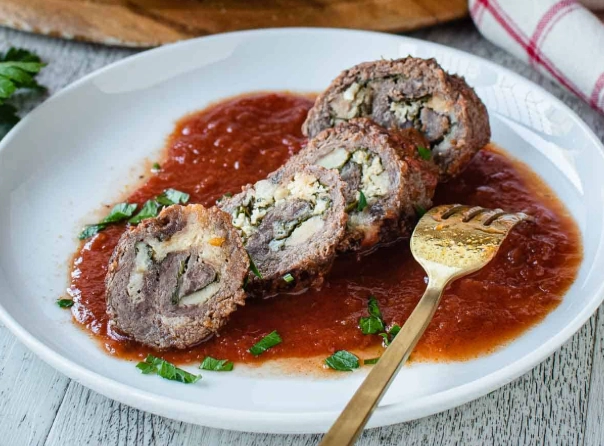
Italian vs American Braciole: The Real Differences Explained
Italian Shrimp Recipes: From Classic Scampi to Modern Dishes
Simple Italian Regional Recipes: Authentic Dishes Made Easy
Leave a Comment