Traditional Italian Salads for a Crowd: Easy, Make-Ahead Recipes
You're hosting a big group—a family reunion, a summer party, maybe a holiday potluck. The pressure is on to feed everyone something delicious, fresh, and memorable. You think pasta, but that's a last-minute scramble. You think lasagna, but it's heavy. Let me suggest a path less traveled but infinitely smarter: traditional Italian salads for a crowd.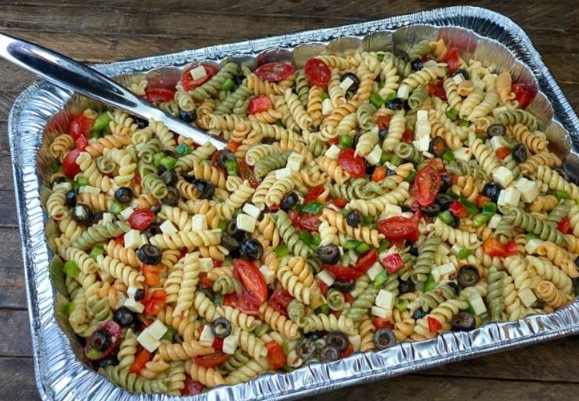
This isn't about a bowl of romaine with bottled dressing. I'm talking about substantial, flavor-packed dishes that are pillars of Italian home cooking and designed to be made ahead. They actually improve as they sit, making your life easier and guaranteeing rave reviews. I learned this the hard way after a few frantic dinner parties. Now, these salads are my secret weapon.
Your Quick Guide to Crowd-Pleasing Salads
Why Italian Salads Are Perfect for Feeding a Crowd
Think about it. Italian cuisine, at its heart, is about resourcefulness and feeding the family. Many of its most famous salads originate from cucina povera ("poor kitchen") traditions, using stale bread, leftover rice, or preserved vegetables to create something extraordinary. This DNA means they are inherently economical, sturdy, and meant to be prepared in quantity.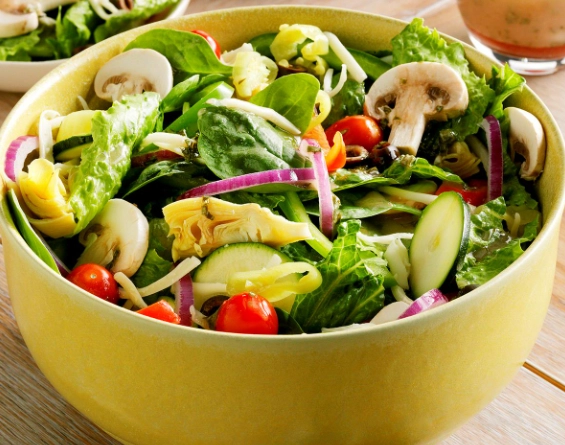
They solve the three big problems of group cooking:
- Timing: No last-minute cooking. Assemble hours, even a day, before.
- Texture: They hold up. No wilting, soggy mess at serving time (if you follow the rules).
- Taste: Flavors meld and deepen. They're often better at room temperature than fridge-cold.
I once brought a giant bowl of Panzanella to a beach picnic for 20. It sat out for hours in the sun (covered, of course). People kept going back for more, commenting on how the tomatoes had made the bread even more delicious. That's the magic.
The Make-Ahead Magic: Rules to Live By
Here’s where most home cooks trip up. They treat all salads the same. A delicate green salad with a vinaigrette cannot be made ahead. But these Italian staples can and should. The trick is in the component assembly.
For cooked vegetable salads (like roasted pepper or artichoke), marinating is your friend. For grain or bread salads, full integration is the goal. The table below breaks it down.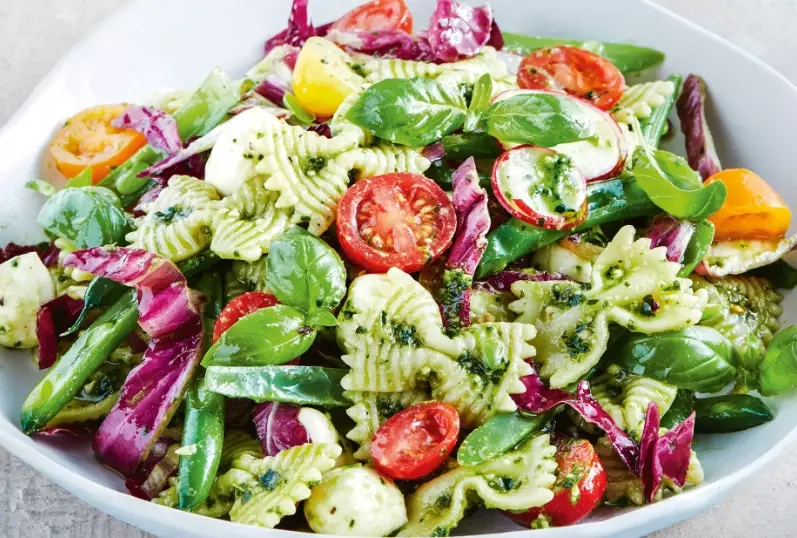
| Salad Component | How Far Ahead to Prep | Storage Tip |
|---|---|---|
| Vegetables (tomatoes, cucumbers, onions) | Chop 1 day ahead. Store in sealed containers. | Salt tomatoes lightly and drain in a colander to remove excess water. |
| Cooked Grains/Pasta (rice, farro, ditalini) | Cook 1 day ahead. Cool completely. | Toss with a tiny bit of oil to prevent sticking. Store airtight in the fridge. |
| Dressings & Marinades | Make 3 days ahead. | Store in a jar at room temp (if oil-based) or fridge (if with dairy). |
| Toasted Nuts/Bread | 2-3 days ahead. | Cool completely, store in airtight containers at room temp. |
| Fresh Herbs (basil, parsley) | Wash and dry day-of. | Wrap in a damp paper towel and place in a bag in the fridge. |
| Cheese (mozzarella, parmesan) | Cube/shred day-of for freshness. | Keep mozzarella in its brine until needed. |
Top 3 Traditional Italian Salads That Scale Beautifully
These are my absolute go-tos. They're visually stunning, universally loved, and practically foolproof when scaled up.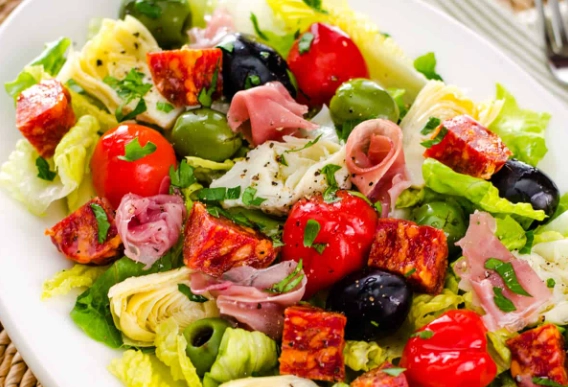
1. The Caprese "Salad Bar" Platter
Forget individual salads. For a crowd, transform the classic Insalata Caprese into a massive, build-your-own platter. It's interactive and solves the "soggy" problem instantly.
What you need for 15-20 people: 5 lbs of ripe tomatoes (mix heirlooms and cherries), 3-4 lbs of fresh mozzarella (ciliegine/bocconcini balls are perfect), 3 large bunches of fresh basil, 1.5 cups of high-quality extra virgin olive oil, 1 cup of aged balsamic glaze (not vinegar—the thick, sweet glaze), sea salt, cracked pepper.
Assembly: On a huge board or platter, create alternating rivers of tomato slices, mozzarella balls, and whole basil leaves. Drizzle the olive oil generously over everything, then swirl the balsamic glaze on top. Finish with massive pinches of flaky sea salt and black pepper. Let guests serve themselves. Provide spoons for the pooled oil and glaze at the bottom—it's liquid gold for bread-dipping.
2. Panzanella (Tuscan Bread Salad)
This is the ultimate make-ahead Italian salad. Stale bread soaks up the juices of summer tomatoes and becomes a flavor sponge. You must make this at least 2 hours before serving.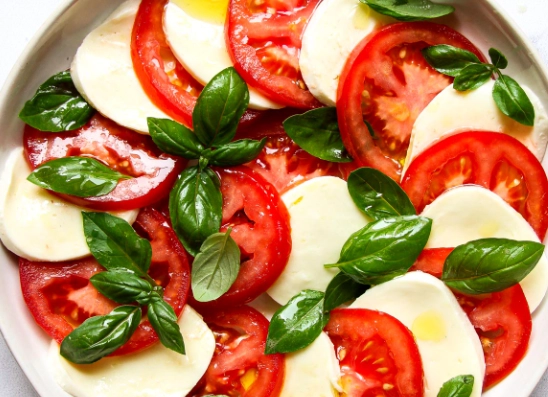
The Common Mistake: Using fresh, soft bread. It turns to mush. You need hearty, day-old Italian or sourdough bread, torn into rough chunks and lightly toasted to re-crisp the exterior while keeping a chewy interior.
Scale it up: For 12 people, use: 1.5 lbs of stale bread, 4 lbs of tomatoes (diced, juices saved), 2 large red onions (thinly sliced), 3 cucumbers, 1 cup of pitted olives, 2 cups of fresh basil. The dressing is simple: 1 cup EVOO, 1/3 cup red wine vinegar, 2 minced garlic cloves, salt, pepper. Toss everything (except half the basil) in an enormous bowl. Press down, cover, and let it sit at room temp. Toss again and garnish with remaining basil before serving.
3. Insalata di Riso (Italian Rice Salad)
This is a northern Italian picnic staple, especially around Milan. It's a complete meal in a bowl—chewy rice, tender vegetables, tuna, cheese, and pickles. It's meant to be made a day in advance.
The Secret: Using the right rice. Arborio or another short-grain rice works, but the traditional choice is Originario rice, which stays firm and separate when cooled. According to the Italian National Rice Authority, this variety is prized for salads. If you can't find it, Carnaroli is a good substitute.
Cook the rice al dente, spread it on a sheet pan to cool quickly, then mix with your prepped add-ins: steamed peas, diced carrots, cubed ham or tuna, cubed cheese (fontina or Swiss), cornichons, and black olives. Bind it with a simple olive oil and lemon juice dressing. The beauty is its customizability—make it vegetarian, add shrimp, etc.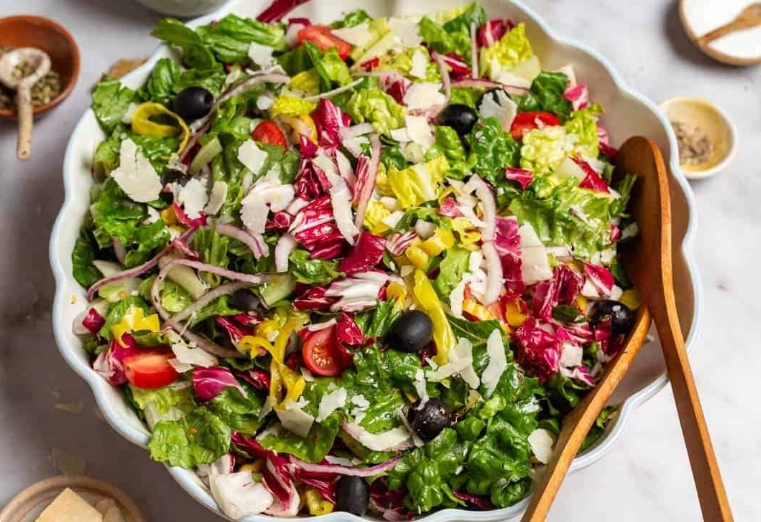
How to Scale Any Italian Salad Recipe for a Crowd
Doubling or tripling a recipe isn't always linear. Here's a practical guide.
Vegetables & Grains: Scale these linearly. 2x the recipe = 2x the tomatoes, rice, etc.
Dressing: Be careful. Start with 1.5x the dressing for a 2x recipe. Toss, taste, and add more if needed. The volume of ingredients doesn't always demand double the coating.
Seasoning (Salt & Acid): This is the big one. Never multiply salt and lemon juice/vinegar linearly. Season in layers. Salt your tomatoes as they drain. Season your dressing well. Then, after combining everything, taste and adjust the acid (lemon/vinegar) and salt at the end. A large batch often needs a brighter punch of acid to come alive.
Equipment: This is non-negotiable. You need an enormous bowl for mixing—bigger than you think. I use a clean, large plastic tub from a restaurant supply store for really big batches. Also, have serving utensils that can handle the volume. A giant pasta server or even a clean small shovel can be more effective than a salad spoon.
Your Big Salad Party Questions, Answered
Related Articles

Sudden bad news! A-shares plunged, Hong Kong stocks fell more than 2%, and there

Thailand car market survey: sales and prices plunged, and Sino-Japanese competit

Paris Notes 10: Visiting Galeries Lafayette, more than half of the "saleswomen"
Authentic Carbonara Recipe: The Real Italian Way (No Cream!)
Authentic Italian Beef Recipe: The Ultimate Chicago-Style Sandwich Guide
A Complete Guide to the Traditional Southern Italian Christmas Dinner Feast

Why is Dongguan's economy no longer at the bottom?
Traditional Northern Italian Recipes: Authentic Dishes & Cooking Secrets
Simple Italian Regional Recipes: Authentic Dishes Made Easy

The Most Popular Cocktail in Italy: A Deep Dive into the Aperol Spritz

Best Italian Sausage Pasta Recipes: Easy, Creamy & Spicy Ideas
The Heart of Italy on Your Plate: Timeless Traditional Italian Recipes & Kitchen Wisdom
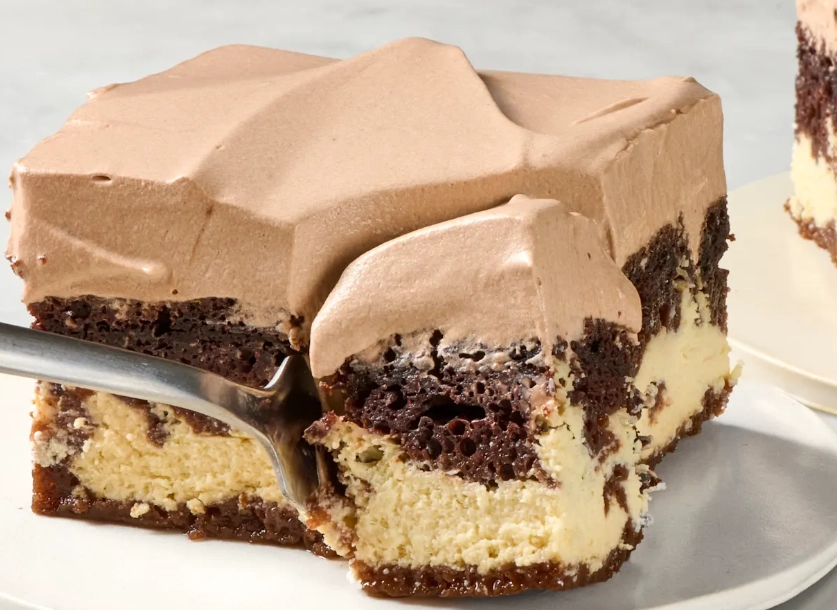
Authentic Italian Love Cake Recipe: The Ultimate 3-Layer Dessert Guide
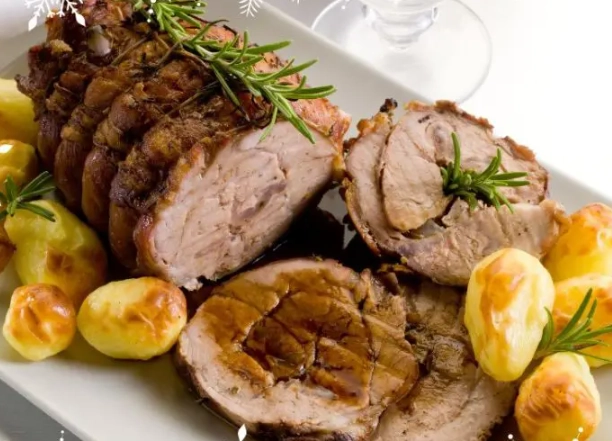
The Ultimate Guide to an Authentic Italian Christmas Dinner Menu

Authentic Italian Hot Chocolate Recipe: Rich, Thick & Easy

Ground Italian Sausage Recipes: The Ultimate Guide for Easy & Flavorful Dinners
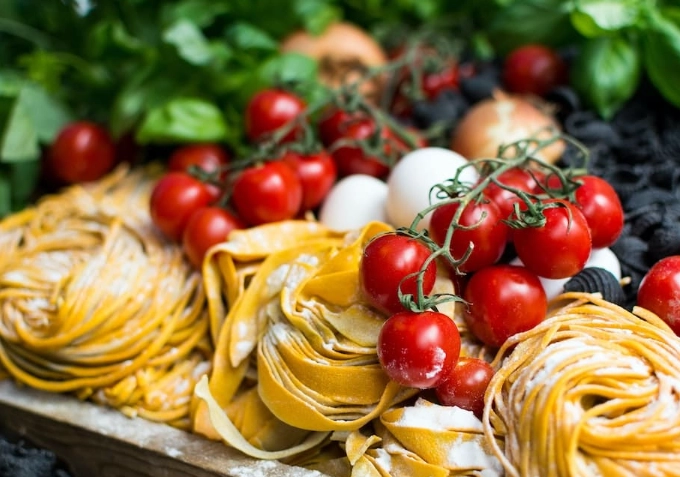
Vegetarian Food Guide: What to Eat in Italy
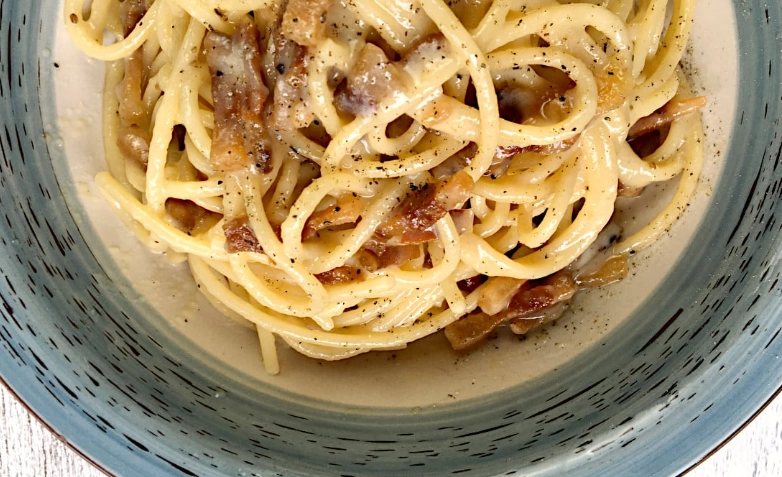
Authentic Spaghetti Carbonara Recipe: The Real Italian Method (No Cream!)
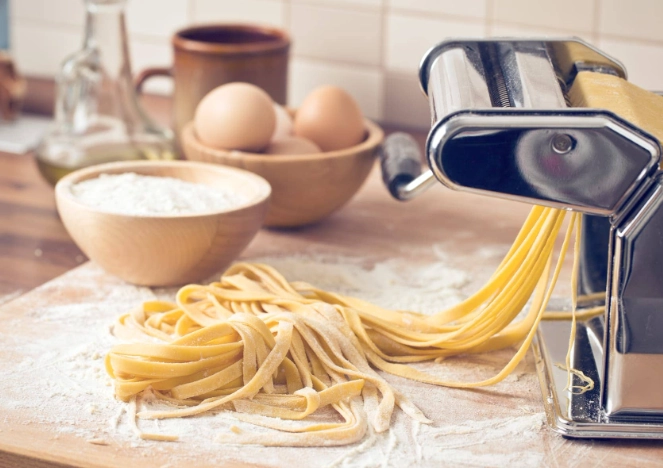
Ultimate Guide to Making Homemade Pasta from Scratch
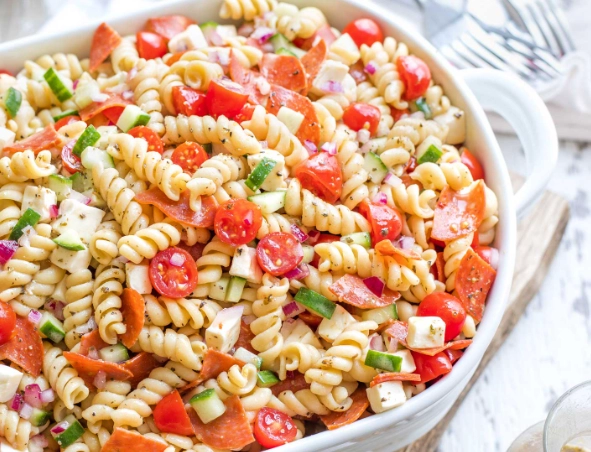
Authentic Italian Pasta Salad Recipe: Easy & Flavorful
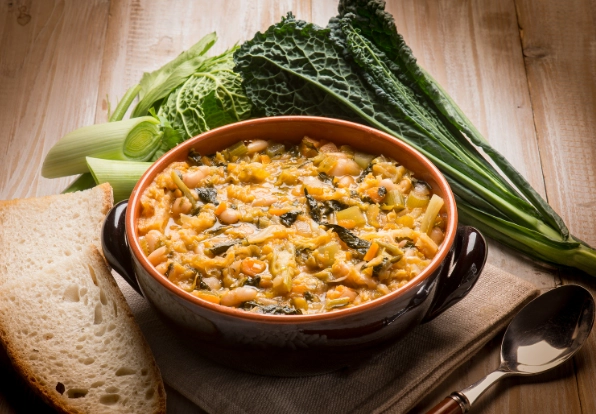
Authentic Italian Peasant Food: Simple Recipes & Where to Eat
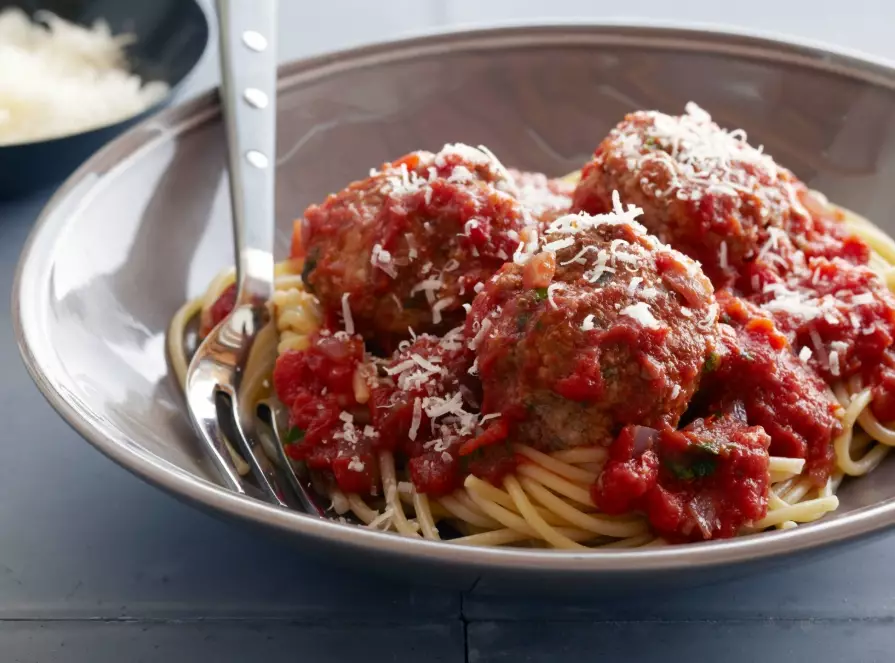
The Ultimate Guide to Authentic Italian Meatballs: A Family Recipe
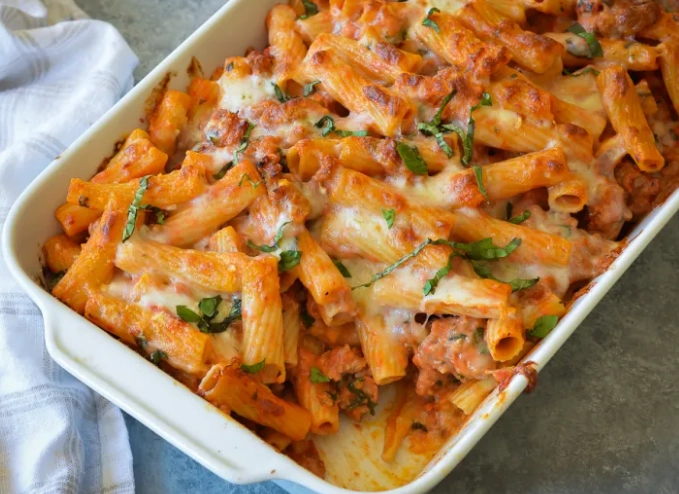
Traditional Italian Baked Ziti Recipe: Authentic Step-by-Step Guide
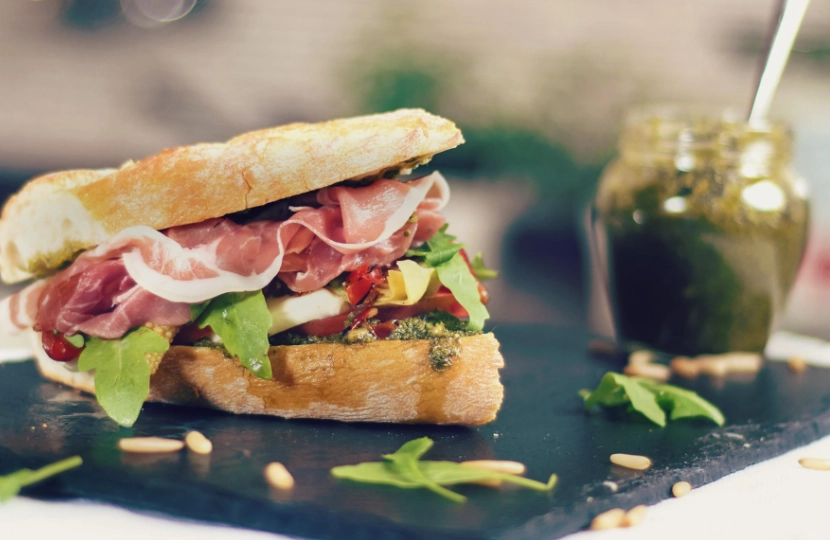
The Ultimate Italian Sandwich Recipe: A Step-by-Step Guide

Three years and five visits to the Hong Kong Stock Exchange, can Wumart realize
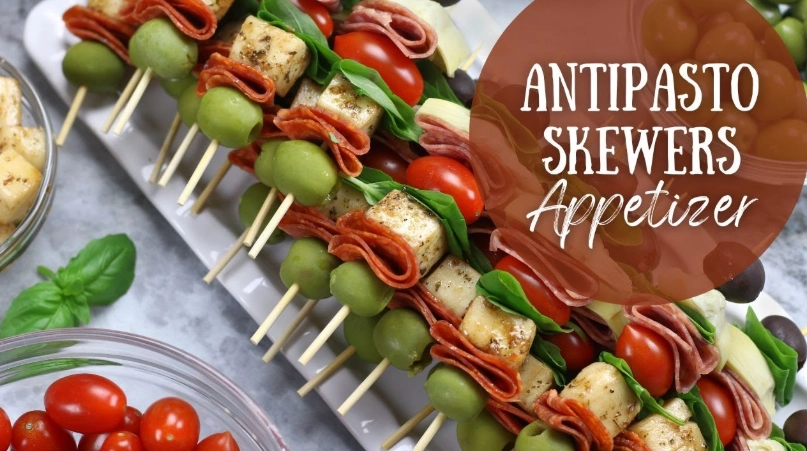
Make-Ahead Italian Appetizers: Stress-Free Recipes & Tips for Any Gathering
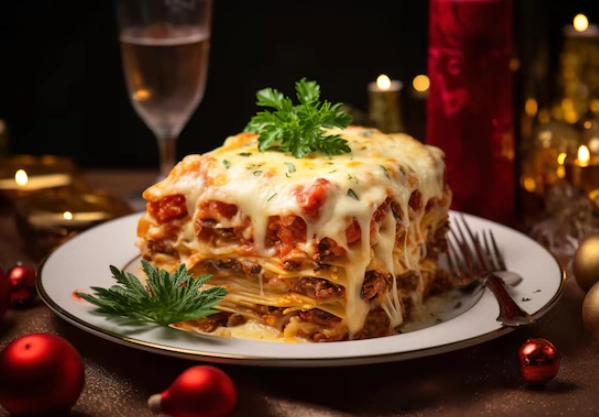
Authentic Italian Christmas Recipes: Traditional Dishes & Festive Menus
5 Traditional Italian Dishes: Authentic Recipes & Where to Try Them
What Is the Most Popular Italian Dish? Top Contenders Revealed

Leave a Comment