What Are the Most Popular Italian Appetizers? A Complete Guide to Antipasti
Quick Guide
- More Than Just Starters: Understanding Antipasti Culture
- The Top Contenders: A Breakdown of Classic Antipasti
- The Top 10 Most Popular Italian Appetizers: A Quick-Reference List
- How to Build Your Own Antipasto Spread at Home
- Regional Gems: Beyond the National Classics
- Common Questions Answered (The FAQ Section)
- Final Thoughts: The Joy of the Start
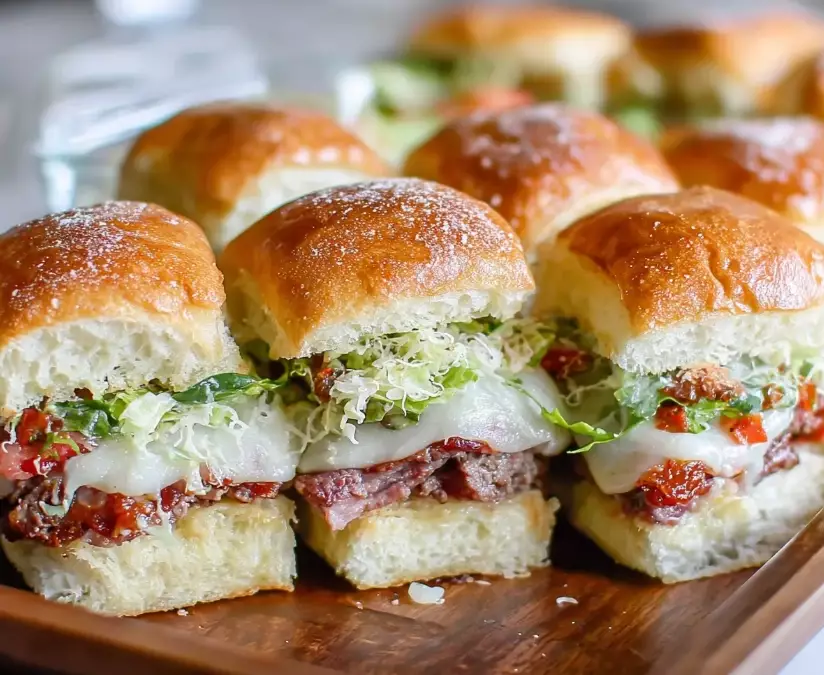
So you're planning an Italian dinner, or maybe you're just curious about what to order before the main event at a trattoria. The first question that pops up is almost always: what are the most popular Italian appetizers? Let's cut right to it. In Italy, appetizers aren't just a formality; they're a celebrated ritual called "antipasti" (meaning "before the meal"). They set the tone, wake up your taste buds, and are often the most social part of the eating experience. Forget the boring bread basket (well, not entirely, we'll get to that). We're talking about vibrant, flavorful bites that range from simple, pristine ingredients to more elaborate, fried delights.
I remember my first real antipasto spread in a little osteria in Bologna. It wasn't just one thing. The waiter brought over a series of small plates – some glossy vegetables, a few slices of cured meat, a crostini topped with a rich pate. It felt less like a starter and more like a promise of the good things to come. That's the spirit we're diving into here.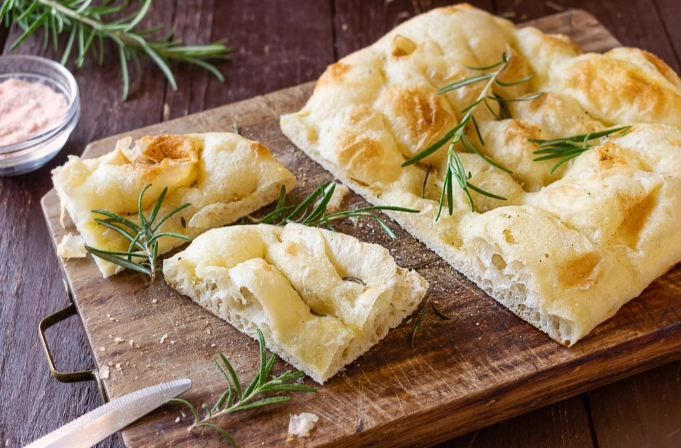
More Than Just Starters: Understanding Antipasti Culture
Before we list the dishes, you gotta get the vibe. Asking what are the most popular Italian appetizers isn't just about naming foods. It's about understanding a philosophy. Antipasti are about simplicity and quality. The best ones often have just a few components, but each one is top-notch. A ripe tomato, good olive oil, fresh basil. That's magic right there.
They're also incredibly regional. What's a must-have starter in Sicily might be rare in Turin. This regionality is a huge part of the answer to what makes Italian food so endlessly fascinating. An antipasto plate in coastal Liguria will be heavy on seafood and pesto, while in landlocked Umbria, you'll find more lentils, truffles, and cured meats from the local pigs.
And here's a personal opinion – sometimes, a great selection of antipasti can be a meal in itself. Order a few different ones to share, get a nice bottle of wine, and you've got one of the most enjoyable dinners possible. Don't tell the pasta police I said that.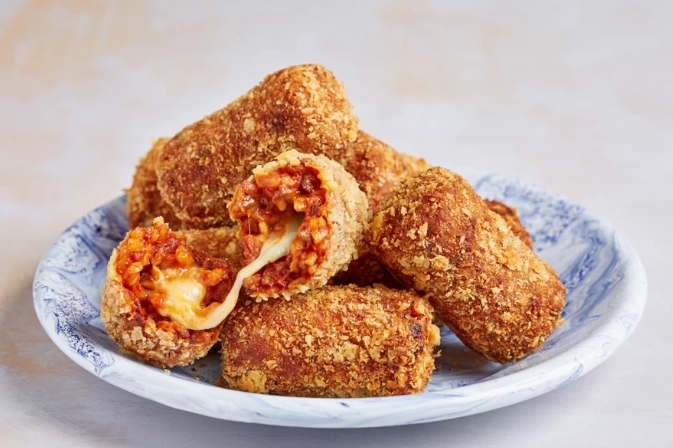
The Top Contenders: A Breakdown of Classic Antipasti
Let's get into the nitty-gritty. I've broken down the most popular Italian appetizers into categories. Think of this as your menu guide.
The Bread-Based Brigade
Italians have a genius for turning simple bread into something sublime.
Bruschetta: This is arguably the king. It's deceptively simple: grilled bread rubbed with garlic, drizzled with olive oil, and salted. The classic topping is diced tomatoes, basil, and more oil. But you'll see variations with cannellini beans, mushrooms, or olive tapenade. The key is the bread – it needs to be sturdy enough to hold the topping without getting soggy. A common mistake outside Italy? Soggy bread and bland tomatoes. When it's done right, it's a perfect bite.
Crostini: Bruschetta's more delicate cousin. Smaller, thinner slices of bread, usually toasted, and topped with more refined spreads. Think chicken liver pate (crostini di fegatini in Tuscany), a creamy blend of olives and capers, or fresh ricotta with honey and walnuts. They're elegant, bite-sized, and perfect for passing around.
Focaccia: In Liguria, a slice of freshly baked, dimpled focaccia, slick with olive oil and maybe sprinkled with rosemary or sea salt, is a common way to start. It's not always labeled as an antipasto, but when it arrives warm from the oven, it serves the same purpose. Irresistible.
The Fried & Fantastic
Because sometimes, you want something hot, crispy, and deeply satisfying.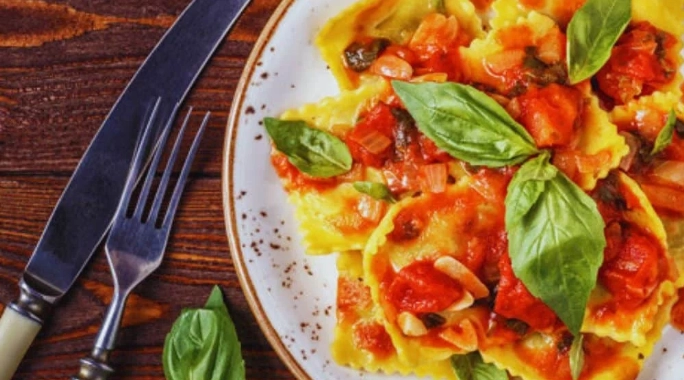
Arancini (or Arancine in Sicily): These are iconic. Deep-fried balls of risotto, usually stuffed with ragù (meat sauce), mozzarella, and peas. The name means "little oranges," which they resemble in size and color. You find them all over, but they're a religion in Sicily. There's also a variation with ham and mozzarella or even a pistachio cream. They're hearty, so maybe share one if you have a big pasta coming. Trying to figure out what are the most popular Italian appetizers without mentioning arancini is just wrong.
Supplì: Rome's answer to the fried rice ball. Similar to arancini but typically more oblong in shape, and the classic Roman version is "al telefono" – stuffed with mozzarella that stretches like telephone wires when you break it open. The risotto is often seasoned simply with tomato. I find them slightly less dense than some Sicilian arancini, but that's a debate for another day.
Fritto Misto: This means "mixed fry" and can apply to seafood or vegetables. As an appetizer, a light fritto misto of zucchini blossoms (fiori di zucca, often stuffed with anchovy and mozzarella), sage leaves, and maybe some small pieces of fish is a spectacular start. It's greasy in the best possible way.
The Cold Cuts & Cheese Showstoppers
This is the heart of a traditional antipasto platter. It's about showcasing the quality of pristine ingredients.
Affettati Misti: A selection of sliced cured meats. This will almost always include Prosciutto Crudo (dry-cured ham, like Parma or San Daniele), which is sweet and delicate. Then you might get Salame (a general term for sausage, with many regional types), Mortadella (the original Bologna sausage, with pistachios), Coppa, or Bresaola (air-dried salted beef from Lombardy). The best are often DOP-protected, meaning they come from a specific region and follow strict rules. You can learn more about these designations on the official Qualigeo database.
Cheeses (Formaggi): Often served alongside or mixed with the meats. A young, milky Mozzarella di Bufala (the real stuff, not the rubbery blocks) is a dream. Burrata is its richer cousin – a mozzarella pouch filled with stracciatella cream. It's decadent. Then you might have a wedge of Parmigiano-Reggiano (yes, as an appetizer, just chunks of it), a sharp Pecorino Romano, or a soft Taleggio.
Prosciutto e Melone: The classic sweet-and-salty combo. Ripe cantaloupe or honeydew wrapped in thin slices of prosciutto. It sounds simple, and it is, but the quality of both ingredients is everything. A sad, unripe melon can ruin it.
The Vegetable & Seafood Stars
Lighter, but no less flavorful.
Caprese Salad: The colors of the Italian flag: red tomato, white mozzarella, green basil. Drizzled with olive oil. It's a test of ingredient quality. A perfect summer appetizer when tomatoes are in season. Out of season, it can be deeply disappointing.
Insalata di Mare: A "seafood salad" of cooked octopus, squid, shrimp, and mussels, marinated in olive oil, lemon, and parsley. It's refreshing and briny, common in coastal areas.
Peperonata: Stewed bell peppers with onions, tomatoes, and sometimes capers or olives. It can be served warm or at room temperature. Sweet, tangy, and great on crusty bread. It's one of those dishes that often tastes even better the next day.
Antipasto di Mare: In coastal towns, this might be a plate of marinated anchovies (alici marinate), steamed mussels (cozze), or clams (vongole). Simple, fresh, and straight from the sea.
The Top 10 Most Popular Italian Appetizers: A Quick-Reference List
Based on ubiquity across menus, cultural importance, and sheer deliciousness, here's a ranked list. Think of this as your cheat sheet.
| Rank | Appetizer Name | Key Description & Why It's Popular | Classic Region |
|---|---|---|---|
| 1 | Bruschetta al Pomodoro | Grilled bread with tomato, basil, garlic, oil. The ultimate expression of summer produce. Universally loved and easy to share. | Central Italy (nationwide) |
| 2 | Antipasto Misto (Cured Meats & Cheeses) | A customizable platter showcasing Italy's legendary salumi and formaggi. Perfect for groups and a true taste of tradition. | Nationwide (Emilia-Romagna is king) |
| 3 | Arancini | Fried risotto balls with a molten core. Comfort food at its finest, portable, and deeply satisfying. A street food turned appetizer star. | Sicily |
| 4 | Prosciutto e Melone | The perfect balance of sweet and salty. Effortlessly elegant, light, and refreshing, especially in warm weather. | Nationwide |
| 5 | Caprese Salad | Fresh mozzarella, tomato, and basil. Visually stunning, light, and relies on pristine ingredients. A summer icon. | Campania (Capri) |
| 6 | Crostini (various toppings) | Elegant, bite-sized canvases for creative toppings like liver pate, mushroom, or olive tapenade. Great for fancy gatherings. | Tuscany (for liver pate) |
| 7 | Supplì al Telefono | Rome's cheesy, tomato-infused fried rice ball. The "telephone wire" cheese pull is half the fun. A Roman staple. | Lazio (Rome) |
| 8 | Fritto Misto (especially di Fiori di Zucca) | A light, crispy fry of vegetables or seafood. Zucchini blossoms are a seasonal delicacy. Feels celebratory. | Central/Southern Italy |
| 9 | Insalata di Mare | A tangy, lemony seafood salad. Offers a taste of the Mediterranean and is much lighter than fried options. | Coastal regions nationwide |
| 10 | Peperonata | Sweet, stewed peppers. Can be served warm or cold. Versatile, great for making ahead, and wonderfully savory. | Southern Italy |
How to Build Your Own Antipasto Spread at Home
Want to recreate the experience? It's easier than you think. Don't try to make everything from scratch. The secret is smart sourcing.
Here’s a blueprint for a crowd-pleasing spread:
- The Anchor: A board of excellent cured meats and cheeses. Go to a good deli or Italian market. Splurge on real Prosciutto di Parma and a ball of Burrata or fresh Mozzarella di Bufala. Add some Parmigiano-Reggiano chunks and a few slices of a hard salami.
- The Homemade Star: Choose one. A big bowl of bruschetta topping (dice those tomatoes last minute!) or a plate of crostini with a simple cannellini bean spread (just beans, olive oil, rosemary, lemon).
- The Crunch: A basket of good, crusty bread (like a ciabatta or baguette), some grissini (breadsticks), and maybe a few crackers.
- The Acid & Brine: This is what cuts through the fat. A small bowl of mixed olives. Some marinated artichoke hearts from a jar (drain them well). Cornichons or pickled onions.
- The Vegetable: Something simple like sliced fennel or radishes. Or roast some bell peppers ahead of time and marinate them in oil and garlic.
Arrange it all on boards and platters, let people graze, and you've got a party. It's less about cooking and more about composing.
Regional Gems: Beyond the National Classics
If you really want to dig deeper, exploring regional specialties is where the fun is. When you travel, the answer to what are the most popular Italian appetizers changes with the landscape.
In Liguria, you might start with a slice of focaccia di Recco, a thin, crispy focaccia filled with stracchino cheese. It's unreal.
In Puglia, look for "friselle" or "taralli" (hard, ring-shaped crackers) served with chopped tomatoes (a dish called "cialledda").
In Piedmont, during truffle season, you might get a simple fried egg topped with shaved white truffle as an indulgent starter. Or "vitello tonnato" – cold, sliced veal with a creamy tuna sauce. Sounds weird, tastes incredible.
In Sardinia, "pane carasau" (a thin, crisp flatbread) served with olives and pecorino cheese is standard. They might also have "bottarga" (cured fish roe) grated over bread or pasta.
This is why Italian food never gets boring. The local context defines the experience. For a deeper dive into regional food traditions, sites like GustoBlog (a major Italian food blog) offer great insights, though remember to cross-reference.
Common Questions Answered (The FAQ Section)
What's the difference between antipasti and appetizers?
It's mostly a cultural one. "Appetizer" is a functional term for a first course. "Antipasti" carries the weight of tradition, sharing, and a specific style of eating. It's a more holistic concept.
Are antipasti always served cold?
Not at all! While many are served at room temperature (like cured meats, cheeses, salads), a huge number are served hot. Arancini, supplì, fritto misto, and many crostini are meant to be warm. The variety is key.
How many antipasti should I order?
In Italy, it's common to order one antipasto per person, or a couple to share for the table if they're larger (like a prosciutto e melone or a big plate of fried seafood). Don't go overboard if you plan to have a primo (pasta/rice dish) and a secondo (meat/fish dish). Often, a shared antipasto and a primo is a perfect meal.
What wine goes with antipasti?
Sparkling wines like Prosecco or Franciacorta are fantastic because they cut through fats and cleanse the palate. A light, crisp white like Pinot Grigio or Vermentino works with seafood and vegetables. For meat-heavy platters, a lighter red like a Chianti or Barbera is great. There are no strict rules – drink what you like!
Can antipasti be a full meal?
Absolutely. Ordering a "antipasto misto della casa" (the house mixed antipasto) along with a few other selections like a plate of arancini and some grilled vegetables can be a fantastic and complete dining experience. It's called "fare una macedonia di antipasti" – making a fruit salad of starters. I do this more often than not.
What's a common mistake people make with antipasti at home?
Overcomplicating it. You don't need ten different things. Three excellent items are better than seven mediocre ones. Also, serving everything ice-cold straight from the fridge. Cheeses and cured meats taste best at room temperature. Take them out about 30 minutes before serving.
Final Thoughts: The Joy of the Start
So, what are the most popular Italian appetizers? Hopefully, you now see it's not a single dish, but a vibrant, diverse category that celebrates the best of Italian ingredients and conviviality. From the humble, perfect bruschetta to the decadent, cheesy pull of a supplì, antipasti are an invitation to slow down, share, and savor.
The next time you're at an Italian restaurant or planning a dinner, don't just rush past the first page of the menu. Dive into the antipasti section. Try something new. Share a few plates. Let that be the beginning of a great meal, or even the meal itself.
After all, in Italy, the journey is just as important as the destination. And the journey often starts with a beautiful, shared plate of something delicious.
Now, if you'll excuse me, all this writing has made me hungry. I think it's time for a little plate of prosciutto and some bread. Maybe just one arancino…
Related Articles

Ultimate Guide to Italian Sausage Recipes: From Classic to Creative
Authentic Italian Meatballs Recipe: Tender, Juicy & Full of Flavor
5 Traditional Italian Dishes: Authentic Recipes & Where to Try Them
Master Italian Meatloaf: Authentic Family Recipe
Authentic Ricotta Lasagna Recipe: Creamy Layers & Pro Tips