Unique Italian Appetizers: Beyond Bruschetta & Meatballs
Quick Navigation
Let's be honest for a second. When someone says "Italian appetizers," what pops into your head? Bruschetta, right? Maybe some melon and prosciutto, or a plate of olives and cheese. Don't get me wrong, I love a good bruschetta as much as the next person. The crunch of the bread, the ripe tomatoes... it's a classic for a reason. But here's the thing: Italian food is so much more than the greatest hits menu you find in most restaurants abroad. There's a whole world of unique Italian appetizers out there, hiding in regional trattorias and nonna's kitchens, waiting to completely change how you think about starting a meal.
I remember the first time I had a real eye-opener. It was in a tiny osteria in Le Marge, nowhere near the tourist trail. The waiter brought out this little plate of something that looked like fried dough. "Fritto misto all'ascolana," he said. One bite—a crispy shell giving way to a savory, juicy filling of meat and spices—and I was hooked. That's when I realized I'd been missing out. The goal of this guide isn't just to list a few recipes. It's to give you the keys to that hidden world. We're going to explore the principles behind a great antipasto, dive deep into specific dishes you've probably never tried (but absolutely should), and give you the practical know-how to pull them off yourself. Whether you're planning a dinner party and want to stun your guests, or you're just bored of the same old starters, this is your map to something new and delicious.
The Antipasto Mindset: In Italy, the "antipasto" (literally "before the meal") isn't just food you eat first. It's a preview, a mood-setter. It should be light enough to not ruin your appetite, but flavorful enough to get those gastric juices flowing. The best unique Italian appetizers balance simplicity with a surprising twist—often coming from hyper-local ingredients or a clever preparation method you wouldn't expect.
What Makes an Appetizer ‘Uniquely Italian’?
This isn't about throwing truffles on everything and calling it a day. Authenticity has a different flavor. For me, a truly unique Italian starter often ticks a few boxes. First, it usually has a strong regional identity. Italy was unified as a country fairly recently, and culinary traditions are fiercely local. A dish from Sicily might have Arab influences (think raisins and pine nuts), while one from the North might lean on butter and alpine cheeses. Second, it respects seasonality. You won't find a good Italian kitchen serving zucchini flowers in December. They wait for the right moment. Third, it often showcases a preservation or preparation technique—like curing, pickling, or frying—that transforms humble ingredients into something special.
I once tried to make a complex, four-component appetizer I saw in a fancy magazine. It was a disaster. The flavors fought each other, and it took hours. My Italian friend laughed and said, "Why? A perfect peach and a slice of good prosciutto is a masterpiece." That stuck with me. Uniqueness doesn't have to mean complicated. Sometimes, it's about the quality and pairing of two or three perfect things.
So, let's move beyond the basics.
A Curated List of Truly Unique Italian Appetizers
Here are some of my favorite discoveries. These are dishes that have made me stop, think, and immediately ask for the recipe. I've included a mix—some are surprisingly easy, others are a weekend project, but all are guaranteed conversation starters.
Crostini Neri (Black Crostini from Tuscany)
Forget tomato bruschetta. In Florence and Siena, you might find "crostini neri" or "crostini di fegatini." It's a smooth, rich chicken liver pâté spread on toasted bread. The "nero" (black) comes from a careful cooking-down of the livers with capers, anchovies, and sometimes a splash of Vin Santo wine until it turns a deep, dark color. The flavor is intense, umami-rich, and slightly sweet-savory. It's an absolute revelation if you've only had bland liver pâtés before.
Personal take: The first time I had this, the anchovy flavor was a bit strong for me. It's an acquired taste! The key is balancing it. A good recipe will have you finely chop everything so it melds into a unified spread, not a punch of fish. Don't skip the onion—it adds necessary sweetness.
Fiori di Zucca Fritti (Fried Zucchini Flowers)
These are the epitome of seasonal, unique Italian appetizers. You need fresh, male zucchini flowers (the ones without the tiny fruit attached), which are only available for a short window in early summer. They're typically stuffed with a little mozzarella and an anchovy fillet (yes, again!), then dipped in a light batter and fried until crisp. The flower itself is delicate and slightly sweet, contrasting with the salty, gooey filling. It's a textural dream.
Pro Tip: Finding the flowers is the hardest part. Check farmer's markets in season. If you can't find them, some specialty stores sell them preserved in brine, but fresh is infinitely better. The batter should be sparkling water-based for maximum lightness.
Bagna Càuda (The "Hot Bath" from Piedmont)
This is less a single dish and more of an experience. Bagna càuda translates to "hot bath," and that's exactly what it is: a warm, molten sauce of garlic, anchovies, olive oil, and sometimes butter, kept bubbling gently over a small burner at the table. Everyone dips an array of raw, seasonal vegetables into it—cardoons (a thistle-like vegetable), bell peppers, fennel, cabbage wedges. It's communal, interactive, and the flavor is powerfully garlicky and savory. It's a centerpiece appetizer for a casual gathering.
You can learn more about the traditional vegetables used and the cultural context of this dish from resources like the official site for the Piedmont Region of Italy, which often highlights its regional culinary heritage.
Supplì al Telefono (Roman Rice Croquettes)
Imagine a risotto ball, deep-fried to a golden crunch. Now imagine pulling it apart and a string of melted mozzarella stretches out like a telephone wire (hence "al telefono"). That's a supplì. The risotto is usually tomato-based, mixed with that cheese, then breaded and fried. It's Rome's iconic street food and a perfect, handheld appetizer. The contrast between the crunchy exterior and the creamy, cheesy interior is unbeatable.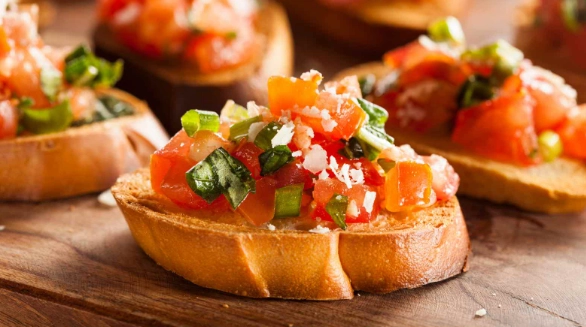
A common mistake is making the risotto too wet. It needs to be quite stiff when cold to hold its shape for breading. Let it chill thoroughly in the fridge for a few hours before forming the balls.
Insalata di Mare (Seafood Salad from the Coasts)
This isn't your typical leafy salad. Insalata di mare is a vibrant mix of cooked and cooled seafood—think squid, shrimp, mussels, clams—tossed in a simple dressing of extra virgin olive oil, lemon juice, parsley, and maybe a touch of garlic. It's light, refreshing, and tastes like the Mediterranean coast. The uniqueness comes from the absolute freshness of the seafood; there's nowhere to hide with poor ingredients here.
To understand the importance of seafood quality and sustainable fishing practices in Italian cuisine, organizations like Slow Food International provide excellent resources on preserving traditional foodways and ingredient quality.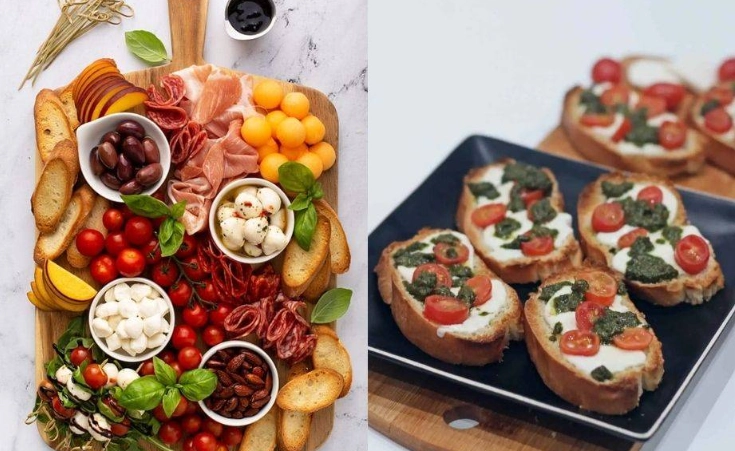
Let's break down a few of these unique Italian appetizers in a way that helps you decide which to try first.
| Appetizer Name | Key Ingredients | Difficulty | Flavor Profile & Best For |
|---|---|---|---|
| Crostini Neri | Chicken livers, capers, anchovies, Vin Santo | Medium | Rich, umami, intense. Perfect for adventurous palates. |
| Fiori di Zucca | Zucchini flowers, mozzarella, anchovy, batter | Medium-Hard (due to ingredient sourcing) | Delicate, crispy, salty. A show-stopping summer treat. |
| Bagna Càuda | Garlic, anchovies, olive oil, seasonal veggies | Easy | Garlicky, savory, communal. Great for a group dipping party. |
| Supplì | Arborio rice, tomato, mozzarella, breadcrumbs | Medium (requires chilling time) | Comforting, cheesy, crunchy. Crowd-pleaser and kid-friendly. |
| Insalata di Mare | Mixed fresh seafood, lemon, olive oil, parsley | Easy (but depends on seafood prep) | Bright, fresh, light. Ideal for a summer appetizer or light lunch. |
The Art of Building Your Own Antipasto Platter (The Italian Way)
Sometimes, the most impressive spread isn't a single cooked dish, but a beautifully curated selection. But an Italian antipasto platter has a different philosophy than a generic "charcuterie board." It's about balance and progression.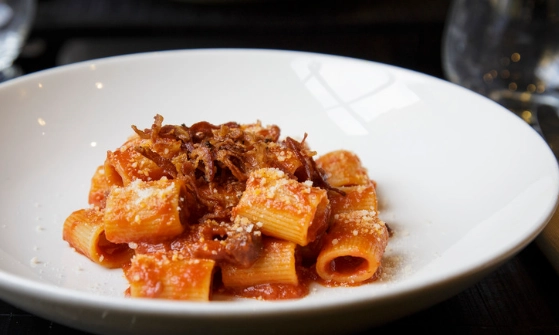
Think in terms of categories and textures:
- Something Cured: A couple of quality cured meats. Not a mountain of them. Maybe a slice of speck (smoked prosciutto from the north) and some finocchiona (fennel salami).
- Something Cheesy: Again, variety is key. A hard cheese like aged Pecorino, a soft one like fresh ricotta or burrata (a game-changer—creamy mozzarella with a stracciatella heart), and maybe a blue like Gorgonzola Dolce for the brave.
- Something Pickled or Brined: This is where you add acidity and cut through the fat. Good olives (Castelvetrano are mild and buttery), artichoke hearts in oil, pickled onions or peppers.
- Something Fresh: Fresh figs in season, a bunch of grapes, or some slices of ripe pear. This is non-negotiable for contrast.
- Something Bready: Grissini (breadsticks), plain crostini, or unsalted crackers. They're vehicles, not the star.
Arrange them simply, with space between items. Let each ingredient breathe.
What I often see missing on homemade boards is the "something special"—that one element that makes it unique. That could be a small bowl of the crostini neri pâté, a few supplì placed on the side warm, or a little dish of mostarda di frutta (a sweet and spicy fruit condiment from Cremona) next to the cheeses. That one homemade or unusual item elevates the entire platter from store-bought assembly to a thoughtful creation.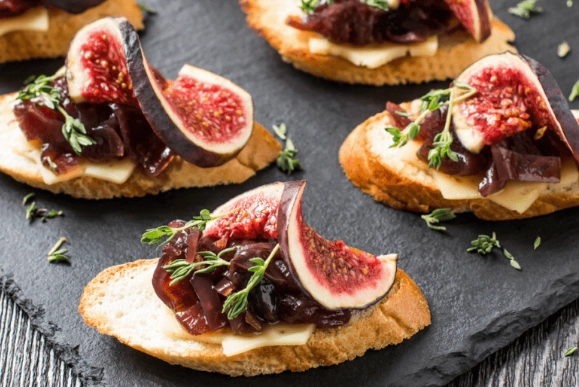
Answering Your Questions: The Unique Italian Appetizer FAQ
I'm hosting a dinner party. Which unique Italian appetizer is least stressful to make for a group?
Hands down, Bagna Càuda. You make one simple sauce in a pot (or a small fondue pot) and chop a bunch of vegetables ahead of time. There's no last-minute frying or fussing. You just keep the sauce warm, and guests serve themselves. It's interactive and low-stress for the host. Supplì are also good if you fry them ahead and keep them warm in a low oven, but they're best fresh.
Are there any great unique Italian appetizers that are vegetarian?
Absolutely! Fiori di zucca can be made vegetarian by omitting the anchovy (though you'll lose a layer of flavor). You can stuff them with just cheese or a ricotta-herb mixture. A fantastic option is "Panzanella," a Tuscan bread salad with ripe tomatoes, cucumbers, red onion, and basil, all dressed in olive oil and vinegar. It's a celebration of summer produce. Also, don't underestimate a plate of "fave e pecorino"—fresh fava beans with slices of sharp pecorino cheese. Simple, seasonal, and utterly Italian.
What's the biggest mistake people make when trying Italian appetizers at home?
Using low-quality olive oil and cheese. For dips, spreads, and dressings, a good extra virgin olive oil is everything. It's the flavor backbone. And with cheese, a small amount of a real, imported Parmigiano-Reggiano or Pecorino Romano will outperform a mountain of the pre-grated, bland stuff. Invest in a few key ingredients—it makes all the difference.
How do I pair wine with these stronger flavored appetizers?
This is a great question. For rich, savory things like Crostini Neri, you want something with good acidity to cut through. A Chianti Classico or a Barbera works wonderfully. For fried items like Fiori di Zucca or Supplì, a crisp, dry sparkling wine like Prosecco or Franciacorta is perfect—the bubbles cleanse the palate. For the briny, garlicky Bagna Càuda, a crisp white like a Gavi or a Vermentino holds its own. The official Italian Wine Central database is a trustworthy resource for exploring these wine regions and their characteristics in detail.
Bringing It All to Your Table: Final Thoughts
Exploring unique Italian appetizers is more than just finding new recipes. It's a way to connect with a deeper, more regional side of Italian cooking that values ingredient quality, seasonality, and simple techniques done right. You don't need to be a professional chef. You just need a sense of adventure and a willingness to try something that might sound a little strange at first (chicken liver and anchovies? trust me).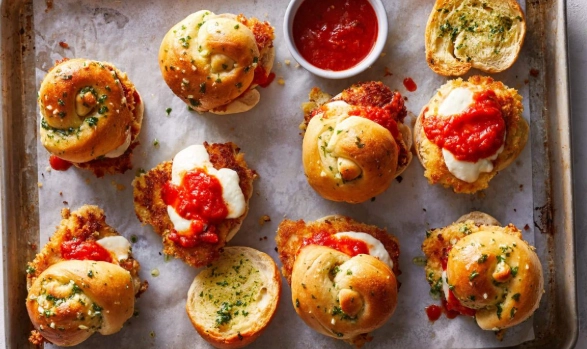
Start with one. Maybe it's whipping up a batch of supplì on a Saturday. Maybe it's seeking out burrata for your next cheese board. Each one you try opens a door to a new flavor, a new region, a new story. And that, to me, is the real joy of food. It's not just about eating; it's about discovering. So go ahead, pick one of these unique Italian appetizers, give it a shot, and get ready to hear the best compliment any home cook can receive: "Wow, I've never had anything like this before. Can I have the recipe?"
My personal journey into these dishes started with that one plate of fried olives. It wasn't perfect, but it sparked curiosity. Some attempts have been messy (fried zucchini flowers can explode if over-stuffed, a lesson learned the hard way). But every attempt, successful or not, taught me something. That's the spirit to bring into your kitchen.
Related Articles
Easy Italian Wedding Soup Recipe (Authentic Flavor, Simple Steps)
Traditional Italian Salads for a Crowd: Easy, Make-Ahead Recipes
Italian Lasagna Recipe: Authentic Homemade Lasagna Guide
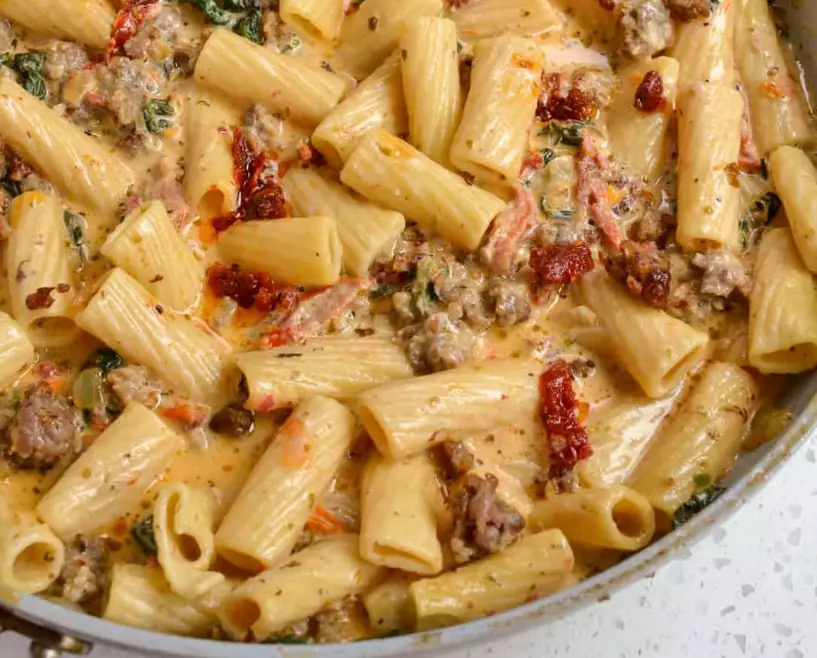
Italian Sausage Recipes: From Classic Pasta to Grilled Skewers
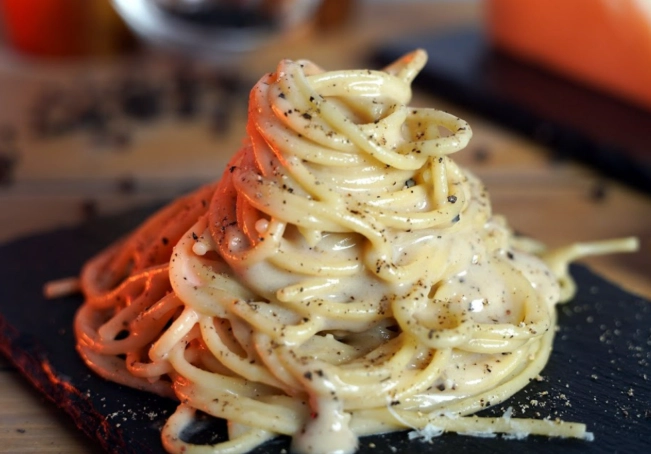
Master Italian Pasta Recipes: Classics, Regional Gems & Pro Tips