Cold Italian Appetizers: The Ultimate Guide to Antipasti & Finger Foods
Quick Guide
Let's be honest, when you think of Italian food, your mind probably jumps to a steaming plate of pasta or a pizza fresh from a wood-fired oven. But if you skip straight to the main course, you're missing out on one of the best parts of the meal – the opening act. In Italy, the cold Italian appetizers, or antipasti, aren't just an afterthought. They're a celebration of simplicity, fresh ingredients, and the art of lingering at the table. It's the part of the meal where conversation starts to flow, wine glasses are first filled, and you get a true taste of regional pride without turning on the stove.
I remember the first time I truly "got" antipasti. It wasn't in a fancy restaurant, but at a friend's crowded family table in a small town outside Bologna. The table was covered with mismatched plates – milky-white mozzarella, glossy marinated peppers, thinly sliced prosciutto that practically melted, and chunks of bread for scooping up a vibrant pesto. No one was in a rush. We just talked, ate, and passed plates around for what felt like an hour before any pasta even appeared. That's the magic. These cold Italian appetizers set the tone. They're designed for sharing, for slowing down, and for appreciating each flavor on its own.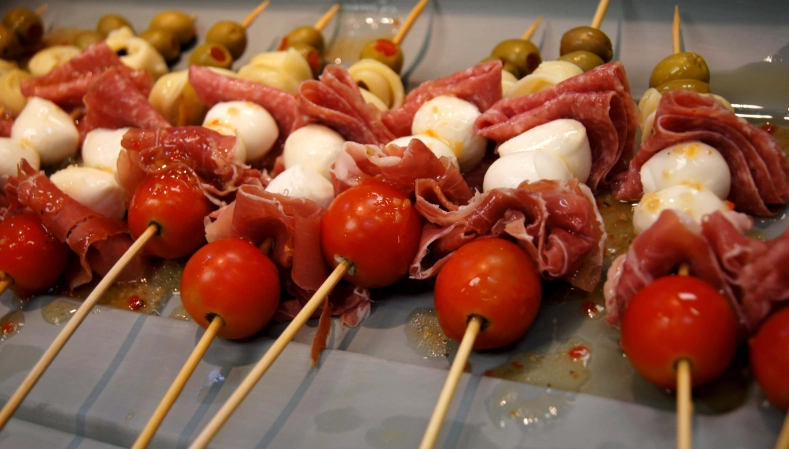
And the best part? For home cooks, mastering a spread of cold Italian appetizers is one of the most forgiving and impressive things you can do. Most of the work is in assembly, not complicated cooking. You can prepare almost everything ahead of time. If you're stressing about what to serve at a party, or just want to make a weeknight dinner feel special, starting with a few antipasti is your secret weapon.
What Exactly Are We Talking About? Defining the Antipasti Course
First things first, let's clear up the terminology. "Antipasti" literally means "before the meal" (anti = before, pasti = meal). While some antipasti can be hot (think fried calamari or arancini), the cold ones are the backbone of the tradition. They're meant to be light, to stimulate the appetite, not overwhelm it before the primo (first course, usually pasta or soup) arrives.
Think of them as edible art that showcases the best of what's in season and what the local region produces. A coastal town will feature marinated seafood and citrus. The inland hills will highlight cured meats, aged cheeses, and wild mushrooms. This connection to place is what makes exploring Italian finger food and antipasti so endlessly fascinating. You're not just eating food; you're getting a geography and culture lesson on a plate.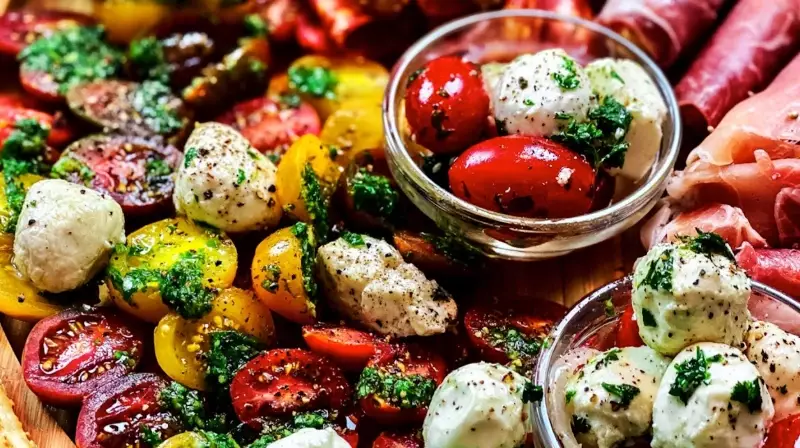
So, what are the hallmarks of a great cold antipasto spread?
- Freshness is Non-Negotiable: The tomatoes should taste like sunshine, the basil should be fragrant, the cheese should be at room temperature to express its full flavor.
- Texture is Everything: A great spread plays with contrasts. You want something creamy (like burrata), something crunchy (like grilled bread or raw fennel), something chewy (like cured meat), and something juicy (like marinated olives or tomatoes).
- Simplicity Rules: You won't find long lists of ingredients. Often, it's about pairing two or three incredible things and letting them shine. A perfect fig with a slice of prosciutto. A piece of aged Parmigiano-Reggiano with a drop of balsamic glaze.
- It's Visual: We eat with our eyes first. Arranging a platter with different colors, shapes, and heights is part of the fun. Don't just dump everything in a bowl!
The Classics You Absolutely Need to Know
These are the cornerstone cold Italian appetizers. You'll find variations of them all over Italy, and they should be the foundation of your repertoire.
Bruschetta & Crostini: The Toasted Canvas
This is where most people start, and for good reason. It's bread, toasted, rubbed with garlic, drizzled with good oil, and topped with… well, almost anything. But there's a key difference. Bruschetta (pronounced broo-SKET-ta, not broo-SHET-ta) traditionally uses a larger, thicker slice of rustic bread, like a sourdough or Pugliese loaf, grilled over coals. Crostini are smaller, thinner, and more delicate, often made from a baguette and baked until crisp.
The classic topping is, of course, the tomato-basil version. But here's my personal tip: salt your chopped tomatoes and let them drain in a colander for 15-20 minutes before mixing with basil, garlic, and oil. It prevents a soggy, watery mess on your beautiful toast. Other fantastic cold toppings include:
- White bean purée with rosemary and a drizzle of new-harvest olive oil.
- Chicken liver pâté (a classic Tuscan crostini topping).
- Ricotta mixed with lemon zest, pepper, and topped with honey or a savory mostarda (fruit relish).
- Smashed avocado with chili flakes and pecorino cheese (a modern twist).
Insalata Caprese: The Flag on a Plate
It doesn't get simpler or more iconic than this. Slices of ripe tomato, fresh mozzarella (preferably mozzarella di bufala, made from water buffalo milk), fresh basil leaves, extra virgin olive oil, salt, and maybe a crack of black pepper. That's it. The colors mirror the Italian flag. The success of this dish lives and dies by the quality of its three main components. If your tomatoes are pale and tasteless, just make something else. Seriously. Wait for tomato season. The mozzarella should be soft, milky, and stored in its liquid until the moment you slice it.
Prosciutto e Melone: The Perfect Sweet & Salty Pair
This combination is genius in its contrast. The salty, savory, silky-smooth texture of aged prosciutto crudo (like Parma or San Daniele) wrapped around a sweet, juicy, chilled wedge of ripe cantaloupe or honeydew. It's refreshing, elegant, and takes 2 minutes to assemble. The key is to not skimp on the prosciutto. Get it sliced paper-thin by a deli counter if you can. Pre-packaged thick slices just don't have the same melt-in-your-mouth quality.
Verdure Sott'olio & Sott'aceto: Vegetables in Oil & Vinegar
This is the Italian art of preserving. Vegetables like artichoke hearts, mushrooms, eggplants, peppers, and onions are cooked and then marinated in olive oil with herbs (sott'olio) or in a vinegar-based brine (sott'aceto). They're tangy, flavorful, and add a punchy element to any antipasti platter. You can buy excellent versions in jars, but making your own is surprisingly straightforward and lets you control the flavors.
Building Your Ultimate Antipasti Platter: A Step-by-Step Guide
Throwing a few things on a board is easy. Creating a balanced, beautiful, and delicious spread that wows your guests takes a bit of thought. Here’s how I like to approach it.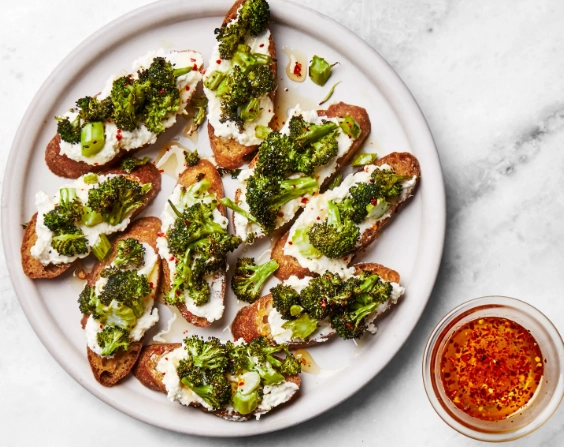
First, choose your base. A large wooden board, a slate slab, or even a big ceramic platter works. Have some small bowls and ramekins ready for loose items like olives or dips.
Now, think in categories. I aim for at least one item from each of these groups to ensure variety and balance. Here’s a handy table to help you mix and match:
| Category | Purpose | Examples (Cold Options) | Pro-Tip |
|---|---|---|---|
| The Cheeses | Provides creamy, rich, salty depth. | Fresh: Mozzarella, Burrata, Ricotta. Aged: Parmigiano-Reggiano, Pecorino Romano, Aged Gouda-style cheeses from the Alps. | Serve at room temperature! Take cheese out of the fridge at least an hour before serving. |
| The Cured Meats (Salumi) | Adds savory, salty, umami flavor and protein. | Prosciutto Crudo, Salami (like Milano, Finocchiona), Coppa, Bresaola (air-dried beef), Pancetta (can be served in thin slices). | Fold or roll slices loosely for texture. Provide a small knife for harder salami. |
| The Crunch & Bread | Vehicle for toppings and textural contrast. | Grilled bread slices (bruschetta), Crackers, Breadsticks (grissini), Fennel slices, Radicchio leaves. | Have a separate basket for bread to keep the platter from getting overcrowded. |
| The Vegetables & Pickles | Bright, acidic, fresh counterpoints. | Marinated artichokes, Roasted peppers in oil, Olives (Castelvetrano, Gaeta), Pickled onions, Cherry tomatoes, Caper berries. | Drain oily/briny vegetables well before placing on the board. |
| The Dips & Spreads | Creamy or flavorful elements for spreading. | Pesto Genovese, Olive tapenade, White bean & rosemary purée, Ricotta with herbs, 'Nduja (spreadable salami) if you like heat. | Serve in small bowls nestled into the platter to contain mess. |
| The Sweet Touch | Unexpected sweetness to complement salty items. | Fresh figs, Grapes, Pear or apple slices, Dried apricots, High-quality fruit mostarda, Honeycomb. | Pre-slice fruits like apples and drizzle with lemon juice to prevent browning. |
Start by placing your bowls (for dips, olives) on the board first. Then, arrange larger items like cheese wedges or bunches of grapes. Fan out cured meats in different sections. Fill in gaps with crackers, vegetable sticks, and smaller items. The goal is abundance without looking cluttered. Scatter some fresh herbs like rosemary sprigs or basil leaves for a final touch of color and fragrance.
Regional Gems: Beyond the Usual Suspects
Italy's regions are fiercely proud of their local specialties. Exploring these is how you level up your knowledge of authentic Italian finger food.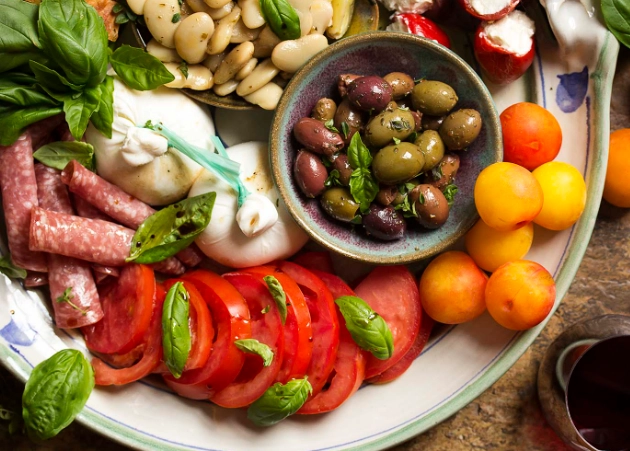
From the Sea: Crudo & Seafood Salads
In coastal regions, antipasti often come from the water. Crudo is the Italian answer to sashimi – pristine, ultra-fresh raw fish (like sea bass, tuna, or scallops) dressed with nothing but excellent olive oil, lemon juice, and sea salt. It's a testament to incredible ingredients. Then there's insalata di mare (seafood salad), a mix of boiled and chilled octopus, squid, shrimp, and mussels, dressed with olive oil, lemon, parsley, and sometimes celery. It's light, briny, and incredibly refreshing. You can find guidelines for preparing and selecting fresh seafood from authoritative sources like the Italian Institute for Agricultural and Food Market Services (ISMEA), which provides information on Italian agri-food products and quality.
From the North: Vitello Tonnato
This is a classic from Piedmont that sounds strange but is utterly delicious. Thinly sliced, poached veal (or sometimes turkey breast as a more accessible alternative) is covered in a creamy, smooth sauce made from canned tuna, capers, anchovies, and mayonnaise. The result is a cold, savory, umami-packed dish that's surprisingly light. It's a must-try for adventurous palates.
From the South: Caponata
Sicily's famous sweet-and-sour eggplant stew. Diced eggplant is fried and then stewed with tomatoes, celery, onions, capers, olives, and vinegar, with a touch of sugar to balance the acidity. Served cold or at room temperature, it's a flavor bomb. It's perfect spooned onto crostini or as a side on your platter.
Answering Your Antipasti Questions
Bringing It All Home: Your Action Plan
So where do you start? Don't try to make ten things from scratch for your first attempt. Pick one or two classics to master.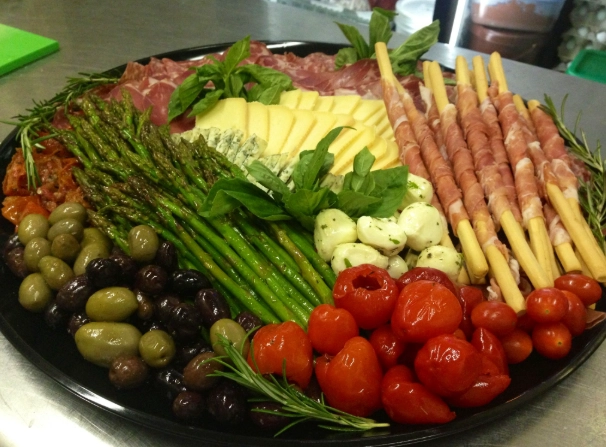
Maybe this weekend, focus on the perfect bruschetta. Get the best bread you can find, grill it, and top it simply with those salted, drained tomatoes. Next time, add a bowl of marinated olives and a piece of cheese. Build your skills and your pantry gradually.
Invest in quality staples: a bottle of robust extra virgin olive oil for dressing and a milder one for dipping, some sea salt flakes, good-quality canned tuna or beans for quick spreads, and a jar of decent marinated artichokes. With these in your cupboard, you're never far from a respectable antipasto.
Remember, the spirit of these cold Italian appetizers is generosity and enjoyment. It's not about perfection. A slightly lopsided platter made with care and good ingredients will always beat a technically perfect but soulless one. It's about creating a moment, a shared experience. That's the real Italian way.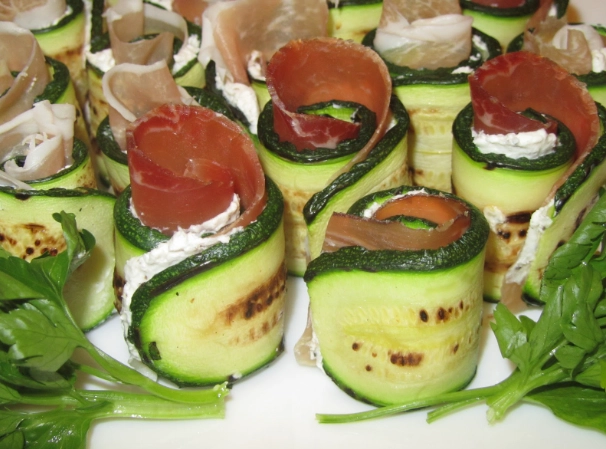
Put on some music, pour a glass of wine while you arrange the platter, and don't stress. Your guests will feel that relaxed energy. After all, the best meals, Italian or otherwise, are about the people around the table and the joy of eating together. And what better way to start that joy than with a beautiful, inviting spread of cold Italian appetizers?
Trust me on this.
Related Articles
Authentic Italian Pizza Dough Recipe: A Step-by-Step Guide
Traditional Italian Baked Ziti Recipe: Authentic Step-by-Step Guide
Traditional Italian Vegetarian Recipes: Classics Beyond Pasta
Italian vs American Braciole: The Real Differences Explained
Authentic Italian Meatballs Recipe: Tender, Juicy & Full of Flavor