4 Famous Italian Pastas: Types, History & Cooking Guide
Jump to Your Favorite Pasta
Let's cut to the chase. When people ask "What are the 4 famous Italian pastas?", they're usually thinking of Spaghetti, Penne, Fettuccine, and Lasagna. These aren't just random picks; they've earned their fame through centuries of Italian culinary tradition. I've cooked all over Italy, and trust me, getting these right can make or break a meal. We'll dive into each one, from their quirky origins to the little tricks that most recipes don't tell you.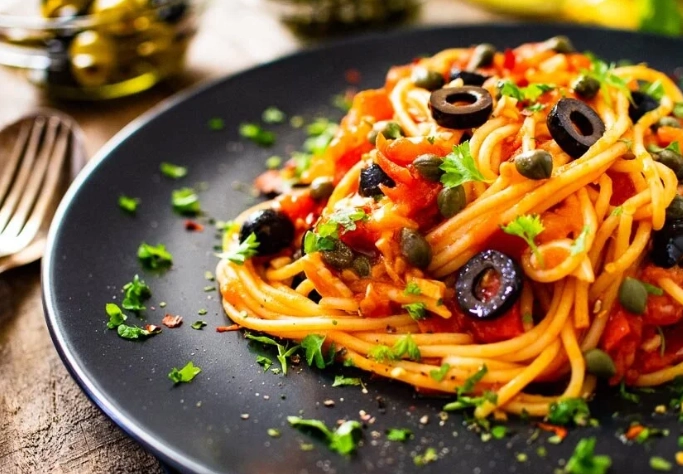
Spaghetti: The Iconic Long Pasta
Spaghetti is probably the first thing that pops into your mind when you hear "Italian pasta". It's thin, long, and incredibly versatile. But here's something most folks miss: not all spaghetti is created equal. The thickness varies, and that affects how it holds sauce.
Where Did Spaghetti Come From?
Contrary to popular belief, spaghetti didn't originate in Italy. Historical records from the Italian Ministry of Agricultural, Food and Forestry Policies suggest it might have roots in Arab cultures, arriving in Sicily around the 12th century. Italians perfected it, though. By the 19th century, it became a staple, especially in Naples where tomato sauce met pasta in a happy marriage.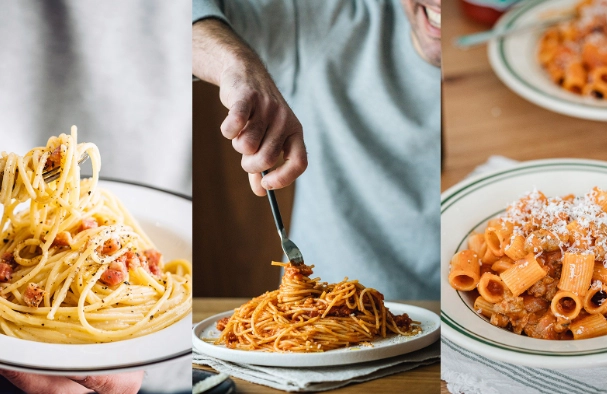
Cooking Spaghetti: The Golden Rule
Everyone says "cook it al dente", but what does that really mean? It's not just about timing; it's about texture. Al dente means "to the tooth" – the pasta should have a slight bite, not be mushy. I learned this the hard way when I overcooked a batch for a dinner party. The spaghetti turned into a gluey mess, and my guests politely nibbled. Use plenty of salted boiling water, stir immediately to prevent sticking, and taste a strand a minute before the package says it's done.
Must-Try Spaghetti Dishes
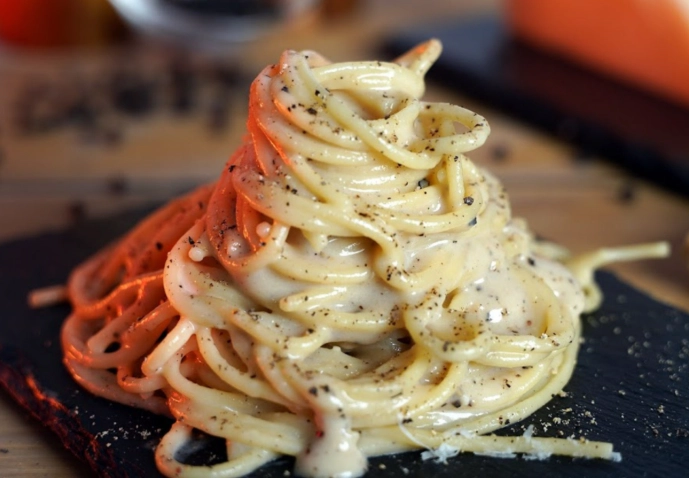
- Spaghetti alla Carbonara: Roman classic with eggs, Pecorino cheese, guanciale (cured pork cheek), and black pepper. No cream – that's a common mistake.
- Spaghetti alle Vongole: With clams, garlic, white wine, and parsley. Perfect for seafood lovers.
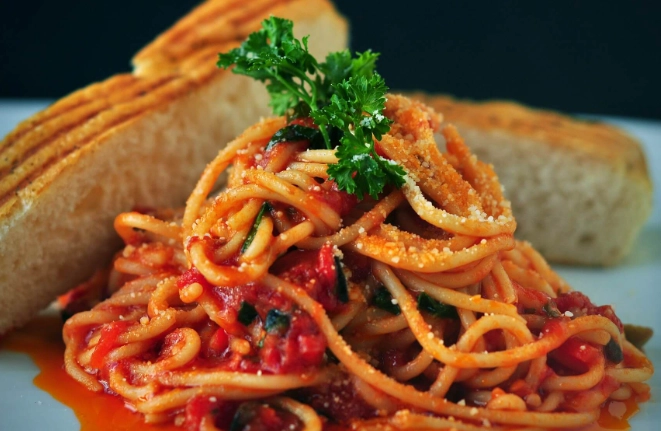
- Spaghetti al Pomodoro: Simple tomato sauce, basil, and olive oil. It's all about quality ingredients.
Penne: The Versatile Tube Pasta
Penne means "quills" in Italian, and its slanted ends are designed to scoop up sauce. It's my go-to for baked dishes, but it shines in simple sauces too. There are two main types: penne lisce (smooth) and penne rigate (ridged). The ridged one holds sauce better, which is why I always pick it for hearty ragù.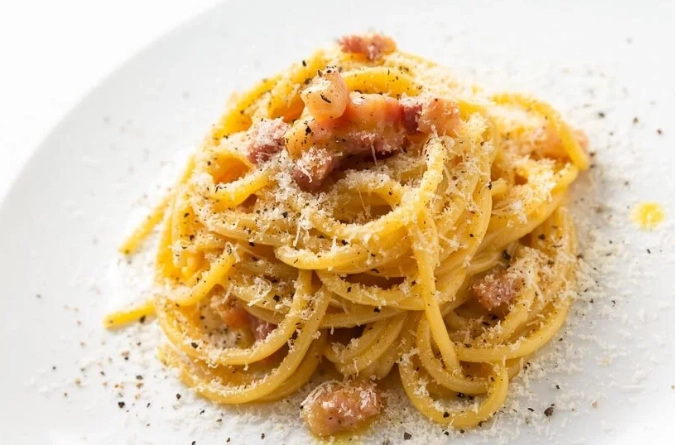
The History of Penne
Penne originated in Campania, Southern Italy, in the 19th century. It was invented to mimic the shape of a quill pen, which was common at the time. According to food historians, its tubular shape made it ideal for industrial production, helping spread its popularity globally.
How to Cook Penne Perfectly
Since it's tube-shaped, penne can trap water inside if you're not careful. After draining, give it a quick shake in the colander to get rid of excess moisture. I've seen people skip this, and their sauce ends up watery. Also, undercook it slightly if you're baking it later – the oven will finish the job.
Classic Penne Recipes
Penne all'Arrabbiata is a fiery favorite with tomato, garlic, and red chili flakes. For something creamier, Penne alla Vodka with tomato, cream, and a splash of vodka works wonders. Don't forget baked penne with mozzarella and meatballs – it's a crowd-pleaser.
Fettuccine: The Rich Ribbon Pasta
Fettuccine means "little ribbons" in Italian. It's wider than spaghetti, usually about 1/4 inch, and has a flat surface that clings to creamy sauces. Many confuse it with tagliatelle, but fettuccine is slightly wider. In Rome, it's the star of Fettuccine Alfredo, though the original version is much simpler than what you get abroad.
Origins of Fettuccine
Fettuccine hails from Rome and Tuscany. It's believed to have evolved from earlier pasta shapes in the Renaissance period. The famous Fettuccine Alfredo was created by Alfredo di Lelio in Rome in the early 1900s to help his pregnant wife with nausea. He tossed fettuccine with butter and Parmigiano-Reggiano, creating a rich, soothing dish.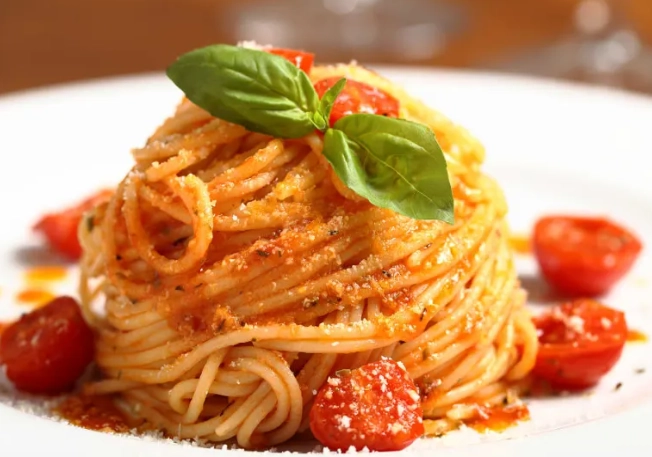
Cooking Tips for Fettuccine
Fresh fettuccine cooks in just 2-3 minutes, while dried takes 8-10. If you're using fresh, be vigilant – it goes from perfect to overcooked in seconds. I prefer fresh for creamy sauces because it absorbs flavors better. For dried, make sure to salt the water generously; the pasta needs that seasoning from the inside out.
Iconic Fettuccine Dishes
- Fettuccine Alfredo: The real deal uses only butter, Parmigiano-Reggiano, and pasta water. No cream.
- Fettuccine al Ragù: With a slow-cooked meat sauce, it's hearty and satisfying.
- Fettuccine with Mushrooms: Earthy flavors from porcini or cremini mushrooms, garlic, and herbs.
Lasagna: The Layered Masterpiece
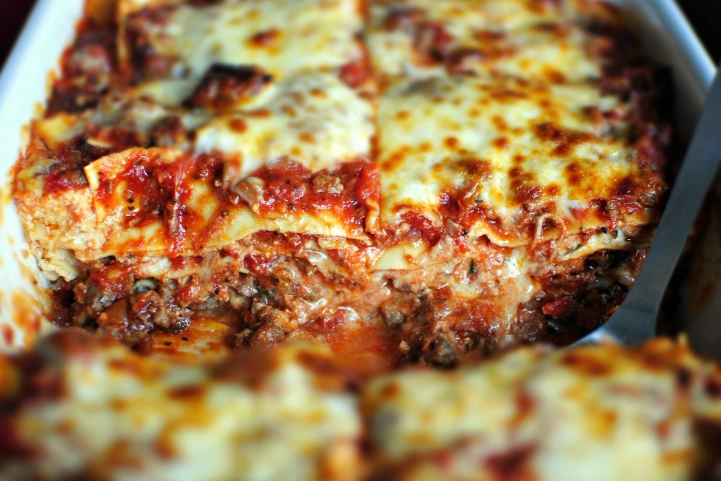
Lasagna is different – it's not just a pasta shape; it's a full dish. The pasta sheets are layered with sauce, cheese, and often meat, then baked to perfection. It's comfort food at its best. But here's a tip most recipes don't mention: let it rest after baking. Cutting into it too soon turns it into a sloppy mess.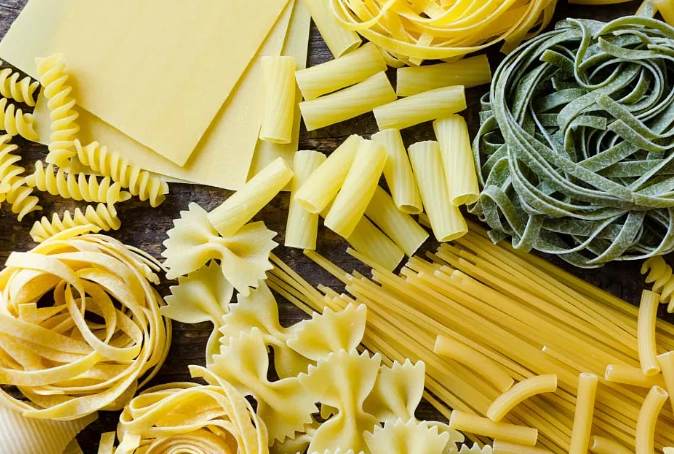
The History of Lasagna
Lasagna dates back to ancient Greece, but the modern version developed in Naples during the Middle Ages. The word "lasagna" might come from the Greek "laganon", a flat sheet of dough. Italians layered it with local ingredients, and by the 14th century, it was a festive dish. The addition of tomato sauce came later, after tomatoes were introduced from the Americas.
How to Build the Perfect Lasagna
Use no-boil lasagna sheets to save time, but if you're using fresh, blanch them quickly in boiling water. Layer in this order: sauce first to prevent sticking, then pasta, then filling (like ricotta or meat), then cheese. Repeat. Top with mozzarella and Parmigiano for a golden crust. Bake covered with foil for most of the time, then uncover to brown.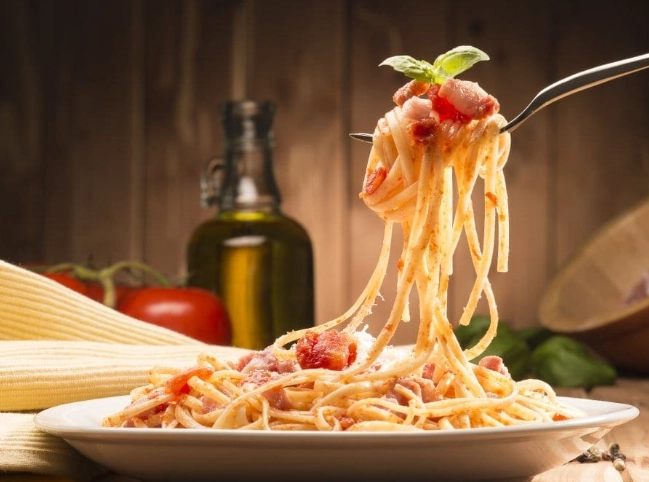
Regional Variations of Lasagna
In Emilia-Romagna, Lasagna alla Bolognese uses ragù bolognese, béchamel, and Parmigiano. In Naples, Lasagna Napoletana might include meatballs, sausage, and hard-boiled eggs. Vegetarian versions with spinach and ricotta are also popular.
Quick Comparison Table: Here's a snapshot of the 4 famous Italian pastas to help you choose.
| Pasta Type | Shape Description | Best Sauces | Typical Cooking Time (Dried) |
|---|---|---|---|
| Spaghetti | Long, thin cylinders | Tomato-based, oil-based, light cream | 8-10 minutes |
| Penne | Tube-shaped with slanted ends | Chunky vegetable, meat ragù, baked dishes | 10-12 minutes |
| Fettuccine | Flat ribbons, about 1/4 inch wide | Creamy sauces, rich meat sauces | 8-10 minutes |
| Lasagna | Flat sheets | Layered with béchamel, ragù, cheese | Varies (often no-boil or fresh) |
Common Mistakes When Cooking These Pastas
I've made plenty of errors over the years. One big one: adding oil to the boiling water. It doesn't prevent sticking; it just makes the pasta slippery so sauce won't cling. Instead, use enough water and stir early. Another mistake is rinsing pasta after cooking – it washes away starch that helps sauce adhere. Unless you're making a cold pasta salad, skip the rinse.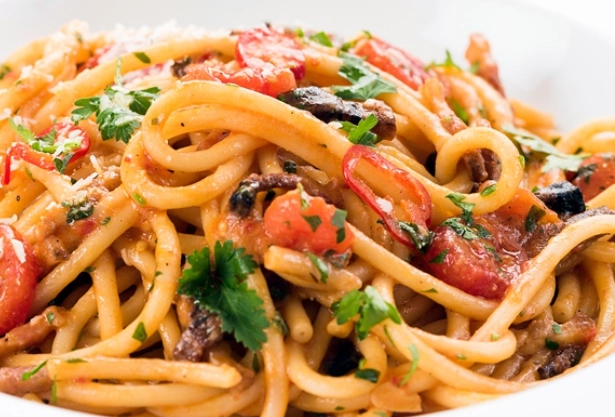
For lasagna, don't overfill the layers. It might look skimpy, but it puffs up in the oven. I once loaded it with too much ricotta, and it spilled over, creating a smoky disaster. Keep layers thin and even.
FAQ: Your Pasta Questions Answered
So there you have it – the four famous Italian pastas that define the cuisine. They're more than just food; they're a piece of history on your plate. Next time you're cooking, remember these tips, and don't be afraid to experiment. Italian cooking is about joy, not perfection. Now go boil some water and get started!
Related Articles

Ultimate Guide to Italian Sausage Recipes: From Classic to Creative
Traditional Northern Italian Recipes: Authentic Dishes & Cooking Secrets

Authentic Italian Cookies Recipe: A Guide to Classic Biscotti & More
Easy Italian Dressing Noodle Salad Recipe: Perfect for Summer
What Are the Three Ingredients in Italian Pasta Sauce? (The Essential Trio)
