What are the 4 Classic Italian Dishes? A Food Lover's Guide
Ask ten people about classic Italian food, and you'll get a dozen answers. But if you want to understand the soul of Italian cooking—the dishes that are non-negotiable, passed down through generations, and celebrated from Sicily to the Alps—you need to focus on four pillars. These aren't just meals; they're culinary philosophies. They teach you about regional pride, ingredient worship, and the simple magic of turning a few humble components into something unforgettable.
So, what are the 4 classic Italian dishes? They are Pizza, Pasta (specifically in a form like Carbonara or Ragù), Risotto, and Tiramisù. This list might seem obvious, but most people get the details wrong. I've spent years eating my way through Italy, from family-run trattorias to starred restaurants, and I've seen the same mistakes repeated. The biggest one? Assuming these dishes are simple. They're not. They're deceptively complex, and their simplicity is a hard-won achievement. Let's break them down, not just as recipes, but as cultural icons.
Your Quick Guide to Italian Classics
1. Pizza Napoletana: More Than Dough and Cheese
Forget everything you know about the thick-crust, overloaded pies from the corner shop. Authentic Neapolitan pizza is a different creature. It's protected by the European Union's TSG (Traditional Speciality Guaranteed) status, which means there are rules. Real pizza Napoletana must be made with specific ingredients—Type "00" flour, San Marzano tomatoes, Mozzarella di Bufala Campana or Fior di Latte, fresh basil, and extra-virgin olive oil.
The process is just as important. The dough is kneaded by hand or a low-speed mixer, left to rise for at least 8 hours, and shaped by hand—no rolling pin allowed. It's baked for 60-90 seconds in a wood-fired oven at about 900°F (485°C). The result is a soft, elastic crust with a characteristic "leopard spotting" of charred bubbles, a soupy center, and flavors that sing.
The Two Kings: Margherita and Marinara
You only need to know two types. The Margherita (tomato, mozzarella, basil, oil) is the iconic flag of Italy on a plate. The Marinara (tomato, garlic, oregano, oil) is the older, simpler version. If you see a menu with 30 different toppings, you're probably not in a traditional Neapolitan pizzeria.
Where to try the real deal? You must go to Naples. Pizzerias like Da Michele (Via Cesare Sersale, 1) or Sorbillo (Via dei Tribunali, 32) are institutions. Expect queues, simple menus, and chaos. It's worth it. A classic Margherita costs between €4-€8. They're open for lunch and dinner, but go early or be prepared to wait.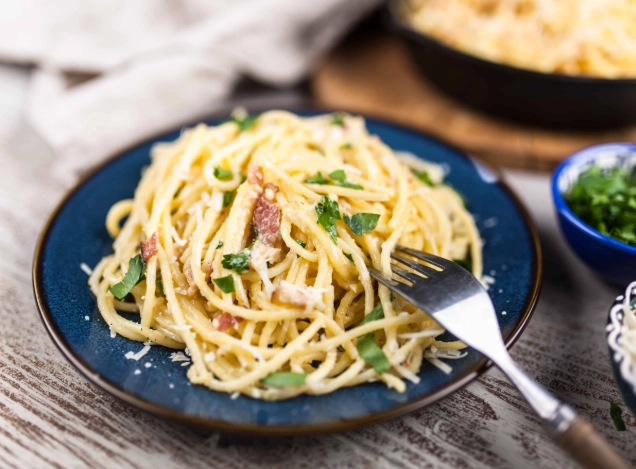
2. Pasta: The Art of the Perfect Sauce
Calling "pasta" a single dish is like calling "painting" a single color. It's the canvas. The masterpiece is in the sauce and the pairing. We're talking about specific, iconic pasta preparations that every Italian nonna knows by heart.
Let's take Spaghetti alla Carbonara. The recipe is brutally simple: eggs, Pecorino Romano cheese, guanciale (cured pork cheek), and black pepper. No cream. Ever. The magic is in the technique—tempering the eggs with hot pasta water to create a silky, creamy sauce that coats each strand without scrambling. The guanciale provides a deep, savory funk that bacon can't quite match.
Then there's Tagliatelle al Ragù (what the world often mistakenly calls "Bolognese"). This is a slow-cooked meat sauce from Bologna, traditionally paired with fresh tagliatelle, not spaghetti. It's a Sunday ritual, simmering for hours with a soffritto of onion, carrot, celery, ground beef and pork, a splash of wine, and a little tomato paste or puree. It's rich, hearty, and clings to the ribbon pasta perfectly.
Here’s a quick look at where to find exemplary versions of these classics in their hometowns:
| Dish | Restaurant (City) | Address / Notes | Price Range (per person) |
|---|---|---|---|
| Carbonara | Roscioli (Rome) | Via dei Giubbonari, 21. A legendary deli-restaurant. Book weeks ahead. | €15-€25 |
| Tagliatelle al Ragù | Trattoria Anna Maria (Bologna) | Via delle Belle Arti, 17. Family-run, textbook Emilia-Romagna cuisine. | €12-€20 |
| Pesto Genovese | Trattoria da Maria (Genoa) | Vico Testadoro, 14R. They make pesto fresh daily with local basil. | €10-€18 |
The pasta itself matters. Dried pasta from Gragnano (like De Cecco or Garofalo) is excellent for most shapes. But for egg-based pasta like tagliatelle, fresh is non-negotiable. And please, salt your pasta water like the sea. It's the only chance to season the pasta itself.
3. Risotto alla Milanese: The Golden Standard
Risotto is the dish that proves Italians are alchemists. They turn a pot of starchy rice, broth, and aromatics into creamy gold. Risotto alla Milanese is the most iconic version, famous for its vibrant yellow color from saffron. It's often served alongside Osso Buco, but it's a star on its own.
The rice is key—Carnaroli or Arborio varieties have the high starch content needed to release that creamy texture. The process is a meditation: toasting the rice in butter and onion, deglazing with white wine, then adding warm broth one ladle at a time, stirring constantly. The saffron is added towards the end. The finish is mantecatura—beating in cold butter and grated Parmigiano-Reggiano off the heat to create an emulsified, glossy sauce.
I've ruined more risottos than I care to admit. The most common error is rushing. You can't dump all the broth in. The slow addition and constant stirring are what coax the starch out of the grains. The result should be all'onda—wavy—flowing slowly when you tilt the plate, not stiff or soupy.
In Milan, try it at a historic spot like Trattoria Milanese (Via Santa Marta, 11). It's old-school, with checkered tablecloths and a menu that hasn't changed in decades. A plate of perfect risotto will cost around €18-€22.
4. Tiramisù: Italy's Beloved Pick-Me-Up
Tiramisù is the baby of the group, invented in the 1960s or 70s in the Veneto region (though both Treviso and Friuli claim it). Its name means "pick me up," thanks to the coffee and cocoa. The genius is in its layers: coffee-soaked savoiardi (ladyfingers) and a rich cream made from mascarpone cheese, eggs, and sugar, dusted with bitter cocoa powder.
The controversy starts with the eggs. The original, and in my opinion best, version uses raw eggs whipped into the mascarpone. It's lighter and richer. Many restaurants now use pasteurized eggs or cooked zabaglione for safety, which changes the texture. The other big debate? Alcohol. A dash of Marsala wine is traditional, but some use rum or skip it entirely. The coffee should be strong, cold, and unsweetened.
Where did it come from? The story goes that it was created at Le Beccherie restaurant in Treviso. Whether that's true or not, you can find incredible tiramisù all over. In Rome, Pompi (Via della Croce, 82) is famous for it, offering classic and flavored versions. In Venice, wander into any pasticceria in the Dorsoduro district.
Making it at home is straightforward. The trick is to whip the egg whites separately to a stiff peak and fold them in last—this gives that airy, cloud-like texture. And let it set in the fridge for at least 6 hours, preferably overnight. The waiting is the hardest part.
Your Questions on Italian Classics Answered
Related Articles
Ultimate Guide to Making Homemade Pasta from Scratch

Rescue the market requires real money, not IPO suspension
Unlock the Secrets of Italian Seasoning: A Guide to the Essential Ingredients
Authentic Italian Bruschetta Recipe: The Only Guide You'll Ever Need
Authentic Italian Meatballs: Nonna's Secrets & Step-by-Step Recipe