5 Traditional Italian Dishes: Authentic Recipes & Where to Try Them
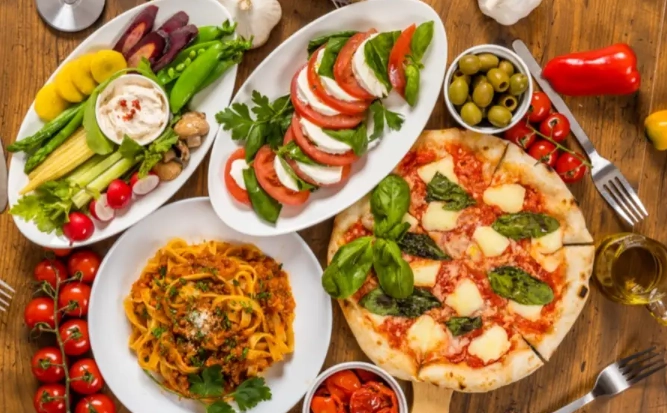
When people ask "What are 5 traditional Italian dishes?", they're often looking for more than just a list. They want the stories, the flavors, and the real-deal experiences that make Italian food a global obsession. I've spent years eating my way through Italy, from family-run trattorias in Sicily to bustling markets in Florence, and I've seen how these dishes define regions and bring people together. Let's cut to the chase: here are five iconic traditional Italian dishes that every food lover should know, complete with where to taste them and why they matter. Forget the tourist traps—this is about authenticity.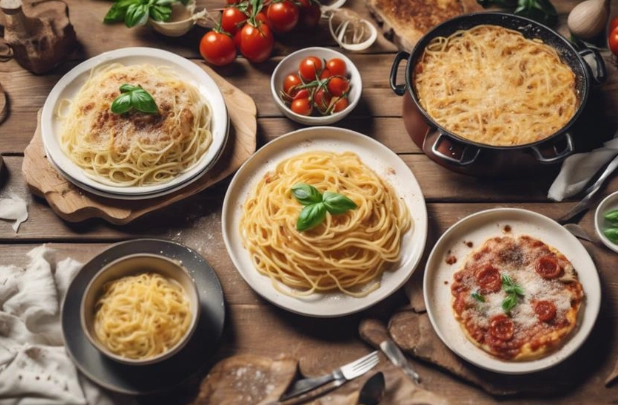
Skip to Your Favorite Dish
Pasta Carbonara: Rome's Creamy Masterpiece
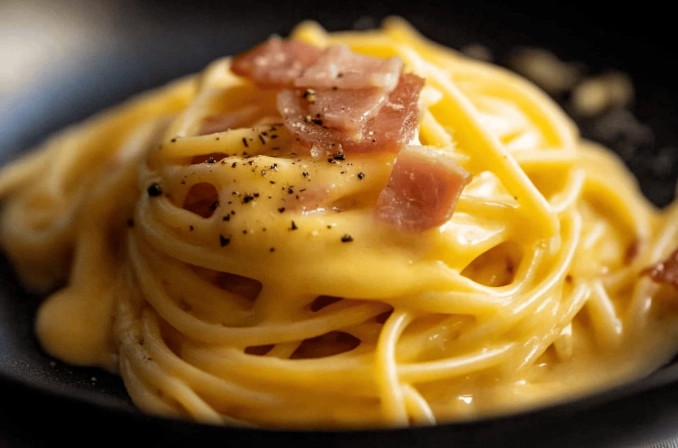
Let's start with a dish that's been butchered more times than I can count outside Italy. Real carbonara isn't about cream—it's about eggs, pecorino cheese, guanciale (cured pork cheek), and black pepper. The magic happens when the hot pasta cooks the eggs into a silky sauce. I learned this the hard way when I ordered carbonara in a fancy New York restaurant and got a gloopy, cream-laden mess. In Rome, it's a different story.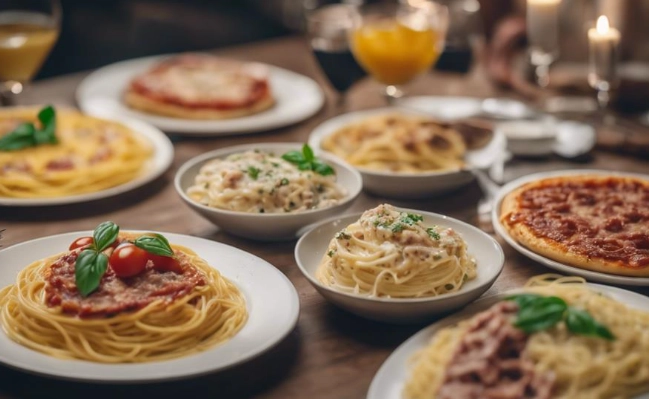
The Real Carbonara: No Cream Allowed
Historians debate its origins—some say it came from Italian coal miners (carbonai), others argue it's a post-World War II creation. But the Italian Academy of Cuisine officially recognizes it as a Roman classic. The key is guanciale, not pancetta or bacon. Guanciale has a richer, fattier flavor that melts into the dish. If you see cream on the menu, run. It's a sign the chef isn't respecting tradition.
Where to Eat Carbonara in Rome: Roscioli
Address: Via dei Giubbonari, 21, 00186 Roma. This place isn't just a restaurant; it's an institution. I stumbled in years ago and still dream about their carbonara. The pasta is perfectly al dente, and the guanciale is crisp without being greasy. Price: Around €15-€20 per plate. Rating: 4.7/5 on Google. Open daily from 12:30 PM to 4:00 PM and 7:00 PM to midnight. Pro tip: Go for lunch to avoid the dinner crowds. They source ingredients from their own salumeria next door, which adds to the authenticity.
Osso Buco: Milan's Braised Delight
Osso buco means "bone with a hole," referring to the veal shanks braised slowly with vegetables, white wine, and broth. It's a northern Italian staple, often served with risotto alla milanese. The first time I tried it, in a tiny Milanese osteria, the meat fell off the bone with a fork touch. That's when I realized why this dish has lasted centuries.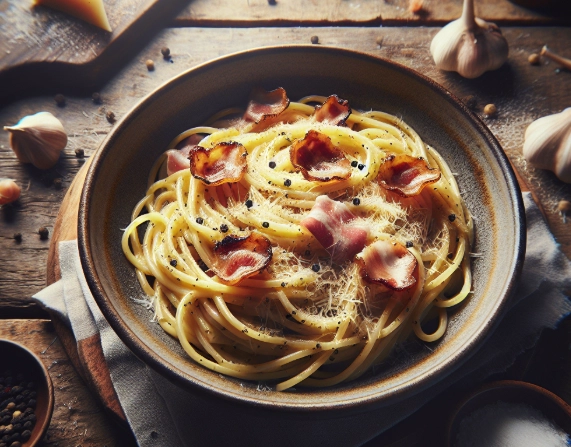
The Secret to Tender Osso Buco
Most home cooks rush the braising. Don't. It needs at least two hours on low heat. The marrow in the bone is the prize—scoop it out and spread it on bread. According to Eataly's culinary guides, the best osso buco uses young veal and a splash of gremolata (lemon zest, garlic, parsley) at the end for brightness. I've had versions where the meat was tough because they skipped the long cook, and it's a disappointment.
A Milanese Restaurant Recommendation: Trattoria Milanese
Address: Via Santa Marta, 11, 20123 Milano. Tucked away near the Duomo, this family-run spot feels like stepping into a nonna's kitchen. Their osso buco is legendary—tender, flavorful, and served with a creamy saffron risotto. Price: €25-€30 for a full meal. Rating: 4.6/5. Hours: 12:00 PM to 3:00 PM and 7:00 PM to 11:00 PM, closed Sundays. The owner, Marco, often shares stories about the recipe passed down from his grandfather.
Risotto alla Milanese: Saffron Gold
Risotto isn't just rice; it's a technique. Risotto alla Milanese, with its vibrant yellow color from saffron, is a Lombardy treasure. It's often paired with osso buco, but it stands alone as a luxurious dish. I used to think risotto was mushy until I had the real thing in Milan—each grain separate yet creamy, thanks to constant stirring.
Why Patience is Key for Risotto
The rice variety matters. Carnaroli or Arborio are best because they release starch slowly. Saffron threads, not powder, give the authentic flavor and color. A common mistake? Adding all the broth at once. You need to ladle it in gradually, stirring for about 18-20 minutes. It's labor-intensive, but that's what makes it special. The Italian Ministry of Agricultural, Food and Forestry Policies even protects the saffron used in this dish as a traditional product.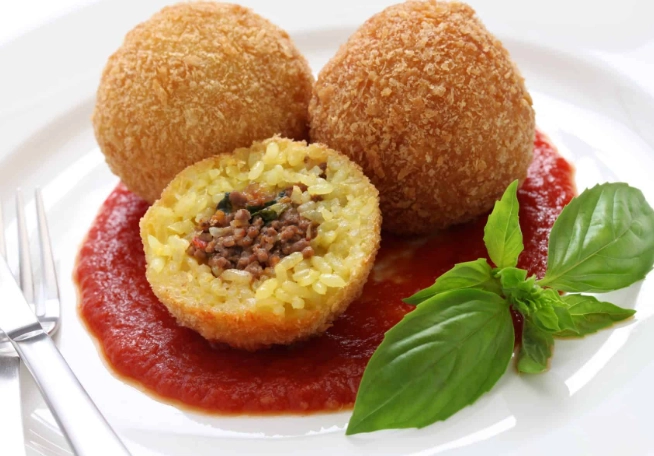
Tasting Risotto in Milan: Il Luogo di Aimo e Nadia
Address: Via Montecuccoli, 6, 20147 Milano. This Michelin-starred restaurant elevates risotto to an art form. Their version uses aged Carnaroli rice and artisanal saffron from Abruzzo. Price: €40-€50 for a tasting menu that includes it. Rating: 4.8/5. Open for dinner from 7:30 PM to 10:30 PM, Tuesday to Saturday. It's pricey, but for a splurge, it shows how tradition can meet innovation.
Saltimbocca alla Romana: Jump-in-the-Mouth Goodness
Saltimbocca literally means "jump in the mouth," and this Roman dish of veal, prosciutto, and sage does just that. It's quick to cook but easy to mess up. The veal should be pounded thin, topped with prosciutto and a sage leaf, then pan-fried in butter and white wine. I've had versions where the meat was overcooked and dry—a tragedy for such a simple recipe.
The Art of Balancing Flavors
The prosciutto must be high-quality, like Prosciutto di Parma, and the sage fresh. Some chefs add cheese, but purists argue it's not traditional. The wine deglazes the pan, creating a light sauce. In Rome, it's often served with spinach or potatoes. A tip from a Roman chef friend: don't skimp on the butter. It's what gives the dish its rich, savory depth.
Finding Authentic Saltimbocca in Rome: Da Enzo al 29
Address: Via dei Vascellari, 29, 00153 Roma. In the Trastevere neighborhood, this cozy trattoria nails saltimbocca. The veal is tender, and the sage is fried to a crisp. Price: €12-€18. Rating: 4.5/5. Open from 12:30 PM to 3:00 PM and 7:30 PM to 11:00 PM, closed Mondays. It's cash-only and always busy, so book ahead. The ambiance is noisy and lively, perfect for a real Roman meal.
Lasagna: The Comfort Food King
Lasagna might seem universal, but the traditional Italian version from Emilia-Romagna is layered with fresh pasta, ragù (meat sauce), béchamel, and Parmigiano-Reggiano. No ricotta in the classic recipe—that's an American twist. I remember a debate with a friend from Bologna who insisted that lasagna without béchamel is just a casserole. She had a point.
Regional Variations of Lasagna
In Naples, they add meatballs and ricotta; in the north, it's often lighter. But the Bolognese style is the gold standard. The ragù simmers for hours, and the pasta sheets are homemade. A mistake I've seen? Using too much sauce, which makes it soggy. The layers should be distinct. The Consortium for the Protection of Traditional Italian Food Products emphasizes the importance of local ingredients like Parmigiano-Reggiano DOP.
A Homestyle Lasagna Experience in Bologna: Trattoria di Via Serra
Address: Via Luigi Serra, 9/b, 40129 Bologna. This off-the-beaten-path spot serves lasagna that tastes like nonna made it. The ragù is rich, and the béchamel is creamy without being heavy. Price: €10-€15. Rating: 4.4/5. Open for lunch and dinner, 12:00 PM to 3:00 PM and 7:00 PM to 10:30 PM, closed Sundays. It's a no-frills place, but that's where you find the real deal.
How to Experience These Dishes Like a Local
Traveling to Italy? Don't just hit the famous spots. For carbonara, avoid places near major tourist sites—they often cater to foreign tastes. Instead, wander into neighborhoods like Testaccio in Rome. For osso buco, look for restaurants that mention "cucina povera" (poor kitchen) on the menu; it signals traditional, slow-cooked food. In Milan, many trattorias close between lunch and dinner, so plan accordingly. I once missed out on a great risotto because I showed up at 4 PM. Also, consider seasonal variations: lasagna is often a winter dish, while saltimbocca is year-round. Booking ahead is crucial, especially in cities. Use apps like TheFork, but don't rely solely on ratings—sometimes the best places are hidden gems with fewer reviews.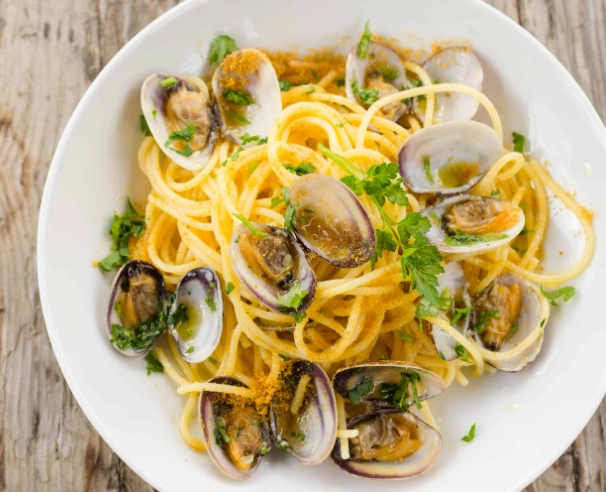
Your Burning Questions Answered
Related Articles

Amazon on the fire

Simple Italian Cookie Recipes: 3 Classics You Can Master

The medium-sized trap of Internet companies
Authentic Carbonara Recipe: How to Make Traditional Italian Pasta
Authentic Italian Beef Sandwich Recipe | Easy Homemade Guide