Traditional Italian Baked Ziti Recipe: Authentic Step-by-Step Guide
Let's cut to the chase: a real traditional Italian baked ziti isn't just pasta with sauce and cheese thrown in a dish. It's about layers of flavor, texture, and a few tricks most online recipes gloss over. I learned this the hard way after a decade of cooking in Italian kitchens and messing up my own fair share of batches. The secret? It's all in the pasta cook, the sauce simmer, and the cheese blend. Get those right, and you've got a crowd-pleaser that beats any restaurant version.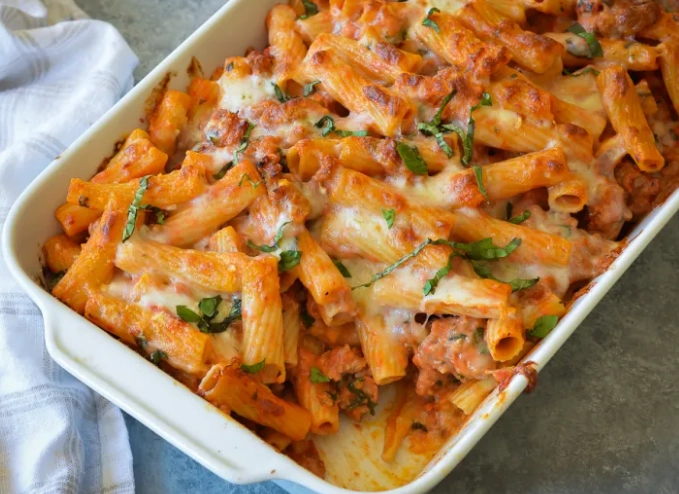
Jump to What Matters
What Makes It Traditional?
Baked ziti, or "ziti al forno," hails from Southern Italy, especially Campania. It's a humble dish born from using up leftovers, but over time, it evolved into a staple for family gatherings. The traditional version focuses on simplicity: ziti pasta (those tube-shaped cuts), a robust tomato sauce simmered for hours, and a mix of cheeses like ricotta, mozzarella, and Parmigiano-Reggiano. Unlike the Americanized versions loaded with meat, the authentic one often keeps it vegetarian or adds small amounts of sausage. The goal is a balanced bake where the pasta stays al dente, the sauce soaks in, and the cheese forms a golden crust without becoming greasy.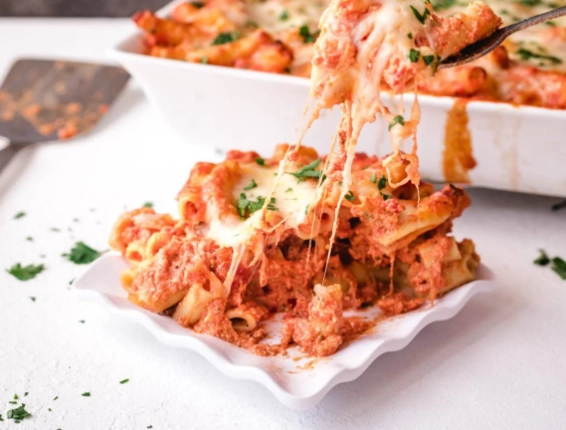
I remember my nonna insisting on baking it in a clay dish for even heat—something most modern recipes skip. But if you don't have one, a heavy ceramic casserole works fine.
Ingredients You Absolutely Need
Here's the thing: skimp on ingredients, and your baked ziti will taste generic. I've seen people use jarred sauce and pre-shredded cheese, and it always falls flat. For authenticity, stick to this list. According to the Italian Academy of Cuisine, traditional recipes emphasize fresh, high-quality components.
| Ingredient | Quantity | Notes for Authenticity |
|---|---|---|
| Ziti pasta | 1 pound (450g) | Use bronze-die cut pasta for better sauce adhesion. Penne works in a pinch, but ziti's shape traps sauce better. |
| San Marzano tomatoes | 28-ounce can | These tomatoes are sweeter and less acidic. Crush them by hand for a rustic texture. |
| Whole milk ricotta | 15 ounces (425g) | Drain excess liquid to prevent a watery bake. Part-skim ricotta makes it dry. |
| Fresh mozzarella | 8 ounces (225g) | Tear it into chunks, don't slice. It melts creamier than pre-shredded. |
| Parmigiano-Reggiano | 1 cup grated | Grate it fresh. The pre-grated stuff has anti-caking agents that affect melt. |
| Extra virgin olive oil | 3 tablespoons | Use a good quality one for sautéing and drizzling. |
| Garlic and onion | 3 cloves, 1 medium | Finely chopped. Some recipes add a pinch of red pepper flakes for heat. |
| Fresh basil and parsley | A handful each | Chopped. Dried herbs can't match the freshness. |
If you're adding meat, opt for sweet Italian sausage (about 1/2 pound), removed from casings and browned. But honestly, the vegetarian version shines on its own.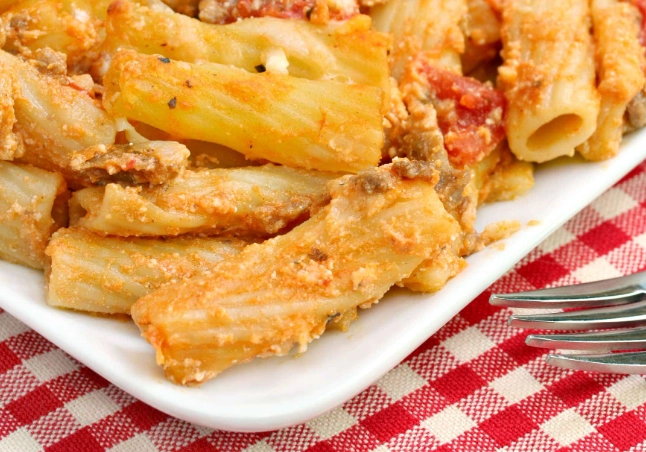
Step-by-Step Cooking Instructions
This isn't a dump-and-bake affair. Each step builds flavor. I'll break it down so you don't miss a beat.
Preparing the Pasta: The Al Dente Rule
Boil the ziti in well-salted water—taste it, it should be like the sea. Cook for 2 minutes less than the package says. Why? Because it'll cook more in the oven. Drain it, but don't rinse. Toss with a drizzle of olive oil to prevent sticking. This little step keeps the pasta from absorbing too much sauce later and becoming mushy.
I once overcooked the pasta, and the whole bake turned into a soggy mess. Trust me, al dente is non-negotiable.
Making the Sauce: Simmer for Depth
In a large pot, heat olive oil over medium. Sauté chopped onion until soft, about 5 minutes. Add minced garlic and cook for another minute—don't let it brown. Pour in the hand-crushed San Marzano tomatoes with their juice. Add a few basil leaves, salt, and pepper. Let it simmer uncovered for at least 30 minutes, stirring occasionally. The sauce should thicken and reduce by about a third.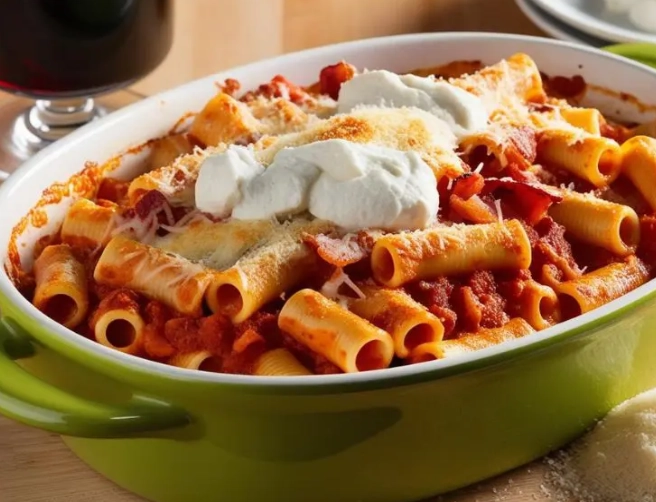
Some recipes call for adding sugar, but with San Marzanos, you don't need it. If you want extra richness, stir in a tablespoon of tomato paste at the start.
Assembling and Baking: Layering Secrets
Preheat your oven to 375°F (190°C). In a bowl, mix the ricotta with half of the grated Parmigiano-Reggiano, chopped parsley, and a pinch of nutmeg (a nonna trick for warmth).
Now, layer in a greased 9x13 inch baking dish:
- Bottom: Spread a thin layer of sauce.
- First layer: Half the pasta, half the remaining sauce, dollops of ricotta mixture, and half the mozzarella chunks.
- Repeat: Remaining pasta, sauce, ricotta, and mozzarella.
- Top: Sprinkle the rest of the Parmigiano-Reggiano and a drizzle of olive oil.
Bake uncovered for 25-30 minutes, until the top is bubbly and golden brown. Let it rest for 10 minutes before serving—this allows the layers to set. Cutting into it too soon releases steam and makes it runny.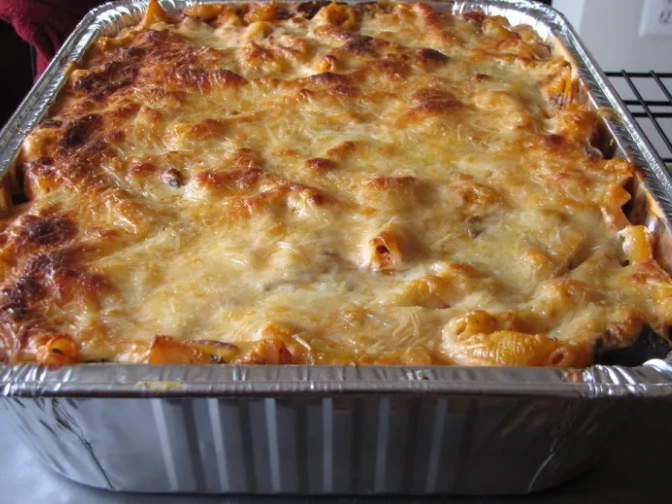
Common Mistakes to Avoid (From an Expert)
After teaching countless home cooks, I've spotted patterns. Here are the big ones:
- Overcooking the pasta before baking: It continues to absorb liquid in the oven. Aim for very al dente.
- Using watery ricotta: Drain it in a fine mesh strainer for 30 minutes, or wrap in cheesecloth. Wet ricotta leads to a soupy bake.
- Skimping on sauce simmer time: A quick sauce lacks depth. That 30-minute simmer develops sweetness and thickness.
- Not letting it rest after baking: Impatience ruins the texture. Those 10 minutes are crucial for serving neat portions.
One more: baking at too high a temperature. It browns the top too fast while the inside stays cold. 375°F is the sweet spot.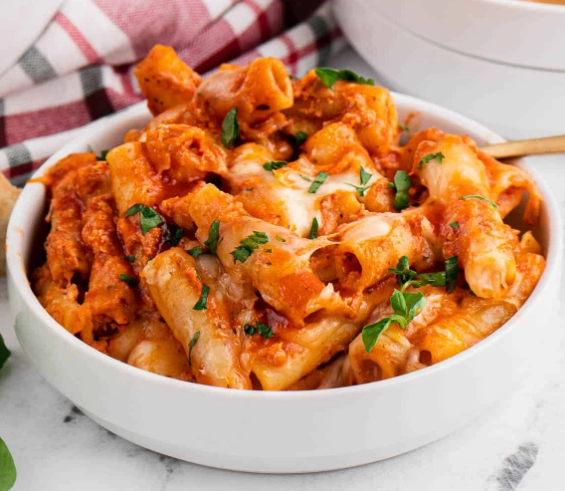
FAQ: Your Baked Ziti Questions Answered
Related Articles
The Five Italian Spices: A Complete Guide to Flavor & Tradition

The Most Popular Cocktail in Italy: A Deep Dive into the Aperol Spritz
Top 10 Italian Dinner Dishes: A Curated Guide for Authentic Meals
Ultimate Guide to Vegetarian Italian Dinner Party Recipes

Sudden bad news! A-shares plunged, Hong Kong stocks fell more than 2%, and there