Ultimate Guide to Italian Baked Ground Beef Recipes
There's something deeply satisfying about pulling a bubbling, cheese-crusted Italian baked dish out of the oven. The aroma of tomatoes, herbs, and browned beef fills the kitchen, promising a meal that's both comforting and celebratory. Ground beef is the workhorse here—affordable, flavorful, and perfect for absorbing the rich sauces and melding with pasta and cheese. Whether you're feeding a hungry family on a Tuesday or prepping for a weekend gathering, mastering a few of these baked Italian ground beef recipes is a culinary skill you'll use forever.
Your Quick Guide to Hearty Italian Baked Beef
Three Core Recipes You Need to Know
Let's cut to the chase. You want recipes that work. These three form the foundation of Italian-American baked comfort food. Each has its own personality, but they all share that magical beef-pasta-cheese-tomato harmony.
1. The Weeknight Hero: Baked Ziti with Ground Beef
Baked ziti is the laid-back cousin of lasagna. No fussy layering, just toss everything together and bake. It's forgiving, fast to assemble, and everyone loves it. The key is using a good, short tubular pasta like ziti or rigatoni that can trap the sauce and beef inside.
My go-to method: Brown 1 lb of 85/15 ground beef with a diced onion and 3 cloves of minced garlic. Drain excess fat if needed. Stir in a 24-ounce jar of quality marinara sauce (like Rao's or a homemade batch) and let it simmer for 10 minutes. Meanwhile, cook 1 lb of ziti to just shy of al dente—it'll finish cooking in the oven. Mix the drained pasta with the meat sauce, half a 15-oz tub of ricotta, and 1 cup of shredded mozzarella. Pour into a 9x13 dish, top with another 1.5 cups of mozzarella and some grated Parmesan. Bake at 375°F (190°C) for 25-30 minutes until golden and bubbly.
2. The Crowd-Pleasing Legend: Classic Lasagna Bolognese-Style
Lasagna is the king for a reason. It's a project, but a deeply rewarding one. The common mistake? Rushing the meat sauce. A true, slow-simmered ragù makes all the difference. I'm not talking about an all-day affair, but give it at least 45 minutes.
The layered blueprint: Start with your beef ragù (see next section for details). You'll need about 6 cups. For the cheese layer, mix 2 cups of ricotta with 1 egg, 1/4 cup of grated Parmesan, salt, pepper, and a handful of chopped parsley. Have 12 no-boil lasagna sheets and 4 cups of shredded low-moisture mozzarella ready. Assembly order: thin layer of sauce, pasta sheets, half the ricotta mix, 1/3 of the mozzarella, more sauce. Repeat. Finish with pasta, the last of the sauce, and the remaining mozzarella and Parmesan. Cover with foil, bake at 375°F (190°C) for 30 minutes, then uncover and bake for 15-20 more.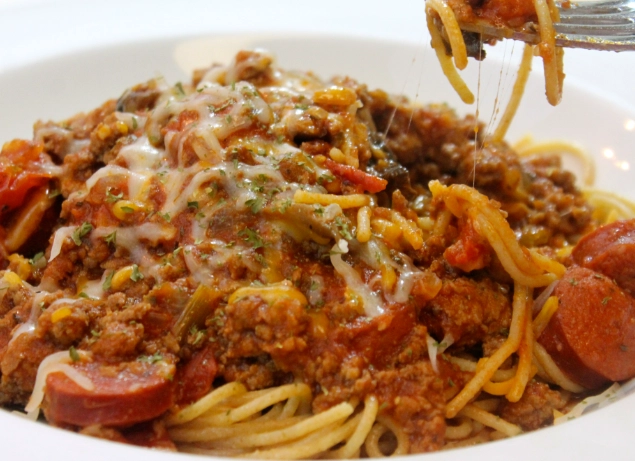
3. The Flexible Casserole: Italian Ground Beef and Pasta Bake
This is your canvas. Think of it as a "clean out the fridge" masterpiece. Any short pasta, any veggies you have, and a simple meat sauce come together under a blanket of cheese.
Basic framework: Sauté 1 lb ground beef with onions, garlic, and maybe some diced bell peppers or mushrooms. Add a can of crushed tomatoes, dried oregano, and basil. Simmer 15 minutes. Toss with 8 oz of cooked pasta (penne, shells, even macaroni). Transfer to a baking dish, top with cheese—mozzarella is standard, but a mix of fontina and provolone is fantastic. Bake at 375°F until the top is perfectly spotted with brown.
The Secret to a Truly Great Beef Sauce
This is where most home cooks plateau. They brown the beef, dump in jarred sauce, and call it a day. The result is fine, but not memorable. The leap from fine to fantastic is in the foundation.
Start with a proper soffritto—finely diced onion, carrot, and celery sautéed in olive oil until soft and sweet. This isn't just flavoring; it creates a savory-sweet base that cuts the acidity of the tomatoes and rounds out the beef. Then add the ground beef. Don't just break it up into dust. Let it sit for a minute to get a proper sear before crumbling it. That Maillard reaction (the browning) equals deep flavor.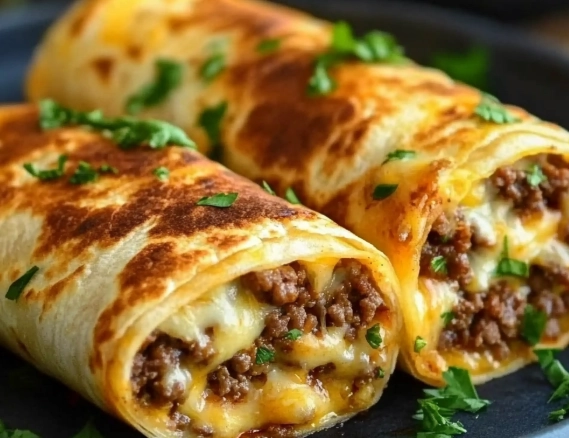
Expert Move: After browning the beef, deglaze the pan with a splash of red wine or even a bit of beef broth. Scrape up all those browned bits stuck to the pan. That's pure flavor gold. Let the wine cook off almost completely before adding your tomatoes.
Finally, simmer. A 20-minute simmer is good. A 45-minute to 1-hour simmer is transformative. The sauce thickens, the flavors marry, and the beef becomes incredibly tender. According to the Academia Barilla, the guardian of Italian culinary tradition, a slow-cooked ragù is fundamental to many baked pasta dishes. The patience pays off in every bite.
Why Your Cheese Choice Matters More Than You Think
Cheese isn't just a topping; it's a structural and flavor component. Using the wrong type can lead to a greasy, watery, or rubbery bake.
| Cheese | Best Used For | Pro Tip / Warning |
|---|---|---|
| Whole-Milk Ricotta | Lasagna filling, mixed into baked ziti. | Drain it in a fine-mesh strainer for 30 mins to prevent a watery casserole. Part-skim can be grainy. |
| Low-Moisture Mozzarella (shredded yourself) | Primary melting layer on top and inside. | Never use pre-shredded bags. The anti-caking powder prevents proper melting and creates a weird film. |
| Parmigiano-Reggiano or Pecorino Romano | Finishing grating for salty, umami punch. | Add to ricotta mix and sprinkle on top before baking. The real stuff is worth it. |
| Provolone or Fontina | Mixing with mozzarella for more complex flavor. | Great in casseroles for a gooier, more flavorful melt. |
My biggest pet peeve? Seeing a beautiful lasagna ruined by a layer of cheap, watery, pre-shredded cheese that separates into an oily pool. Shredding a block of whole-milk, low-moisture mozzarella takes two extra minutes and changes everything.
How to Master Make-Ahead and Freezing
These dishes are perfect for planning ahead. Here's how to do it right.
Make-Ahead (1-2 Days): Assemble the complete dish but do not bake. Cover tightly with plastic wrap, then foil. Refrigerate. When ready to bake, take it out and let it sit on the counter for 30-60 minutes to take the chill off. You'll likely need to add 10-15 minutes to the covered baking time.
Freezing for Later: This is a lifesaver. Assemble the unbaked dish in a foil baking pan or a dish you don't mind freezing. Wrap it in a layer of plastic wrap, then a layer of heavy-duty foil. Label it with the name and date. It'll keep well for 2-3 months. To cook, thaw it completely in the fridge for 24-48 hours, then bake as directed, adding extra time as needed. You can also bake from frozen—cover with foil and bake at 350°F (175°C) for about 1.5 to 2 hours, then uncover and bake until hot and bubbly.
Smart Swaps and Recipe Variations
Don't have an ingredient? Want to mix it up? No problem.
For the Beef: Try a 50/50 mix of ground beef and Italian sausage (remove from casing) for more herb and fennel flavor. For a leaner option, ground turkey or chicken works, but add an extra tablespoon of olive oil to the sauce for richness.
For the Pasta: In baked ziti or casseroles, gluten-free pasta holds up surprisingly well. For lasagna, many brands make solid no-boil gluten-free sheets. Just ensure there's enough sauce to hydrate them.
Veggie Boost: Sauté a couple of handfuls of spinach and mix it into the ricotta. Roast some eggplant or zucchini slices and add them as an extra layer in your lasagna.
Answers to Your Burning Questions
Related Articles

The medium-sized trap of Internet companies

Industry Observation|Running at a new speed of trade finance, Bohai Bank's "Boyi
Ultimate Guide to Classic Italian Dessert Recipes from Tiramisu to Cannoli
Top 5 Italian Seasonings to Master Authentic Flavor
Classic Italian Salad Mix Ingredients & Homemade Recipe